
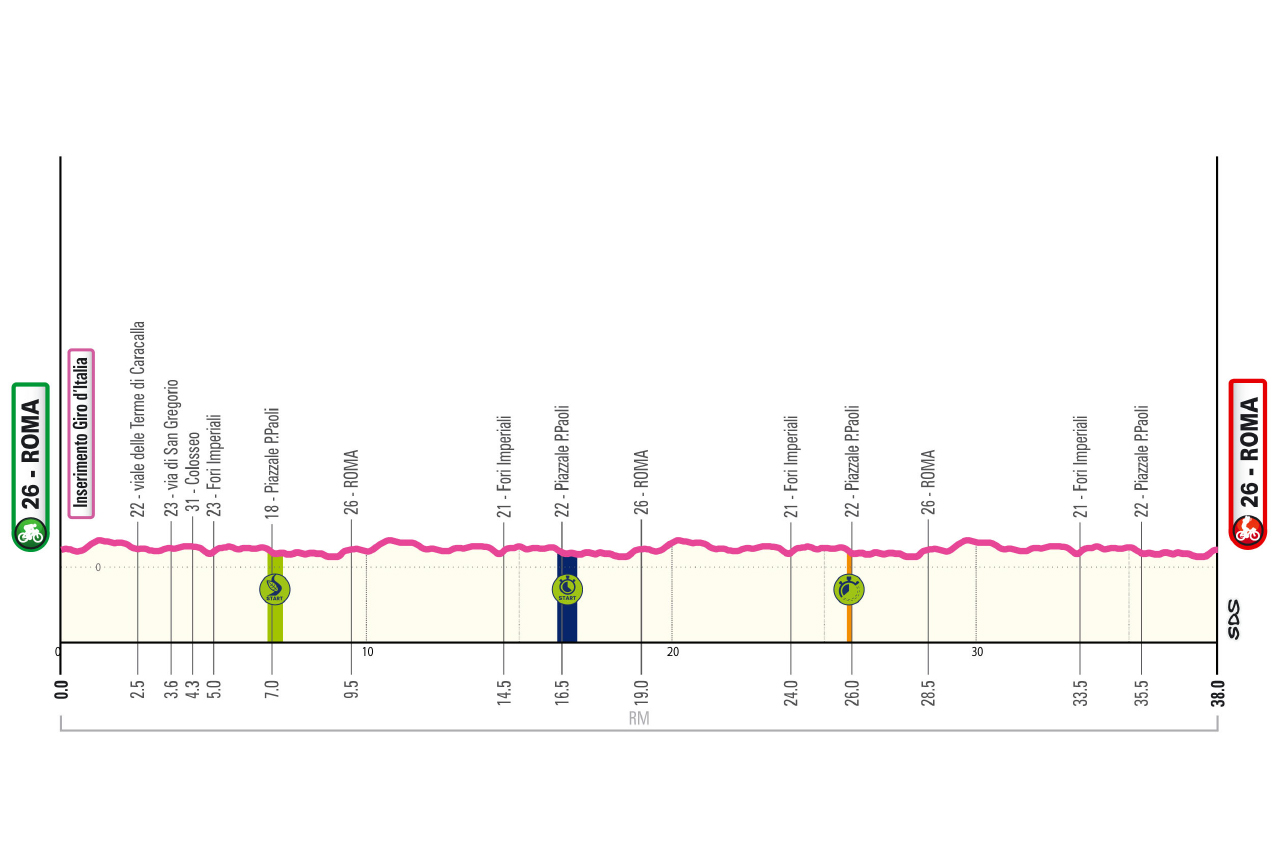
altimetria
planimetria

crono tabella
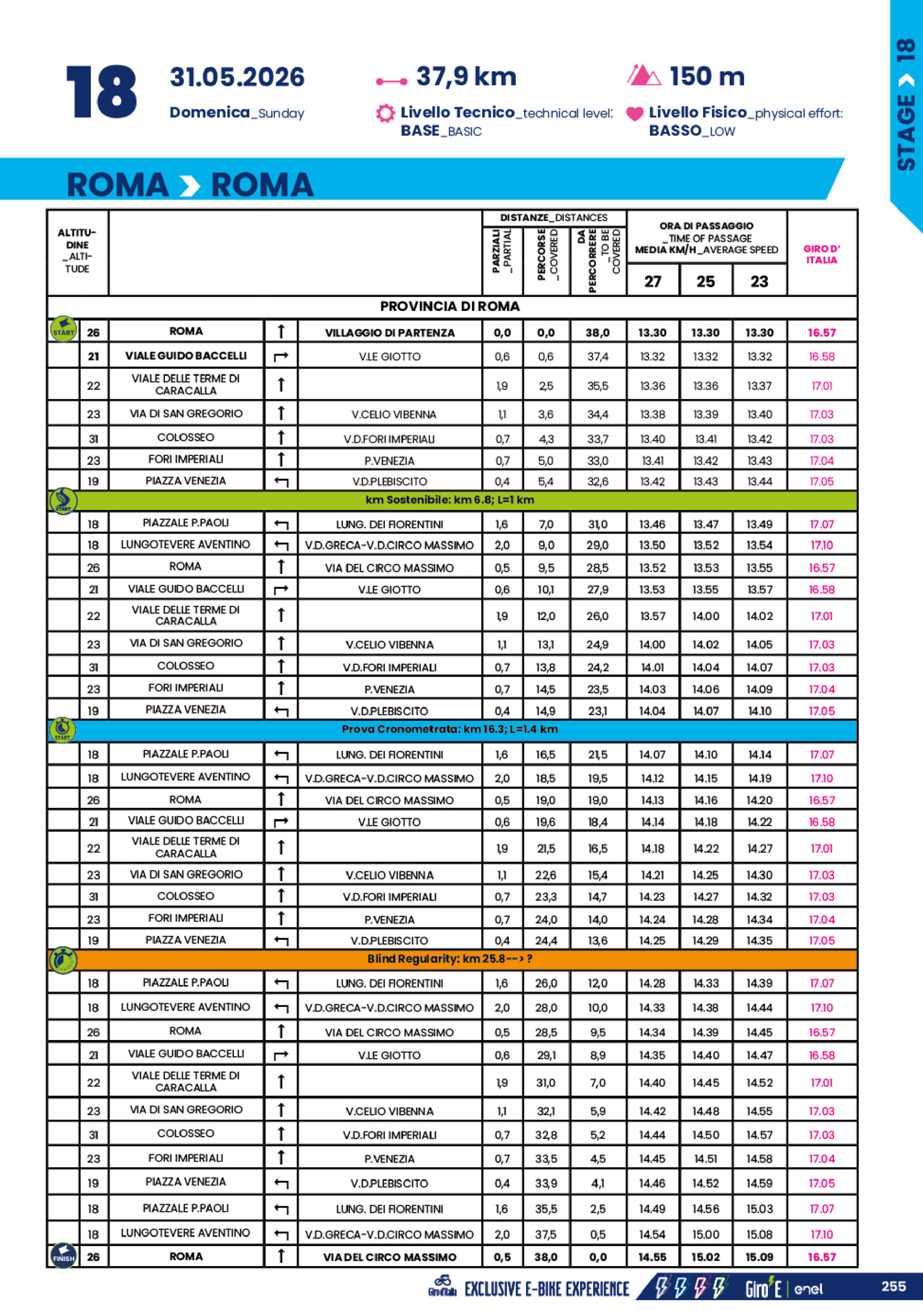

Domenica 31
Maggio 2026
38 km
Dislivello 150 mt
Livello Tecnico: Base
Impegno Fisico: Basso
 Partenza tra
Città di:
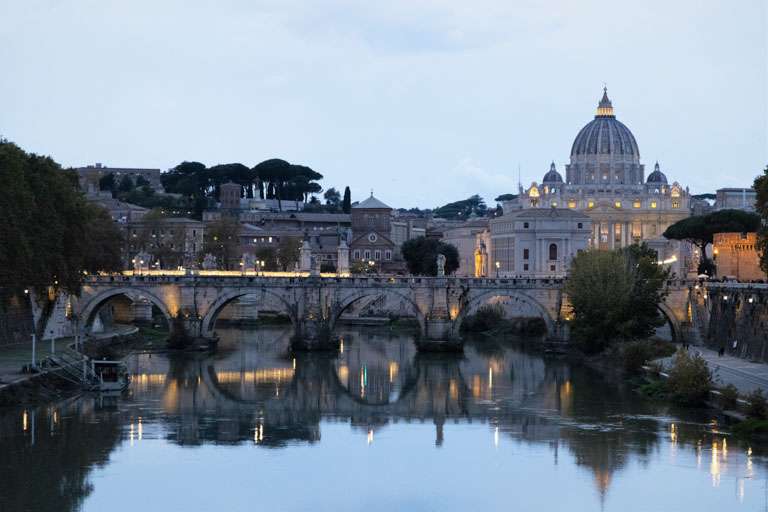
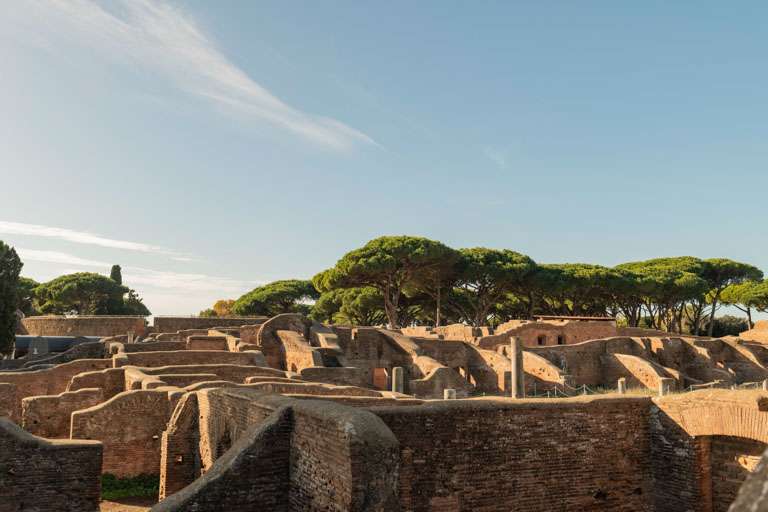
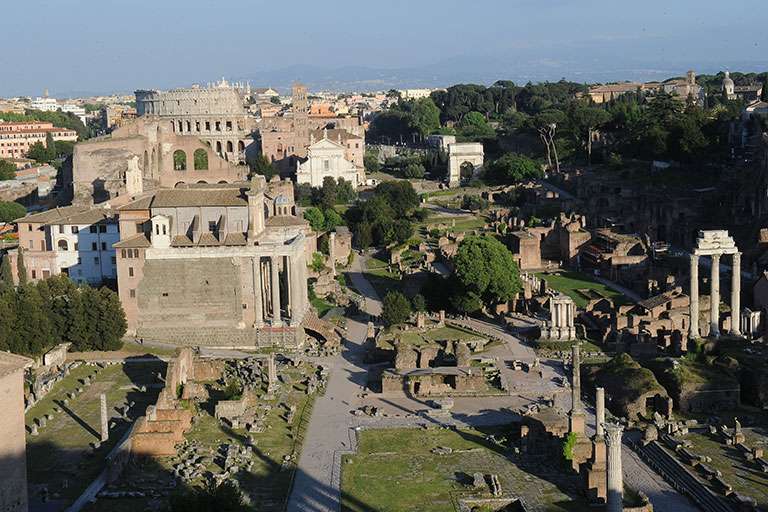
Capital of Italy and the heart of a history spanning more than two thousand years, Rome is a city where every era has left a visible mark. From ancient Rome, with its forums, the Colosseum and the great consular roads, to its central role in the Middle Ages and the Renaissance as the seat of the Papacy, the city has built a historical and artistic heritage without equal. Its urban fabric is a continuous interplay of ruins, palaces, churches and monumental squares, where archaeological layers coexist with contemporary life. Rome is at once the political capital, a major cultural centre and a universal symbol of Western civilisation.
Roman cuisine is an explosion of authentic flavors, characterized by simple ingredients skillfully prepared, in respect of a tradition deeply rooted in the history of the Capital. Each dish tells the story of popular culture, the connection with the local territory, and the ingenuity with which, over the centuries, humble cooking has been transformed into a culinary heritage loved all over the world.
First courses are the true symbol of Roman gastronomy. Carbonara, with its irresistible creaminess, comes from the perfect combination of eggs, crispy guanciale, Pecorino Romano cheese, and black pepper, strictly without cream, for an intense and enveloping result. Amatriciana, originally from Amatrice but now a cornerstone of Roman cuisine, combines guanciale, tomato, and Pecorino, creating a perfect balance between savoriness and sweetness.
Another pillar is Cacio e Pepe, the supreme example of Roman simplicity: pasta, Pecorino Romano, and black pepper worked together until they form a dense, flavorful cream. Finally, Gricia, often defined as the “mother” of Carbonara and Amatriciana, removes both egg and tomato to highlight the full flavor of crispy guanciale and Pecorino Romano.
Roman cuisine is no less remarkable in its main courses, where meats and intense flavors dominate the scene. Saltimbocca alla Romana, thin veal slices topped with raw ham and sage, deglazed with white wine, is a delicate yet richly flavored dish. For those who prefer more rustic flavors, Abbacchio allo scottadito, grilled marinated lamb chops, is a must, as is Pollo alla Romana, cooked with peppers, tomato, and Mediterranean herbs.
Popular cuisine reaches its peak expression in the so-called “Quinto Quarto” (fifth quarter), born in the taverns and butcher shops of Testaccio, the neighborhood symbol of this tradition. Among the most famous dishes are Trippa alla Romana, with tomato, mint, and Pecorino; Coda alla vaccinara, slowly stewed with celery and spices; and Pajata, veal intestines cooked with tomato and often paired with rigatoni for a uniquely flavored dish.
Roman side dishes are a triumph of expertly prepared vegetables. Carciofi alla giudia, deep-fried whole until crispy and golden, are an icon of Roman-Jewish cuisine. Carciofi alla romana, cooked with parsley, mint, and garlic, are a more delicate but equally tasty version. Also essential are puntarelle, a crunchy salad dressed with anchovies, garlic, and extra virgin olive oil, and zucchine alla scapece, marinated with vinegar and mint for a fresh, aromatic flavor.
Rome is also the home of street food and irresistible fried specialties. The most iconic is Supplì al telefono, crispy on the outside and gooey inside, filled with rice seasoned with meat sauce and a heart of mozzarella. Equally famous are Filetti di baccalà, battered and fried cod pieces cooked until perfectly crisp. Finally, Fiori di zucca fritti, stuffed with mozzarella and anchovies, are a perfect appetizer treat.
Even in desserts, Rome boasts unique specialties. Maritozzo with whipped cream, a soft sweet bun filled with whipped cream, is the ultimate indulgent breakfast. During Carnival, Frappe and Castagnole are prepared—fried sweets covered in sugar—while at Easter the traditional Pizza di Pasqua, a leavened cake flavored with vanilla and citrus, is a must. Another classic is Crostata di visciole, a typical Roman-Jewish dessert made with sour cherries and ricotta.
Roman cuisine, with its intense and bold flavors, pairs perfectly with the wines of Lazio, a region with a long winemaking tradition rooted in the Etruscan and Roman eras. The hilly landscape, temperate climate, and volcanic soils give Lazio wines a distinctive character, with fresh and mineral white wines and structured, persistent reds.
Among the most representative white wines stands Frascati Superiore DOCG, produced in the Castelli Romani area. Made from a blend of Malvasia del Lazio, Trebbiano, and Greco grapes, it is characterized by its fruity aroma and fresh, savory taste, making it perfect with traditional Roman fried foods such as supplì, fried cod fillets, and stuffed zucchini flowers.
Another iconic white wine is Malvasia del Lazio, an indigenous grape variety known for its aromatic profile and softness. Its floral bouquet with hints of peach and citrus pairs beautifully with dishes such as cacio e pepe and Roman-style puntarelle, enhancing their flavors.
Equally important is Est! Est!! Est!!! di Montefiascone DOC, with its balanced and slightly fruity taste, ideal for pairing with light appetizers, fresh cheeses, and first courses such as gricia.
Moving on to red wines, Cesanese del Piglio DOCG is the most famous and representative wine of Lazio. An indigenous grape variety, it produces deep ruby-colored wines with a structured taste and notes of red fruits and spices. It pairs perfectly with traditional rustic dishes such as coda alla vaccinara, pajata, and Roman-style chicken.
Another appreciated red wine is Nero Buono di Cori, less well known but of high quality. It stands out for its soft and velvety taste, with notes of black cherry and spices, making it an excellent match for saltimbocca alla romana and roasted meats.
Lazio red wines also include so-called “Lazio Bordeaux blends,” made from Cabernet Sauvignon, Merlot, and Sangiovese grown on the region’s volcanic hills. These structured and elegant wines are ideal with grilled meats and aged cheeses such as Pecorino Romano.
To accompany traditional Roman desserts, Lazio’s sweet wines offer a wide range of choices. Cannellino di Frascati DOCG, the sweet version of Frascati, is perfect with maritozzo with whipped cream and almond biscuits (tozzetti), thanks to its smooth and enveloping taste.
Another appreciated dessert wine is Aleatico di Gradoli DOC, a passito wine with intense aromas of rose and red fruit, which pairs well with chocolate desserts and sour cherry tarts.
Beyond wine, Rome also has a tradition of liqueurs and spirits that perfectly conclude a meal in true Roman style. The best known is Roman Sambuca, a liqueur based on star anise, enjoyed neat, on the rocks, or “con la mosca” (with a coffee bean), which enhances its aroma.
Amaro del Capo, a digestif with herbal and citrus notes, is often served ice-cold after a hearty meal, as is Ratafià, a sweet liqueur made from sour cherries or morello cherries. For those who prefer stronger flavors, Lazio Grappa, obtained from the distillation of local grape pomace, is perfect for ending a meal with warmth and intensity.
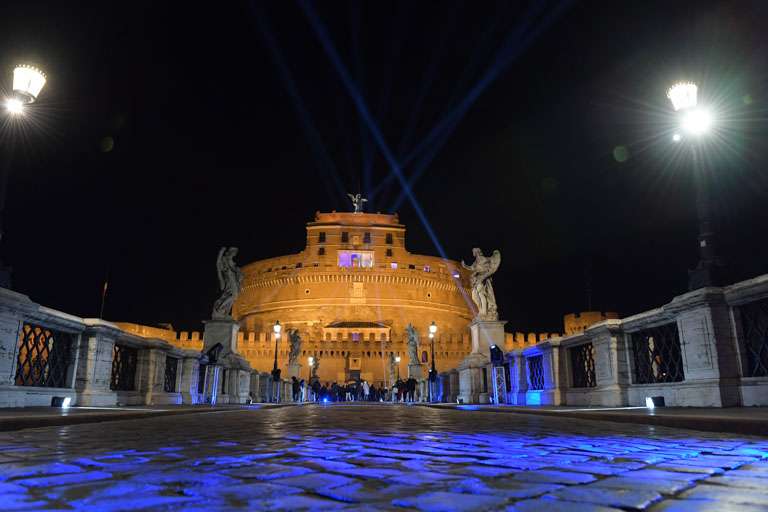
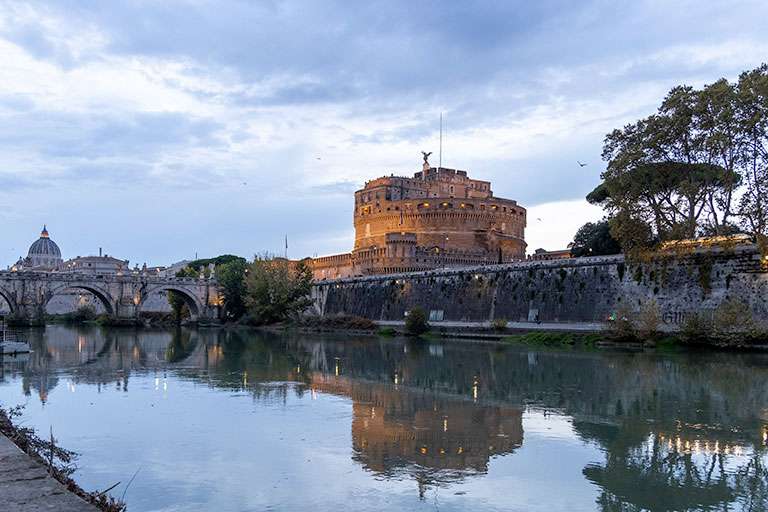
Rome, the Eternal City, is an open-air museum where every corner tells centuries of history, art, and culture. From the splendor of the Roman Empire to the brilliance of the Renaissance and Baroque periods, the Italian capital offers an unparalleled heritage of monuments, squares, churches, and breathtaking views that fascinate millions of visitors every year.
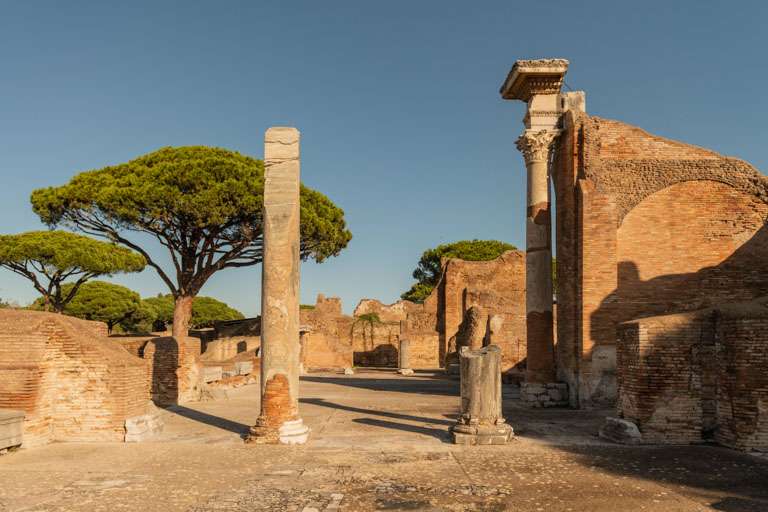
The undisputed symbol of the city, the Colosseum is the largest amphitheater in the world and one of the most visited archaeological sites. Built in the 1st century AD, it was the place where gladiatorial games and spectacular naval battles took place. Nearby stretch the Imperial Forums, the political, economic, and religious center of ancient Rome. Walking among the ruins of the Roman Forum, with its temples and triumphal arches, allows visitors to relive the grandeur of the Empire.
Just a few steps away lies the Circus Maximus, the ancient Roman hippodrome, capable of hosting up to 250,000 spectators for chariot races. Today, this vast open space is used for concerts and events, also offering a striking view of the Palatine Hill, where, according to legend, Romulus founded the city in 753 BC.
Another jewel of the imperial era is the Baths of Caracalla, among the most magnificent thermal complexes of antiquity. Built in the 3rd century AD, these baths were a true wellness center, featuring hot and cold baths, gyms, libraries, and rooms decorated with mosaics and frescoes. Today, their majestic ruins are one of the most fascinating archaeological sites in the capital and, during the summer months, host opera and dance performances, making the experience even more evocative.
In the heart of Vatican City stands St. Peter’s Basilica, the largest temple of Christianity, with its majestic dome designed by Michelangelo and the splendid St. Peter’s Square created by Bernini. Inside, works such as Michelangelo’s Pietà and Bernini’s magnificent Baldachin leave visitors speechless. A visit to the Vatican Museums is unmissable, where masterpieces such as the Borgia Apartments, the Gallery of Maps, and above all the extraordinary Sistine Chapel—frescoed by Michelangelo with the famous Last Judgment—can be admired.
Among Rome’s most iconic landmarks is the Trevi Fountain, a Baroque masterpiece by Nicola Salvi, where tradition says that throwing a coin ensures a return to the Eternal City. Not far away, Piazza di Spagna, with its famous Spanish Steps leading to Trinità dei Monti, is one of the most elegant spots in Rome, surrounded by luxury boutiques and historic cafés.
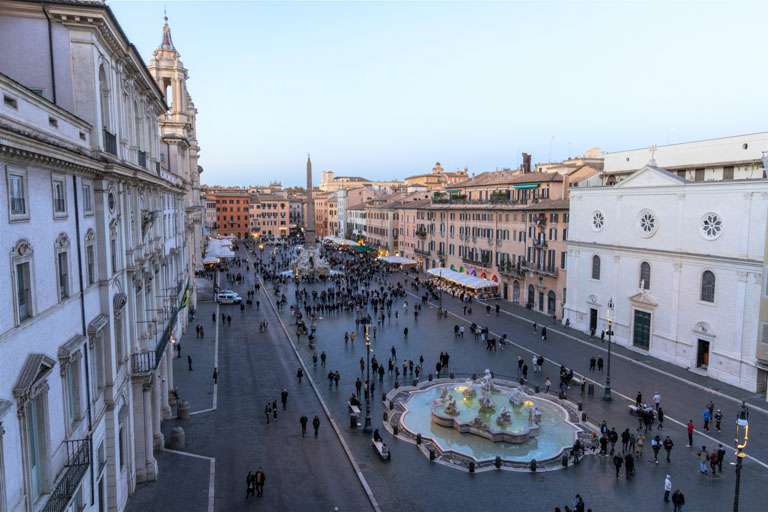
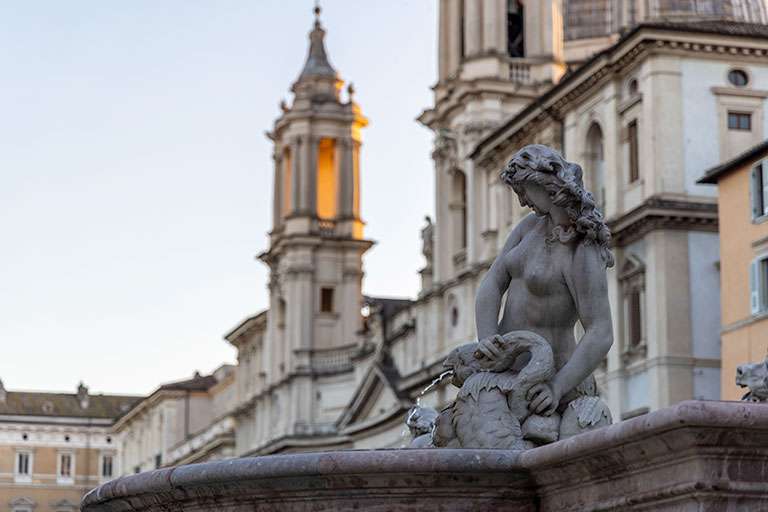
Piazza Navona, with its elongated shape, follows the ancient outline of Domitian’s Stadium. At its center stands Bernini’s spectacular Fountain of the Four Rivers, while around it rise historic palaces and the church of Sant’Agnese in Agone, designed by Borromini. A short walk away is the Pantheon, one of the best-preserved buildings of ancient Rome, with its remarkable dome open at the center, still astonishing for its architectural perfection today.
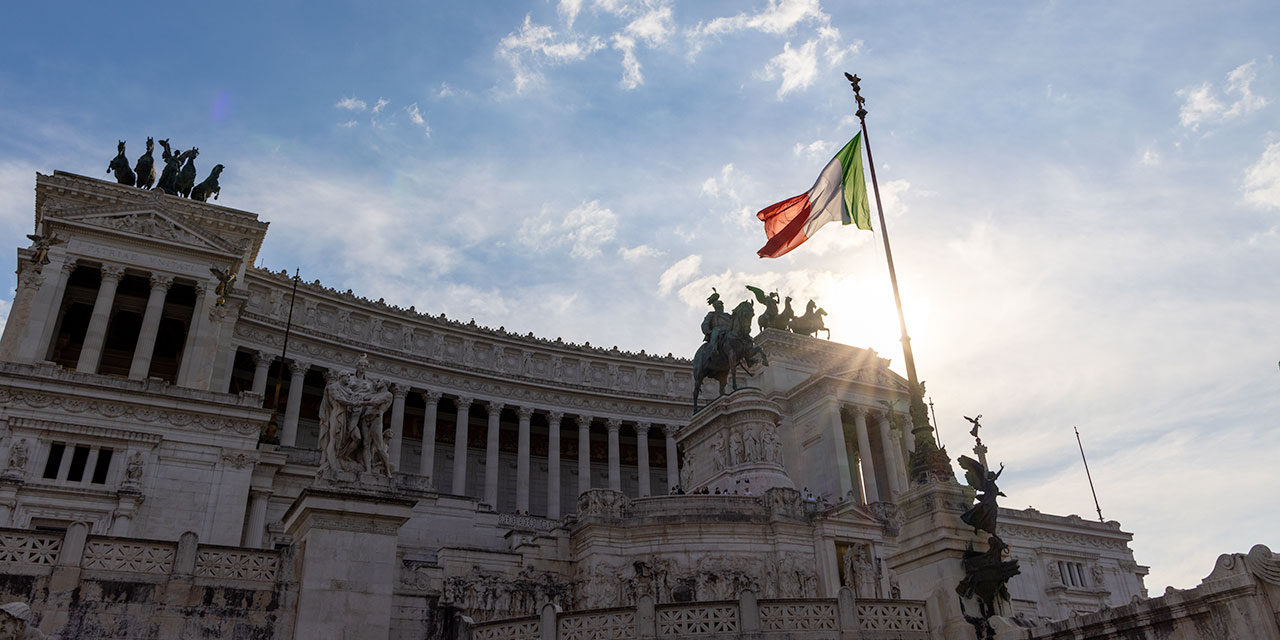
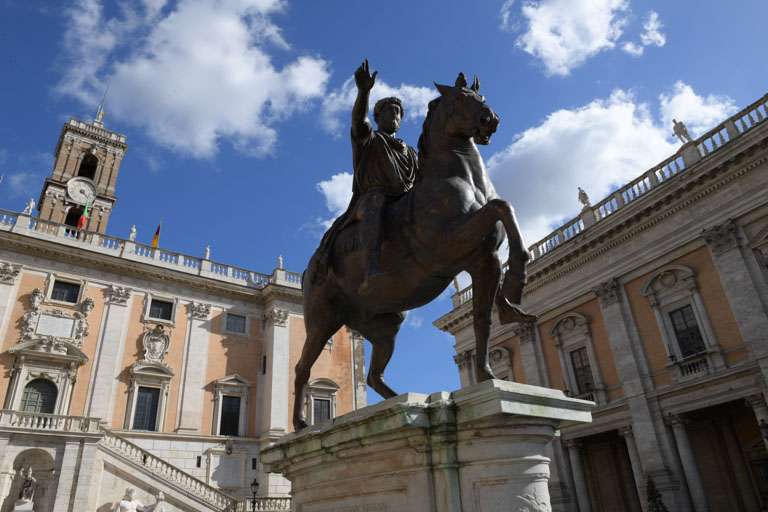
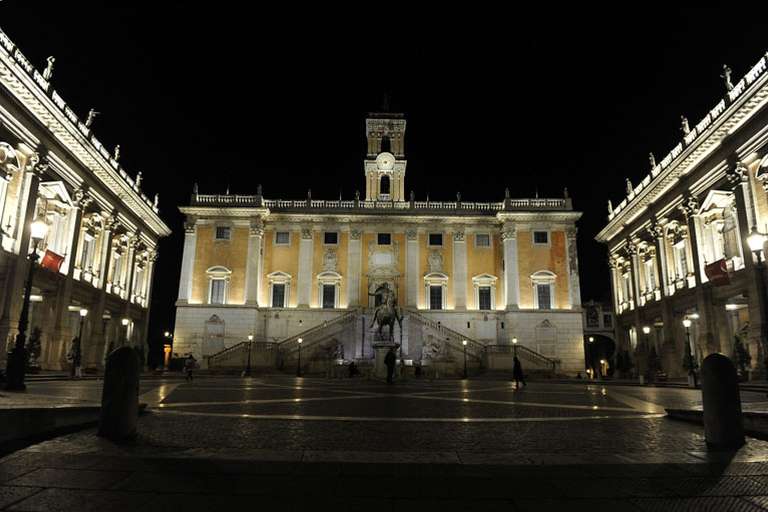
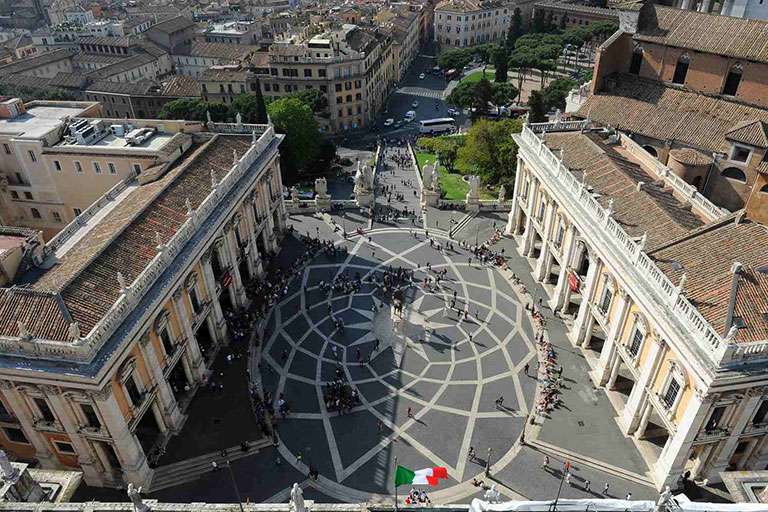
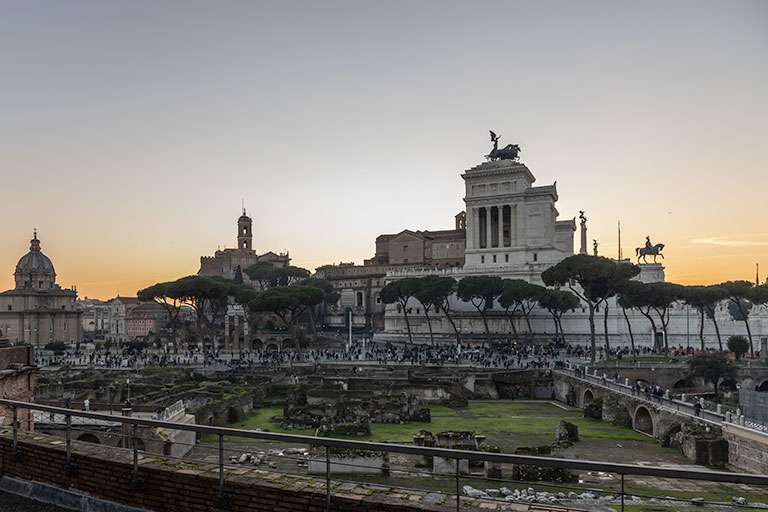
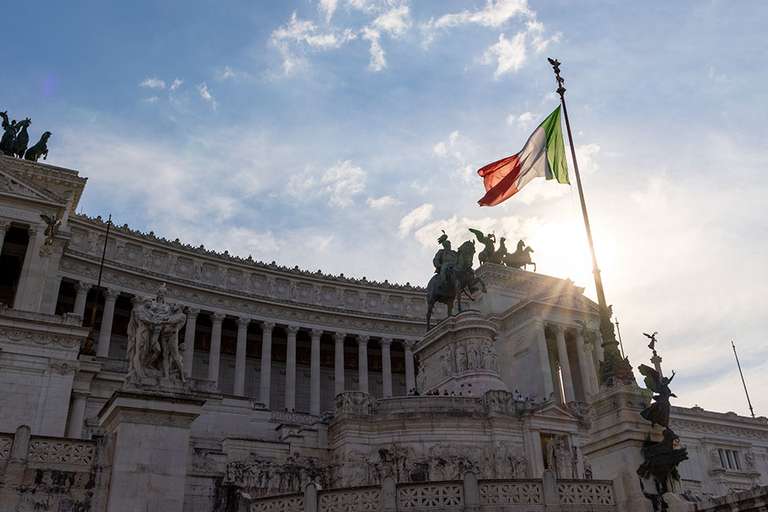
The Capitoline Hill, designed by Michelangelo, is the seat of Rome’s city government and houses the Capitoline Museums, which display masterpieces such as the Capitoline Wolf and the equestrian statue of Marcus Aurelius. Nearby, the monumental Vittoriano, dedicated to Victor Emmanuel II, offers a breathtaking panoramic terrace over the city and contains the Altar of the Fatherland, where the eternal flame burns in honor of the Unknown Soldier.
The Trastevere district is one of the most characteristic areas of the city, with its cobbled streets, historic trattorias, and the beautiful Basilica of Santa Maria in Trastevere, famous for its golden mosaics. Crossing the Tiber River leads to the ancient Jewish Ghetto, a district rich in history and culinary tradition, dominated by the majestic Rome Synagogue and the evocative Portico of Octavia.
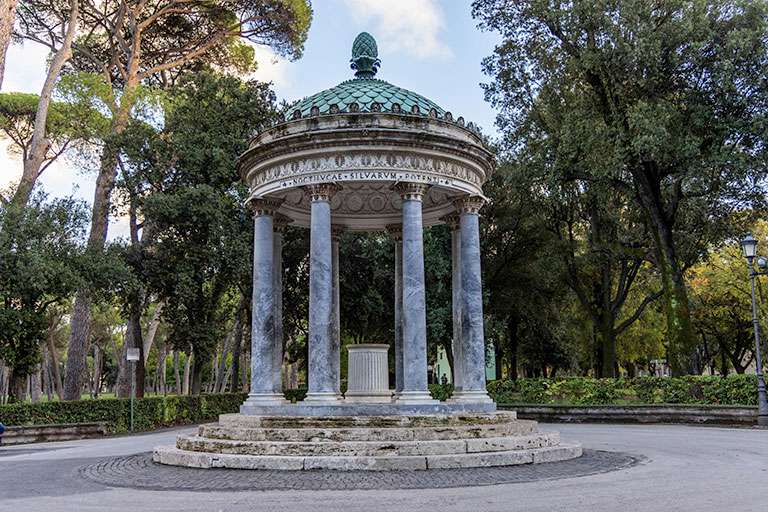
Rome is not only monuments but also green spaces of extraordinary beauty. Villa Borghese, the city’s most famous park, is the perfect place for a walk among gardens, fountains, and sculptures. Inside it lies the Borghese Gallery, one of the world’s most prestigious museums, housing works by Caravaggio, Raphael, Bernini, and Titian.
For a timeless experience, the Catacombs of San Sebastiano, San Callisto, and Domitilla, along the Appian Way, offer a fascinating journey into early Christian Rome. This ancient consular road, still paved with original basalt stones, is lined with mausoleums, churches, and patrician villas, immersed in a striking landscape far from the chaos of the city.
Capital of Italy and the heart of a history spanning more than two thousand years, Rome is a city where every era has left a visible mark. From ancient Rome, with its forums, the Colosseum and the great consular roads, to its central role in the Middle Ages and the Renaissance as the seat of the Papacy, the city has built a historical and artistic heritage without equal. Its urban fabric is a continuous interplay of ruins, palaces, churches and monumental squares, where archaeological layers coexist with contemporary life. Rome is at once the political capital, a major cultural centre and a universal symbol of Western civilisation.
Roman cuisine is an explosion of authentic flavors, characterized by simple ingredients skillfully prepared, in respect of a tradition deeply rooted in the history of the Capital. Each dish tells the story of popular culture, the connection with the local territory, and the ingenuity with which, over the centuries, humble cooking has been transformed into a culinary heritage loved all over the world.
First courses are the true symbol of Roman gastronomy. Carbonara, with its irresistible creaminess, comes from the perfect combination of eggs, crispy guanciale, Pecorino Romano cheese, and black pepper, strictly without cream, for an intense and enveloping result. Amatriciana, originally from Amatrice but now a cornerstone of Roman cuisine, combines guanciale, tomato, and Pecorino, creating a perfect balance between savoriness and sweetness.
Another pillar is Cacio e Pepe, the supreme example of Roman simplicity: pasta, Pecorino Romano, and black pepper worked together until they form a dense, flavorful cream. Finally, Gricia, often defined as the “mother” of Carbonara and Amatriciana, removes both egg and tomato to highlight the full flavor of crispy guanciale and Pecorino Romano.
Roman cuisine is no less remarkable in its main courses, where meats and intense flavors dominate the scene. Saltimbocca alla Romana, thin veal slices topped with raw ham and sage, deglazed with white wine, is a delicate yet richly flavored dish. For those who prefer more rustic flavors, Abbacchio allo scottadito, grilled marinated lamb chops, is a must, as is Pollo alla Romana, cooked with peppers, tomato, and Mediterranean herbs.
Popular cuisine reaches its peak expression in the so-called “Quinto Quarto” (fifth quarter), born in the taverns and butcher shops of Testaccio, the neighborhood symbol of this tradition. Among the most famous dishes are Trippa alla Romana, with tomato, mint, and Pecorino; Coda alla vaccinara, slowly stewed with celery and spices; and Pajata, veal intestines cooked with tomato and often paired with rigatoni for a uniquely flavored dish.
Roman side dishes are a triumph of expertly prepared vegetables. Carciofi alla giudia, deep-fried whole until crispy and golden, are an icon of Roman-Jewish cuisine. Carciofi alla romana, cooked with parsley, mint, and garlic, are a more delicate but equally tasty version. Also essential are puntarelle, a crunchy salad dressed with anchovies, garlic, and extra virgin olive oil, and zucchine alla scapece, marinated with vinegar and mint for a fresh, aromatic flavor.
Rome is also the home of street food and irresistible fried specialties. The most iconic is Supplì al telefono, crispy on the outside and gooey inside, filled with rice seasoned with meat sauce and a heart of mozzarella. Equally famous are Filetti di baccalà, battered and fried cod pieces cooked until perfectly crisp. Finally, Fiori di zucca fritti, stuffed with mozzarella and anchovies, are a perfect appetizer treat.
Even in desserts, Rome boasts unique specialties. Maritozzo with whipped cream, a soft sweet bun filled with whipped cream, is the ultimate indulgent breakfast. During Carnival, Frappe and Castagnole are prepared—fried sweets covered in sugar—while at Easter the traditional Pizza di Pasqua, a leavened cake flavored with vanilla and citrus, is a must. Another classic is Crostata di visciole, a typical Roman-Jewish dessert made with sour cherries and ricotta.
Roman cuisine, with its intense and bold flavors, pairs perfectly with the wines of Lazio, a region with a long winemaking tradition rooted in the Etruscan and Roman eras. The hilly landscape, temperate climate, and volcanic soils give Lazio wines a distinctive character, with fresh and mineral white wines and structured, persistent reds.
Among the most representative white wines stands Frascati Superiore DOCG, produced in the Castelli Romani area. Made from a blend of Malvasia del Lazio, Trebbiano, and Greco grapes, it is characterized by its fruity aroma and fresh, savory taste, making it perfect with traditional Roman fried foods such as supplì, fried cod fillets, and stuffed zucchini flowers.
Another iconic white wine is Malvasia del Lazio, an indigenous grape variety known for its aromatic profile and softness. Its floral bouquet with hints of peach and citrus pairs beautifully with dishes such as cacio e pepe and Roman-style puntarelle, enhancing their flavors.
Equally important is Est! Est!! Est!!! di Montefiascone DOC, with its balanced and slightly fruity taste, ideal for pairing with light appetizers, fresh cheeses, and first courses such as gricia.
Moving on to red wines, Cesanese del Piglio DOCG is the most famous and representative wine of Lazio. An indigenous grape variety, it produces deep ruby-colored wines with a structured taste and notes of red fruits and spices. It pairs perfectly with traditional rustic dishes such as coda alla vaccinara, pajata, and Roman-style chicken.
Another appreciated red wine is Nero Buono di Cori, less well known but of high quality. It stands out for its soft and velvety taste, with notes of black cherry and spices, making it an excellent match for saltimbocca alla romana and roasted meats.
Lazio red wines also include so-called “Lazio Bordeaux blends,” made from Cabernet Sauvignon, Merlot, and Sangiovese grown on the region’s volcanic hills. These structured and elegant wines are ideal with grilled meats and aged cheeses such as Pecorino Romano.
To accompany traditional Roman desserts, Lazio’s sweet wines offer a wide range of choices. Cannellino di Frascati DOCG, the sweet version of Frascati, is perfect with maritozzo with whipped cream and almond biscuits (tozzetti), thanks to its smooth and enveloping taste.
Another appreciated dessert wine is Aleatico di Gradoli DOC, a passito wine with intense aromas of rose and red fruit, which pairs well with chocolate desserts and sour cherry tarts.
Beyond wine, Rome also has a tradition of liqueurs and spirits that perfectly conclude a meal in true Roman style. The best known is Roman Sambuca, a liqueur based on star anise, enjoyed neat, on the rocks, or “con la mosca” (with a coffee bean), which enhances its aroma.
Amaro del Capo, a digestif with herbal and citrus notes, is often served ice-cold after a hearty meal, as is Ratafià, a sweet liqueur made from sour cherries or morello cherries. For those who prefer stronger flavors, Lazio Grappa, obtained from the distillation of local grape pomace, is perfect for ending a meal with warmth and intensity.
Rome, the Eternal City, is an open-air museum where every corner tells centuries of history, art, and culture. From the splendor of the Roman Empire to the brilliance of the Renaissance and Baroque periods, the Italian capital offers an unparalleled heritage of monuments, squares, churches, and breathtaking views that fascinate millions of visitors every year.
The undisputed symbol of the city, the Colosseum is the largest amphitheater in the world and one of the most visited archaeological sites. Built in the 1st century AD, it was the place where gladiatorial games and spectacular naval battles took place. Nearby stretch the Imperial Forums, the political, economic, and religious center of ancient Rome. Walking among the ruins of the Roman Forum, with its temples and triumphal arches, allows visitors to relive the grandeur of the Empire.
Just a few steps away lies the Circus Maximus, the ancient Roman hippodrome, capable of hosting up to 250,000 spectators for chariot races. Today, this vast open space is used for concerts and events, also offering a striking view of the Palatine Hill, where, according to legend, Romulus founded the city in 753 BC.
Another jewel of the imperial era is the Baths of Caracalla, among the most magnificent thermal complexes of antiquity. Built in the 3rd century AD, these baths were a true wellness center, featuring hot and cold baths, gyms, libraries, and rooms decorated with mosaics and frescoes. Today, their majestic ruins are one of the most fascinating archaeological sites in the capital and, during the summer months, host opera and dance performances, making the experience even more evocative.
In the heart of Vatican City stands St. Peter’s Basilica, the largest temple of Christianity, with its majestic dome designed by Michelangelo and the splendid St. Peter’s Square created by Bernini. Inside, works such as Michelangelo’s Pietà and Bernini’s magnificent Baldachin leave visitors speechless. A visit to the Vatican Museums is unmissable, where masterpieces such as the Borgia Apartments, the Gallery of Maps, and above all the extraordinary Sistine Chapel—frescoed by Michelangelo with the famous Last Judgment—can be admired.
Among Rome’s most iconic landmarks is the Trevi Fountain, a Baroque masterpiece by Nicola Salvi, where tradition says that throwing a coin ensures a return to the Eternal City. Not far away, Piazza di Spagna, with its famous Spanish Steps leading to Trinità dei Monti, is one of the most elegant spots in Rome, surrounded by luxury boutiques and historic cafés.
Piazza Navona, with its elongated shape, follows the ancient outline of Domitian’s Stadium. At its center stands Bernini’s spectacular Fountain of the Four Rivers, while around it rise historic palaces and the church of Sant’Agnese in Agone, designed by Borromini. A short walk away is the Pantheon, one of the best-preserved buildings of ancient Rome, with its remarkable dome open at the center, still astonishing for its architectural perfection today.
The Capitoline Hill, designed by Michelangelo, is the seat of Rome’s city government and houses the Capitoline Museums, which display masterpieces such as the Capitoline Wolf and the equestrian statue of Marcus Aurelius. Nearby, the monumental Vittoriano, dedicated to Victor Emmanuel II, offers a breathtaking panoramic terrace over the city and contains the Altar of the Fatherland, where the eternal flame burns in honor of the Unknown Soldier.
The Trastevere district is one of the most characteristic areas of the city, with its cobbled streets, historic trattorias, and the beautiful Basilica of Santa Maria in Trastevere, famous for its golden mosaics. Crossing the Tiber River leads to the ancient Jewish Ghetto, a district rich in history and culinary tradition, dominated by the majestic Rome Synagogue and the evocative Portico of Octavia.
Rome is not only monuments but also green spaces of extraordinary beauty. Villa Borghese, the city’s most famous park, is the perfect place for a walk among gardens, fountains, and sculptures. Inside it lies the Borghese Gallery, one of the world’s most prestigious museums, housing works by Caravaggio, Raphael, Bernini, and Titian.
For a timeless experience, the Catacombs of San Sebastiano, San Callisto, and Domitilla, along the Appian Way, offer a fascinating journey into early Christian Rome. This ancient consular road, still paved with original basalt stones, is lined with mausoleums, churches, and patrician villas, immersed in a striking landscape far from the chaos of the city.
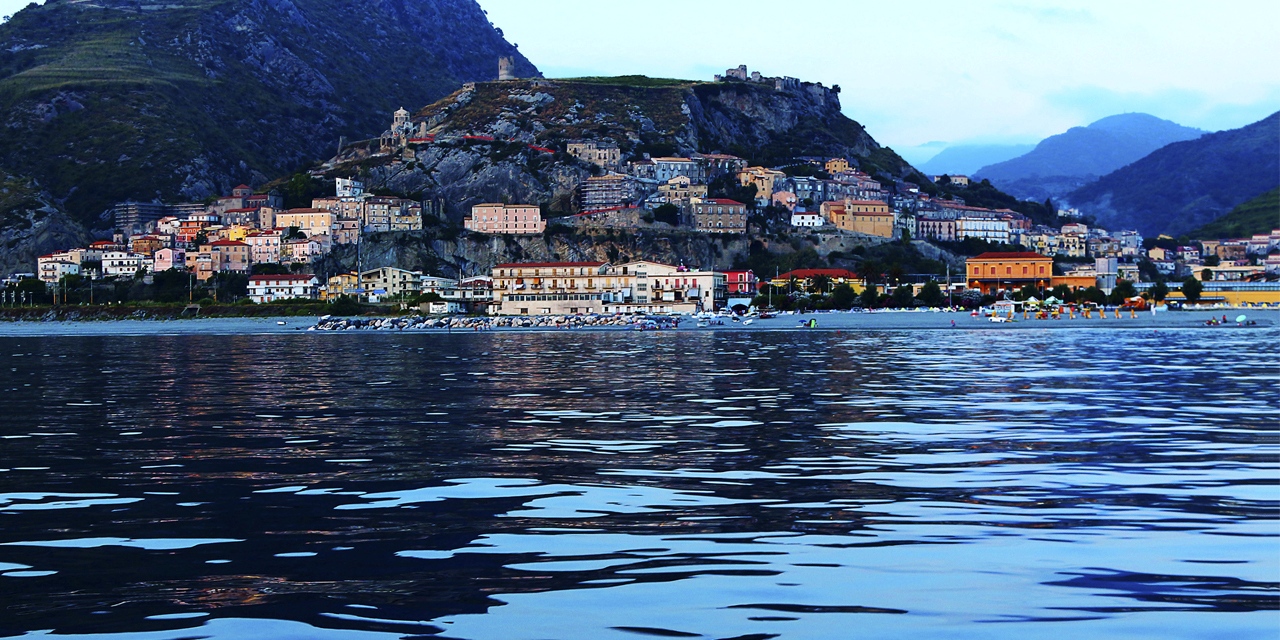
Amantea - Cosenza
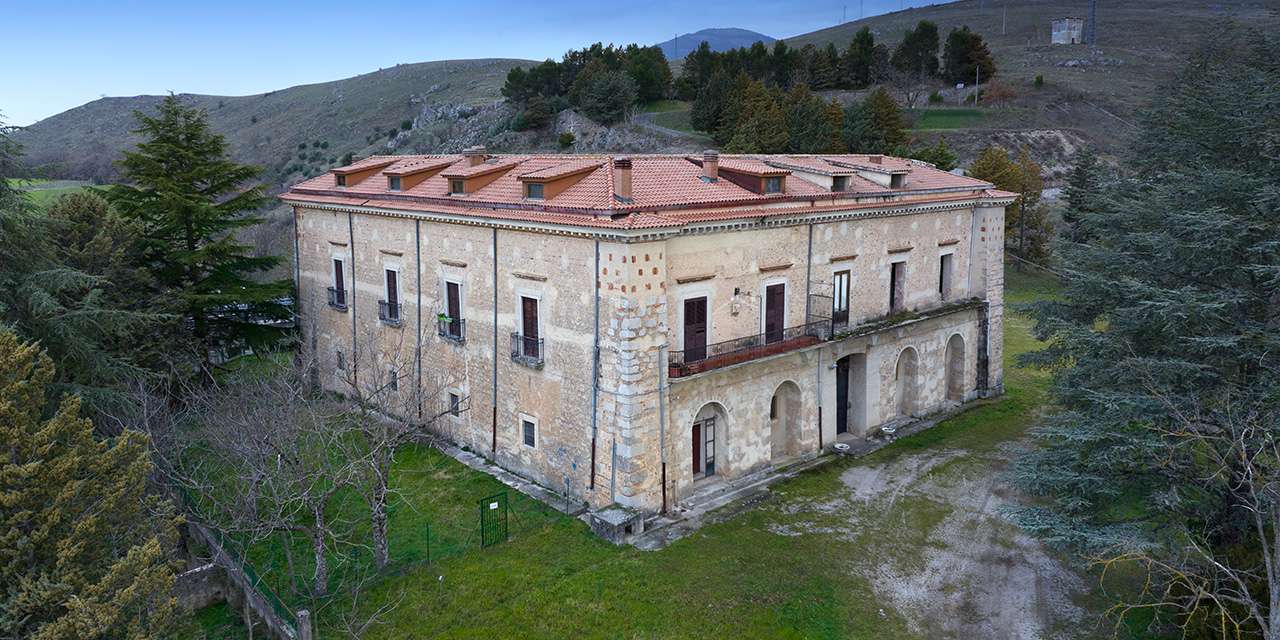
Villa d'Agri di Marsicovetere - Potenza
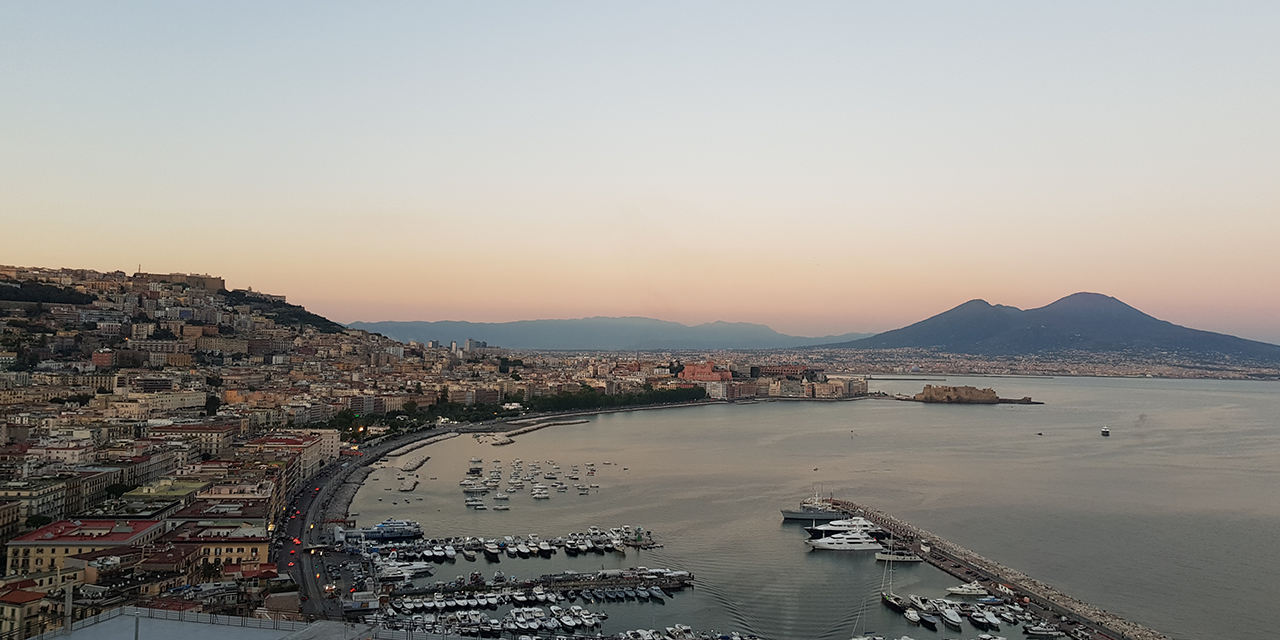
Pompei - Napoli
Roccaraso - Blockhaus
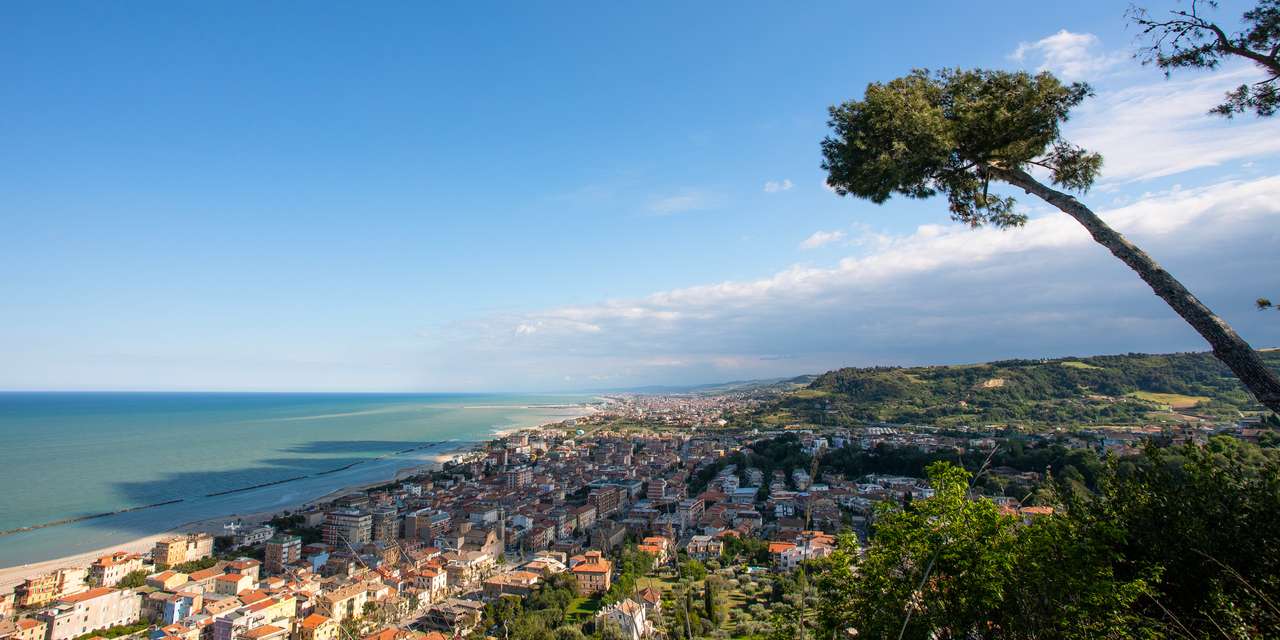
Grottammare - Fermo
Sasso Marconi - Corno alle Scale
Forte dei Marmi - Massa
La Spezia - Chiavari
Savona - Novi Ligure
Angera - Verbania
Aymavilles - Pila
Assago - Milano
Biasca (CH) - Carì (CH)
Tione di Trento - Andalo
Valdobbiadene - Pieve di Soligo
Agordo - Alleghe (Piani di Pezzè)
San Daniele del Friuli - Piancavallo
Roma - Roma