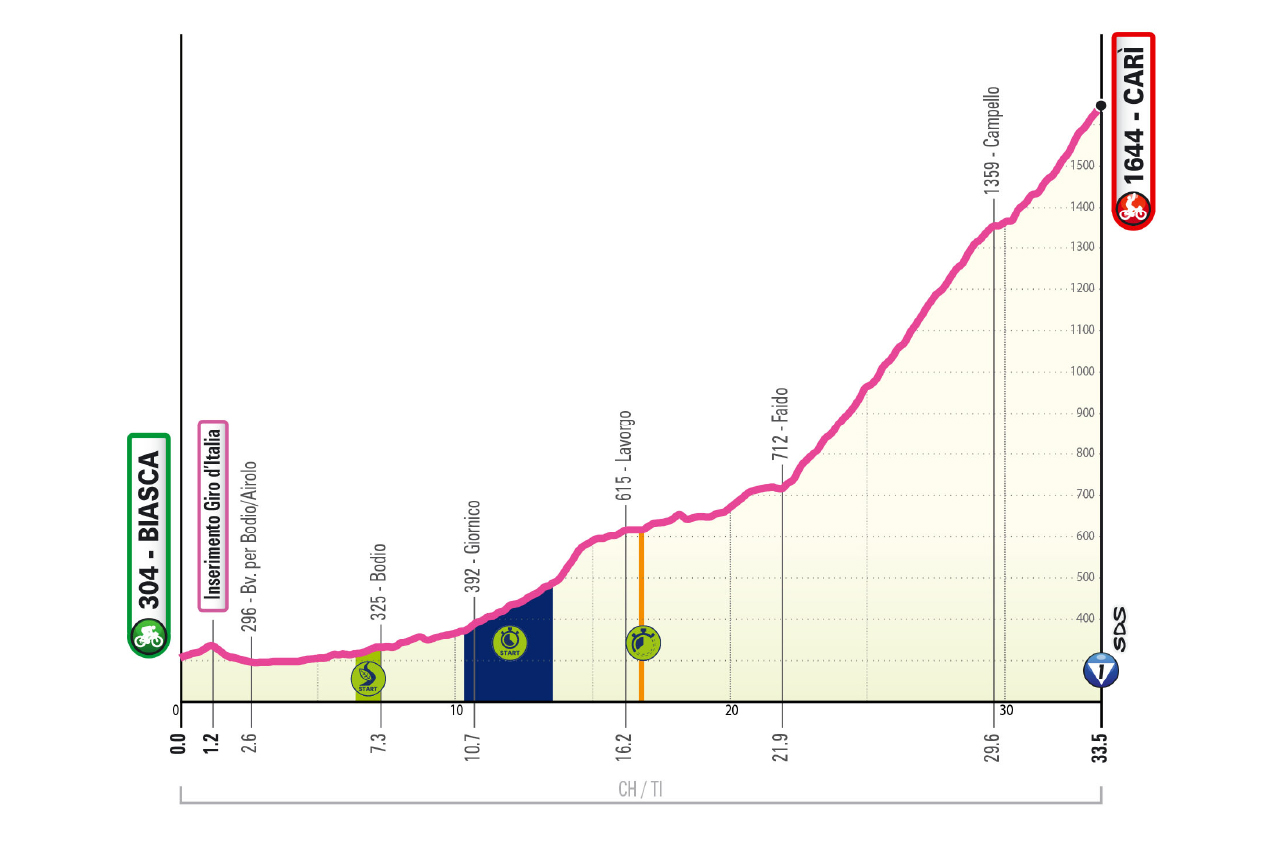
altimetria
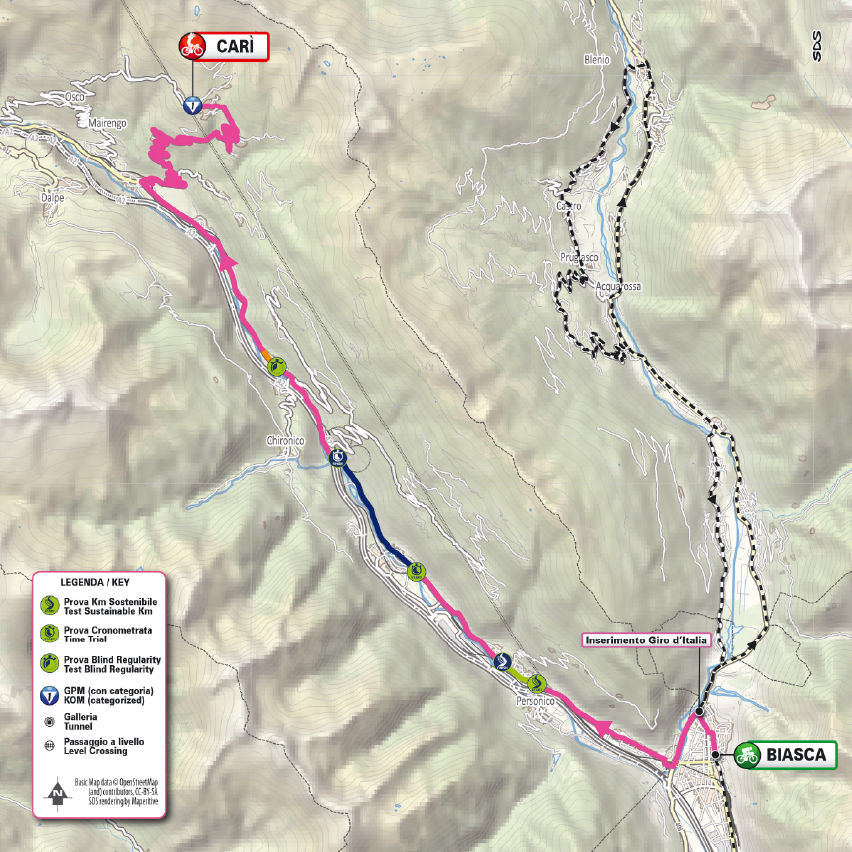
planimetria
crono tabella
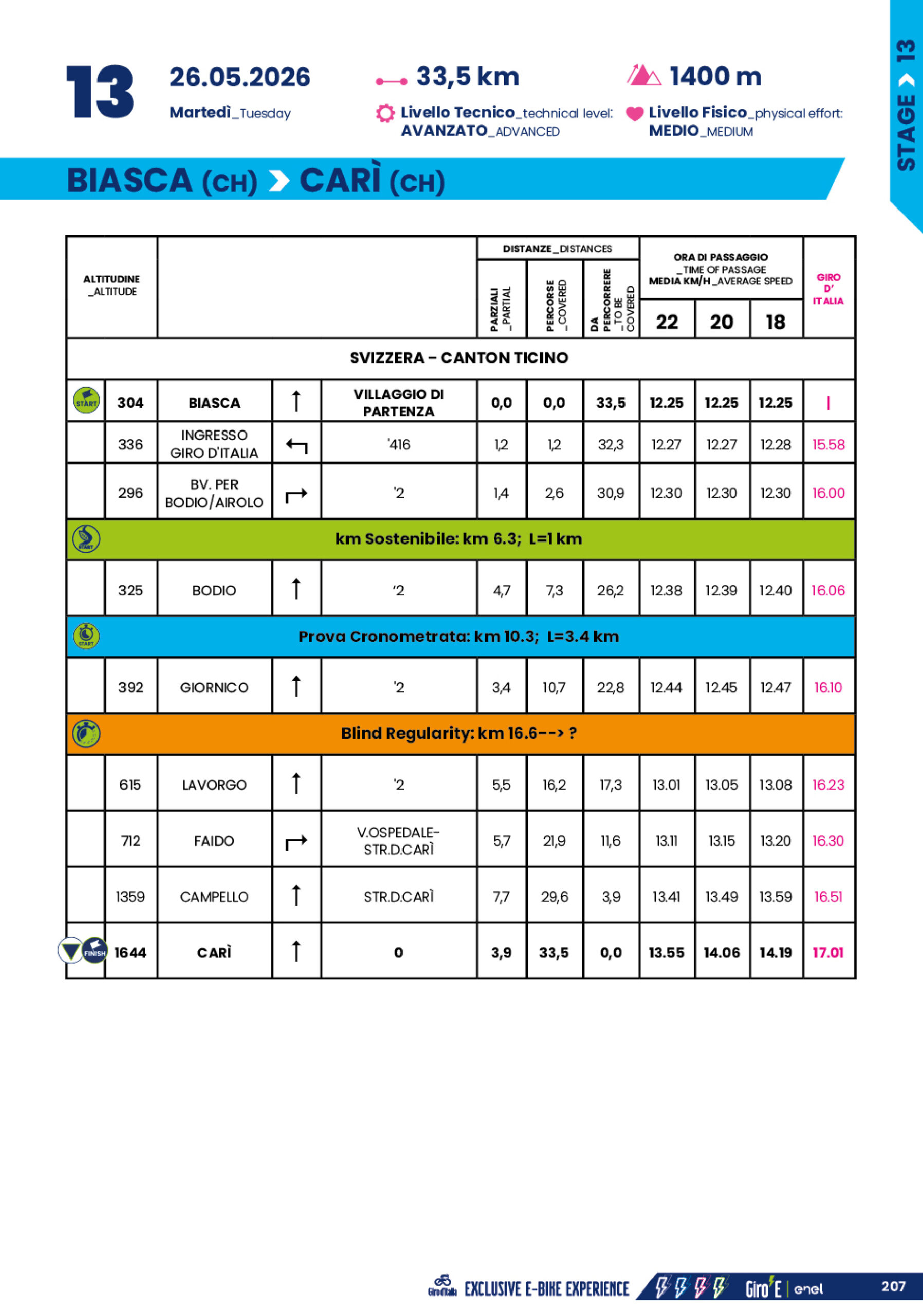

Martedì 26
Maggio 2026
33,5 km
Dislivello 1400 mt
Livello Tecnico: Avanzato
Impegno Fisico: Medio
 Partenza tra
Città di:
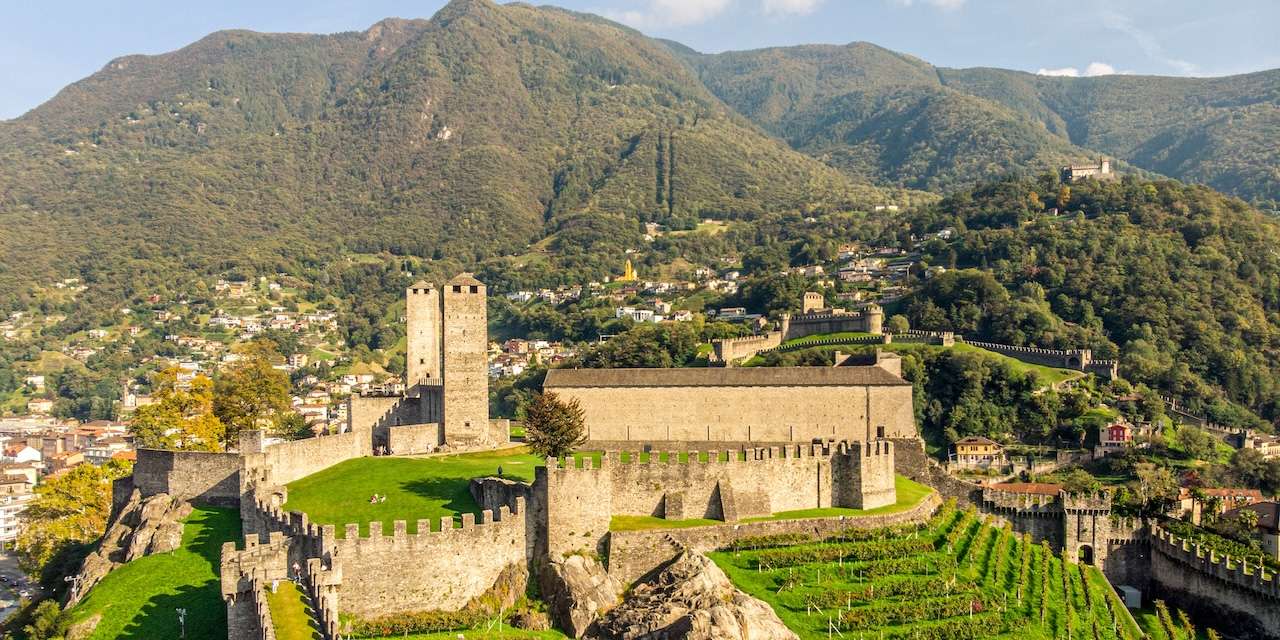
The municipality of Biasca, located in a strategic position at the crossroads of the Leventina, Blenio, and Riviera valleys, boasts a long and deeply rooted history. The first document mentioning it dates back to 830, in a record of the Abbey of Pfäfers. Thanks to its position along the routes leading to the Alpine passes, Biasca soon became a transit point for merchants, travelers, and pilgrims.
During the Middle Ages, the village also played a significant religious role for the Three Valleys. The parish church of Saints Peter and Paul served for centuries as the main ecclesiastical center and initially depended on the Archdiocese of Milan. The community also experienced major natural events, including the 1515 landslide known as the “Buzza di Biasca.” With the construction of the Gotthard railway in 1882, Biasca became a strategic transport hub.
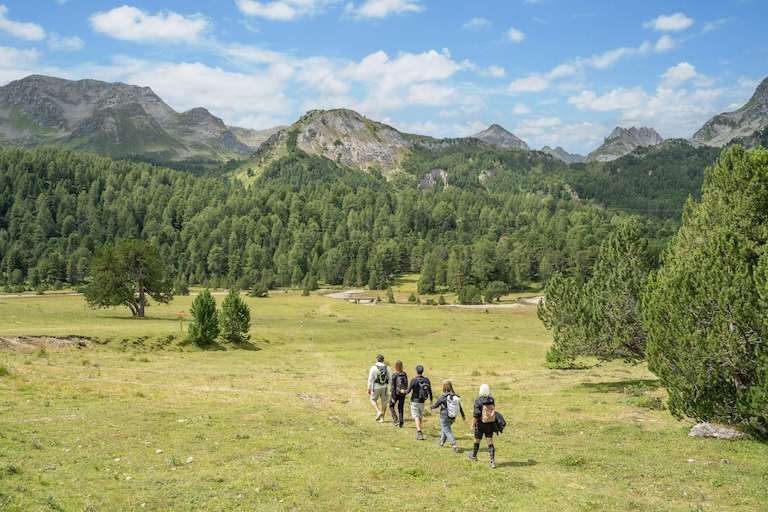
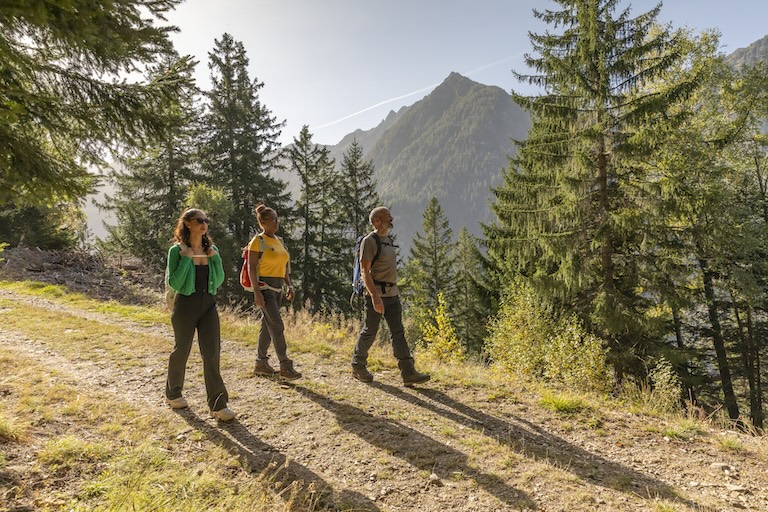
Today Biasca is also highly appreciated by fans of sports and outdoor activities. The area offers numerous hiking and cycling routes across the three surrounding valleys, while the town has a variety of sports facilities, including an ice rink, sports centers, football fields, gyms, and spaces for physical activity and leisure. This sporting vocation, combined with the beauty of the Alpine landscape, makes Biasca an ideal starting point for hiking, cycling, and outdoor adventures throughout the year.
The region of Biasca offers rich culinary traditions linked to Ticinese cuisine and Alpine products. In local restaurants and traditional grotti, visitors can enjoy dishes such as polenta with alpine cheeses, braised meats, local cured meats, seasonal risottos, and desserts like the Ticino bread cake.

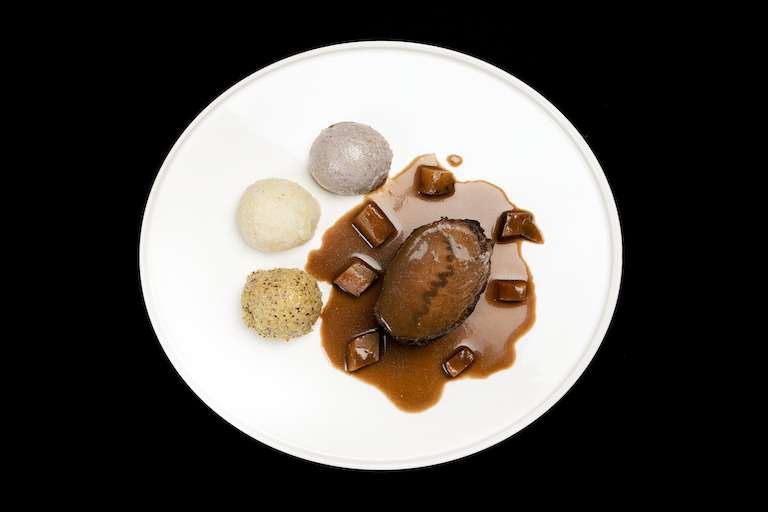
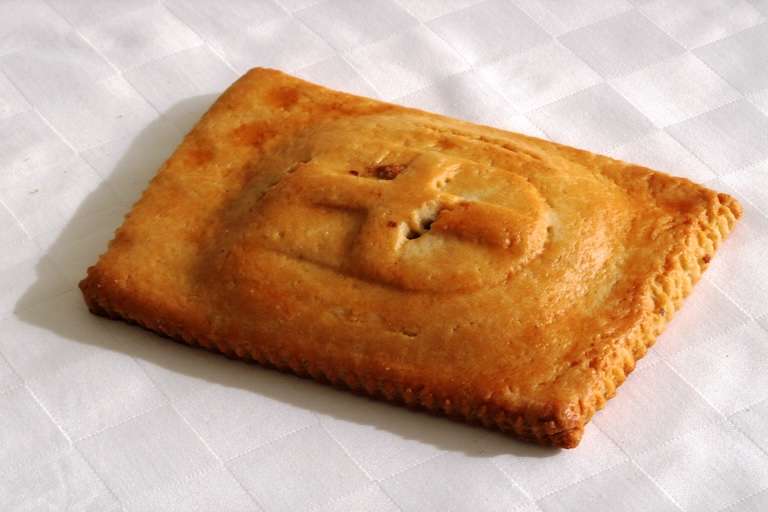
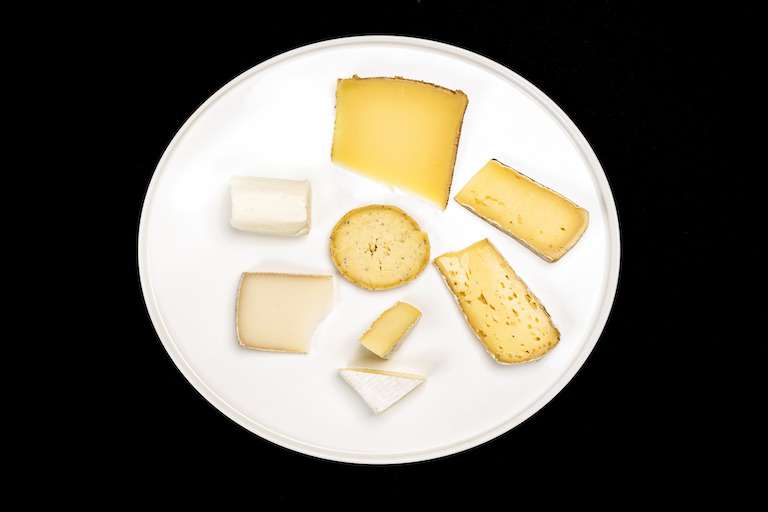
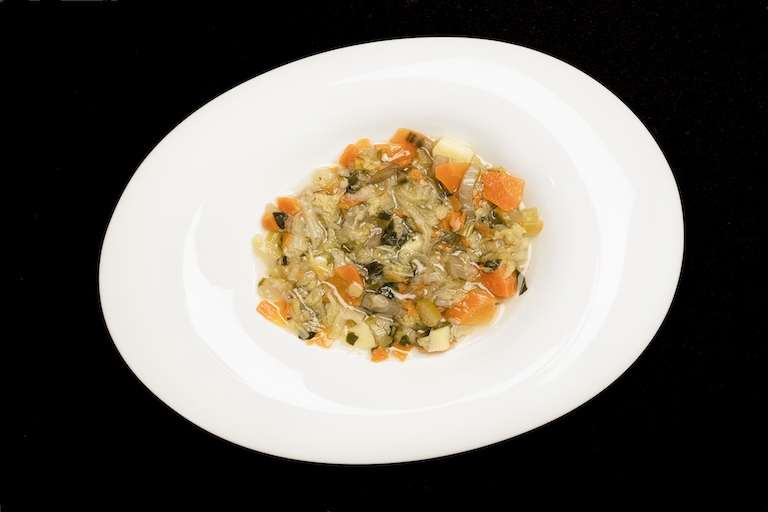
Grotti, often shaded by chestnut trees or near natural springs, were originally natural cellars used to store wine and food thanks to the coolness of the terrain. Today, they are convivial places to savor typical dishes in an authentic and simple atmosphere. During summer, they offer relaxing outdoor settings with stone tables and pergolas.
The Riviera district is also renowned for its vineyards: sunny slopes around Biasca mainly produce Merlot, introduced in the early 20th century and now a symbol of Canton Ticino wine production. From these grapes come elegant reds, fresh rosés, and pure white wines, appreciated locally and internationally, allowing visitors to taste them amid the stunning Alpine vineyard landscapes.
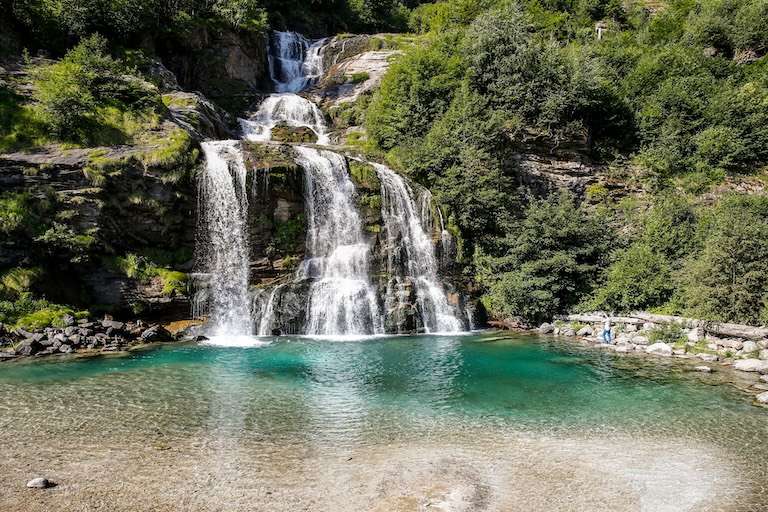
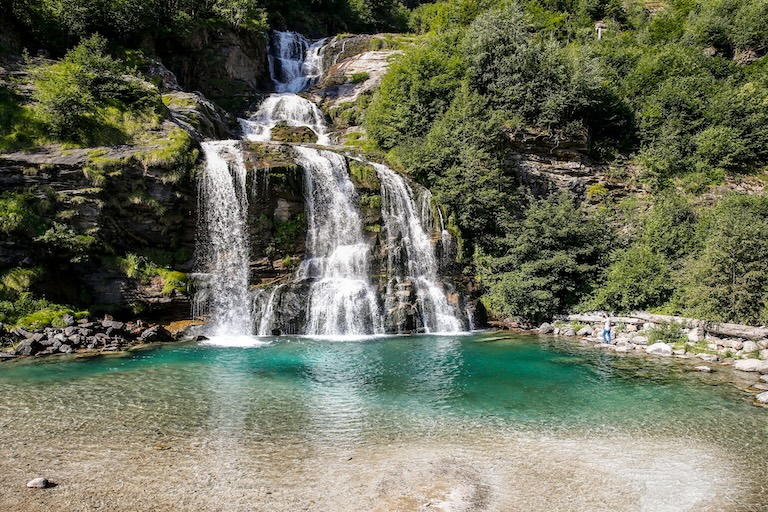
Santa Petronilla Waterfall: One of the most fascinating natural attractions in the region, formed by the Ri della Froda stream. The waterfall drops more than 60 metres and can be reached via a pleasant walk surrounded by nature.
Church of Saints Peter and Paul: Located on a rocky promontory above the town, this Romanesque church dating from the 12th–13th centuries is one of the most important historical monuments in the region and offers panoramic views over the three valleys.
Santa Petronilla Via Crucis: An ancient devotional path connecting the church to the base of the waterfall through 14 historic chapels nestled in the forest, creating a scenic route that combines spirituality and nature.
Church of San Carlo Borromeo: A parish church built in the 17th century in classical style, featuring significant architectural and artistic elements.
Casa Cavalier Pellanda: A Renaissance residence now transformed into a cultural centre hosting exhibitions, events and activities dedicated to local art and culture.
Forte Mondascia Museum: Part of the network of historic Ticino fortifications, this museum presents the Alpine defensive system and the military history of the region in the 20th century.
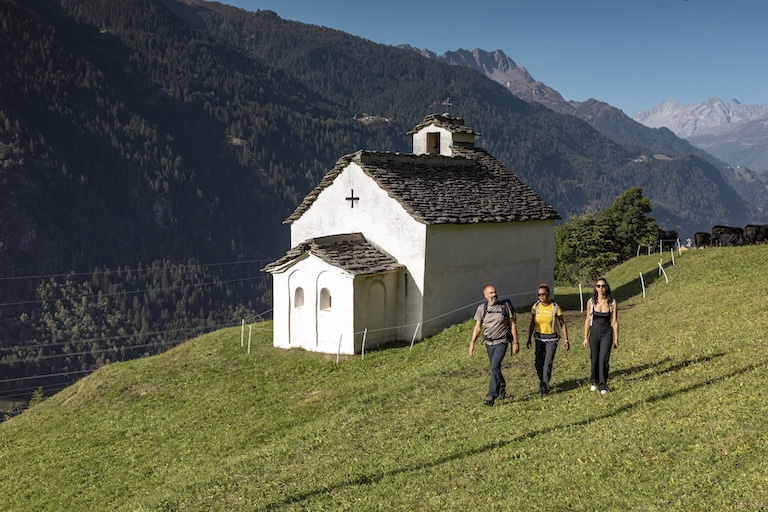
Val Pontirone: A picturesque side valley of the Riviera region, known for its alpine landscapes, traditional alpine pastures and numerous hiking trails.
Capanna Cava: Located in Val Pontirone, this traditional mountain hut is a popular destination for hikers and a starting point for high-altitude excursions.
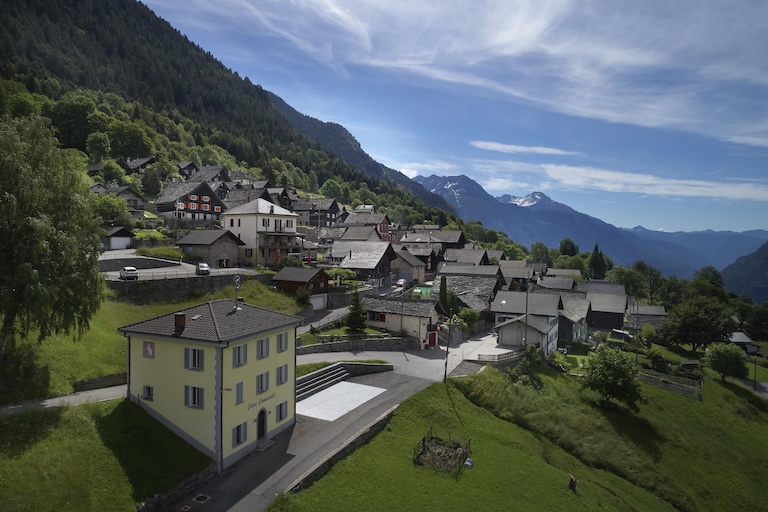
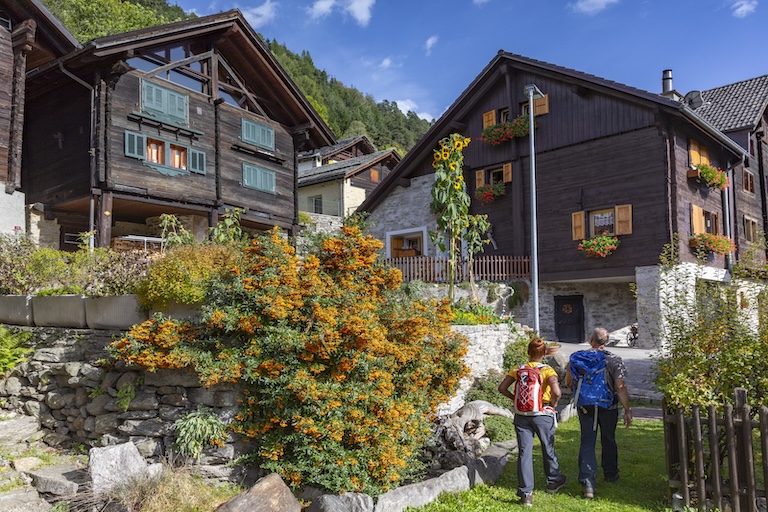
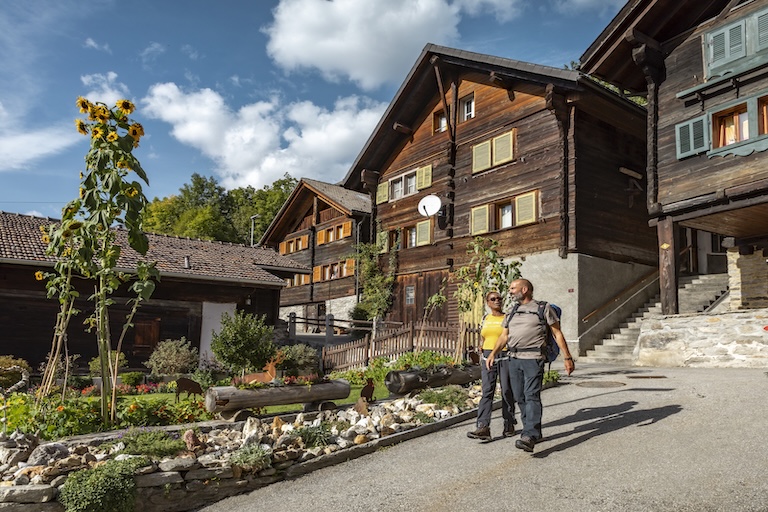
Historic village of Biasca: Walking through the town centre reveals traditional buildings, small squares and characteristic corners that tell the story and identity of the village.
Historic railway station: Part of the famous Gotthard railway line, the station represents an important railway hub and highlights Biasca’s role in the development of Alpine connections between northern and southern Europe.
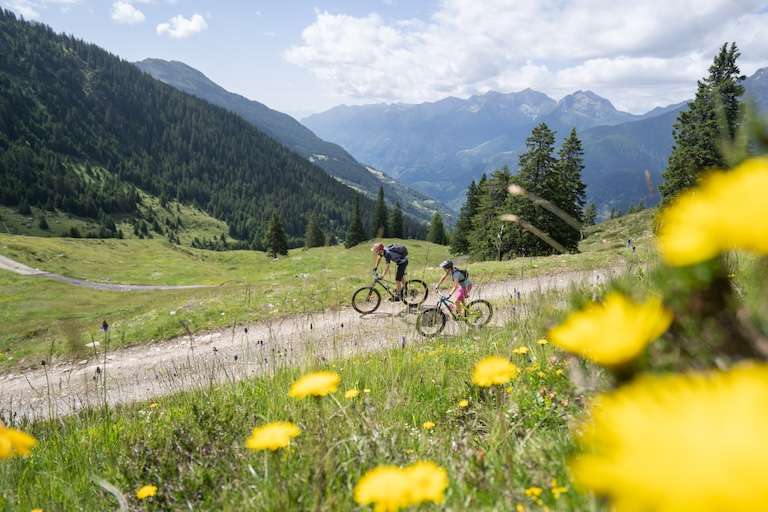
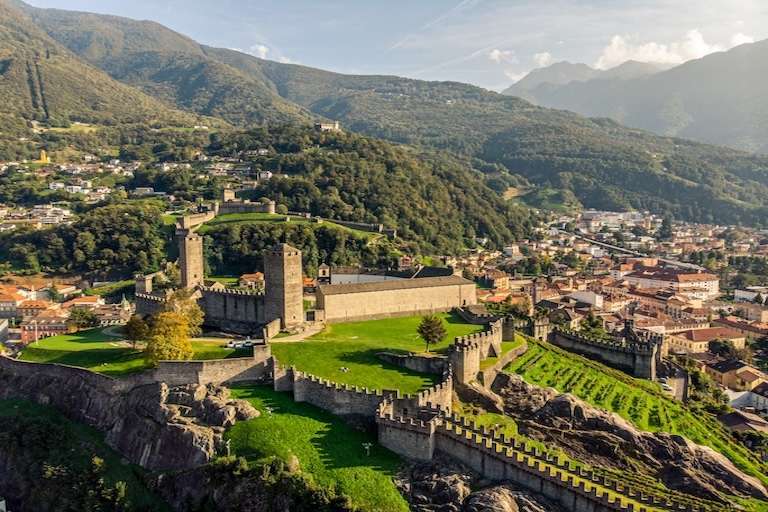
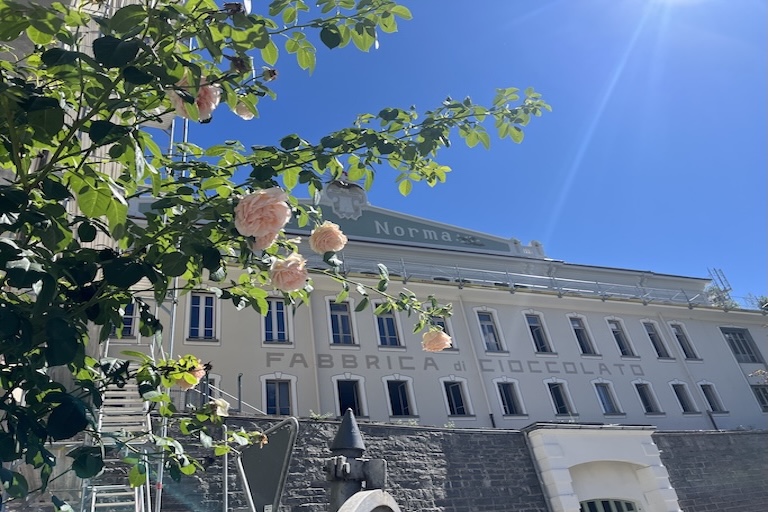
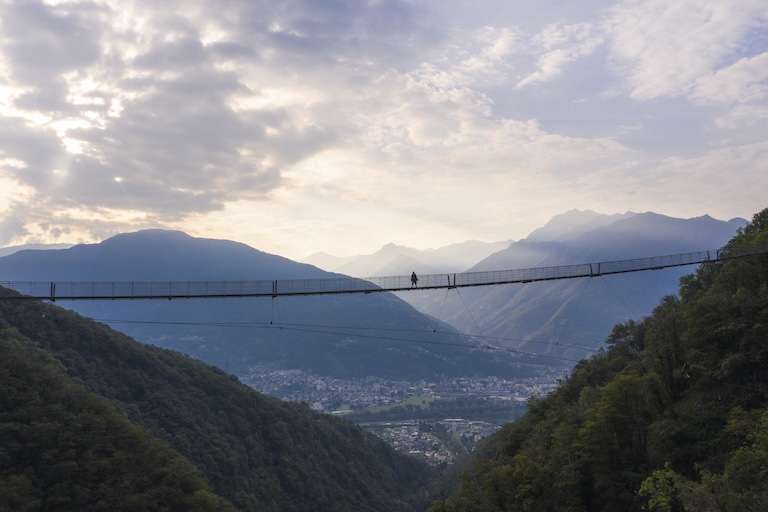
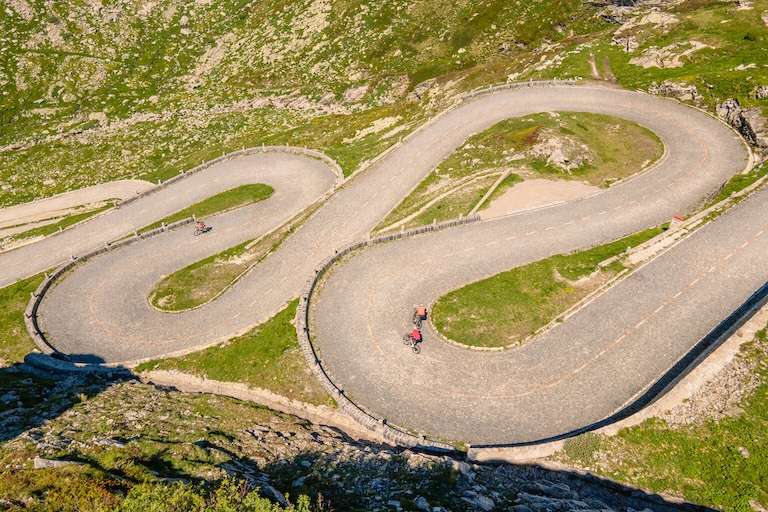
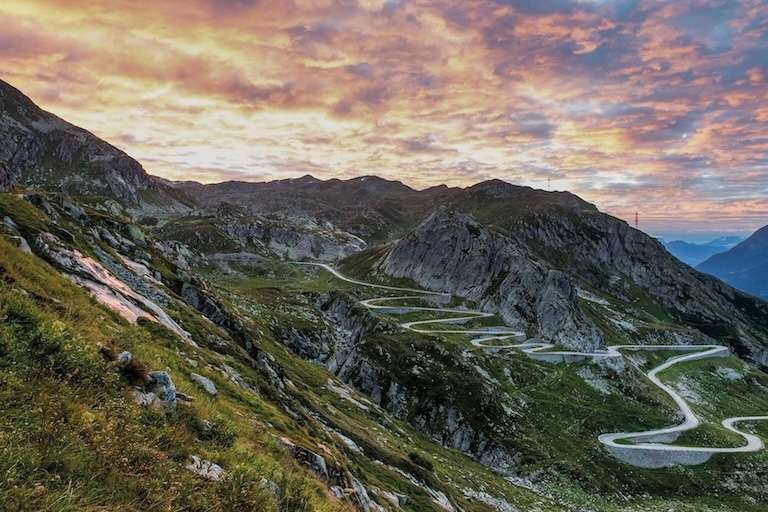
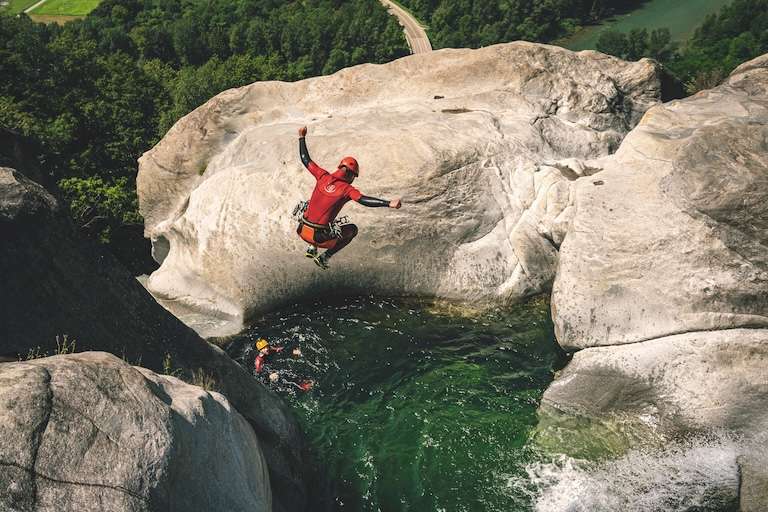
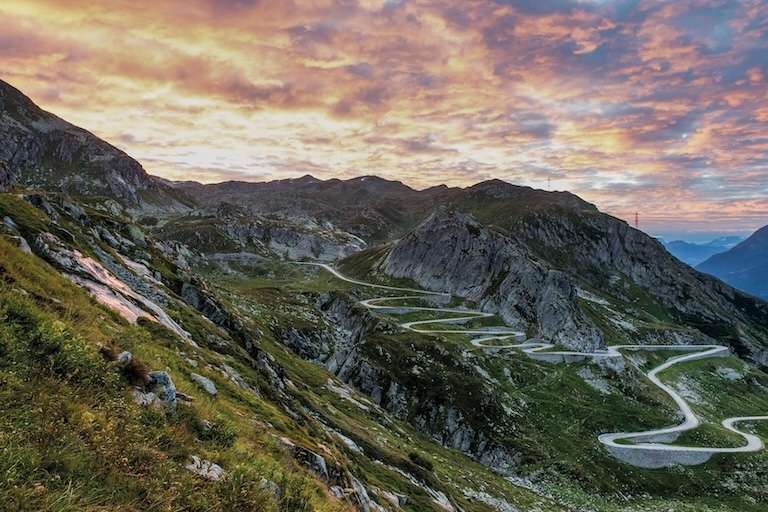
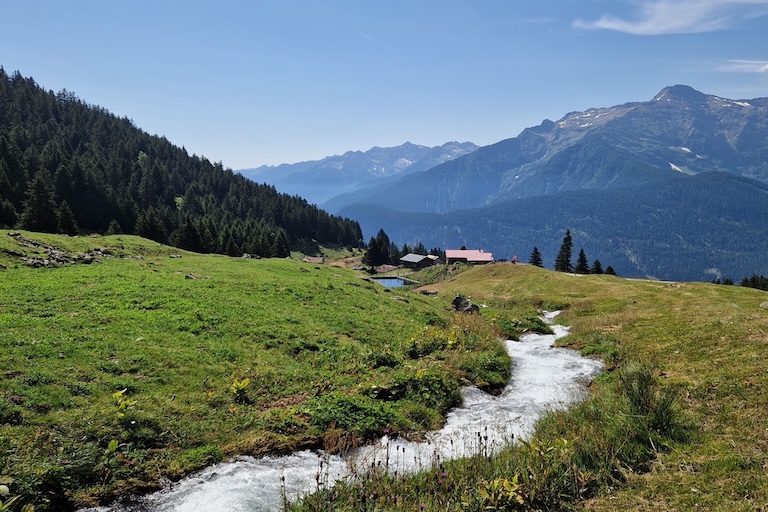
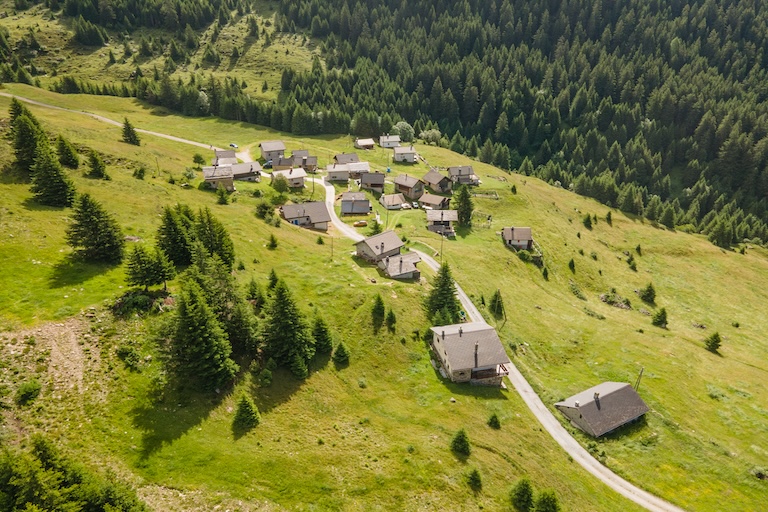
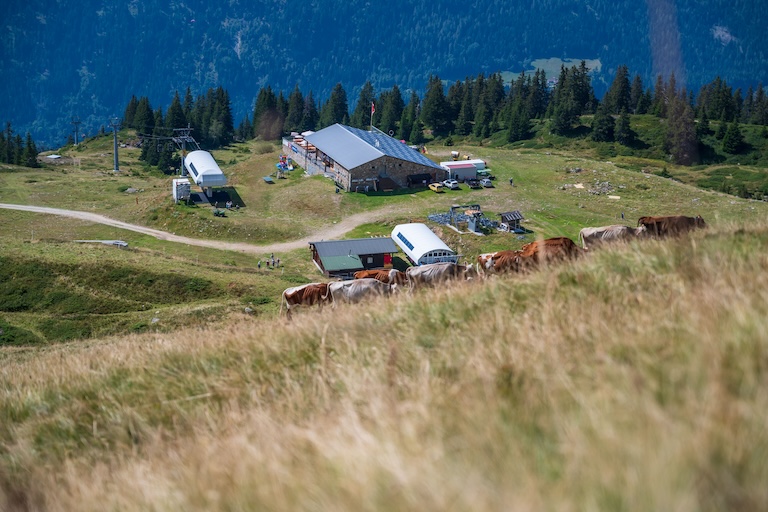
Carì is a mountain resort in the Canton of Ticino, located within the municipality of Faido in the upper Leventina Valley. It lies on a wide alpine terrace at over 1,600 metres above sea level, in a sunny and panoramic position overlooking the valley below. Historically linked to alpine pasturing and high-altitude rural life, Carì developed during the 20th century as a tourist destination, particularly for winter sports. Today it is also popular in the summer months, thanks to its unspoilt natural environment and a network of trails crossing alpine meadows and mountain slopes.
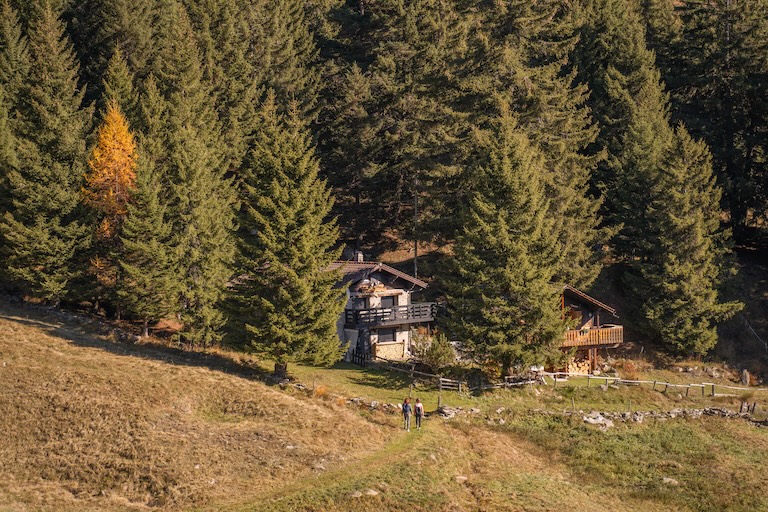
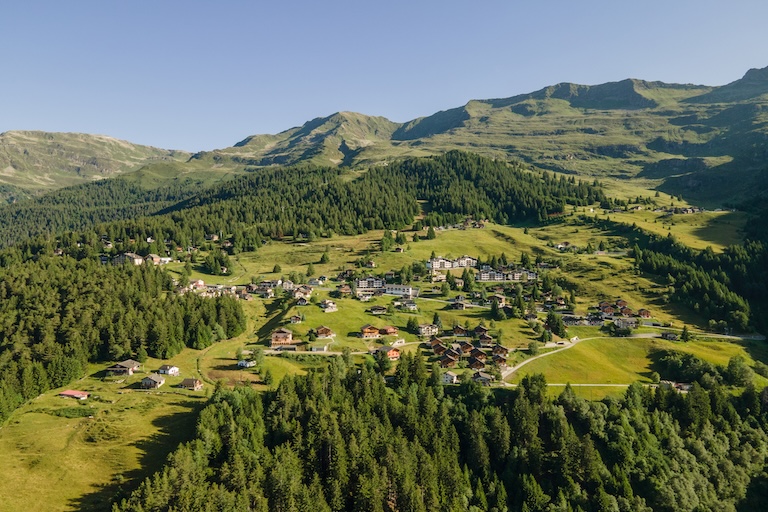
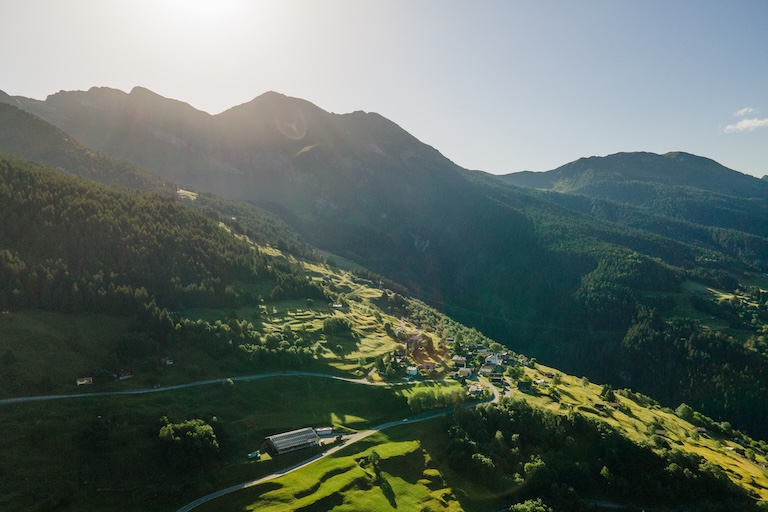
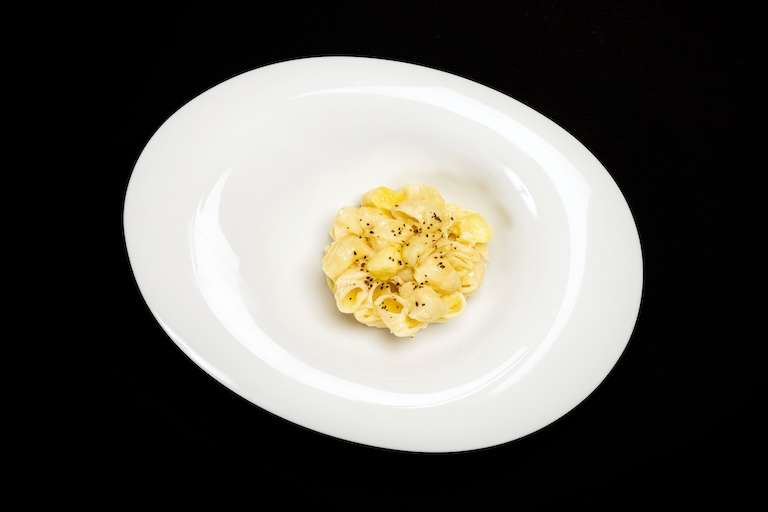
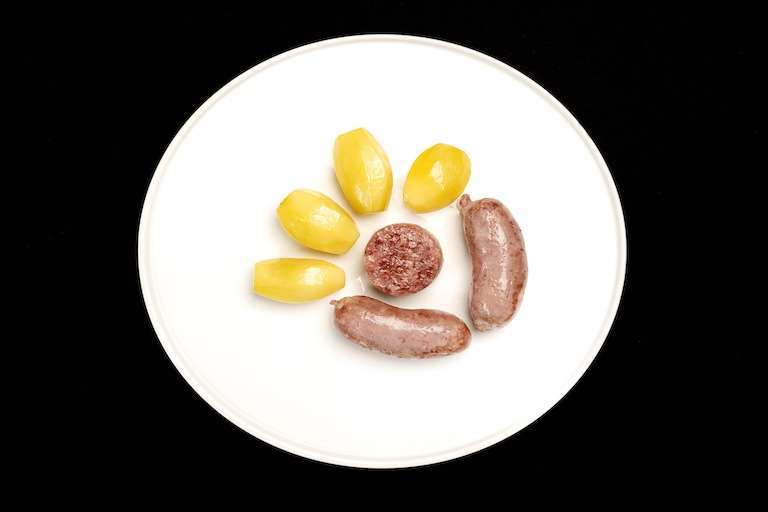
Carì and the Leventina valley serve up a pure taste of the Alps: simple, hearty, and deeply tied to mountain life. Rustic favorites like potatoes with luganighe sausages and steaming plates of polenta – often paired with alpine cheeses, wild mushrooms, or slow-cooked meats like braised beef and ossobuco – define the local table. Traditional dishes such as pasta e pom still echo through seasonal food festivals, keeping culinary heritage alive. The real stars, though, are the alpine cheeses, shaped by high-altitude pastures and rich mountain flora. On the sweeter side, expect treats like pastefrolle and spampezia, a rich, comforting dessert made with nuts, honey, and butter, perfect after a day outdoors.
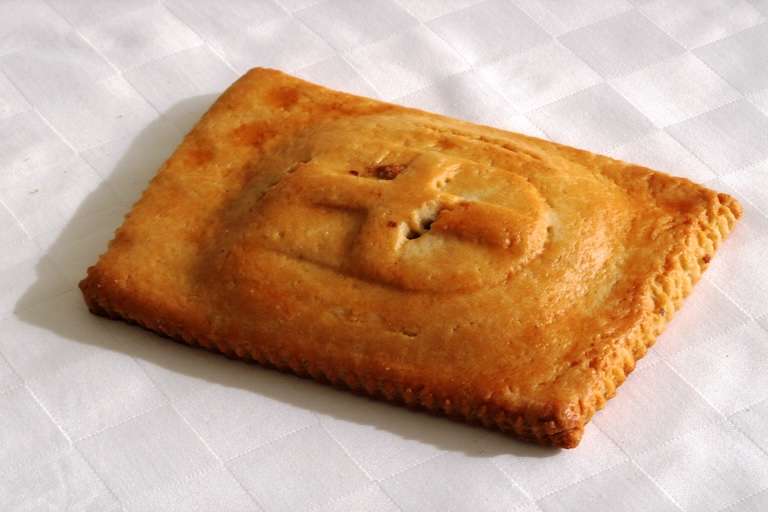

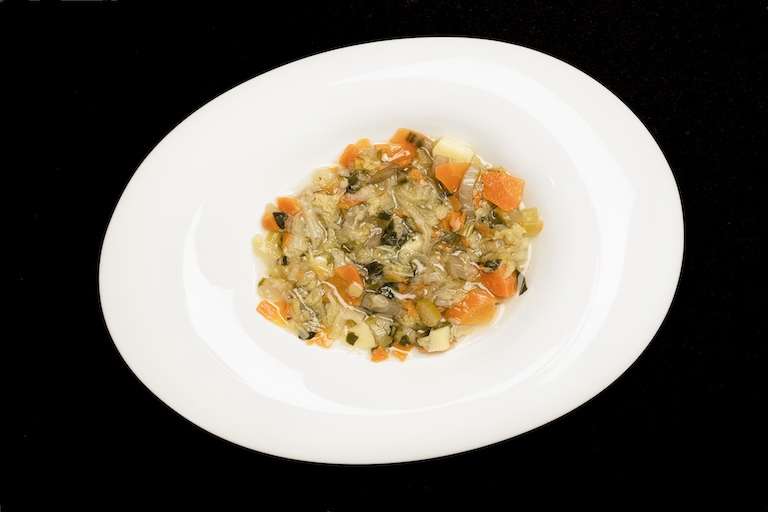
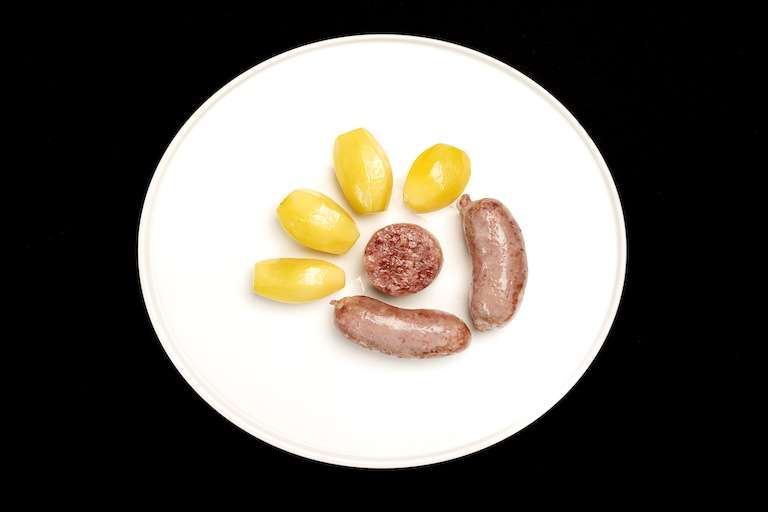
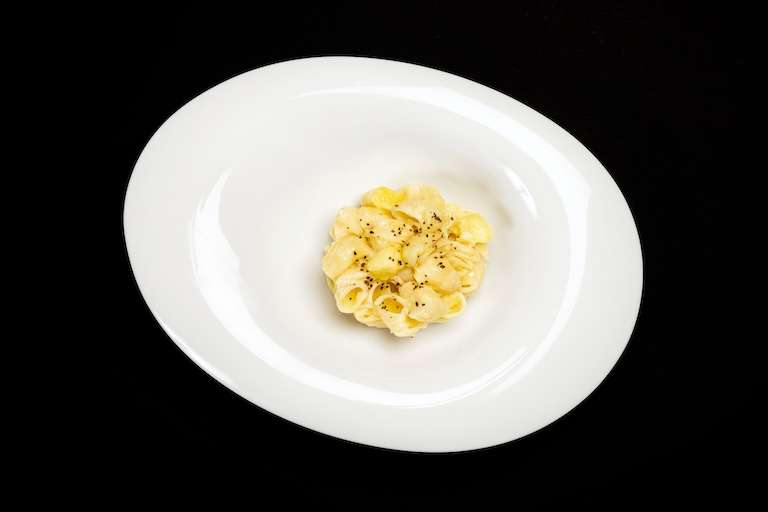

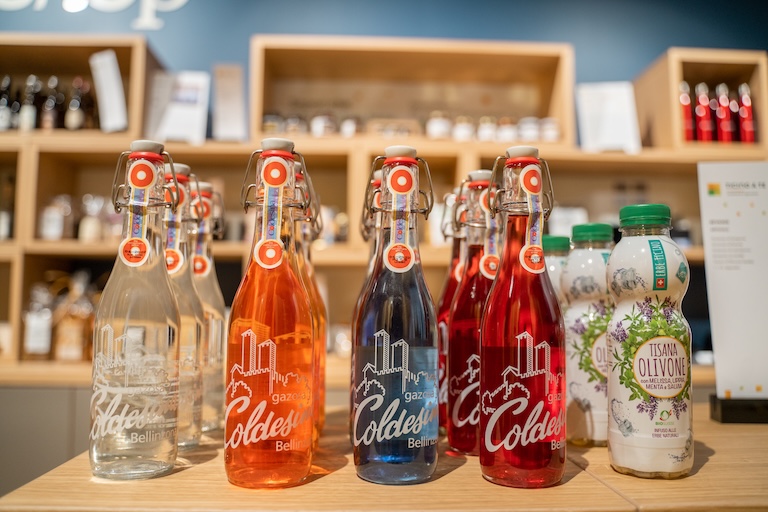
Ticino’s unique position between the Alps and the Mediterranean gives its wines a distinctive edge. Merlot reigns supreme here, smooth and expressive, alongside Bondola, a more traditional and rustic local variety. The region also pours character into its spirits: Ticinese grappa packs bold aromatic intensity, while nocino, made from green walnuts, delivers deep, spiced notes. For something lighter, there’s gazzosa, a sweet, gently sparkling drink that’s become a signature of Italian-speaking Switzerland – refreshing, nostalgic, and unmistakably local.
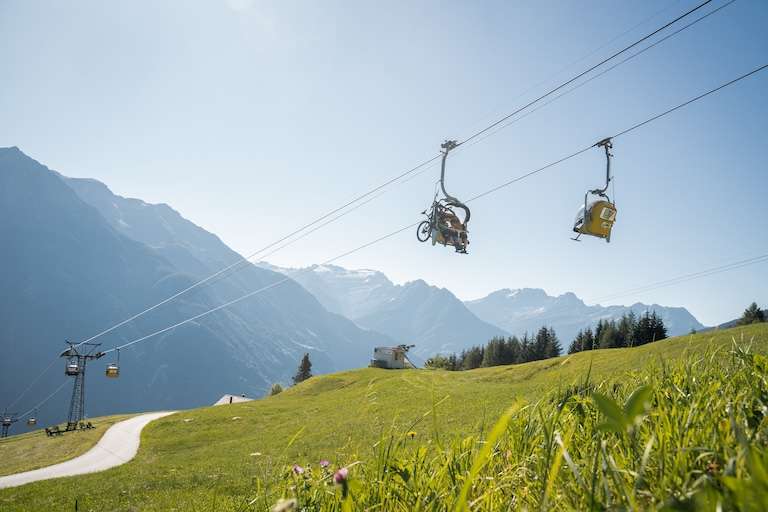
Set in the heart of the Leventina valley, Carì is an alpine playground where nature, sport, and culture come together in spectacular fashion. Cable cars whisk you up to Brusada in summer, opening the door to panoramic hikes, while winter transforms the area into a versatile ski destination with slopes for all levels, plus snowshoeing and sledding routes.
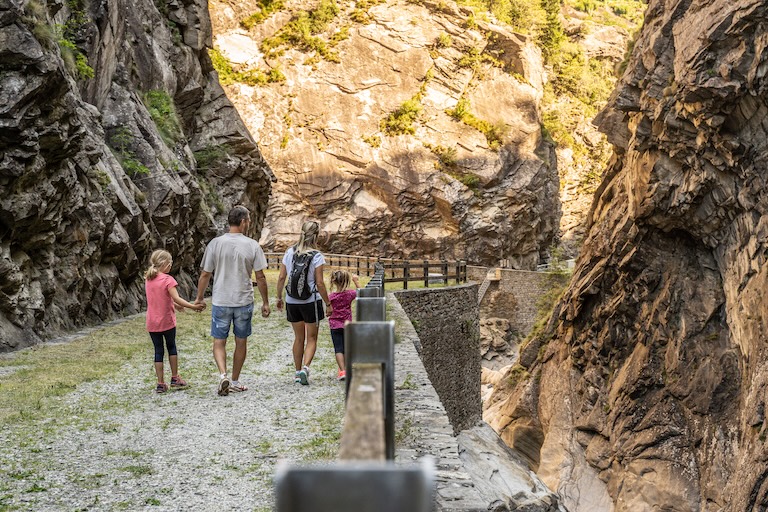
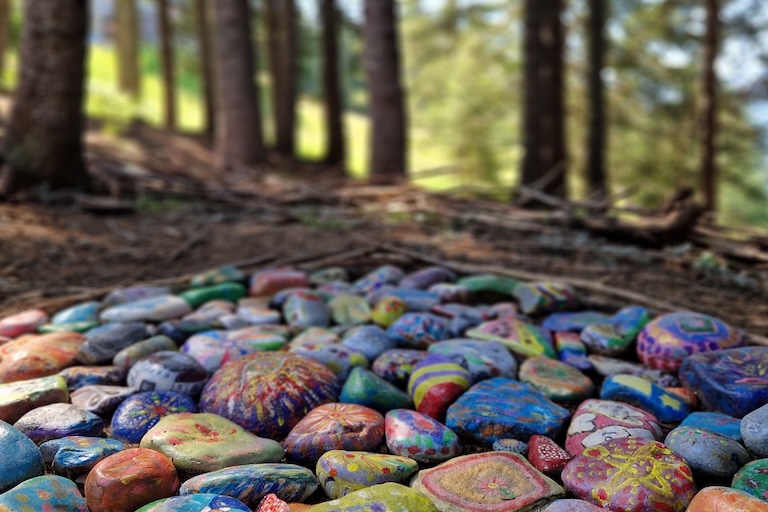
For a deeper connection with the landscape, the Carì Experience trail winds through forests with interactive and sensory stations that bring the mountain environment to life. Nearby, natural wonders steal the show: the Piumogna Waterfall, one of Ticino’s most striking cascades, and the dramatic Piottino Gorge, carved by the Ticino River along the historic Gotthard route.
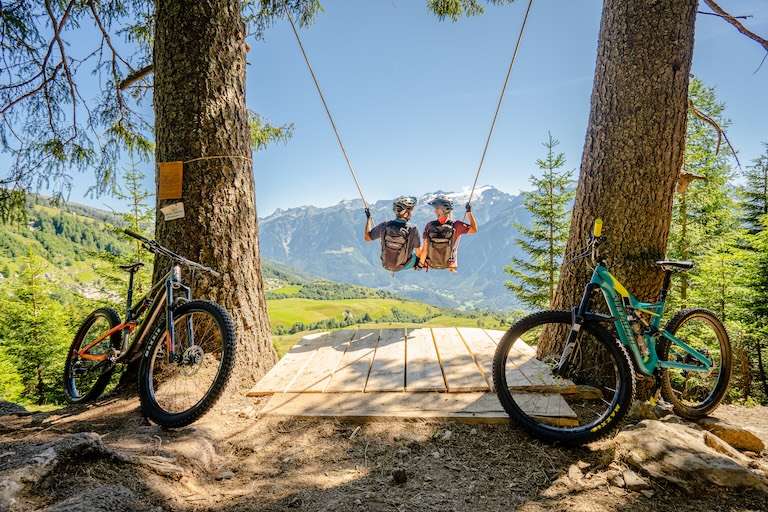
Alpine gems like the Chiera Lakes, set beneath Pizzo Pettine, and long-distance trails such as the Strada Alta della Leventina reveal vast mountain scenery dotted with traditional villages. Culture finds its place too, with the Sobrio Music Village, a hub for festivals and artistic programs. And for a unique, Instagram-worthy moment, the panoramic “Swing the World” installation lets you soar above the landscape – an unforgettable way to enjoy the Alps.
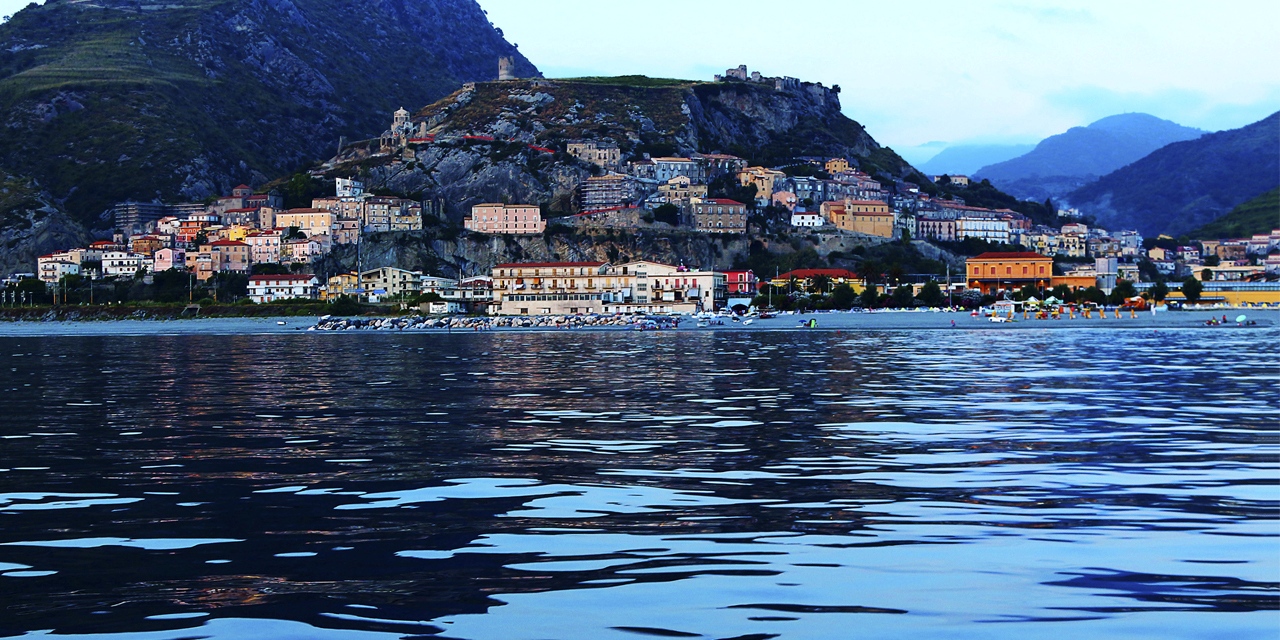
Amantea - Cosenza
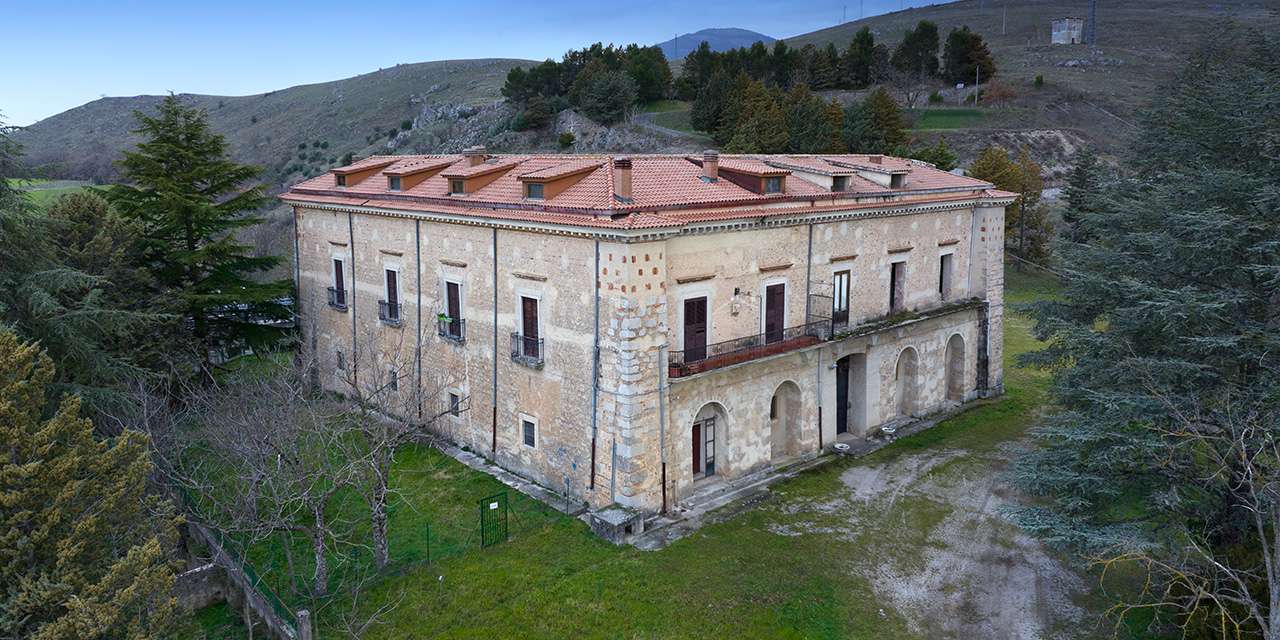
Villa d'Agri di Marsicovetere - Potenza
Pompei - Napoli
Roccaraso - Blockhaus
Grottammare - Fermo
Sasso Marconi - Corno alle Scale
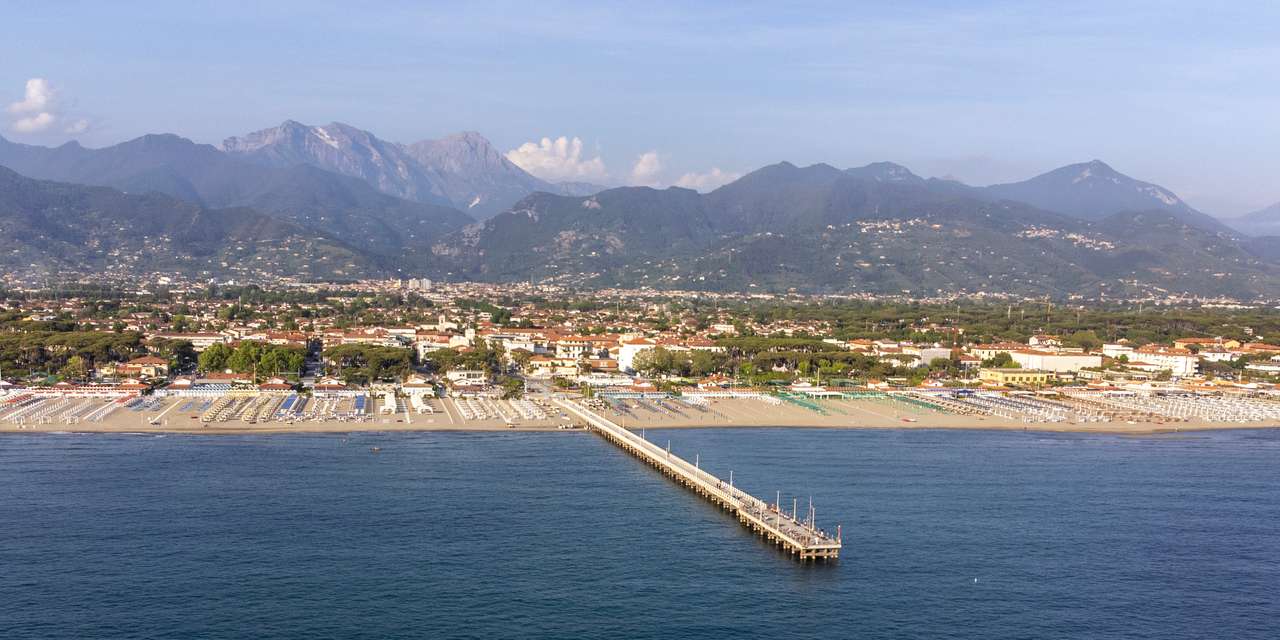
Forte dei Marmi - Massa
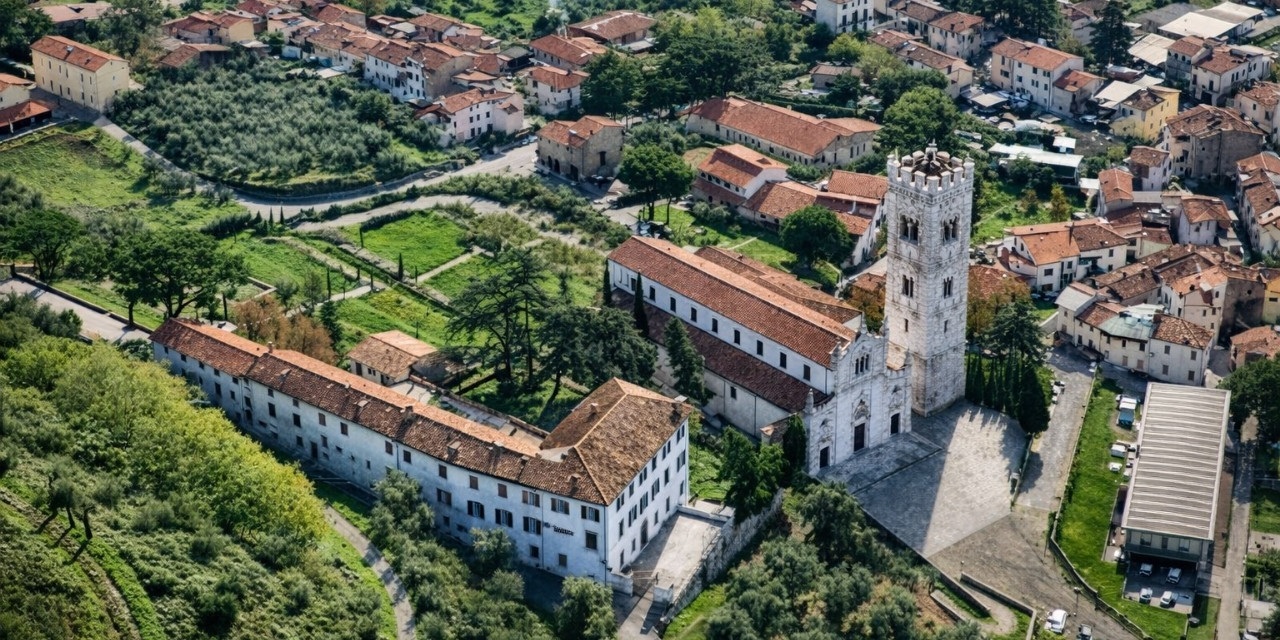
La Spezia - Chiavari
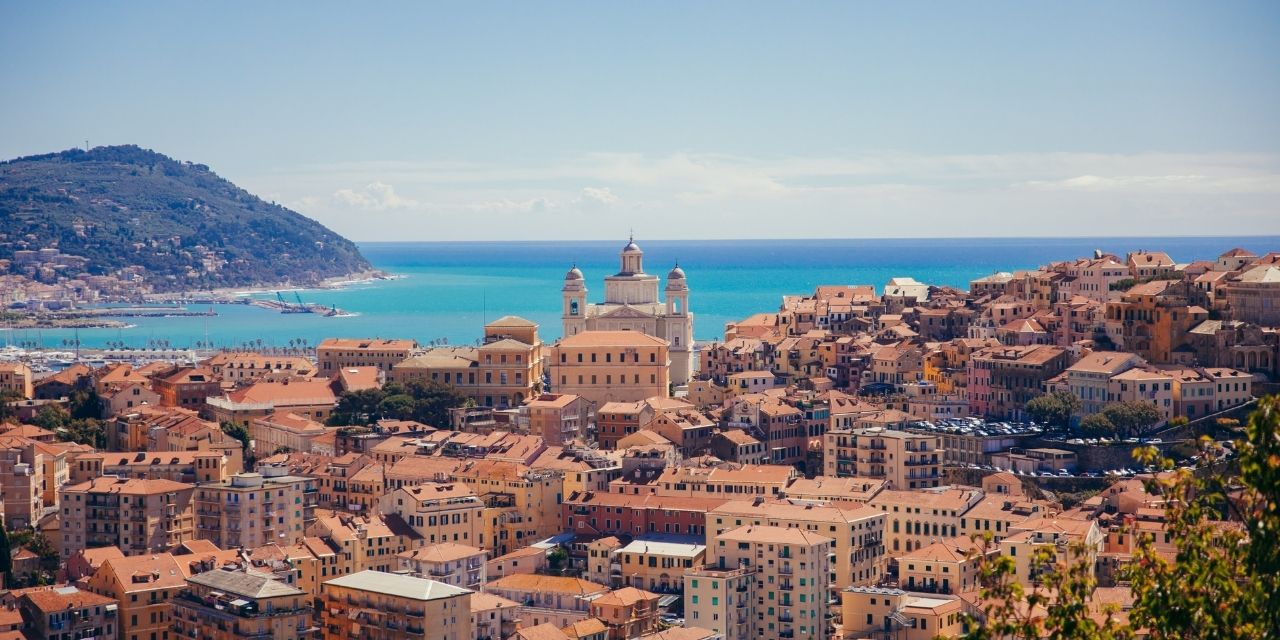
Savona - Novi Ligure
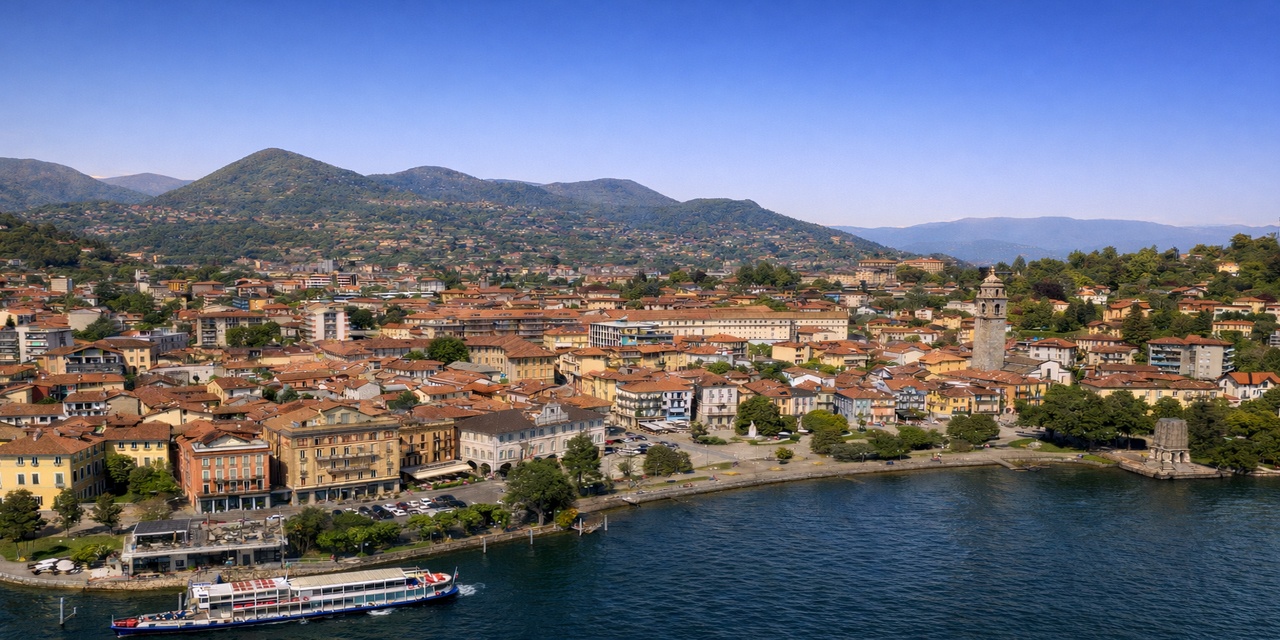
Angera - Verbania
Aymavilles - Pila
Assago - Milano
Biasca (CH) - Carì (CH)
Tione di Trento - Andalo
Valdobbiadene - Pieve di Soligo
Agordo - Alleghe (Piani di Pezzè)
San Daniele del Friuli - Piancavallo
Roma - Roma