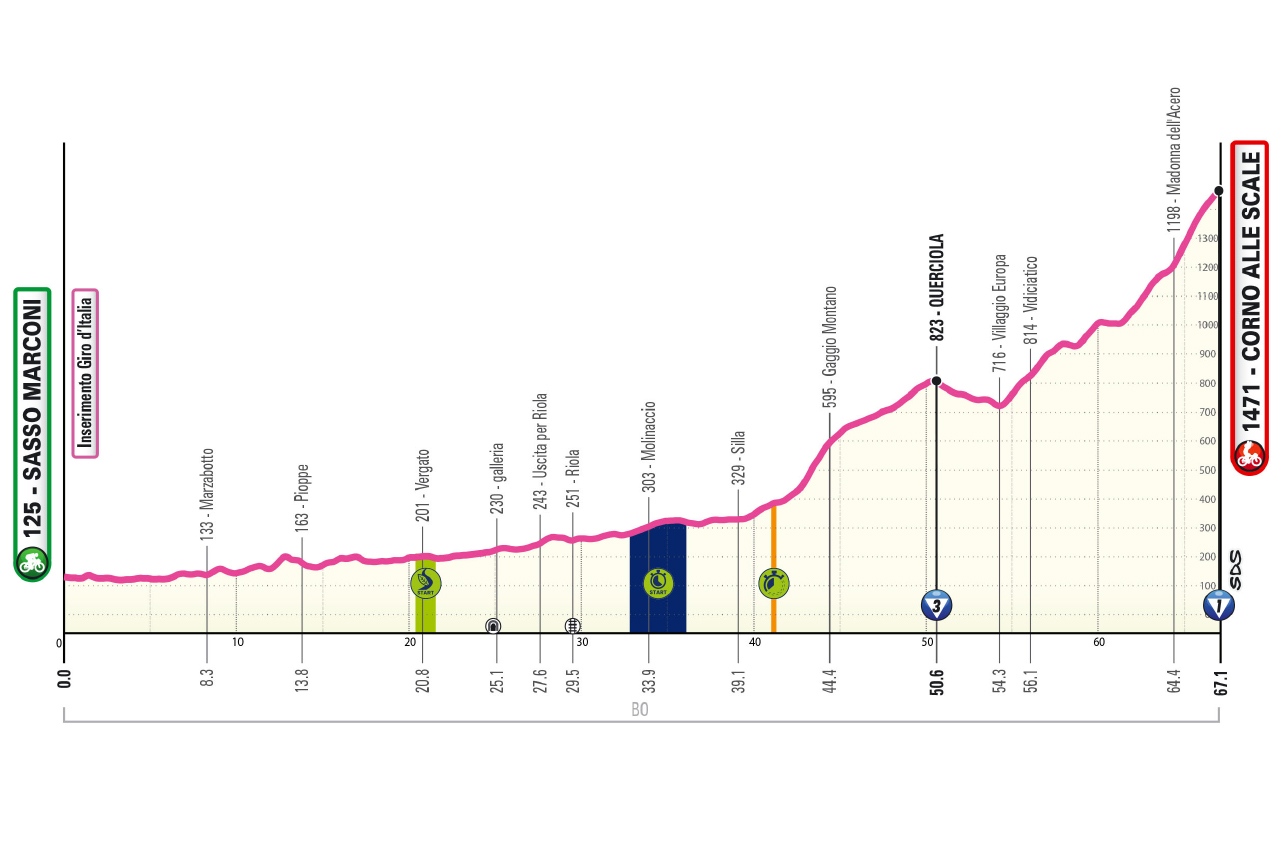
altimetria
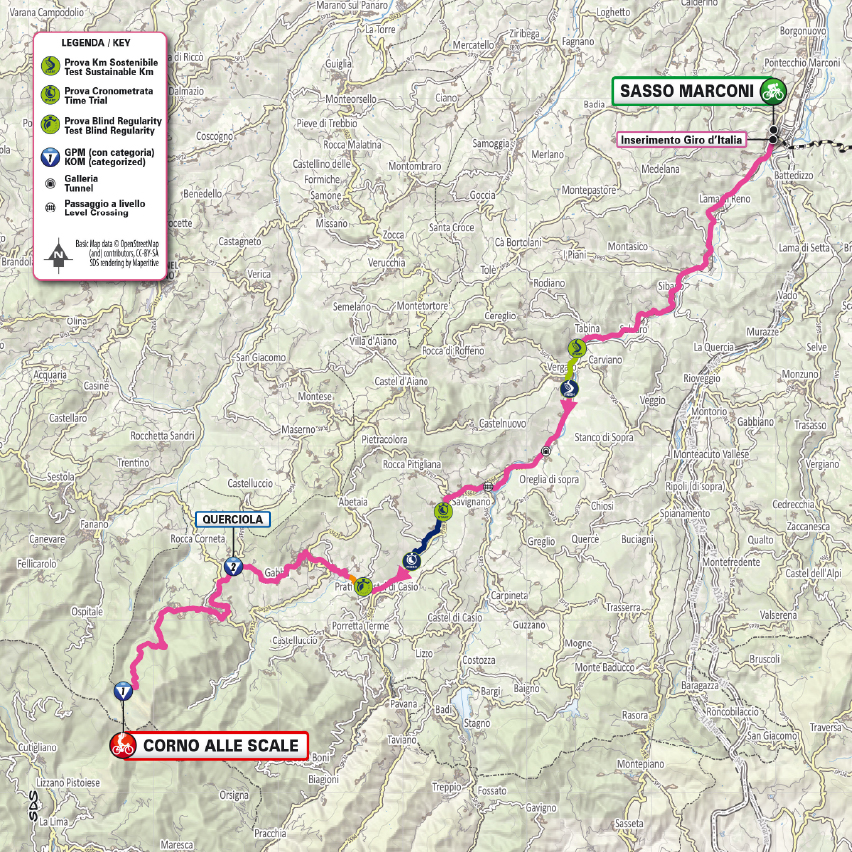
planimetria
crono tabella
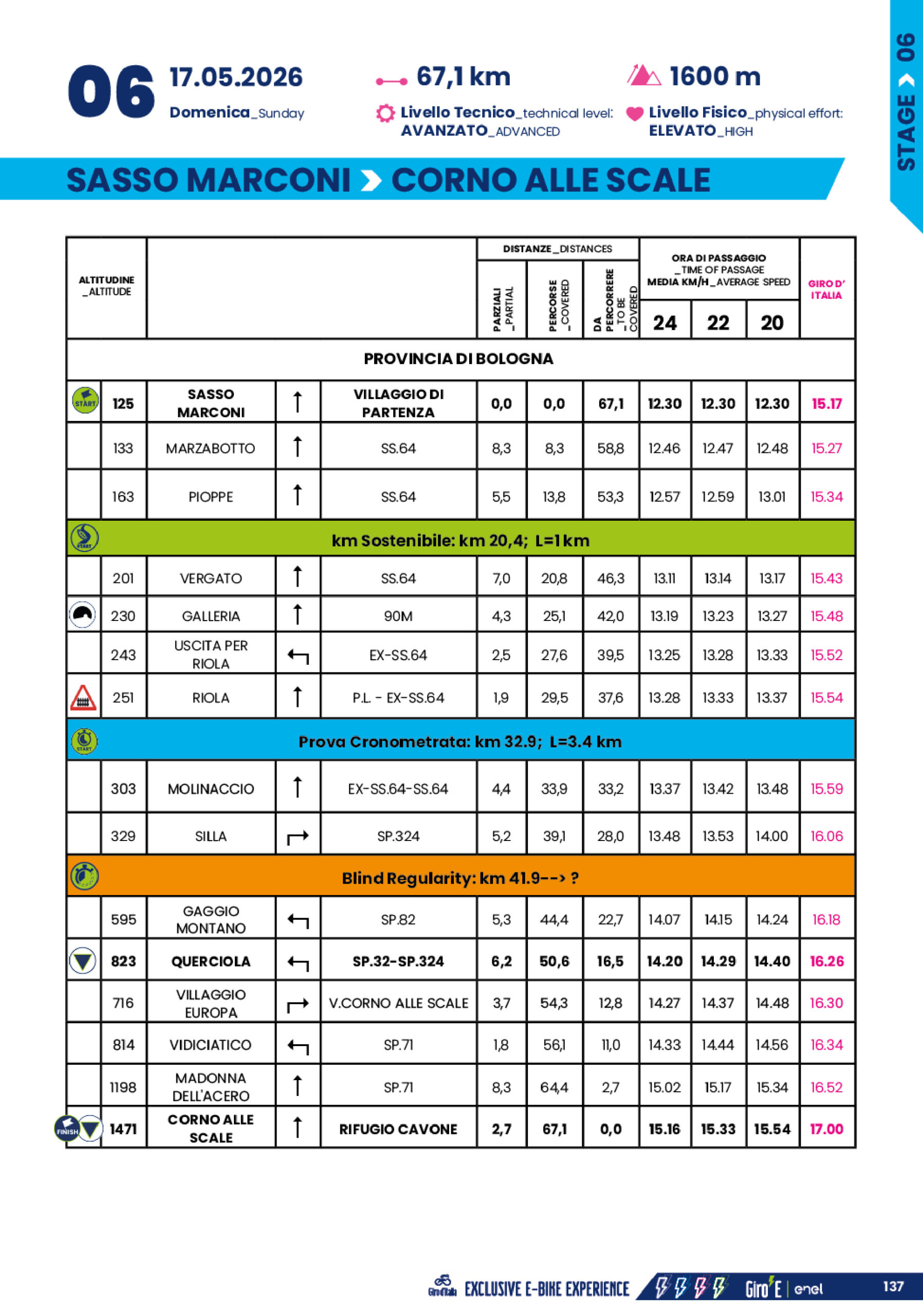

Domenica 17
Maggio 2026
67,1 km
Dislivello 1600 mt
Livello Tecnico: Avanzato
Impegno Fisico: Elevato
 Partenza tra
Città di:
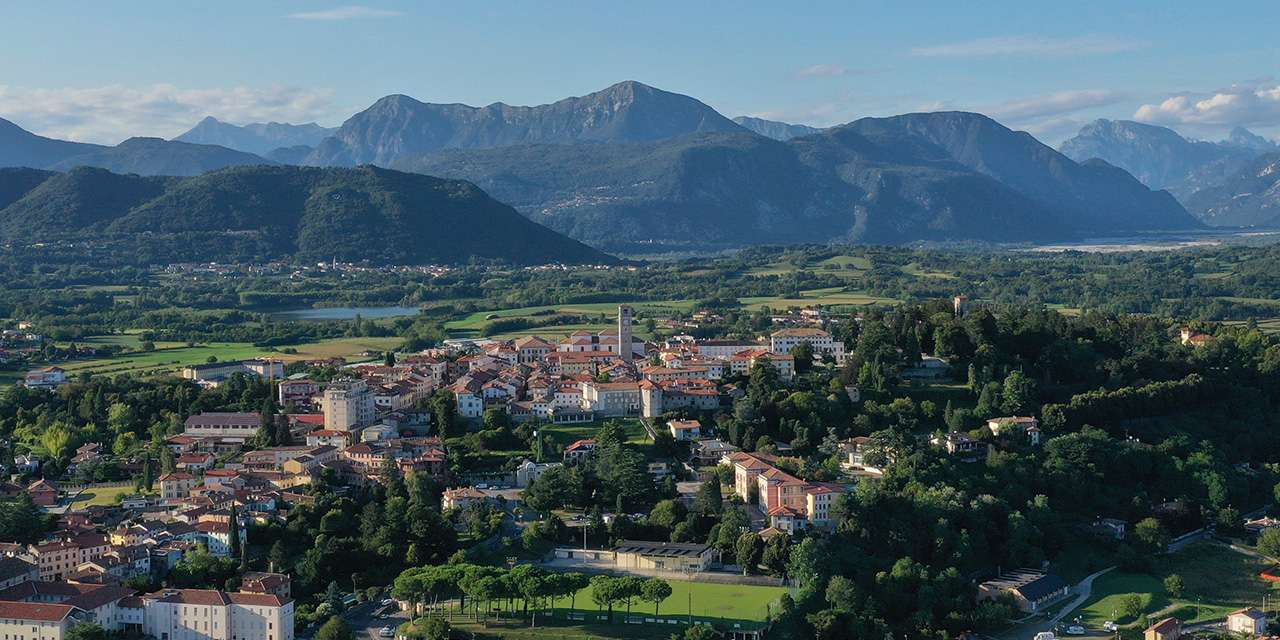
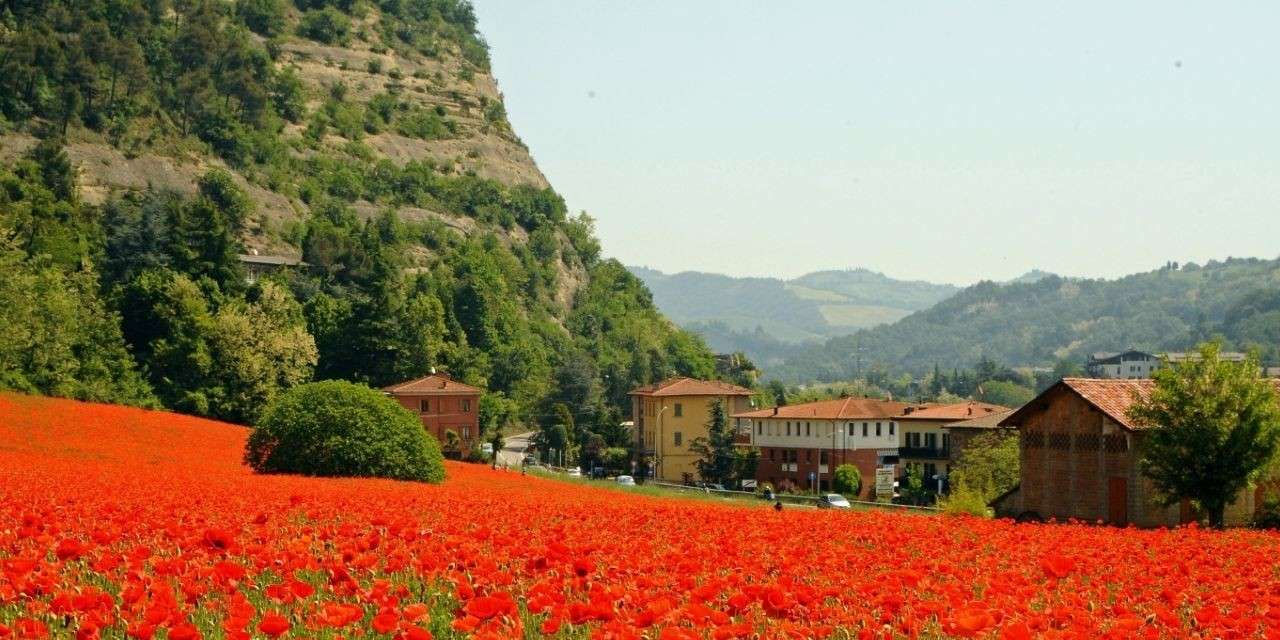
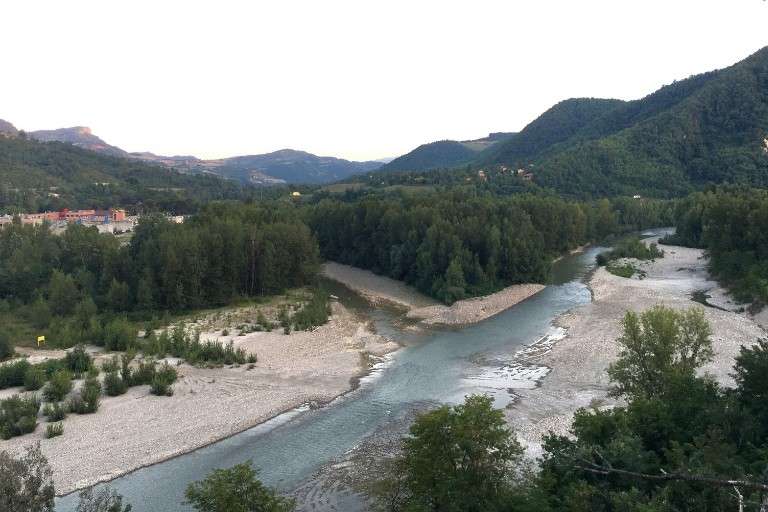
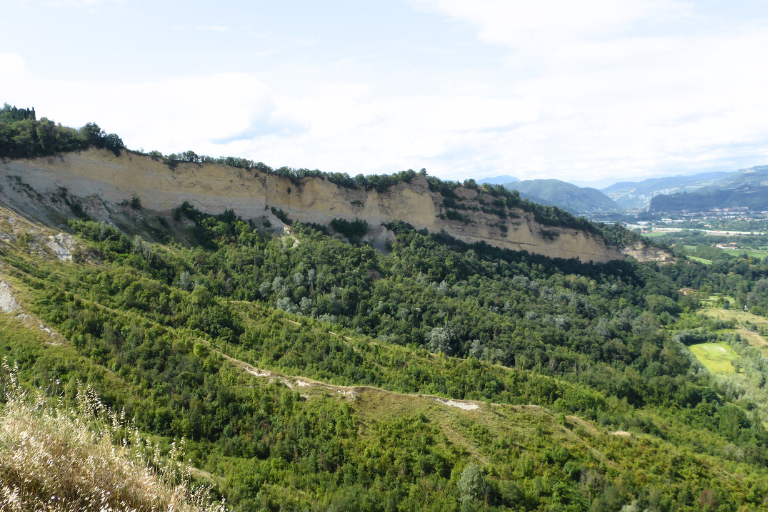
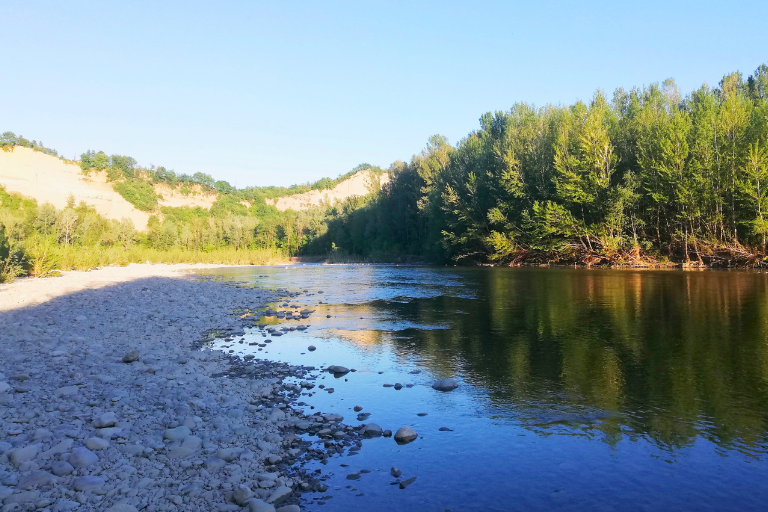
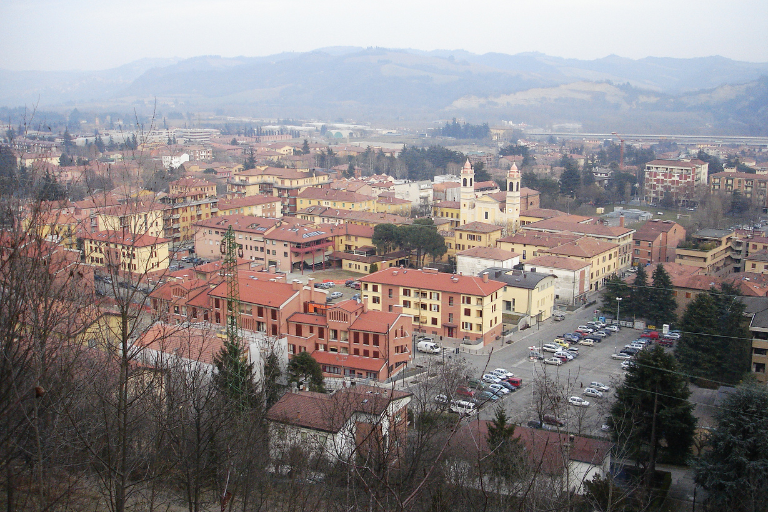
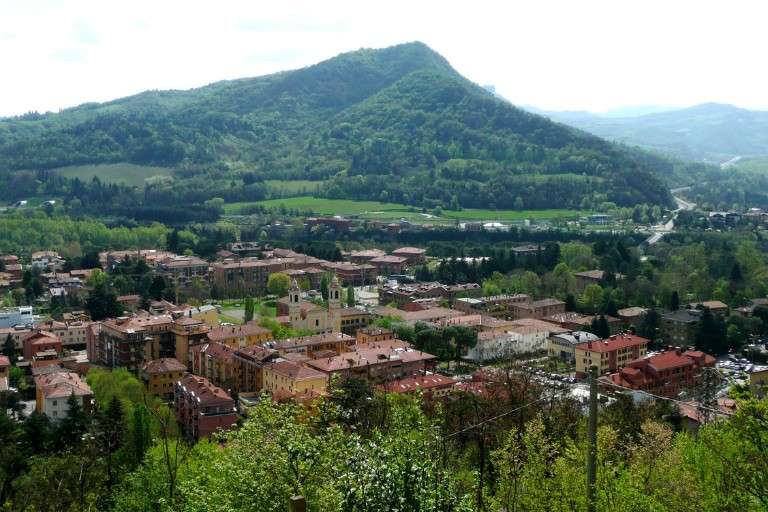
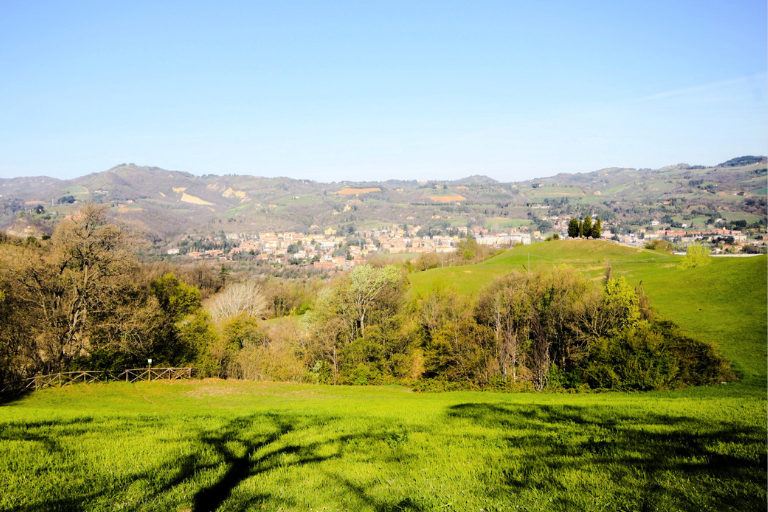
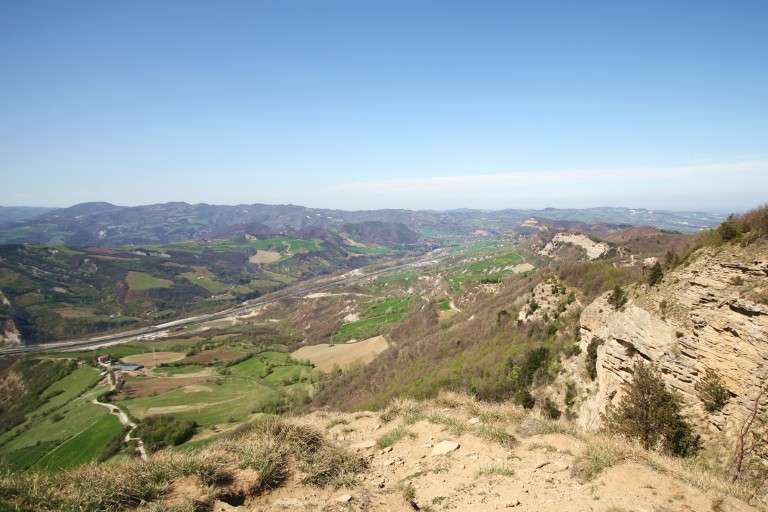
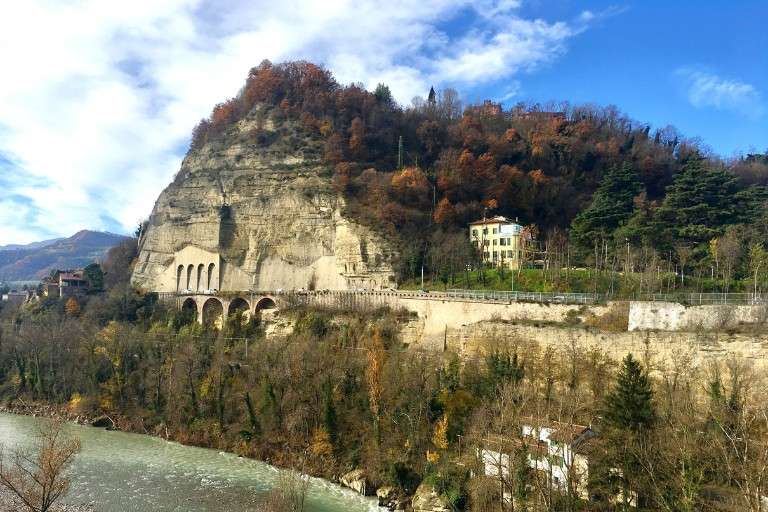
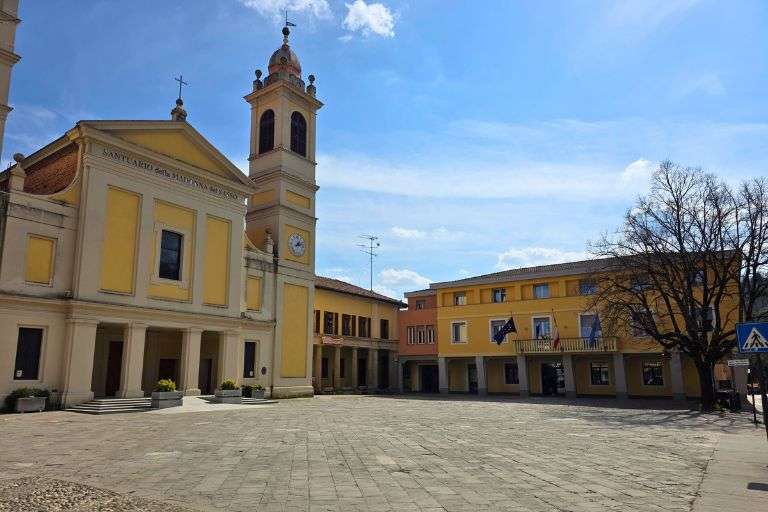
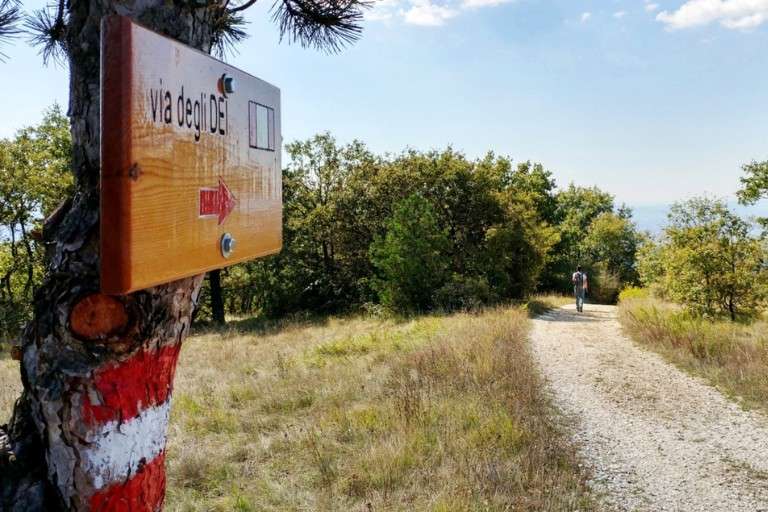
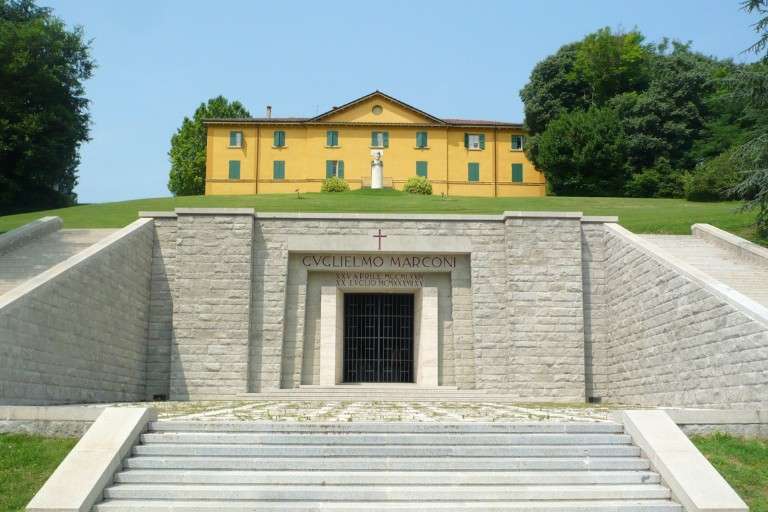
Located in a valley carved out by the waters of the Reno and Setta rivers, less than 20 km from Bologna, Sasso Marconi takes its name from the Sasso di Glosina — the medieval place name of the Rupe (the natural monument that symbolises the town) — and from Guglielmo Marconi, the scientist who invented wireless communication and carried out his first wireless telegraphy experiments here. The area is rich in historical findings from the past (Etruscan and Roman finds, parish churches, noble residences and rural buildings of historical interest), while the Gothic Line trails and the many memorial sites, included in historical itineraries and nature routes, commemorate the events of the Second World War and the Liberation War. On the hills surrounding the town, paths, panoramic routes and nature reserves wind their way through the landscape, offering opportunities to relax outdoors and enjoy horse riding, free climbing, orienteering, trekking and mountain biking. Sasso Marconi is also a stopping point along great long-distance routes such as the ancient Via degli Dei – the path linking Bologna and Florence, now a popular destination for hikers from all over Italy and abroad – and the Via della Lana e della Seta, the route connecting Bologna and Prato.
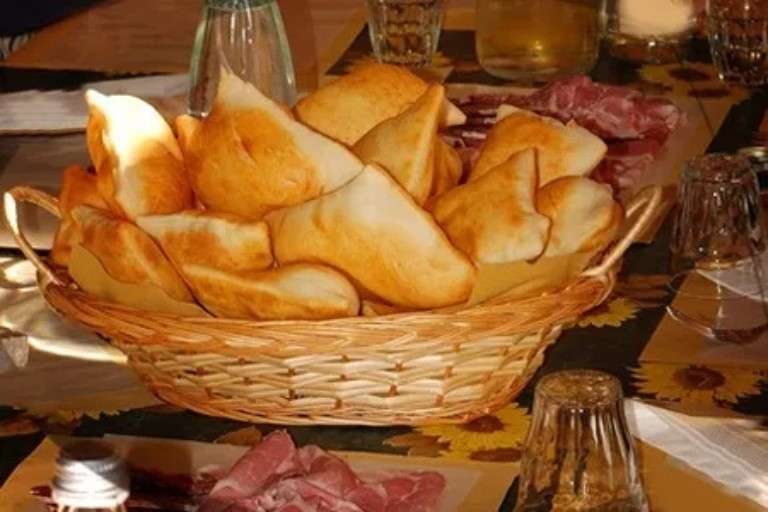
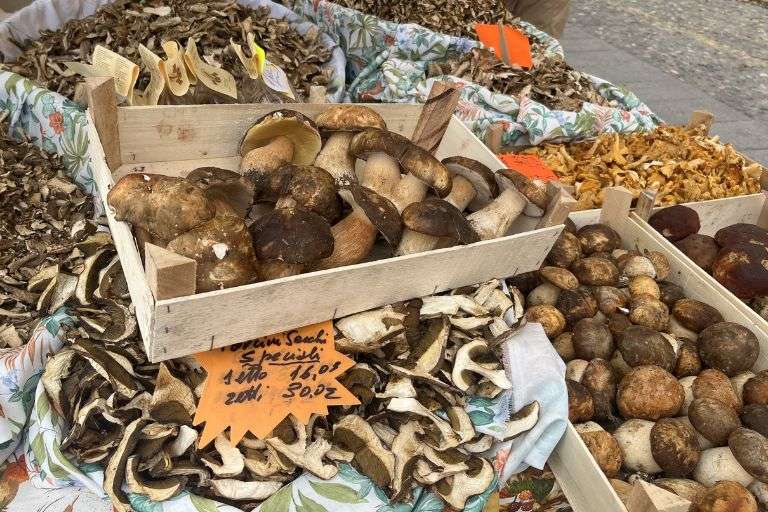
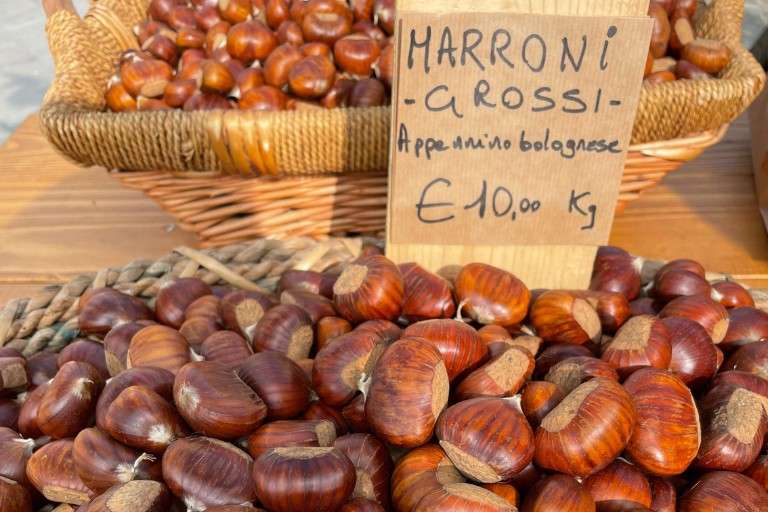
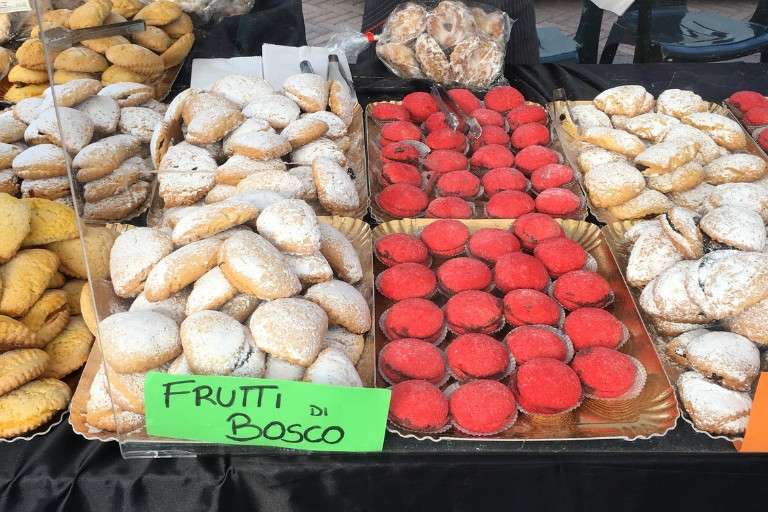
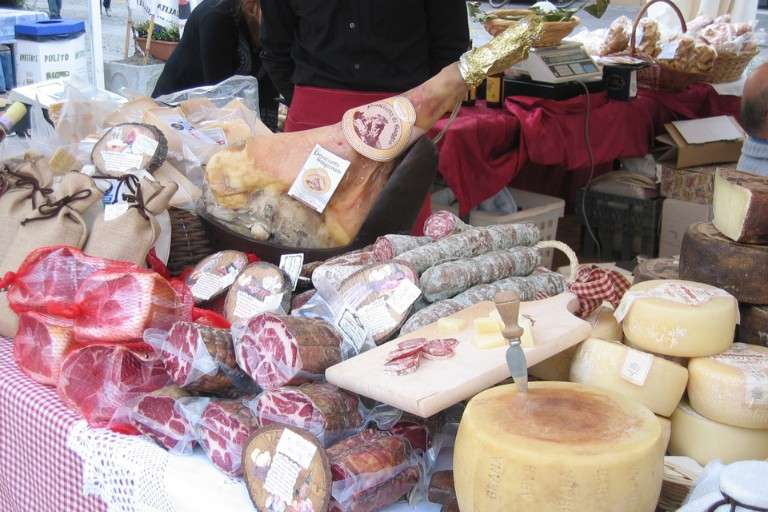
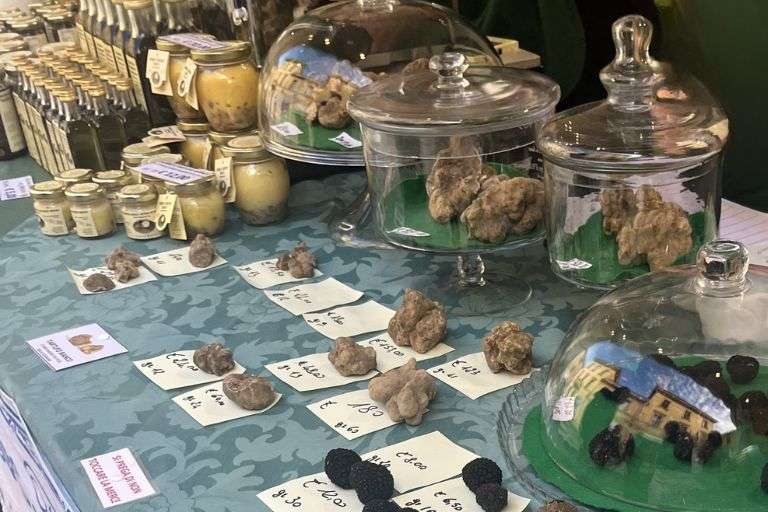
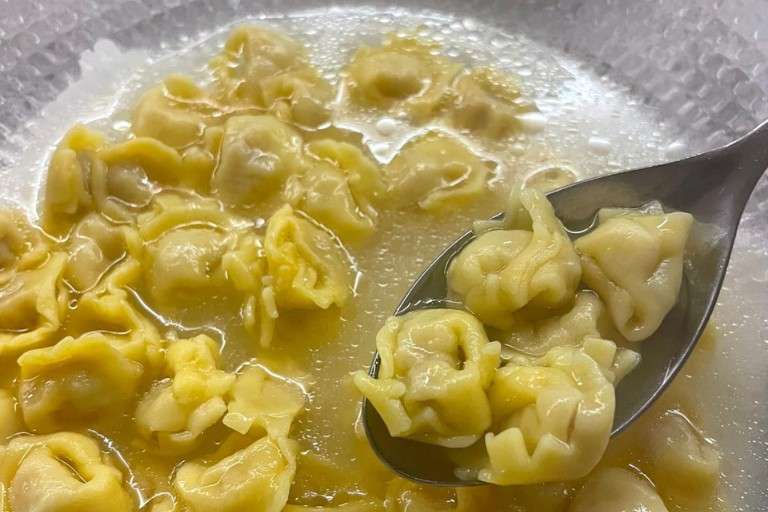
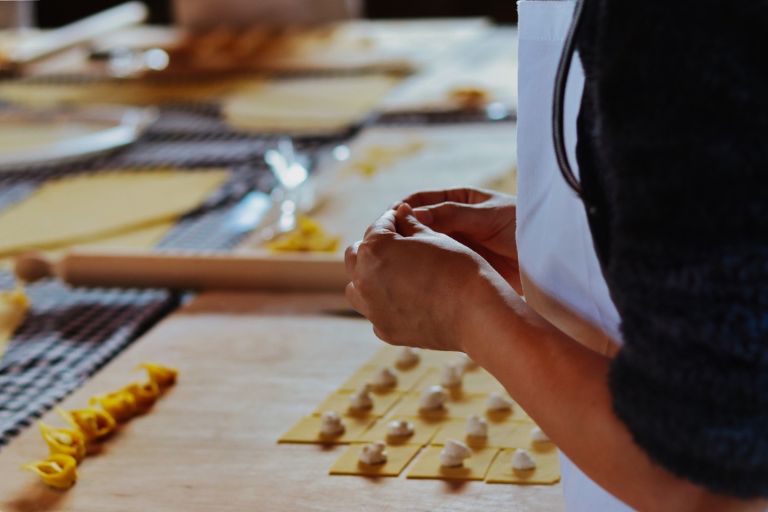
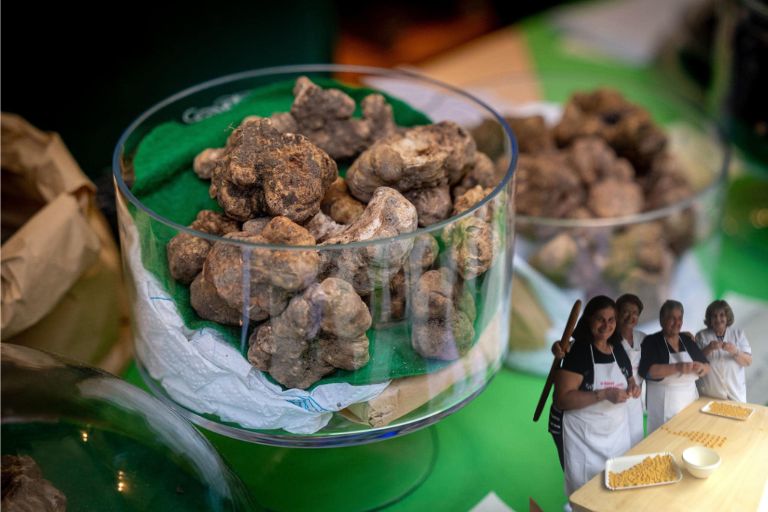
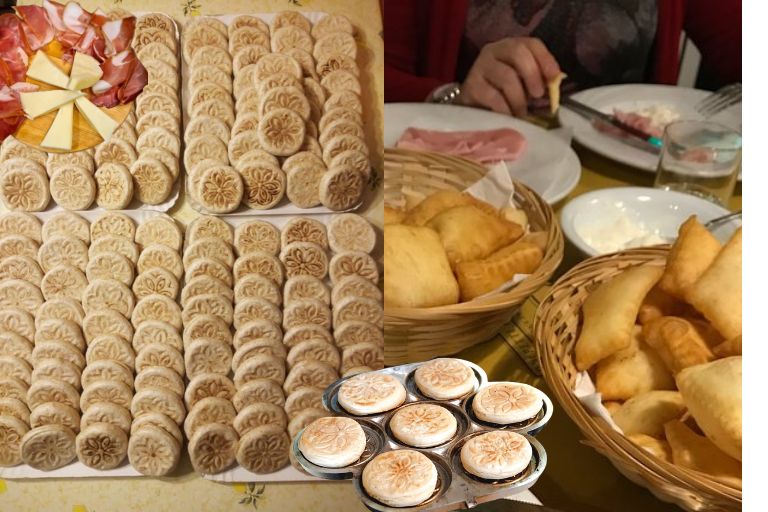
Sasso Marconi gastronomic tradition is the result of a combination of Bolognese cuisine, with specialities such as fresh pasta (tortellini, tortelloni, tagliatelle, lasagne), crescentine (fried dough puffs), tigelle, friggione (tomato and onion stew), Torta di riso (rice pudding) and Raviole (crescent-shaped stuffed sweet biscuits)— and the flavours of the Apennines: cured meats, honey, mushrooms, chestnuts and above all truffles, the star of the Tartufesta, a food event that every year draws visitors to Sasso Marconi from across the region.
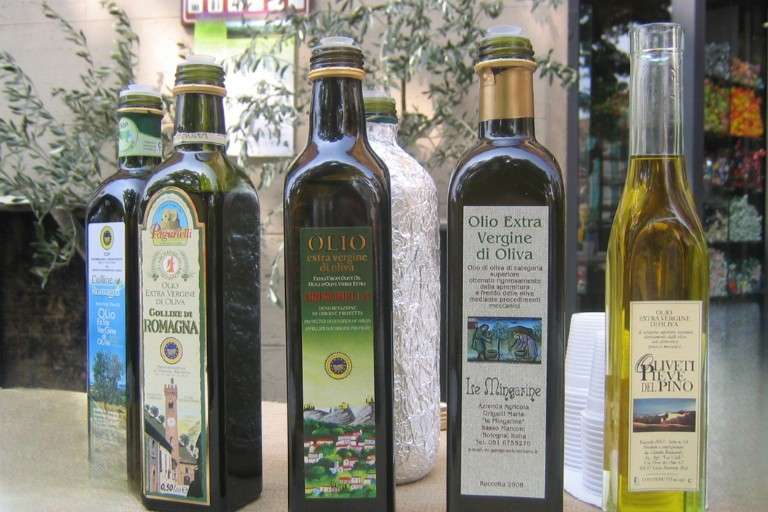
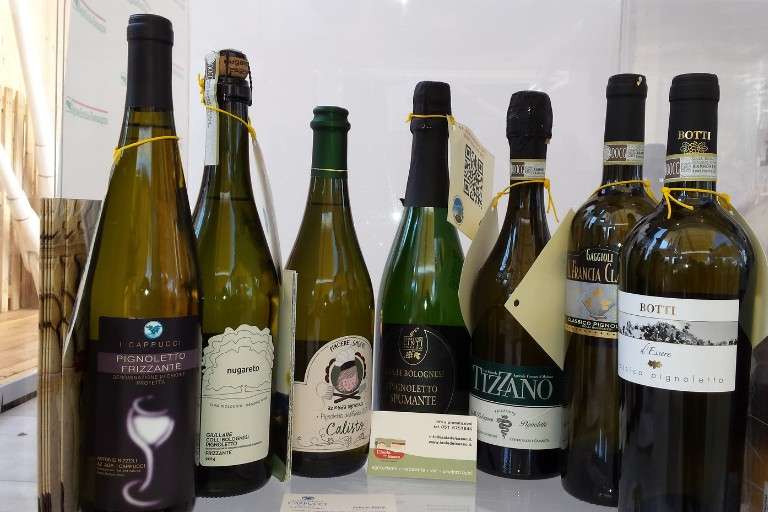
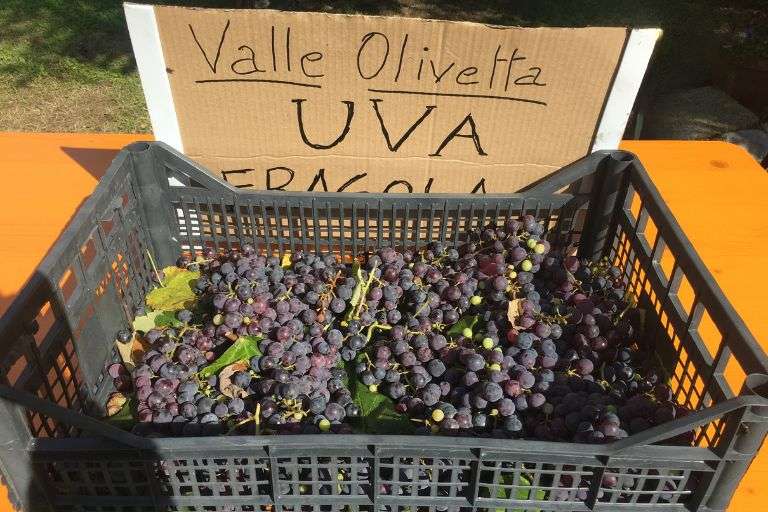
Among the typical products of the Sasso hills are also olive oil, thanks to the revival of olive cultivation after more than two centuries of interruption, and wine: Sasso Marconi is part of the national “Città del Vino” (Wine Towns) network, and local wineries produce some of the finest DOC wines of the Colli Bolognesi Consortium: reds such as Merlot, Cabernet and Barbera, and Pignoletto, a white wine available both still and sparkling.
MARCONI MUSEUM
Located at Villa Griffone, it was the historic residence of the Marconi family, where the young Guglielmo carried out his first wireless communication experiments. His finding proved to be decisive for the development of radio telegraphy. With a layout that combines historic equipment, working reproductions of the first wireless telegraphy devices, videos and interactive displays, the museum allows visitors to retrace the history of radio communications and the events that shaped the scientist’s education and life.
COLLE AMENO VILLAGE
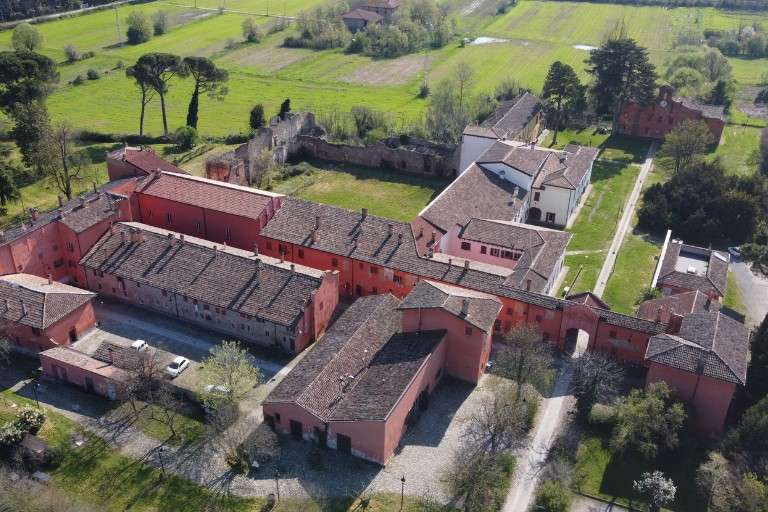
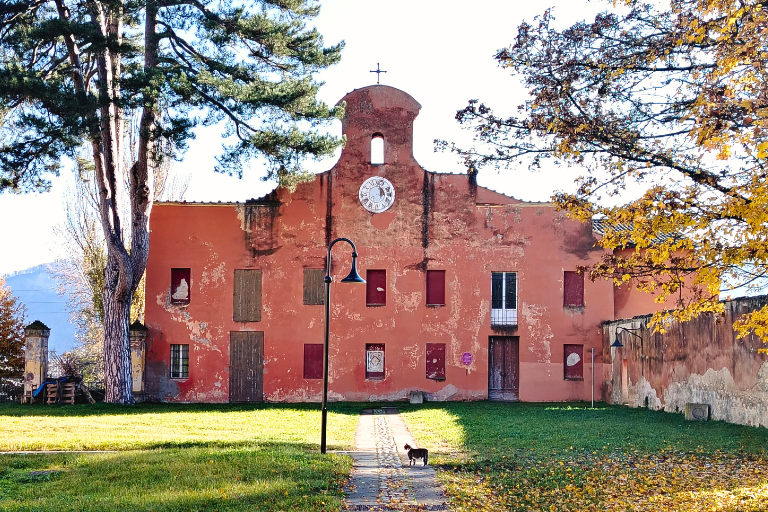
Built by the Enlightenment Marquis Filippo Carlo Ghisilieri, the Colle Ameno complex consists of the Villa Davia, a late Baroque-style parish church and a village with houses and artisan workshops. From the 18th century onwards it was the centre of various artistic activities, including a Faience and a printing workshop. During World War Two, Colle Ameno became a concentration camp held by German military police to sort civilian prisoners to different destinations. In memory of those dramatic events, a Memorial Hall has been created, preserving testimonies and documents on the history of Colle Ameno during the war years.
SAN GHERARDO wildlife sanctuary
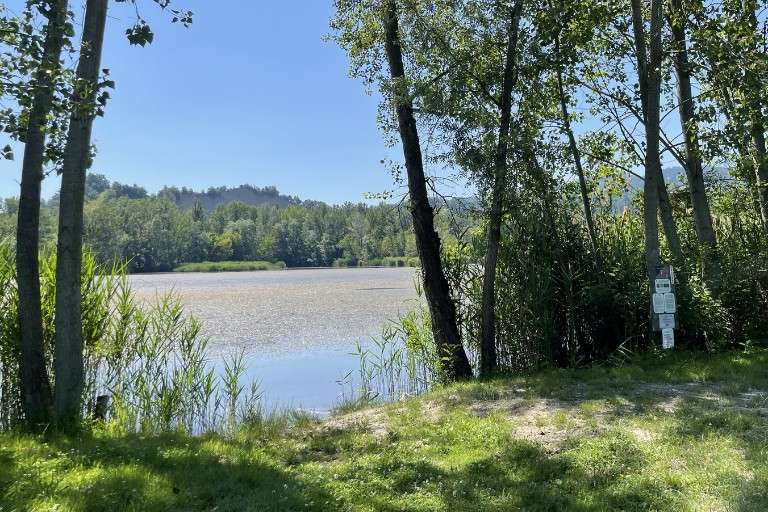
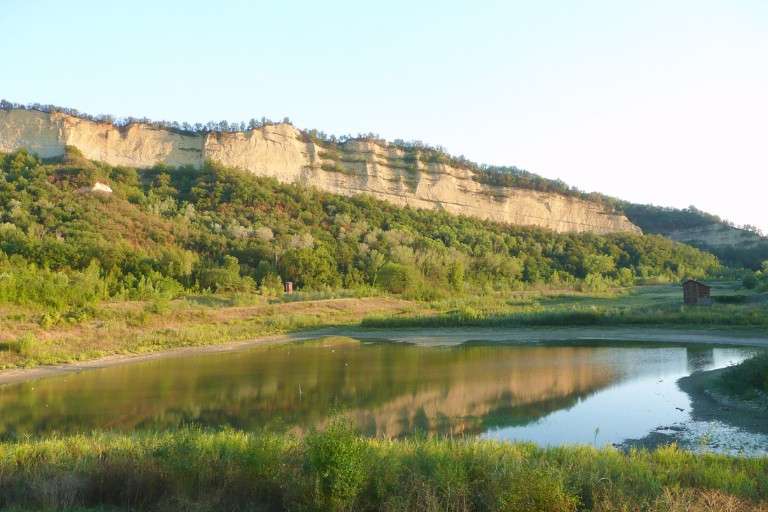
A natural wildlife sanctuary where visitors can enjoy birdwatching, nature walks and deepen their knowledge of the area’s geological (geosite spot) and morphological features. Located along the Via degli Dei route, the sanctuary is equipped with an Information Point open from April to October, a scientific documentation about the peregrine falcon nesting habits and education centre with exhibits and visitor services,a refreshment point with free drinking water, for groups on guided tours and hiker passing through the San Gherardo area.
PALAZZO DE’ ROSSI CASTLE
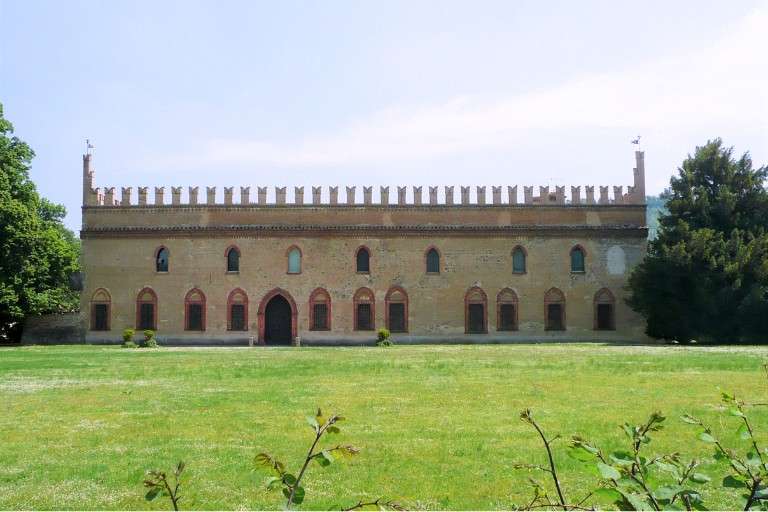
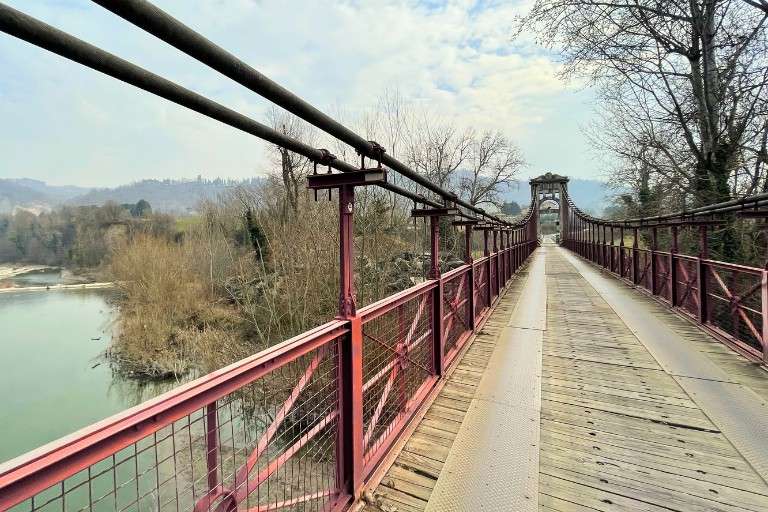
A prestigious 15th-century historic residence, located in Pontecchio, it is the main feature of a complex that includes a village, a noble residence, an Oratory and a charming Italian-style garden. Built in the late Bolognese Gothic style, over the centuries the palazzo hosted illustrious figures such as Giovanni II Bentivoglio, Torquato Tasso and popes Julius II, Leo X and Paul III. Not far from Palazzo de’ Rossi stands the Vizzano Bridge, famous for its distinctive appearance as a structure suspended over the Reno river, in a style reminiscent of the celebrated Brooklyn Bridge.
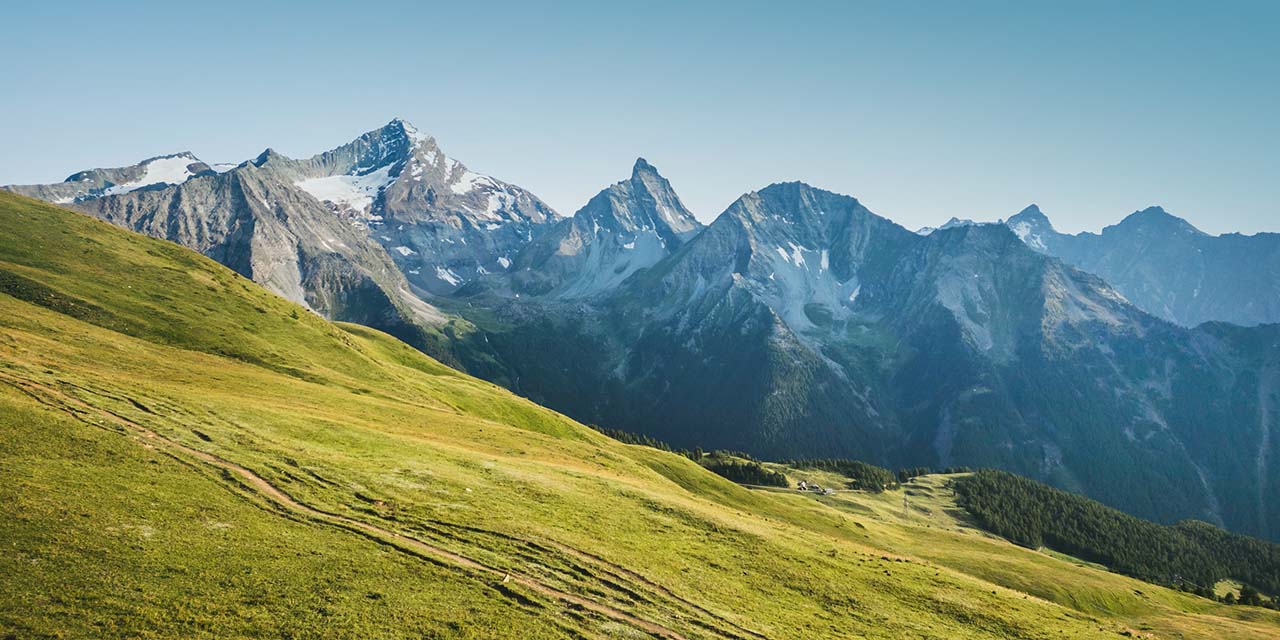
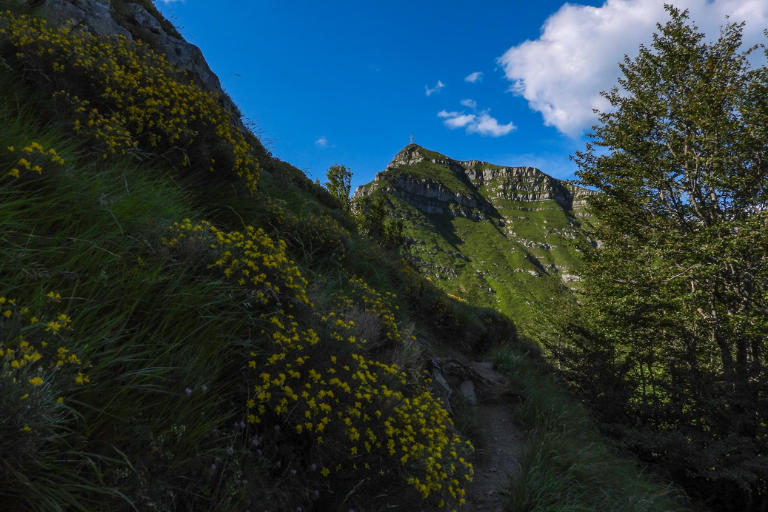
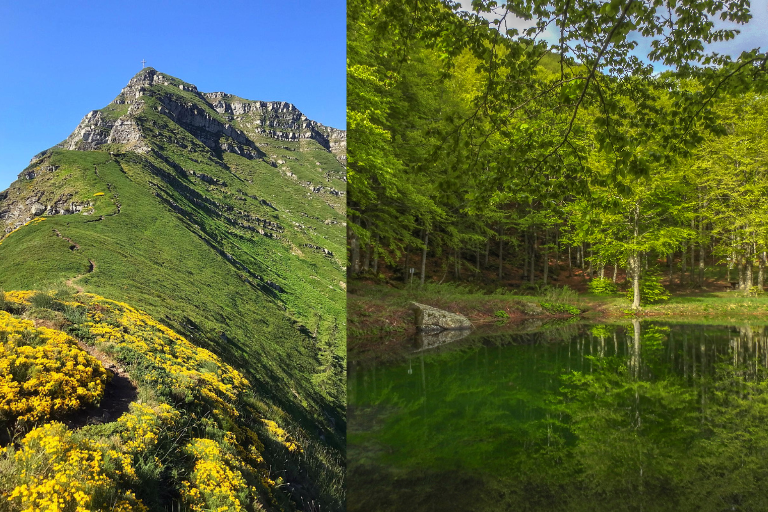
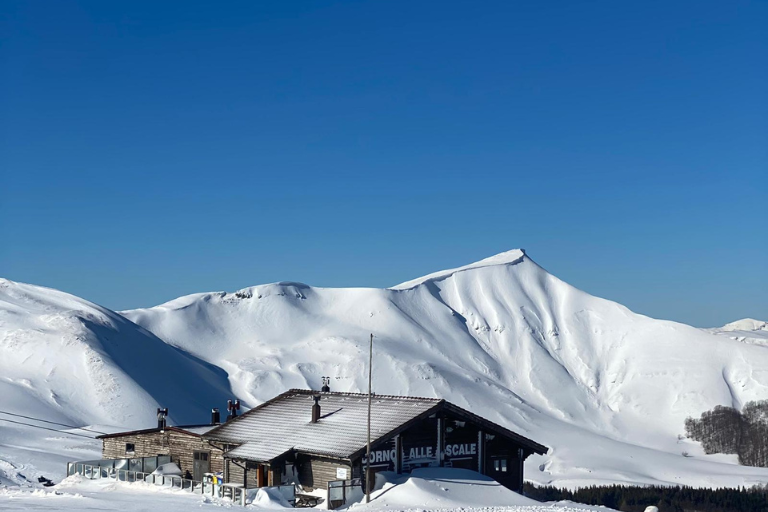
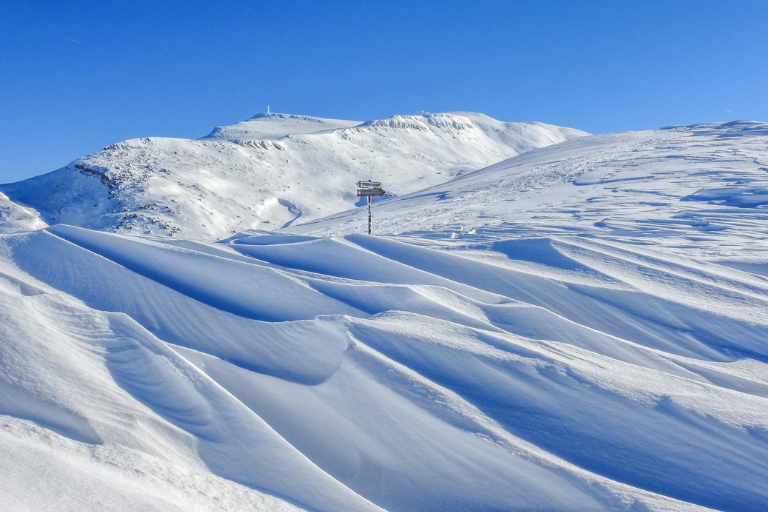
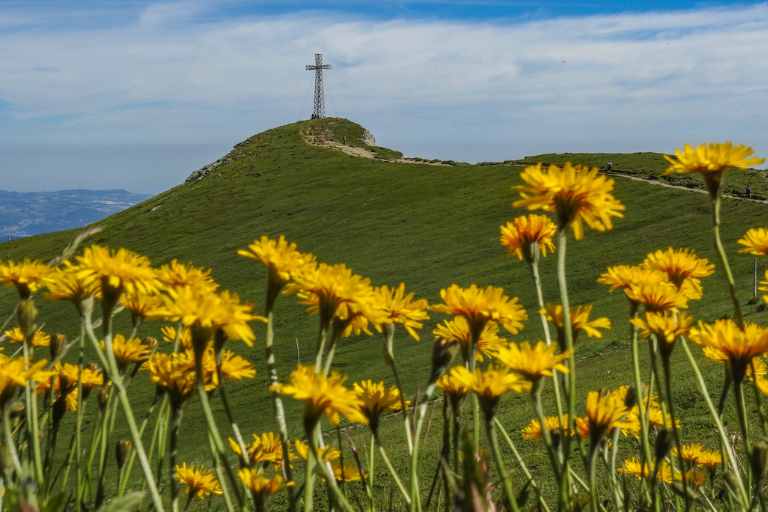
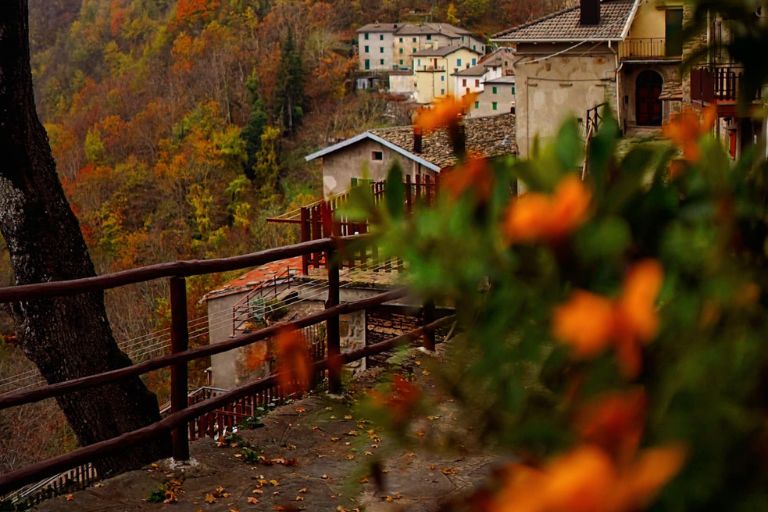
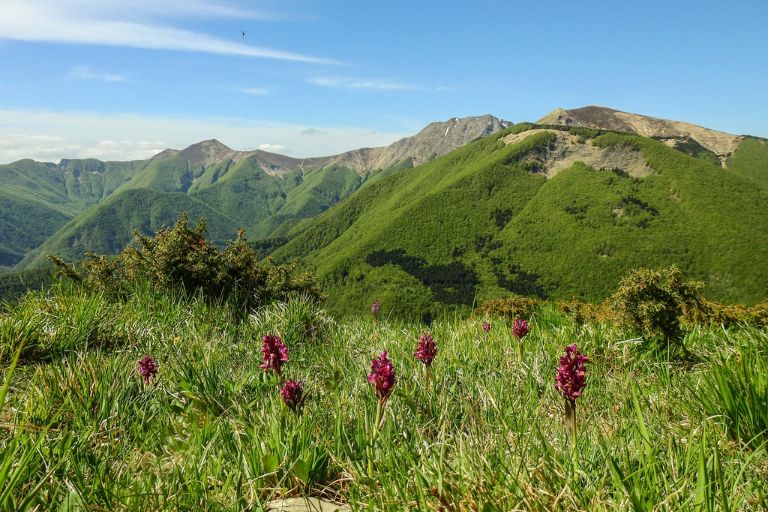
Corno alle Scale is a mountain in the Tuscan-Emilian Apennines, located on the border between Emilia-Romagna and Tuscany, within the Metropolitan City of Bologna. At 1,945 metres above sea level, it is the highest peak in the Bologna Apennines and forms part of the Corno alle Scale Regional Park. The area is characterised by open mountain landscapes, high-altitude grasslands and forested slopes, and is well known for hiking activities as well as for its ski resort.
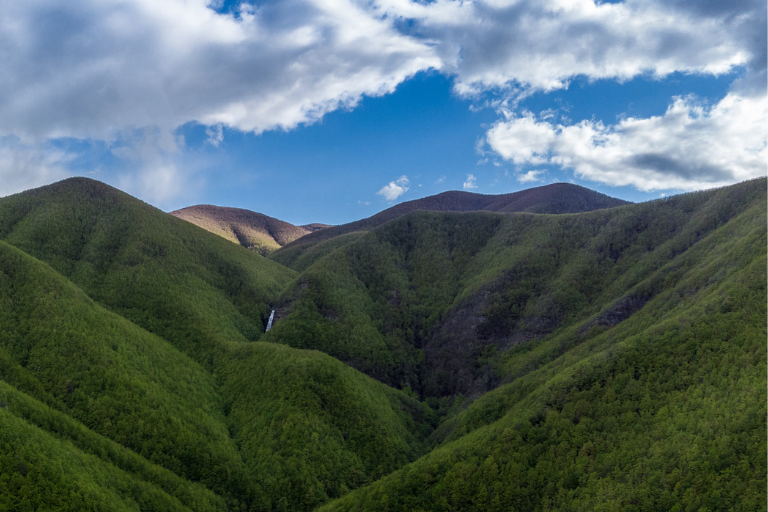
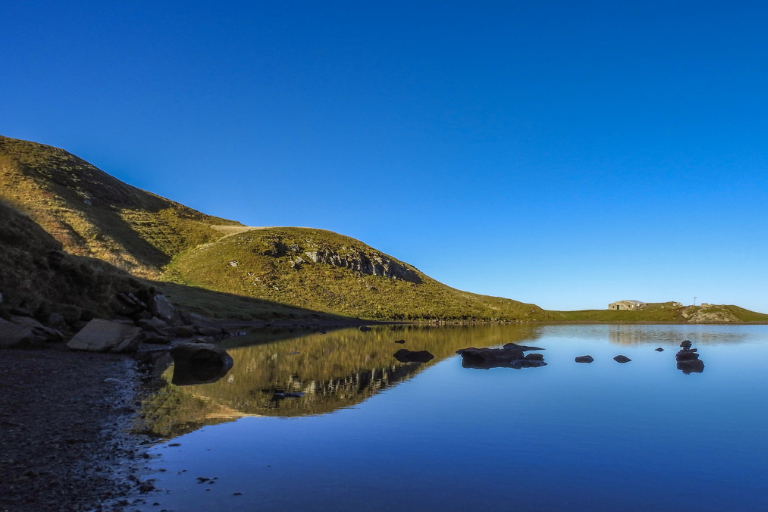
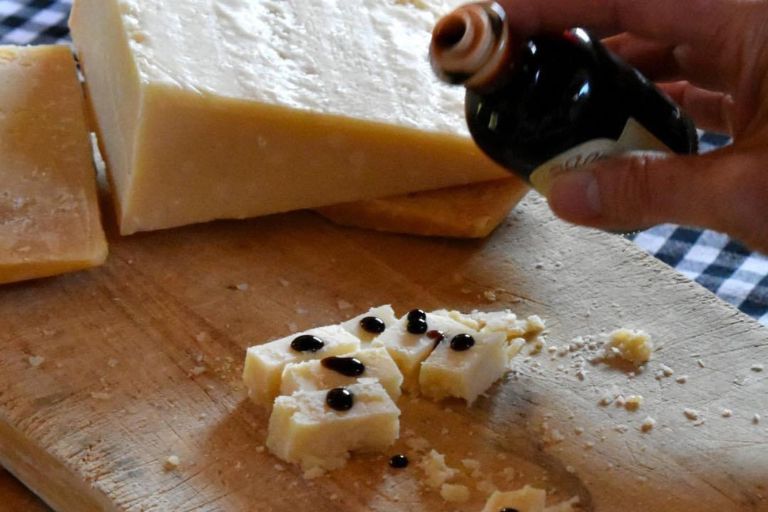
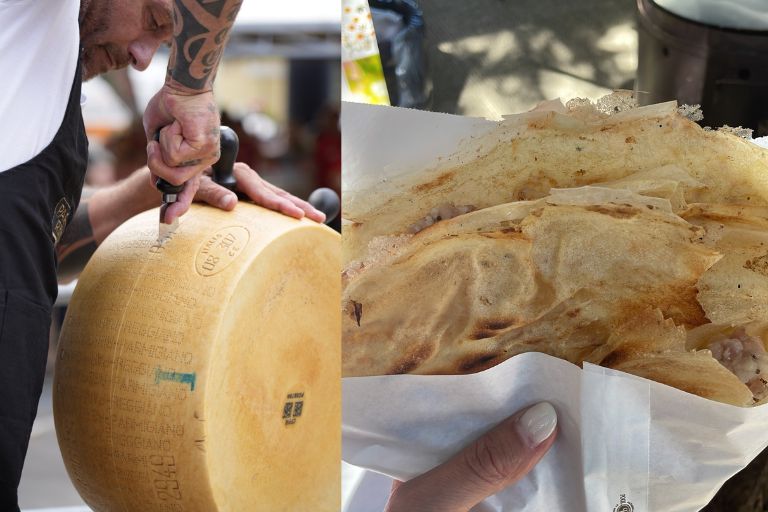
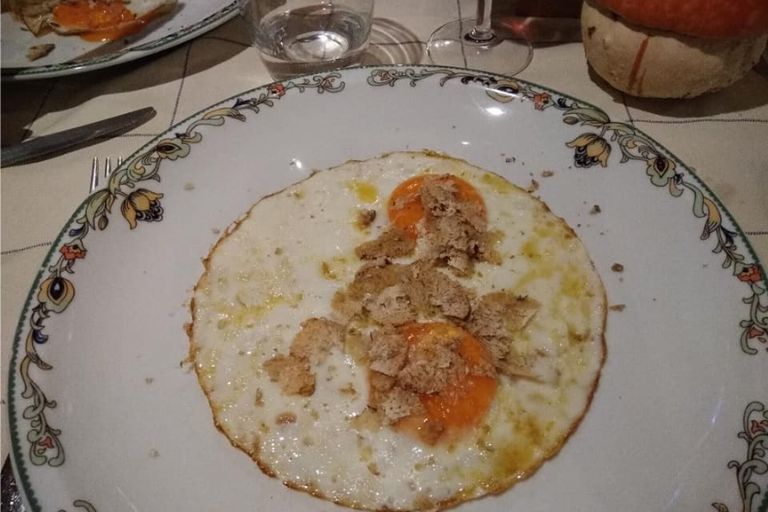
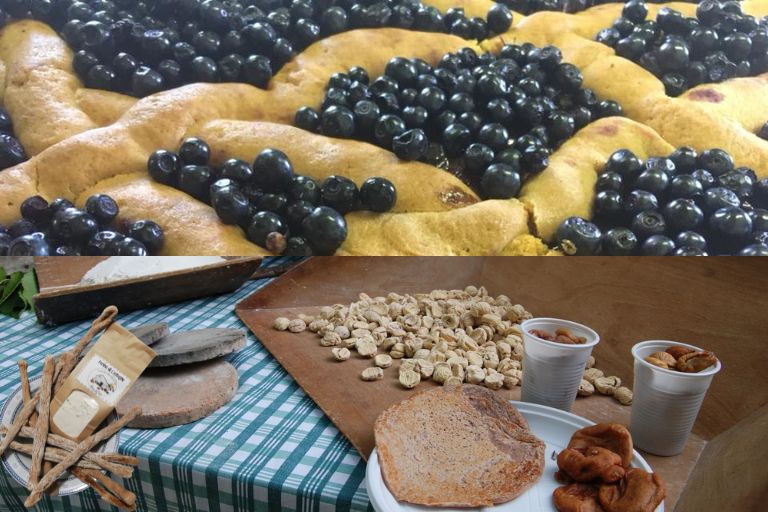
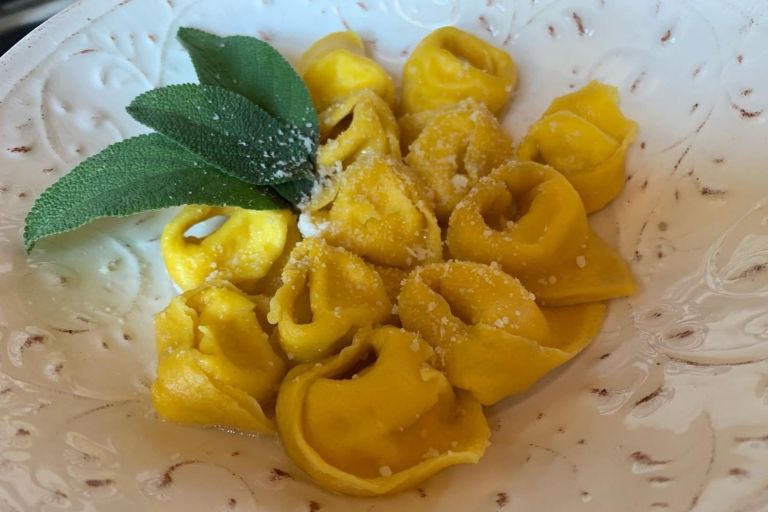
The culinary tradition of the Corno alle Scale area is deeply rooted in the mountain culture of the Apennines, shaped by local ingredients and time-honoured practices. Among its most distinctive products is the wild black blueberry, hand-picked and used in jams, juices, and infusions following traditional recipes. Typical specialties include crescentine and tigelle, served with cured meats, cheeses, and the classic cunza. Also widespread are zampanelle (or borlenghi), thin, crispy wafers dressed with lard, garlic, rosemary, and Parmigiano Reggiano. Chestnut flour, sourced from centuries-old groves, is central to dishes such as ciacci and castagnaccio. The surrounding forests also yield prized ingredients like porcini mushrooms and the Belvedere truffle, key elements of the area’s rich and authentic cuisine.
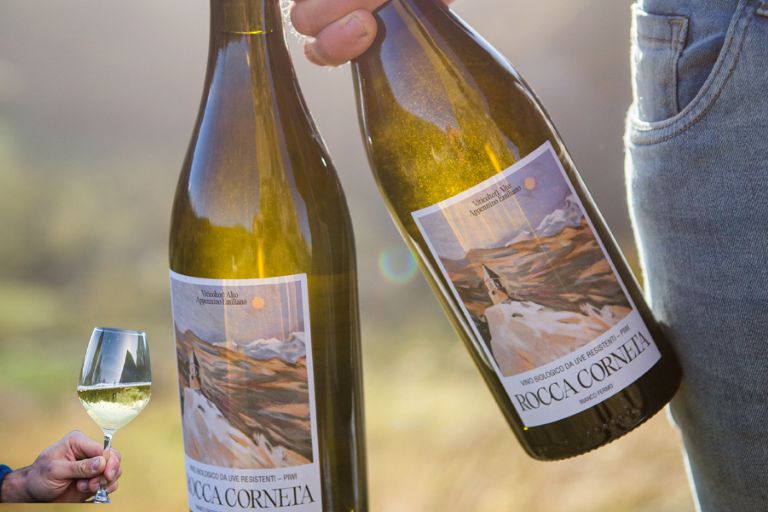
The beverages of the Corno alle Scale area reflect its mountain environment and strong connection to local production. The waters of Lizzano are renowned for their purity, flowing directly from the peaks of the surrounding range. Viticulture here is defined by the presence of PIWI wines, produced from resistant grape varieties and closely linked to sustainable practices, alongside wines from the Bologna hills such as Pignoletto and Barbera. Among the area’s standout specialties is the wild black blueberry, used to create juices, nectars, artisanal liqueurs, and infusions – an authentic expression of the natural richness of the Apennine landscape.
The Corno alle Scale area stands out as one of the main natural hubs of the Bolognese Apennines, where landscapes, history, and outdoor adventure come together. Among its most iconic landmarks is the Cross of Corno alle Scale, set at 1,945 metres on Punta Sofia—a breathtaking panoramic point from which, on clear days, views stretch from the Adriatic to the Tyrrhenian Sea and as far as the Alps. The Corno alle Scale ski resort forms the heart of high-altitude sports, with slopes and trails that have even hosted the training sessions of Olympic champion Alberto Tomba.
The area also bears the marks of history, particularly the Gothic Line: Monte Belvedere was a key stronghold during the Second World War and is now crossed by trails linking former positions and mountain refuges. This historical dimension is complemented by places of quiet spirituality, such as the Sanctuary of Madonna dell’Acero, set among maple and beech trees, and the Sanctuary of Madonna del Faggio, a secluded hermitage deep in the forest.
Among the mountain villages, Pianaccio – birthplace of legendary Italian journalist Enzo Biagi – features a documentation centre dedicated to his life, while Monteacuto delle Alpi preserves the charm of traditional mountain architecture. Cultural offerings include the Ethnographic Museum of Poggiolforato and the Quartz Museum in Lizzano in Belvedere.
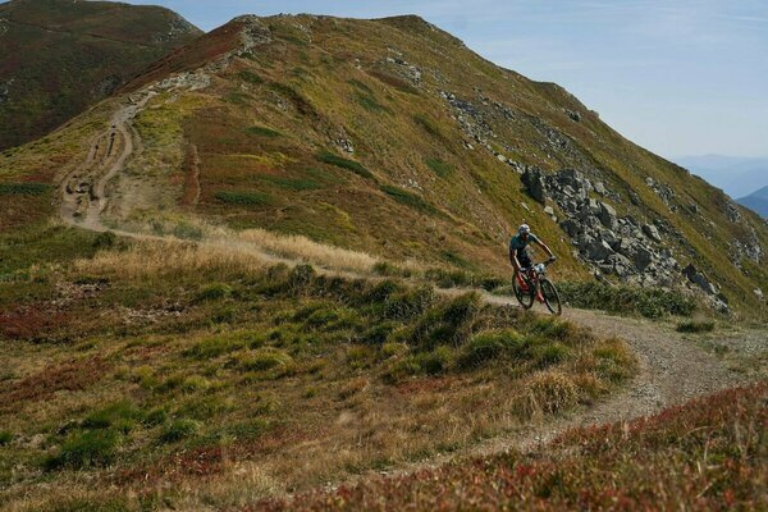
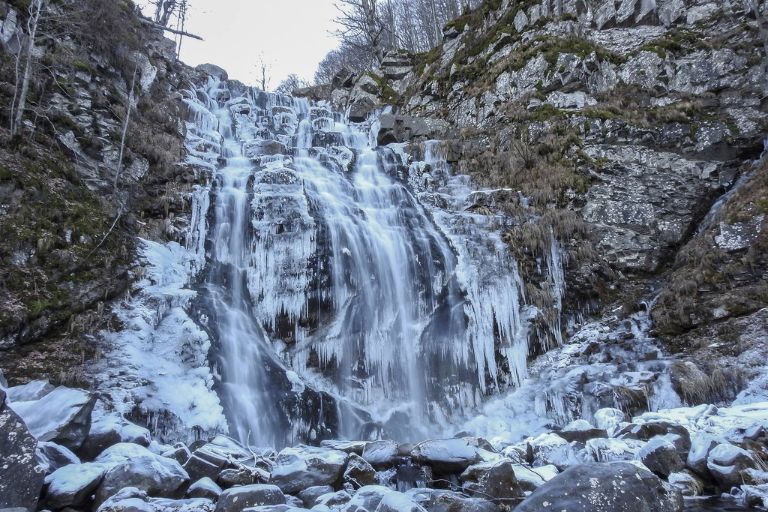
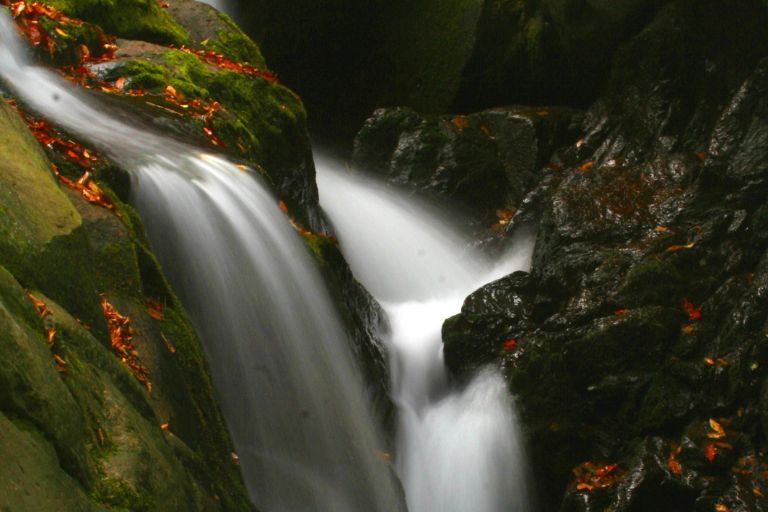
Nature takes centre stage at the Dardagna Waterfalls, where cascading streams cut through dense beech forests, and across a network of scenic hiking routes such as the Via della Lana e della Seta and the Cammino Mater Dei. The area is also a well-established destination for cycling and outdoor activities, with routes that wind across ridgelines, forests, and valleys in the heart of the high Apennines.
Amantea - Cosenza
Villa d'Agri di Marsicovetere - Potenza
Pompei - Napoli
Roccaraso - Blockhaus
Grottammare - Fermo
Sasso Marconi - Corno alle Scale
Forte dei Marmi - Massa
La Spezia - Chiavari
Savona - Novi Ligure
Angera - Verbania
Aymavilles - Pila
Assago - Milano
Biasca (CH) - Carì (CH)
Tione di Trento - Andalo
Valdobbiadene - Pieve di Soligo
Agordo - Alleghe (Piani di Pezzè)
San Daniele del Friuli - Piancavallo
Roma - Roma