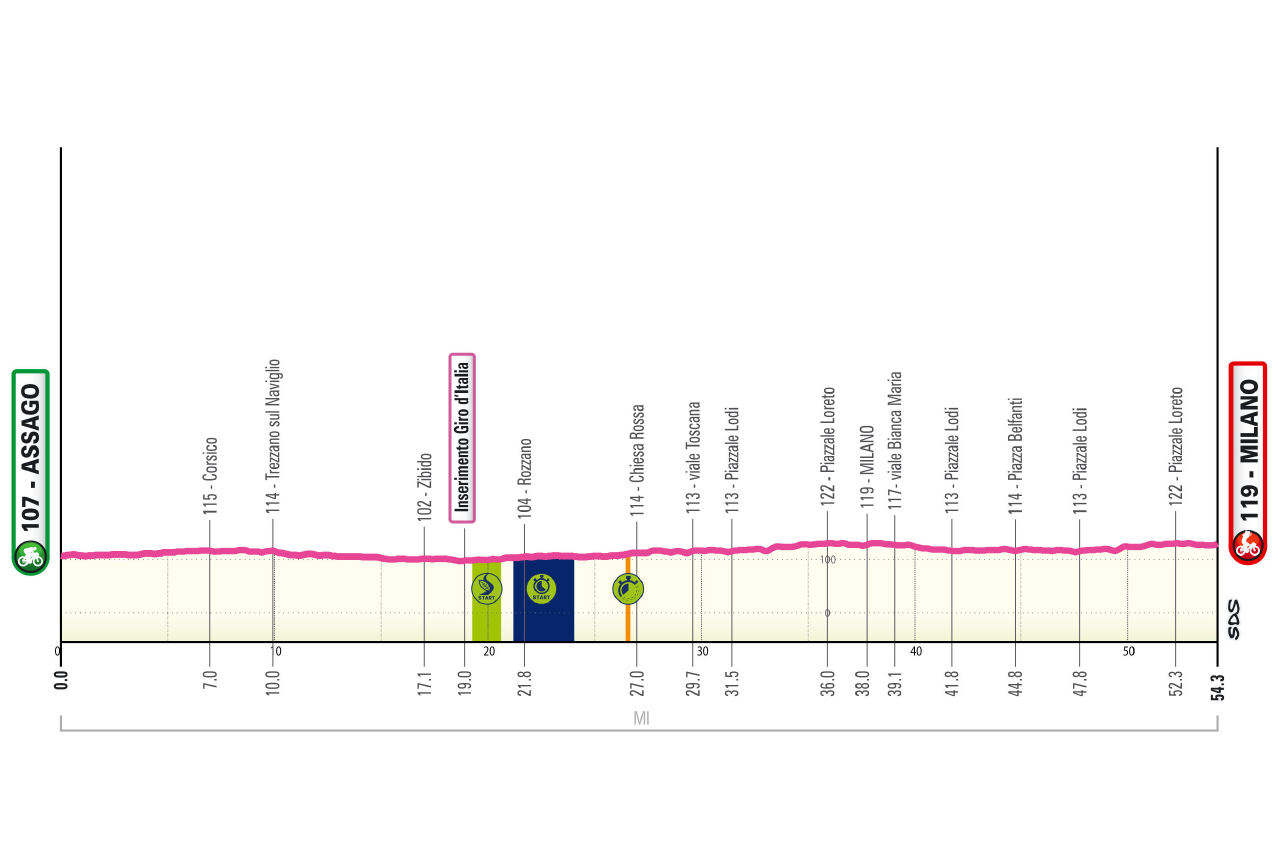
altimetria
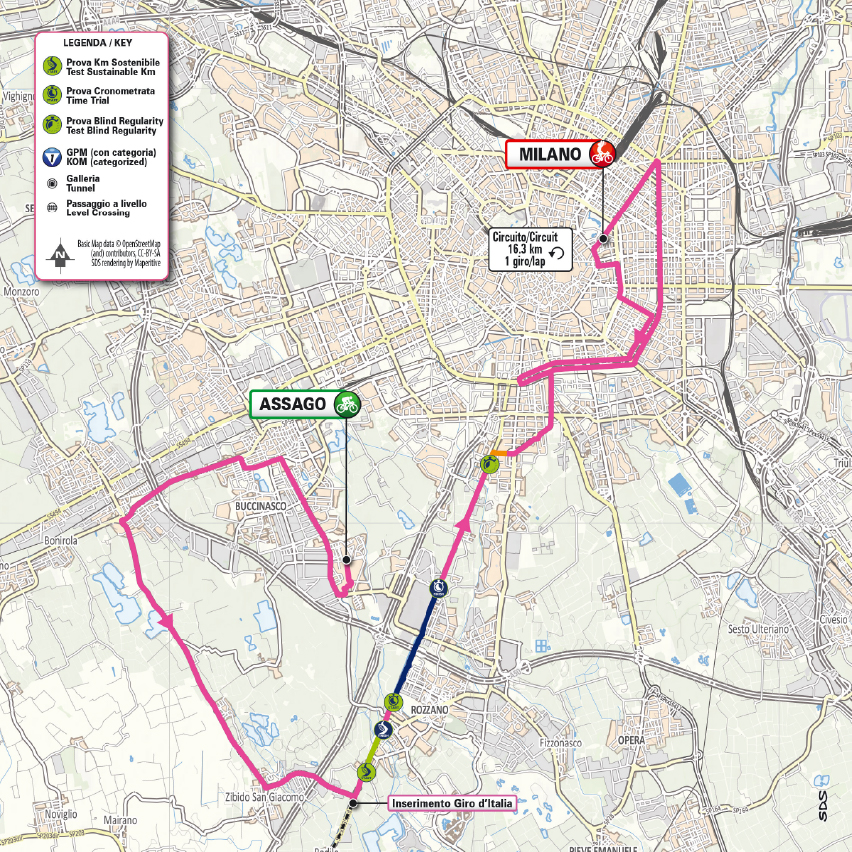
planimetria
crono tabella
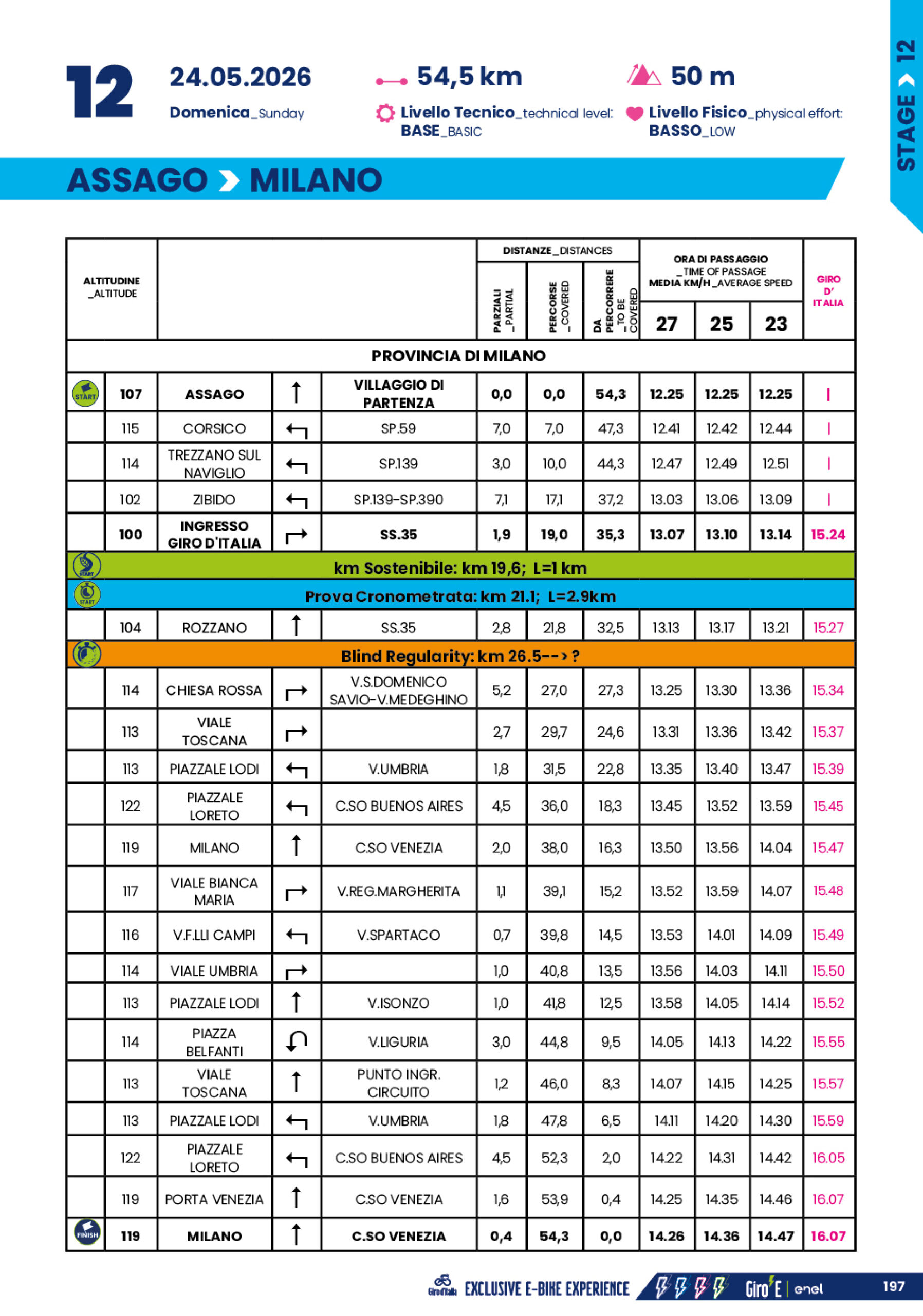

Domenica 24
Maggio 2026
54,3 km
Dislivello 50 mt
Livello Tecnico: Base
Impegno Fisico: Medio
 Partenza tra
Città di:
The origins of Assago are very ancient, as shown by the archaeological excavations at the church of San Desiderio (presumably dating back to the late Middle Ages). However, it is not possible to establish precisely when the settlement was born, because there are different hypotheses on the etymology of the name.
The most widespread interpretation holds that “Assago” derives from the Latin Assagum, connected to the Roman name Assius and the suffix -acus, which indicated agricultural land. According to this theory, in Roman times there existed an agricultural villa surrounded by fields, and some findings from the 1st century AD. seem to confirm this hypothesis.
Other scholars, however, propose more ancient origins, linked to the peoples who inhabited the area before the Romans, such as Ligurians, Celts and Etruscans. The name could derive from the root As, which means “source”, consistent with the presence of many resurgence waters in the area. Another theory connects Assago to the suffix -agh, typical of places near waterways, maintained above all in dialect forms.
In conclusion, the name “Assago” could be the result of various linguistic stratifications due to the different peoples who have succeeded one another over time. The text also cites a Sumerian legend about the demon Asag, symbolically linked to water, whose phonetic similarity with the name Assago is curious but coincidental.
Based on Assago and its farms in the Milan area. Published by the Municipality of Assago.
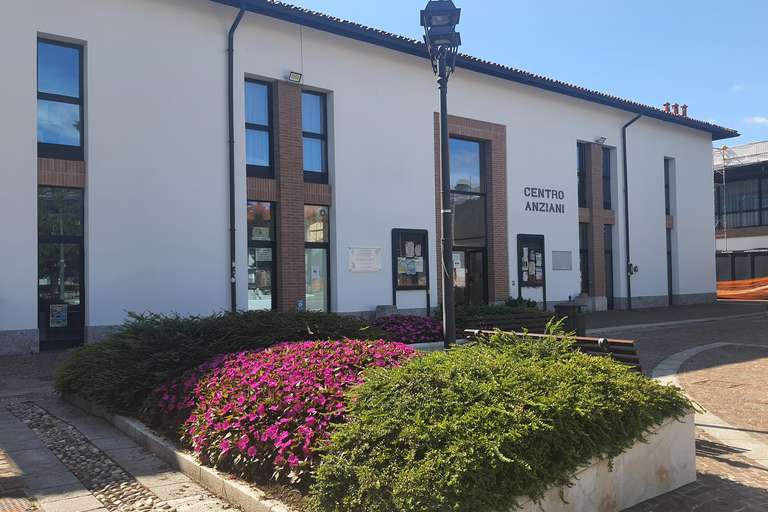
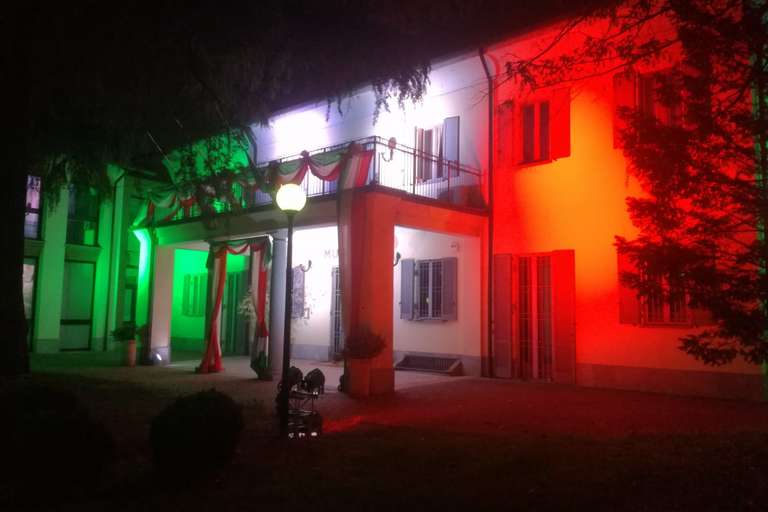
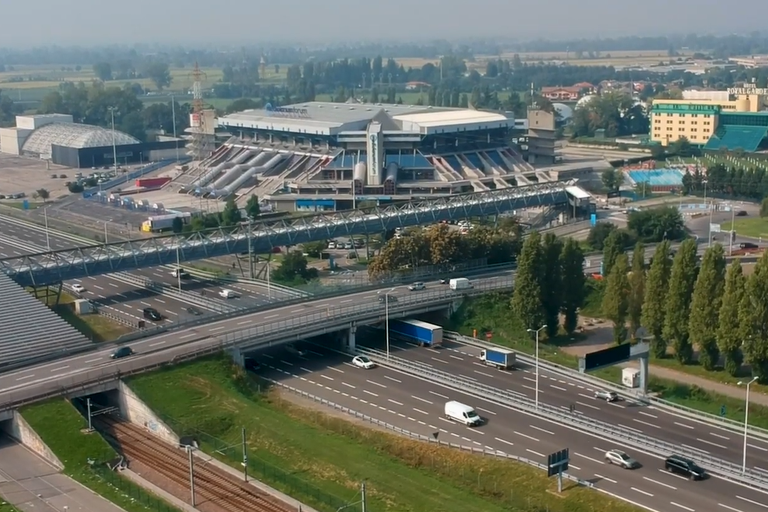
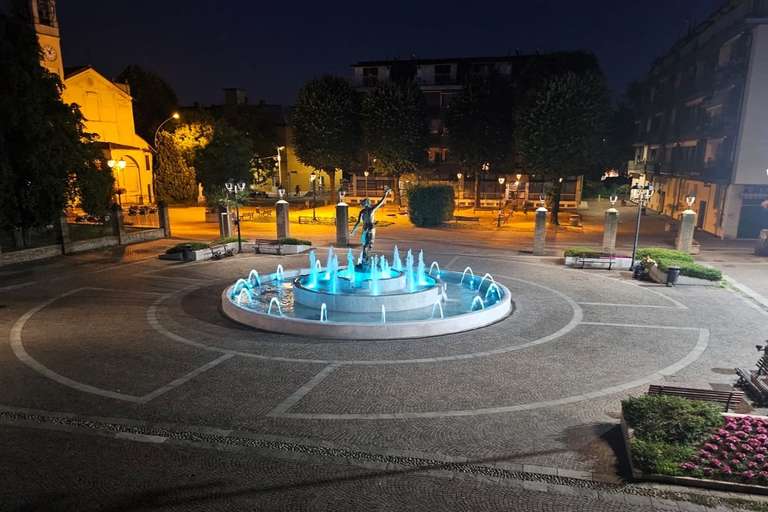
HISTORIC CENTER
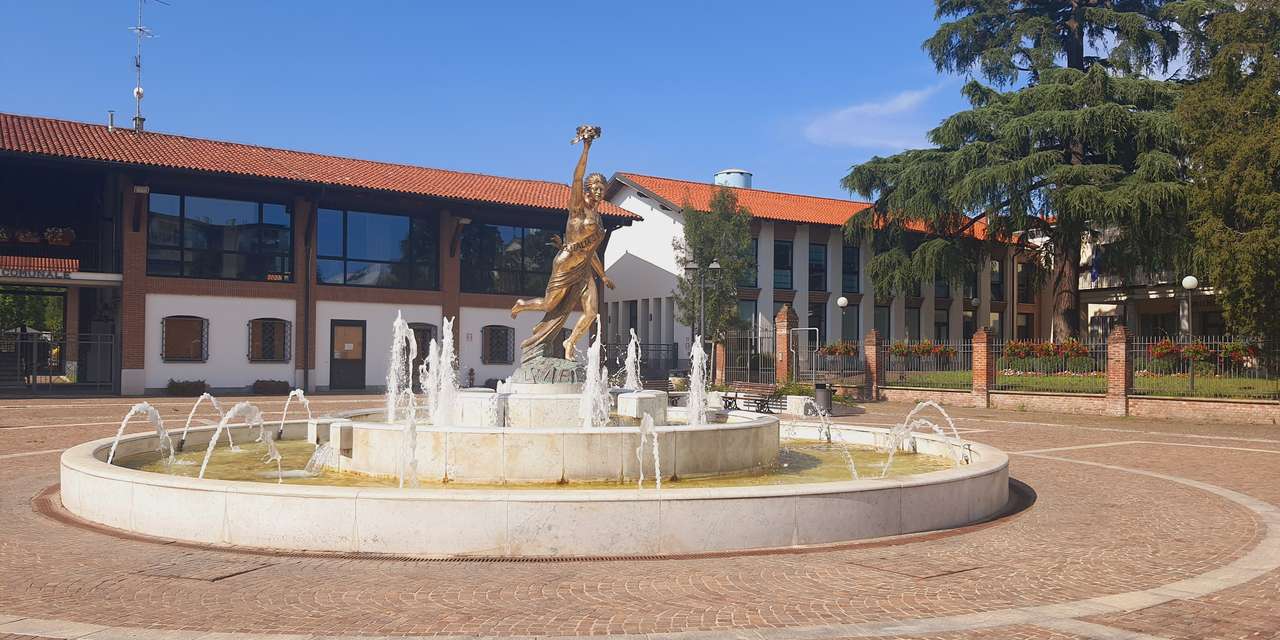
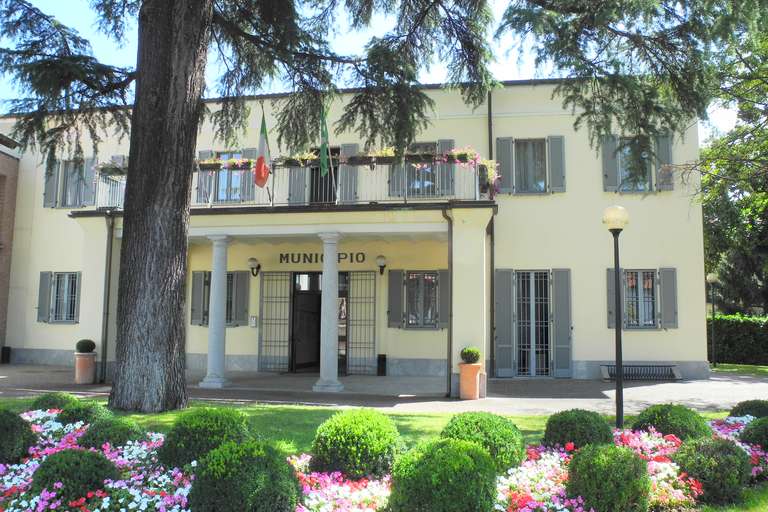
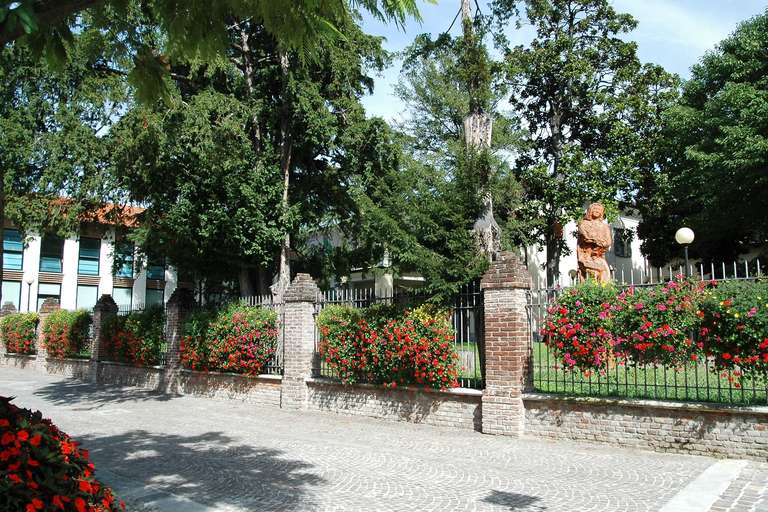
Located in Piazza Risorgimento, in the heart of Assago’s historic center, is the current Town Hall, created in the early 2000s through the redevelopment of the “Villa Borromeo.”
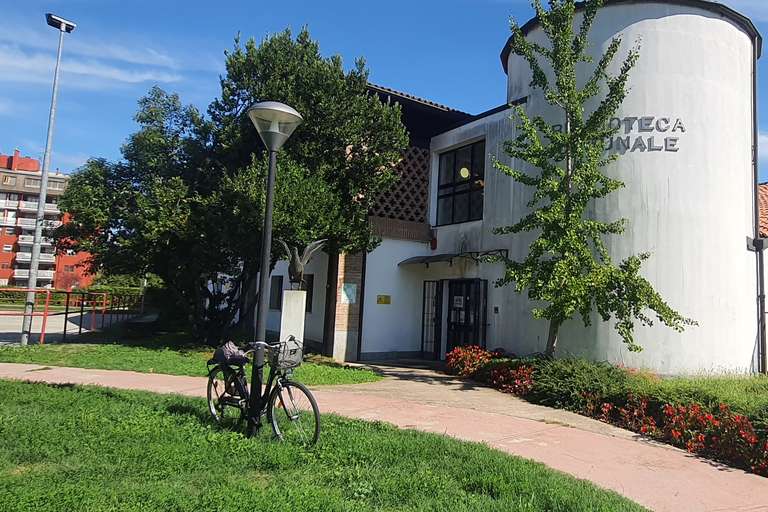
Villa Borromeo is one of the oldest buildings in Assago’s historic center, along with the Church of San Desiderio and the surrounding farmhouse. Hidden by centuries-old trees in Piazza Risorgimento, it dates back to the 18th century and was the manor house of a large agricultural settlement. The estate included both the Castello farmhouse, located in the historic center of town where the Municipal Library and the New Civic Center now stand, and the
Cortegrande farmhouse, which has been inactive since the 1970s, when construction of the “La Grande” residential complex on Via Matteotti began on its land. The “Villa Borromeo.”
The documents in the Theresian Land Registry reveal that it was initially a “Casa da Massaro” (farmer’s house) belonging to the Calderara family. During the 19th century, it passed to the Peluso, Martignoni, Bollardi, and Santagostino families. Over time, it underwent expansions, most notably in 1871 with the construction of the current coach houses and in 1903 with the addition of the terraced portico.
In the 20th century, the property passed to the Busca Arconati Visconti families and, later, to the Borromeo family. In 1949, it was sold to Immobiliare Canopo. The villa was inhabited until the 1980s.
CHURCH OF SANTA MARIA
In the 1980s, the Diocese of Milan included Assago in the Montini Plan for the construction of new churches. The design of the future church of Santa Maria was entrusted to architect Liliana Grassi, who had already been involved in the restoration of San Desiderio. Grassi developed an innovative and symbolic idea, convincing parish priest Don Enrico Vago to create a scale model. Her death in 1984 interrupted the work, but the model was paraded in procession during the patron saint’s day, dubbed “the most beautiful church of the century.”
Between 1986 and 1987, her student Maria Antonietta Crippa, with architect Gabriele Schiatti, resumed the project, maintaining its symbolic value but adopting more essential forms. The building is on two levels: community spaces on the ground floor and a liturgical hall with a raised plaza on the upper floor. From the outside, the church appears as a compact and monumental volume.
Cardinal Martini blessed the cornerstone in 1988. Work began in 1989, and the first service was held in the oratory at Christmas. The domes were installed in 1990, and the bells were blessed in 1991. The inauguration took place in September 1992, with the installation of the 17th-century statue of Our Lady of the Rosary.
After the church, the sports fields were built, and then the project for the new parish house began. Don Caporali requested more adequate space, and a new building connected to the church was developed, designed by Schiatti under the supervision of Crippa, and built between 1994 and 1997.
In the early 2000s, the interior was completed with stained glass windows, marble furnishings, benches, confessionals, and new flooring. In 2002, the statue of the Madonna was relocated. On September 20, 2003, Cardinal Tettamanzi solemnly consecrated the church.
The structure is based on symbolic geometric shapes: triangle, square, circle, and above all the eight-pointed star, derived from the superposition of two rotated squares. The octagon recalls the eighth day of the Resurrection; the star evokes Mary’s crown, the Star of the Sea, and Christ, the Morning Star. The three domes arranged in an equilateral triangle recall the Trinity, while the circle refers to divine communion
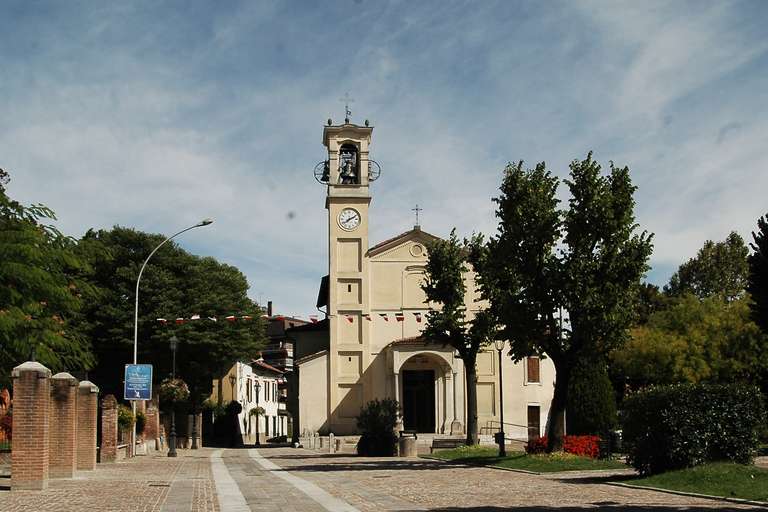
CHURCH OF SAN DESIDERIO
The history of San Desiderio is rooted in the ancient rural parishes that arose between the 5th and 6th centuries, when populations, following the barbarian invasions, moved from the cities to the countryside. The Parish Church of Cesano Boscone spiritually governed a territory rich in water, irrigation ditches, and fields, where Assago was a collection of agricultural settlements with its first chapels.
Beneath the current church, excavations have revealed the original medieval building: a simple rectangular hall with an apse to the east, built with reclaimed Roman materials and surrounded by tombs oriented according to ritual. Tombs with glass rosaries, wooden coffins, and the remains of frescoes were discovered, providing precious evidence of the religious life of the time.
Between the late Middle Ages and the Renaissance, the church was expanded: the ancient apse was demolished, a new presbytery with granite columns was built, the nave was extended to the west, and the bell tower was added. Inside, vaulted tombs for benefactors and parish priests appeared. The first written documents date back to the late 15th century: the parish priest Filippo Guascone (1493) claimed tithes and leased land, leaving traces of his name in the frescoes of the choir.
The 16th century was marked by plagues and hardships, but also by the reforms of Saint Charles Borromeo, who ordered structural and liturgical works: a new sacristy, flooring, and the remodeling of the altars. In 1604, Cardinal Federico Borromeo ordered further work, while confraternities and the faithful supported the costs.
Between the 17th and 18th centuries, the church underwent further changes: the walls were raised, new chapels were added, three bells were added, a portico was added to the façade, and a painted ossuary was painted. Pastoral visits described a well-kept building and an active community. The parish’s assets, consisting of fields, vineyards, rice paddies, and houses, also grew.
In the 20th century, four parish priests led a season of restorations: Father Malberti renovated the structures and built the oratory and theater; Father Bassignani brought to light Renaissance frescoes; Father Vago modernized the rooms and recovered new paintings; Father Caporali initiated a comprehensive restoration that led to the discovery of the medieval foundations and ancient tombs.
San Desiderio thus enters the 21st century as a vibrant place, where history, faith, and the community’s memory continue to intertwine.
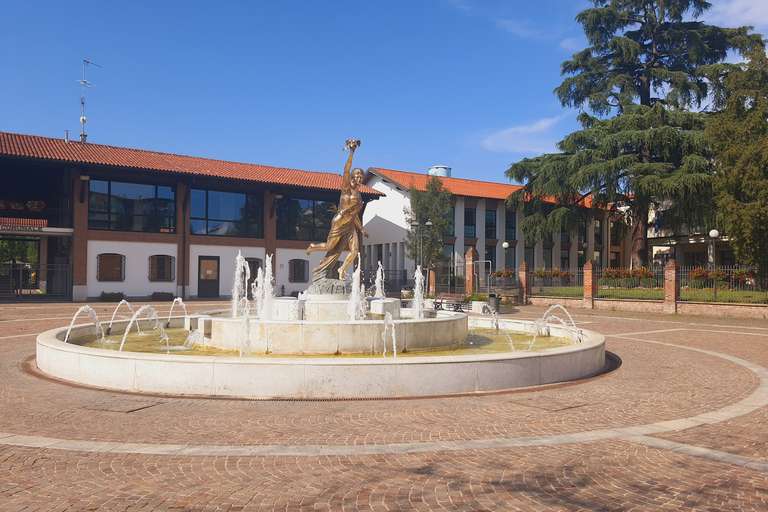
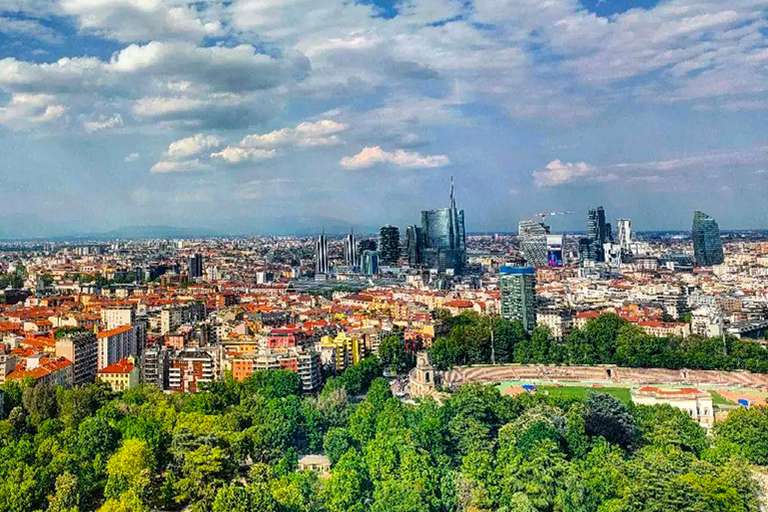
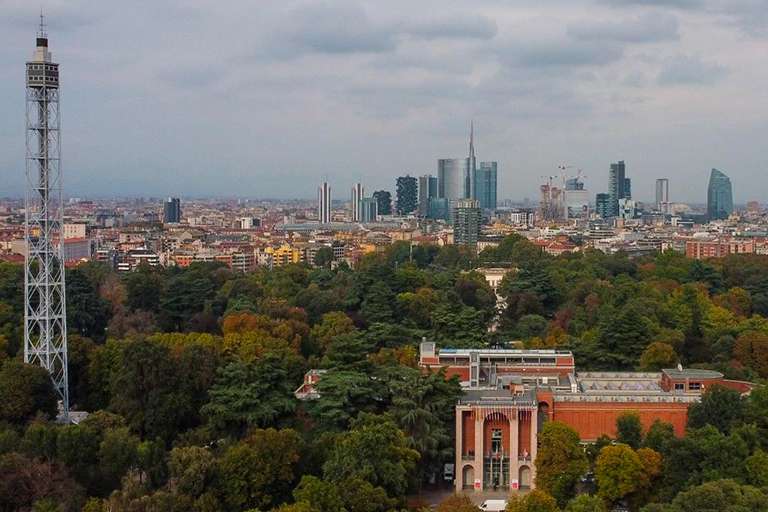
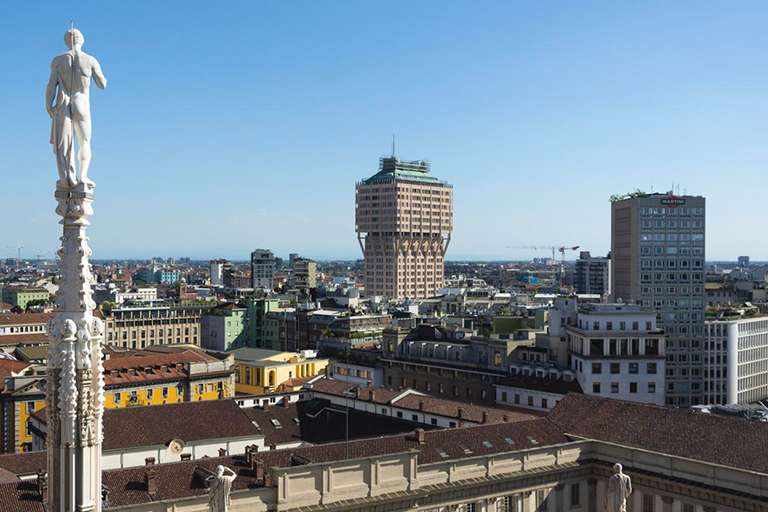
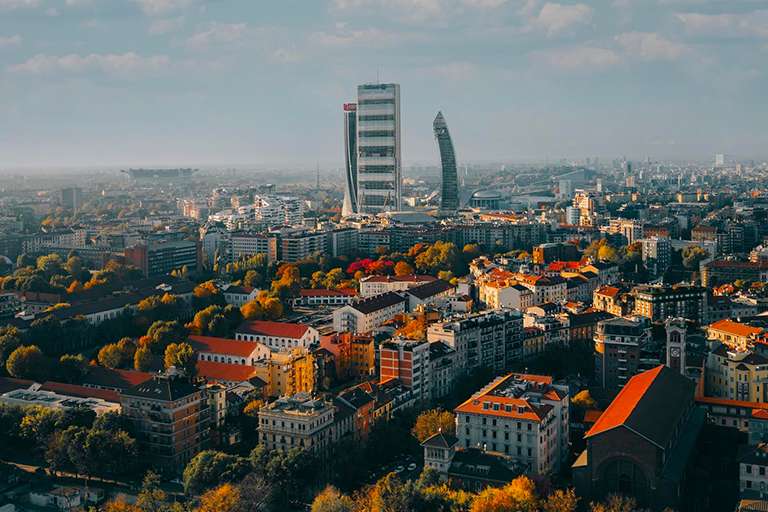
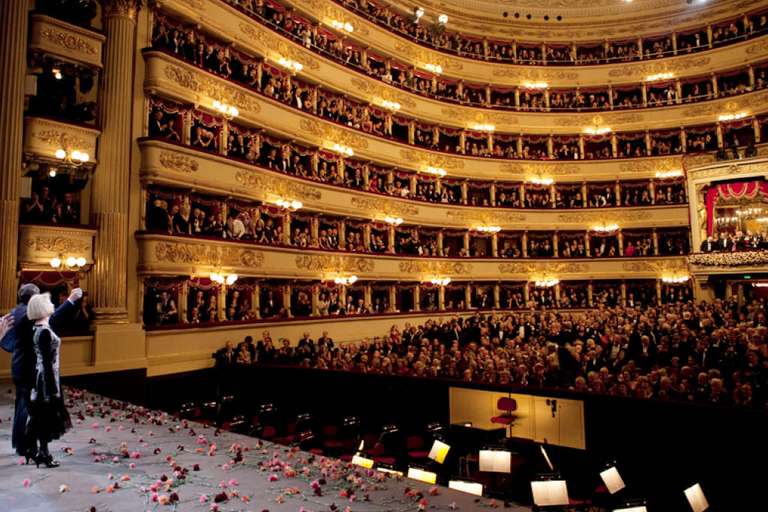
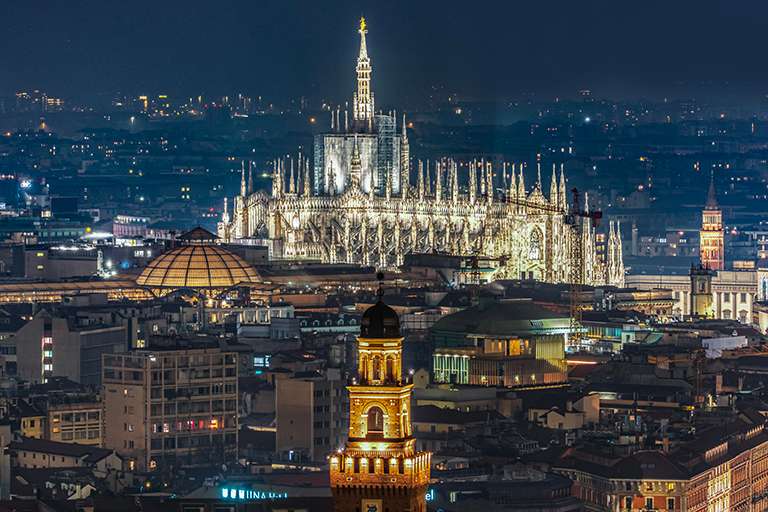
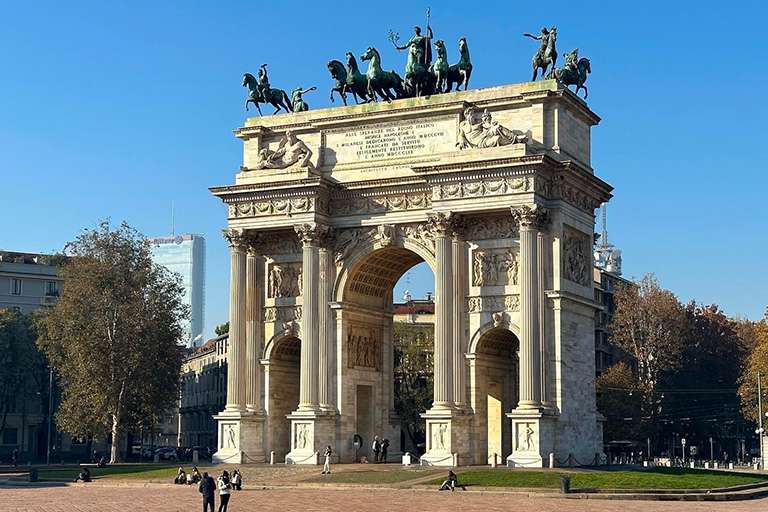
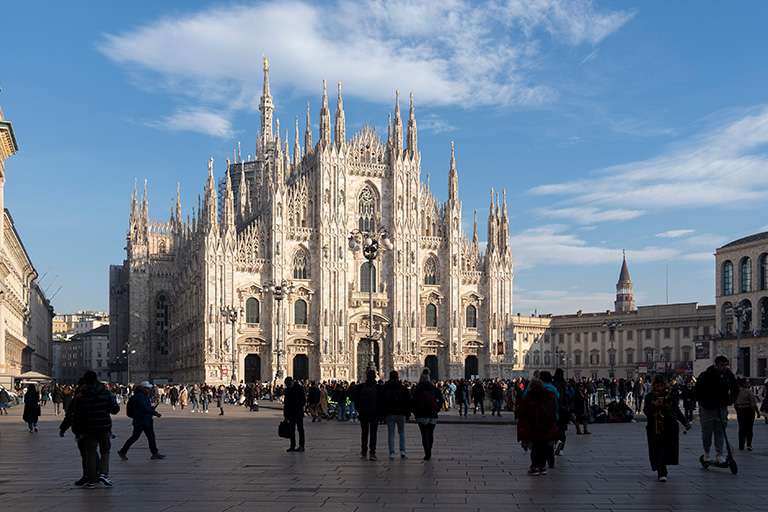
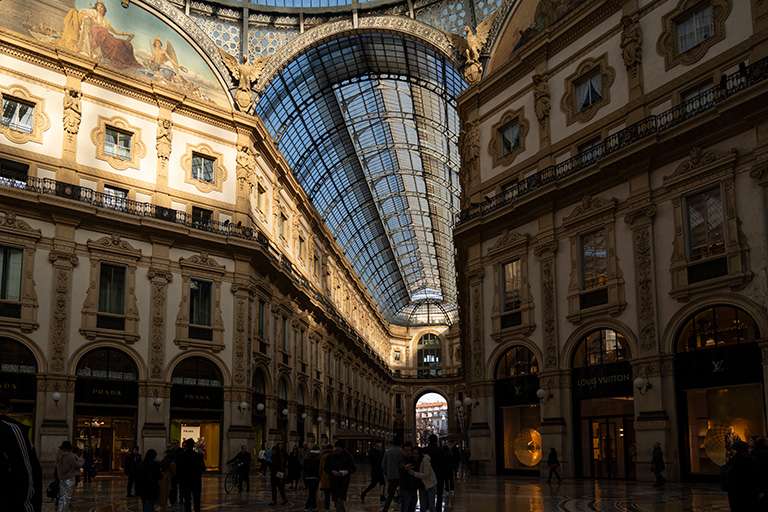
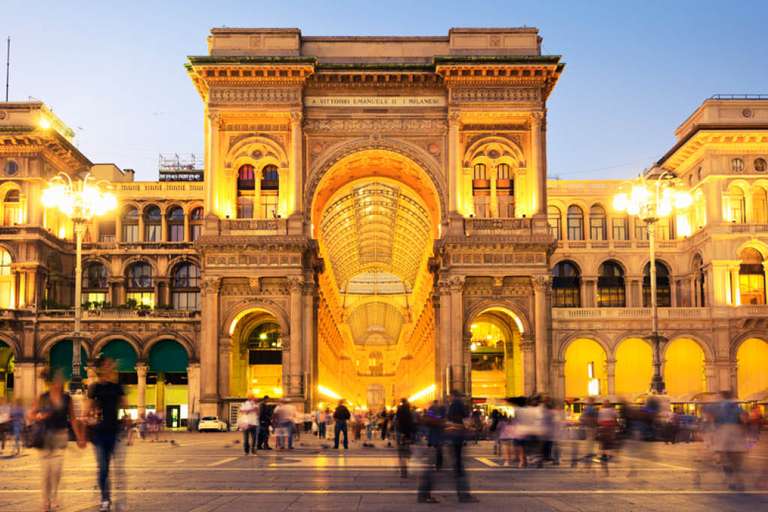
World capital of fashion and design, Milan lives poised between a centuries-long historical and cultural tradition and a creative stance looking forward to innovation and the world at large. Its destiny is already in its name, Mediolanum, meaning “place in the middle” between different territories and peoples, a hub for trade and commerce from the very beginning. Born as a Celtic village it has been through the centuries the Capital of the Western half of the Roman Empire, a major Renaissance Court at the time of Ludovico il Moro and Leonardo da Vinci, a place of plunder for French, Spaniards, Austrians – finally to be annexed to the Kingdom of Italy in 1861. From the 18th century to the present Milan has never ceased to renew its look, from the Neo-Classical lines of Teatro alla Scala to the sumptuous Galleria Vittorio Emanuele and finally to the high-rise of its skyscrapers that, from Gio Ponti to the international archistars, have re-drawn its skyline.
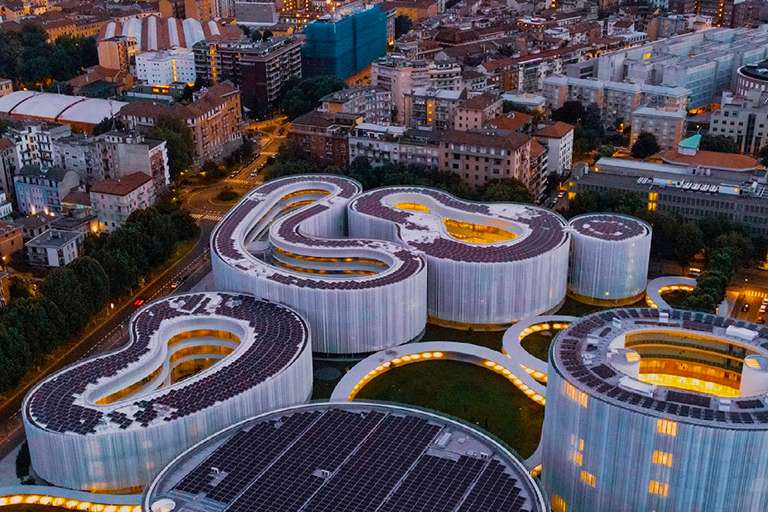
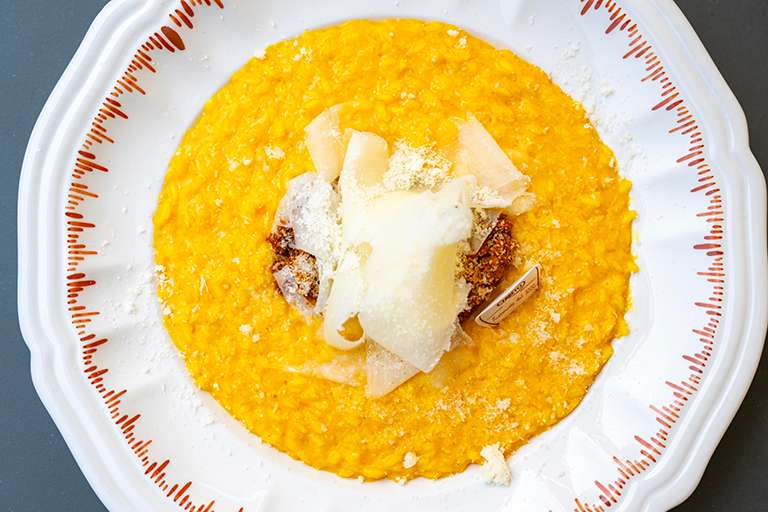
Tradition and innovation also co-exist in the Milan of taste, between ancient recipes and contemporary gourmet versions. History is represented by risotto alla milanese, with marrowbone steak and saffron rice, mondeghili (fried meatballs), rostin negàa (roast doused in white wine). The typical Christmas cake is Panettone, now famous throughout the world.
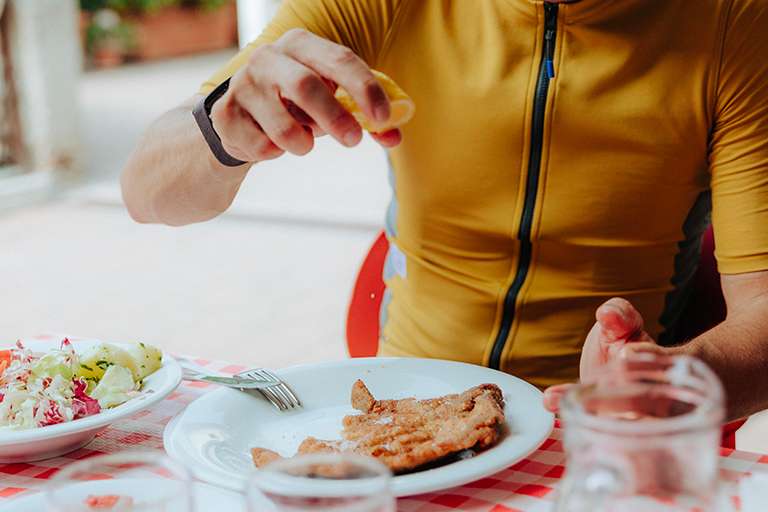
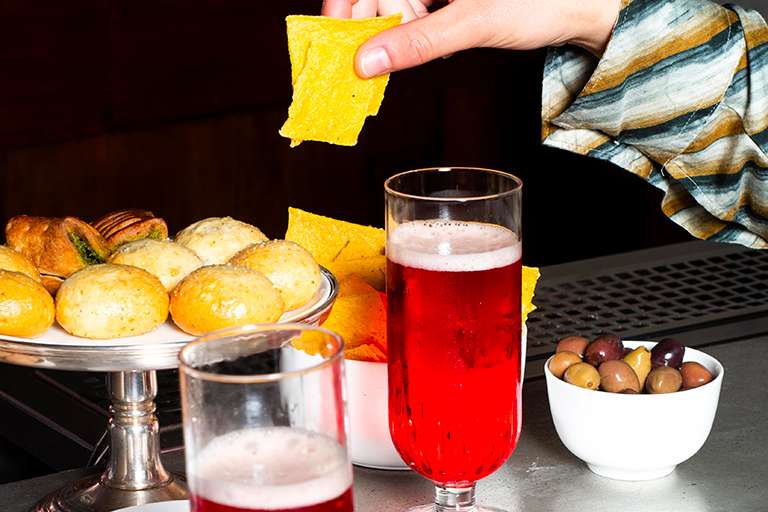
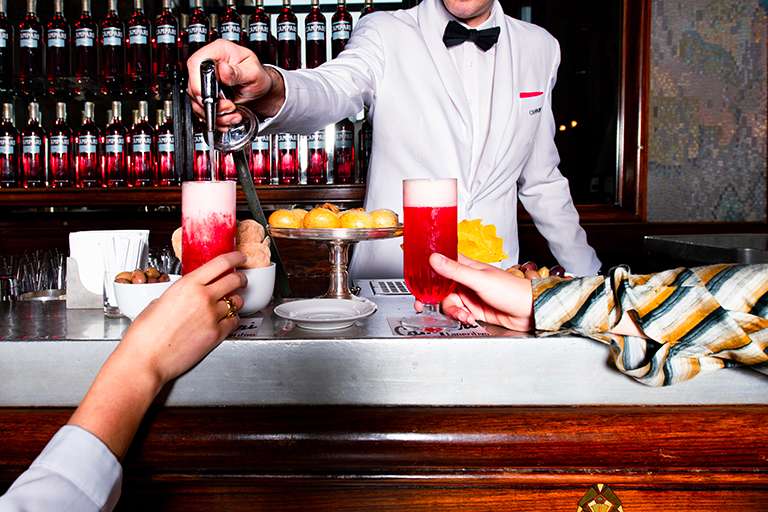
Milan provides cooking for every taste and every budget: 20 Michelin-starred restaurants, countless trattorie, local eateries, vegetarian, romantic, traditional and ethnic. But also bars and pubs to celebrate the rite of aperitivo in the evening, with elaborate cocktails and tasty finger food.
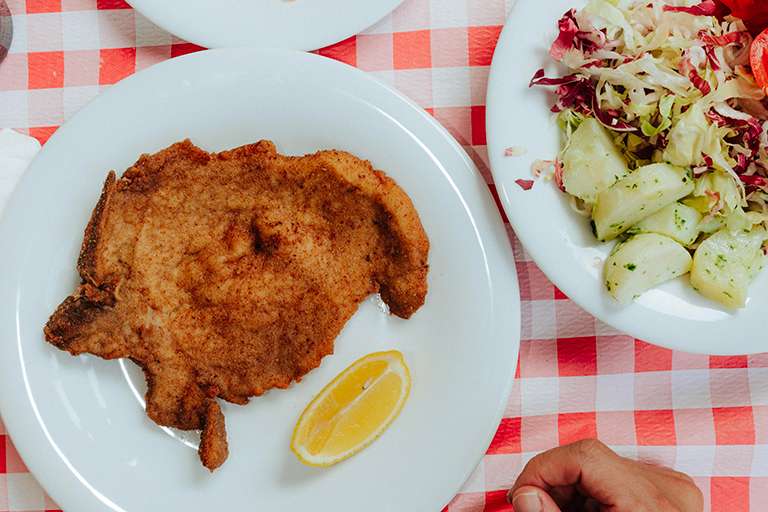
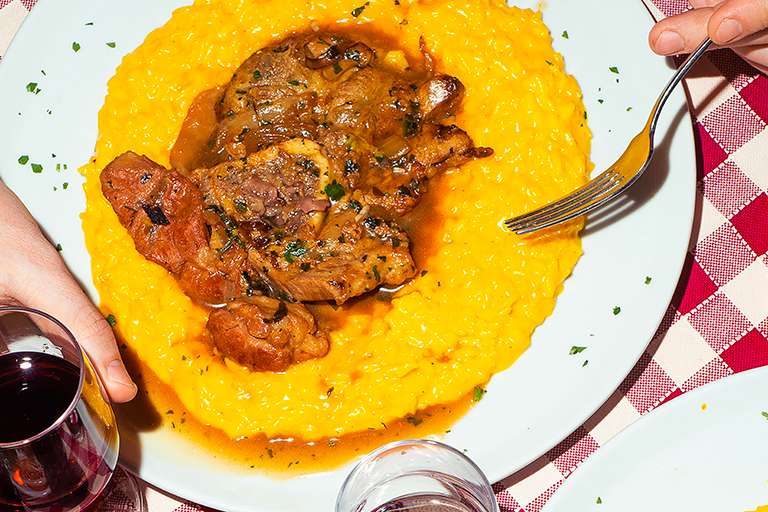
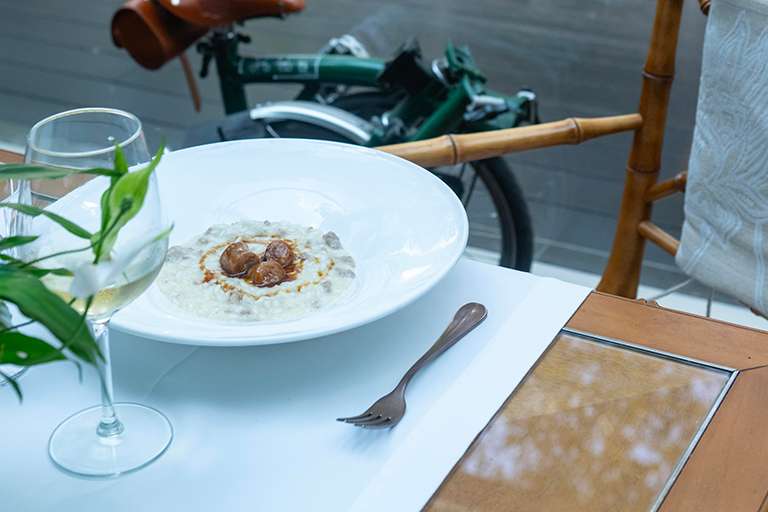
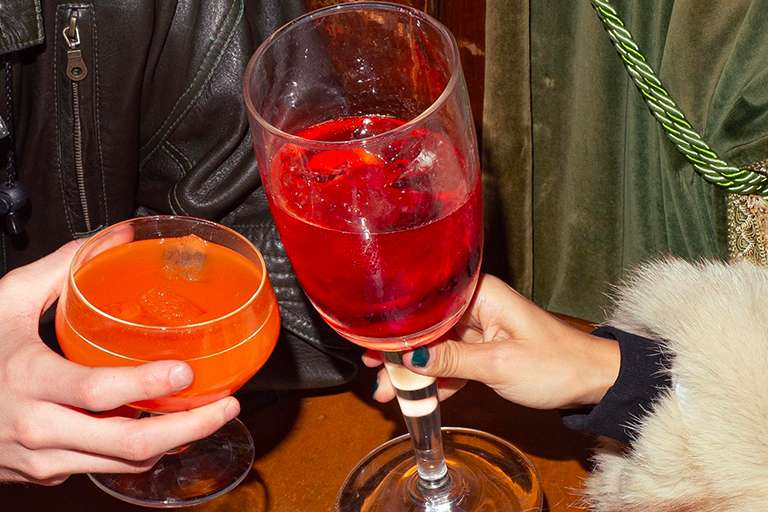
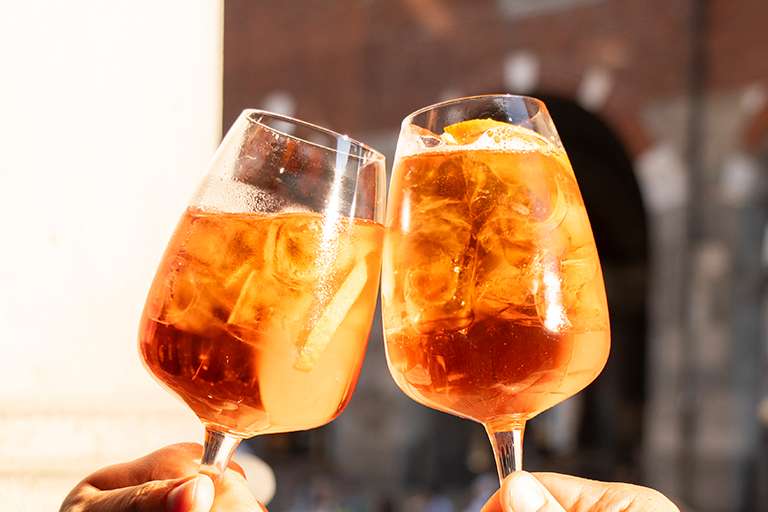
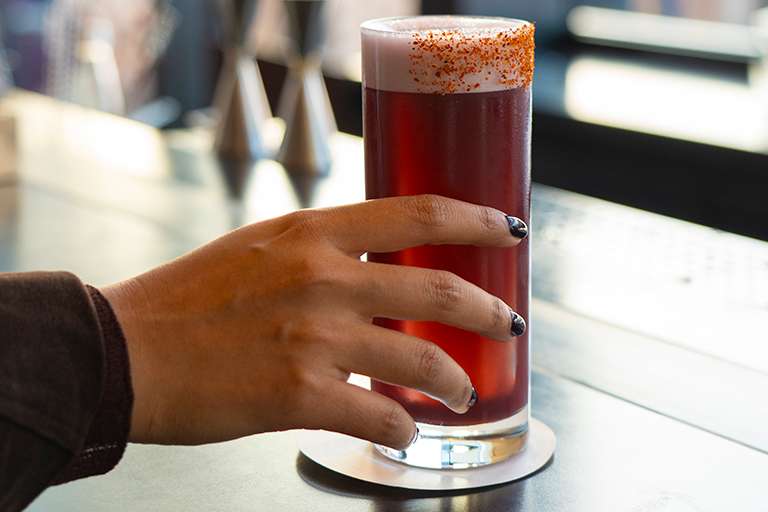
In Milan, the quintessential ritual is the aperitivo—a defining moment before dinner that embodies a way of life. Among the signature cocktails, the Negroni Sbagliato stands out, created at Bar Basso from a happy accident that gave rise to one of the city’s most iconic drinks. Campari Spritz and Aperol Spritz are also widespread, while the Campari Seltz, historically served at Camparino in Galleria, represents the most essential and authentic expression of Milanese tradition. More than just a drink, the aperitivo is a social ritual that reflects the city’s dynamic and convivial character.
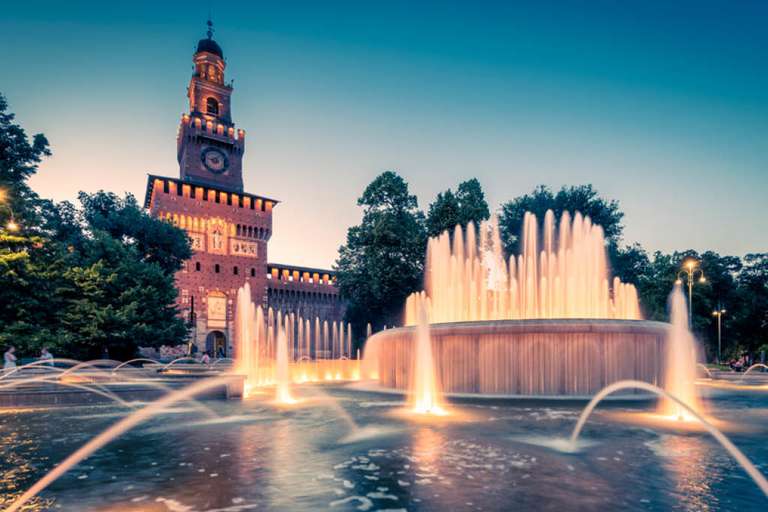
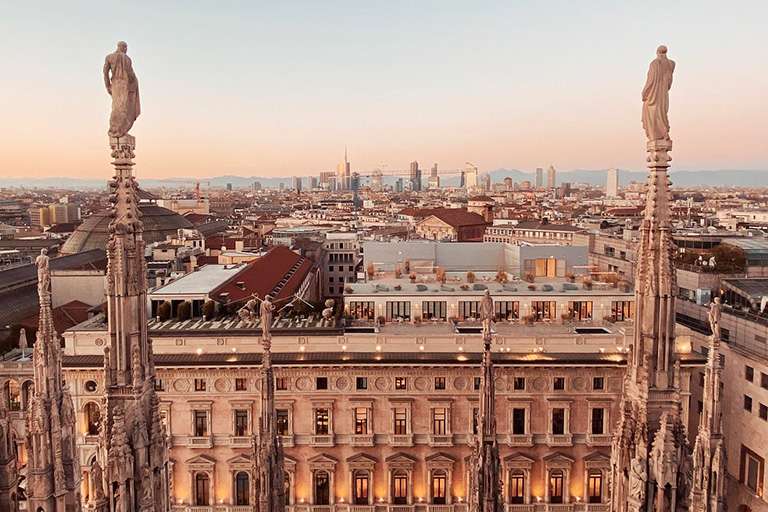
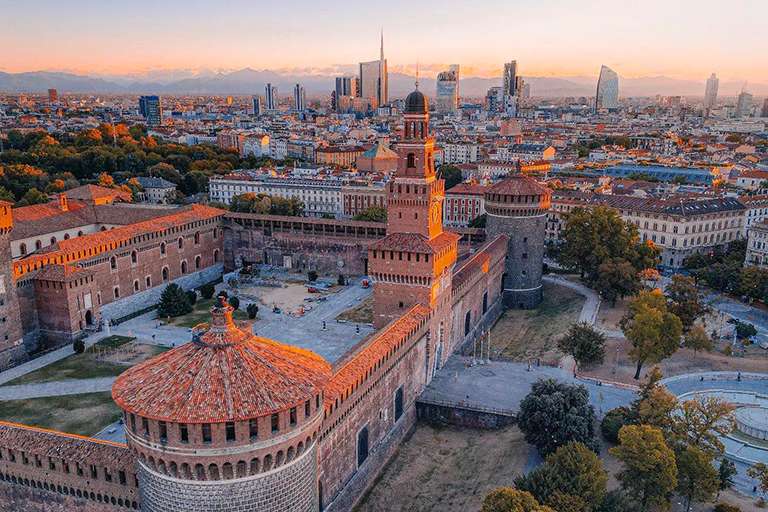
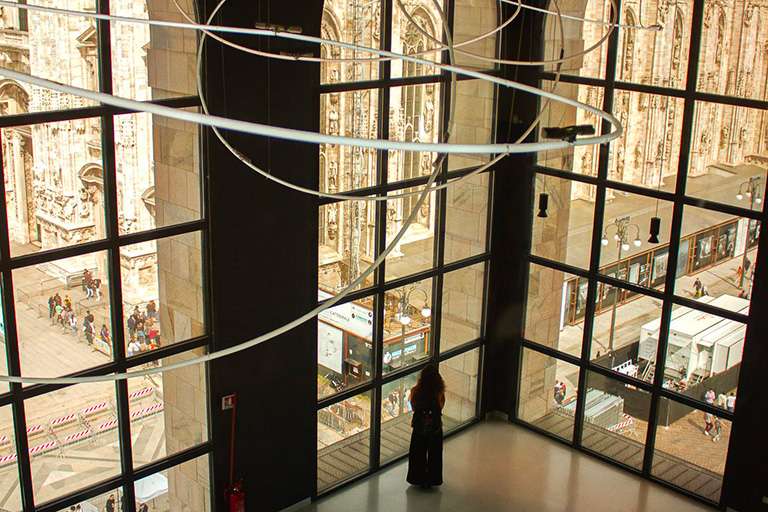
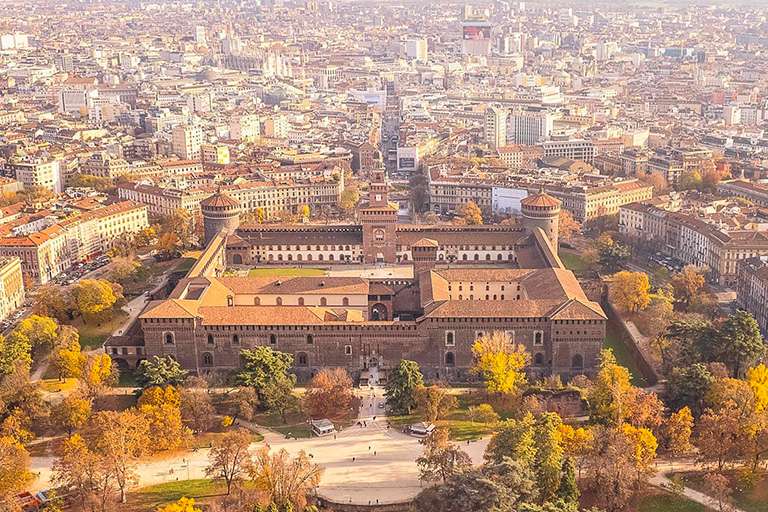
A textbook visit to the city can only start from its centre: the Duomo, with its marbles, its spires, its great windows and its five centuries of history; the elegant Galleria Vittorio Emanuele; Piazza della Scala, with the Theatre and the monument to Leonardo da Vinci. Milan’s history is especially visible in centuries of churches and Christian symbols: the imposing antiquity of San Lorenzo, with its columns; the beauty of Lombard Romanic in Sant’Ambrogio; the Renaissance in Santa Maria delle Grazie, with Leonardo’s Last Supper, the cloister and the sacristy; the frescoed interior of San Maurizio al Monastero Maggiore. A place of history and Art, but of protected leisure by its courts and towers as well, Castello Sforzesco houses masterpieces such as Michelangelo’s Pietà Rondanini and the Sala delle Asse with the recently restored wall paintings by Leonardo.
Milano offers enthusiasts more than 80 museums, such as Pinacoteca di Brera, Pinacoteca Ambrosiana, Gallerie d’Italia, Galleria d’Arte Moderna or its House Museums Focus is not on art only but on science as well: look up Museo Nazionale di Scienza e Tecnologia, named after Leonardo. The contemporary has found home at Museo del Novecento, Fondazione Prada, the new Museo del Design at the Triennale, while Palazzo Reale, PAC – Padiglione di Arte Contemporanea and MUDEC periodically host exhibitions of international standing.
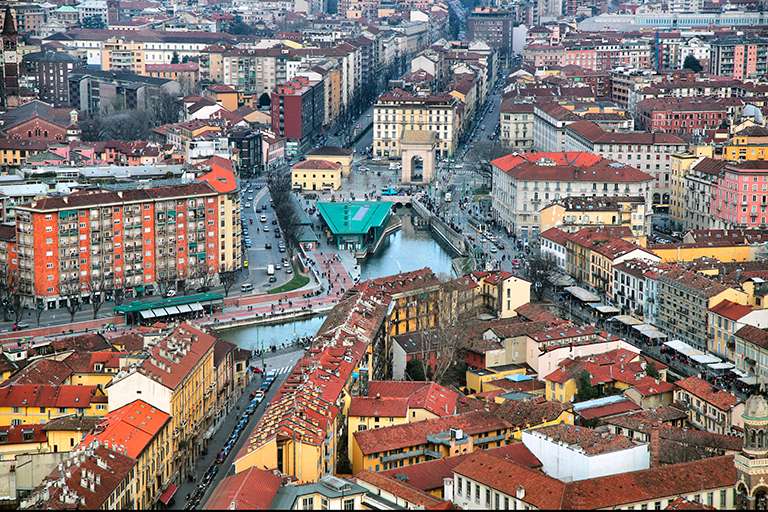
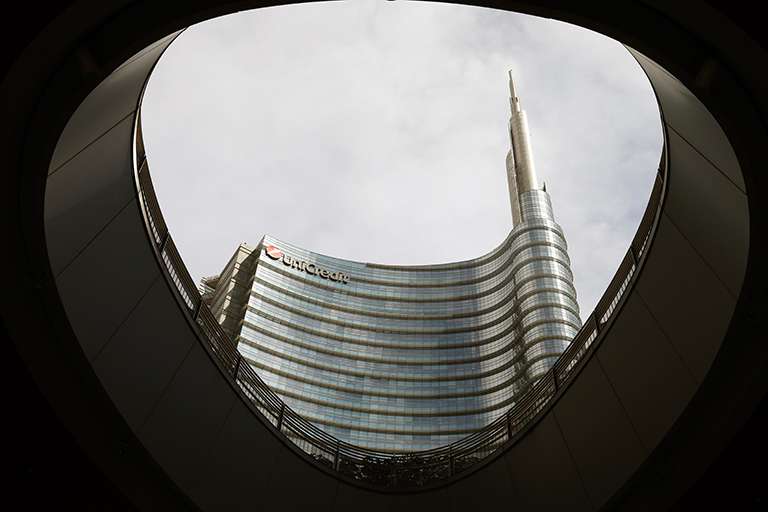
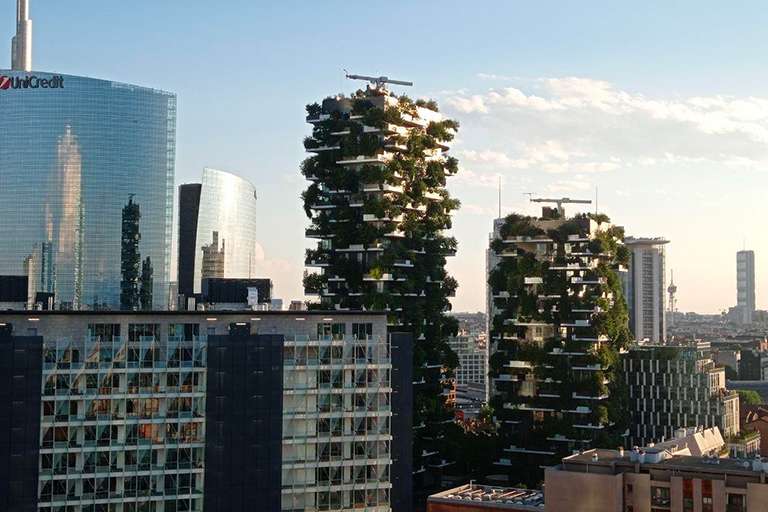
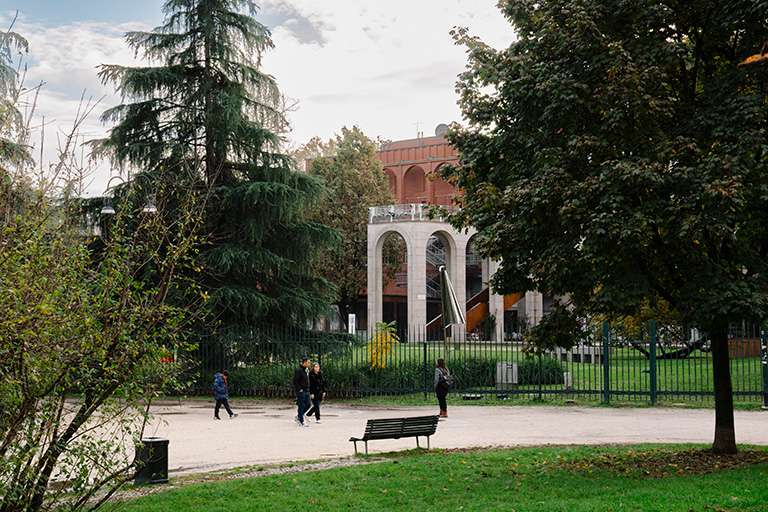
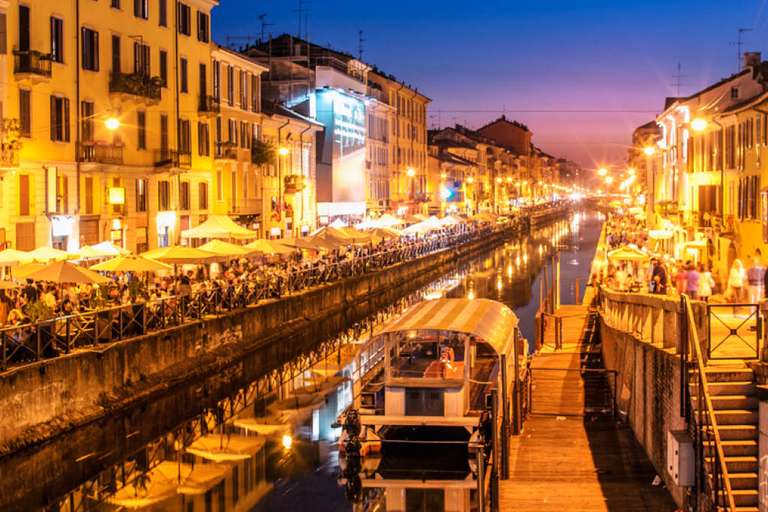
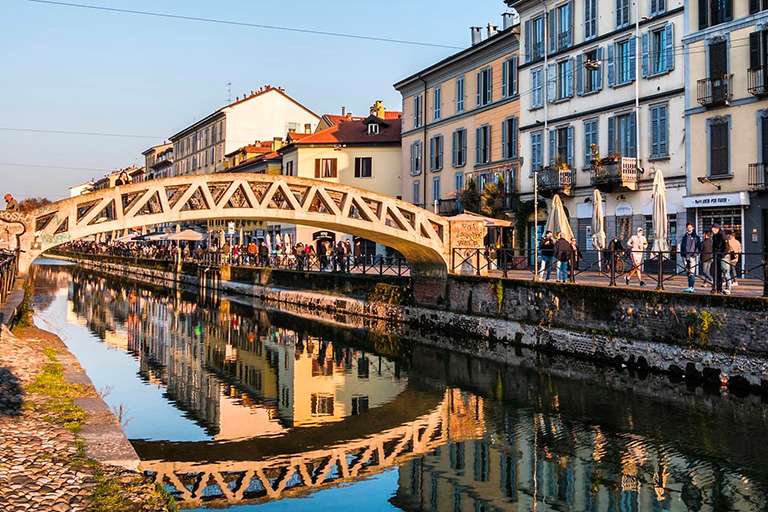
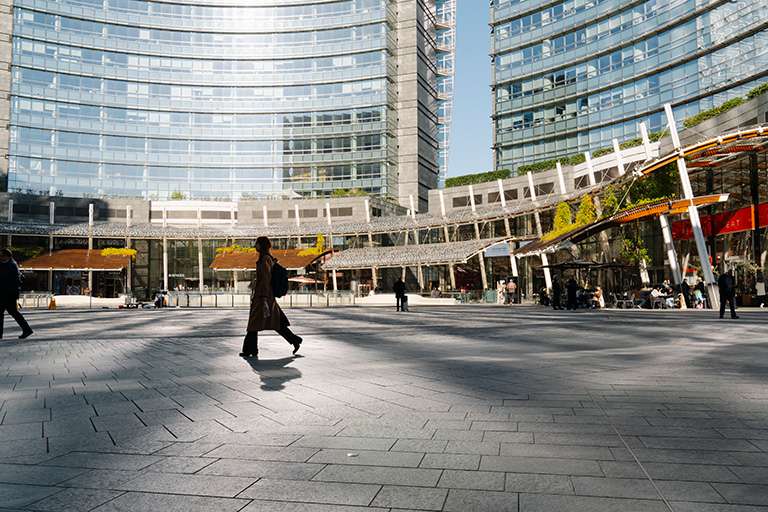
With a short metro or tramcar trip one can reach the charming alleyways of the Brera district, take an evening stroll by the romantic Navigli, window-shop across fashion streets like via Montenapoleone or via della Spiga, breathe freely in Parco Sempione or in another of the many parks and gardens. While the new Milan soars in the Porta Nuova district, with Piazza Gae Aulenti and the Bosco Verticale; and in the CityLife area, with its three towers.
Milan also captivates for the rich vibrancy of the events held throughout the year, starting from the Week&City series, successful in involving the whole city under the banner of a shared theme. Among the most famous are the Fashion Weeks, bringing to Milan the big pret-à-porter brands together with the new emerging fashion houses; Design Week, during Salone del Mobile (Furniture Fair), when creativity takes over the city with events and exhibits; and Art Week, dedicated to contemporary art, with openings, temporary exhibitions and international guests.
Amantea - Cosenza
Villa d'Agri di Marsicovetere - Potenza
Pompei - Napoli
Roccaraso - Blockhaus
Grottammare - Fermo
Sasso Marconi - Corno alle Scale
Forte dei Marmi - Massa
La Spezia - Chiavari
Savona - Novi Ligure
Angera - Verbania
Aymavilles - Pila
Assago - Milano
Biasca (CH) - Carì (CH)
Tione di Trento - Andalo
Valdobbiadene - Pieve di Soligo
Agordo - Alleghe (Piani di Pezzè)
San Daniele del Friuli - Piancavallo
Roma - Roma