profile
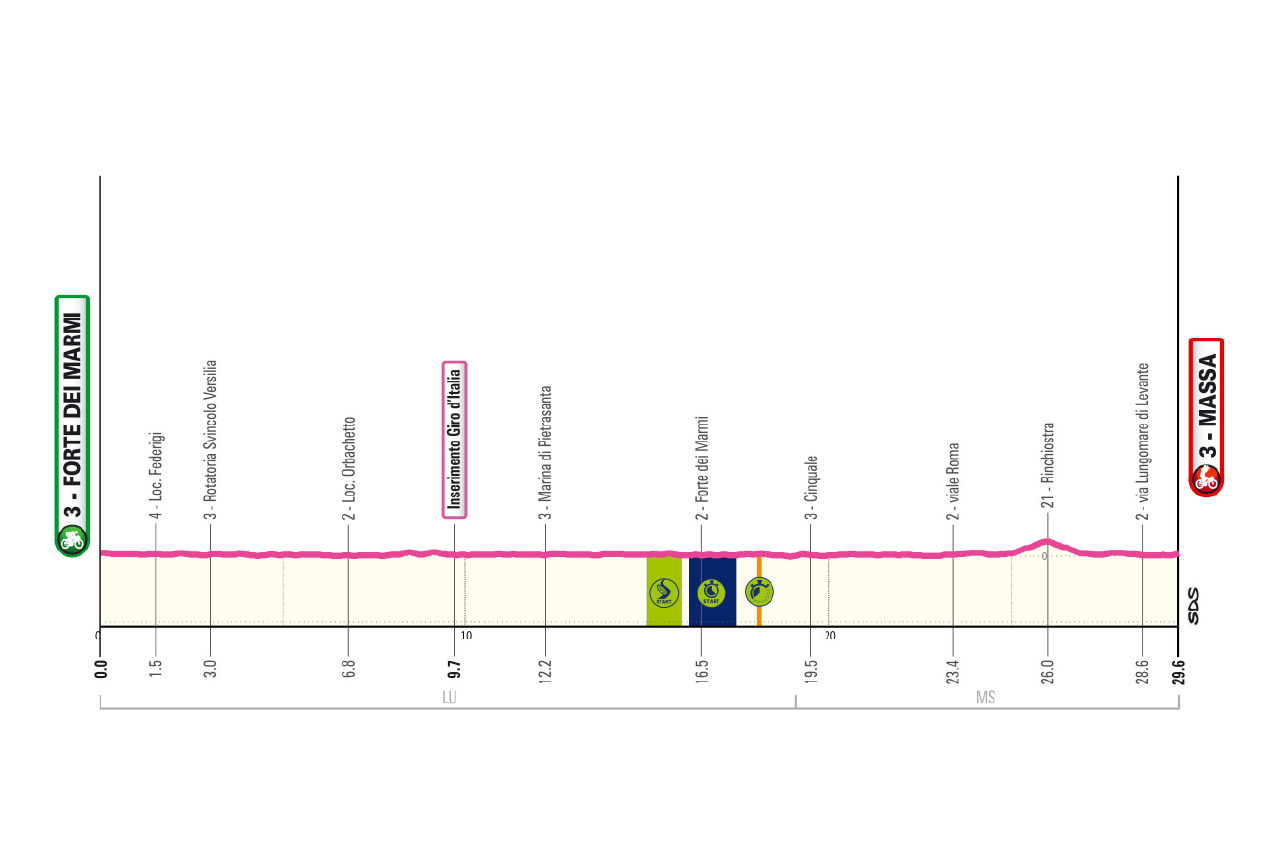
map
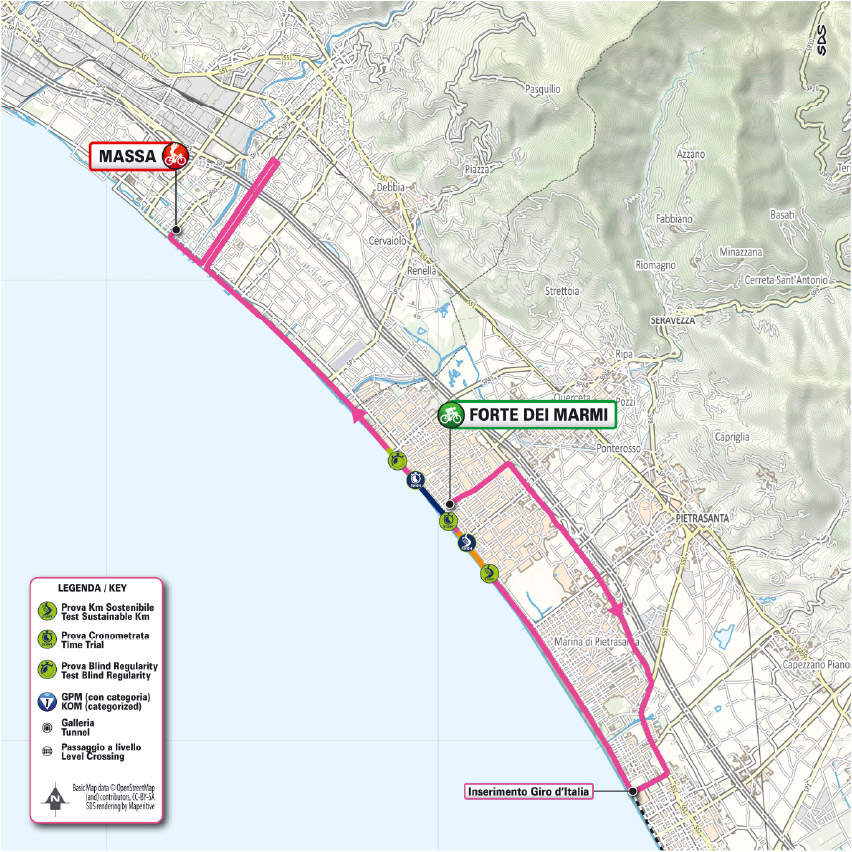
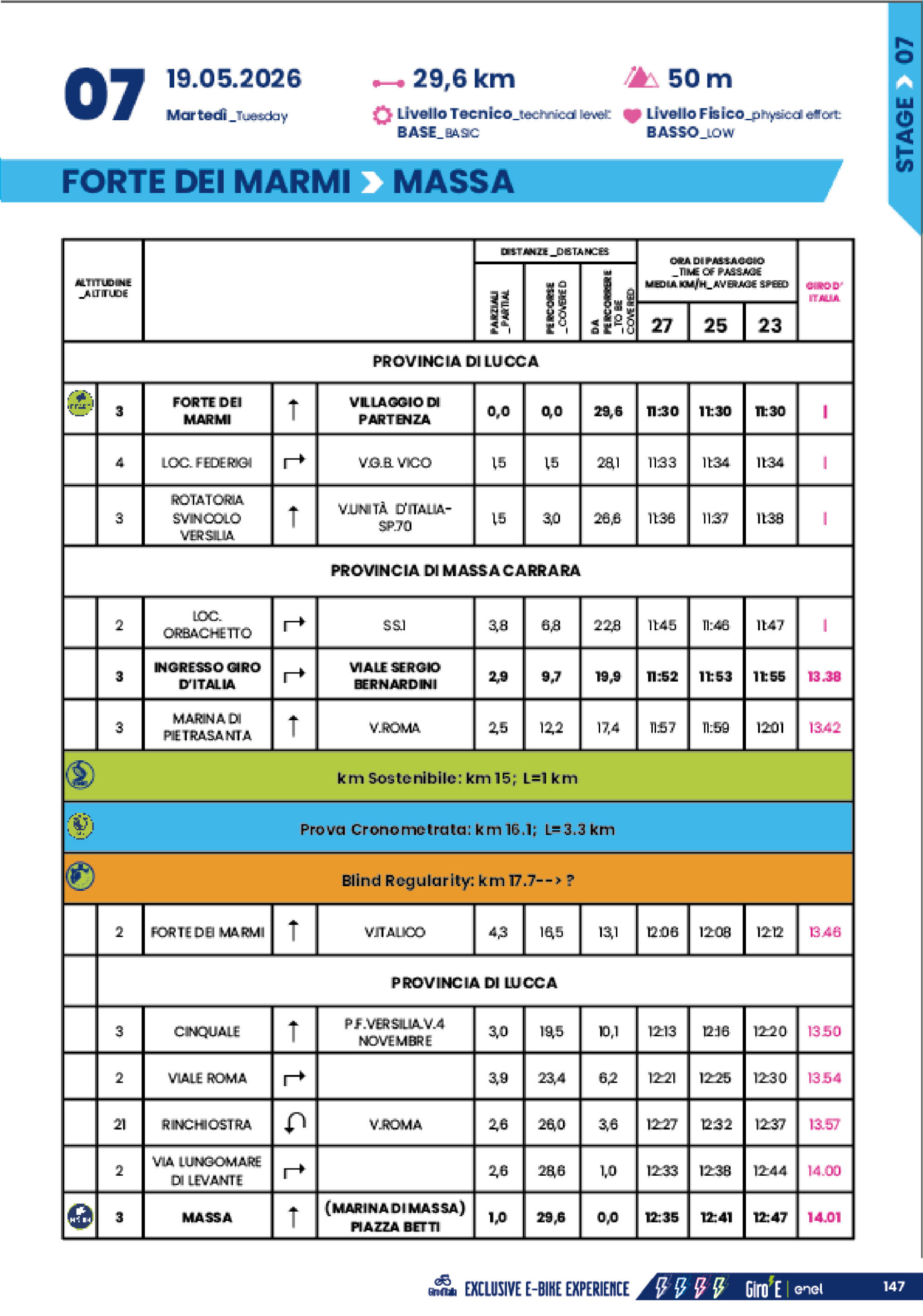
itinerary timetable

Tuesday 19
May 2026
29,6 km
Altitude gain 50 mt
Technical Level: Basic
Physical Effort: Low
 Starting in
Host city:
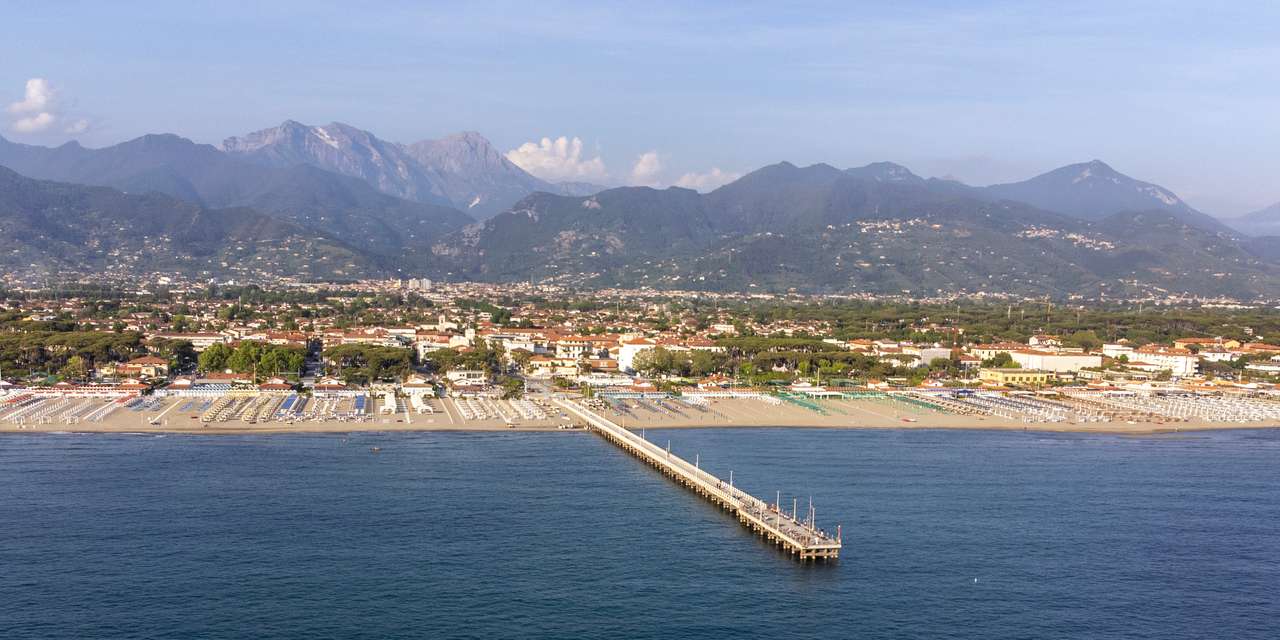
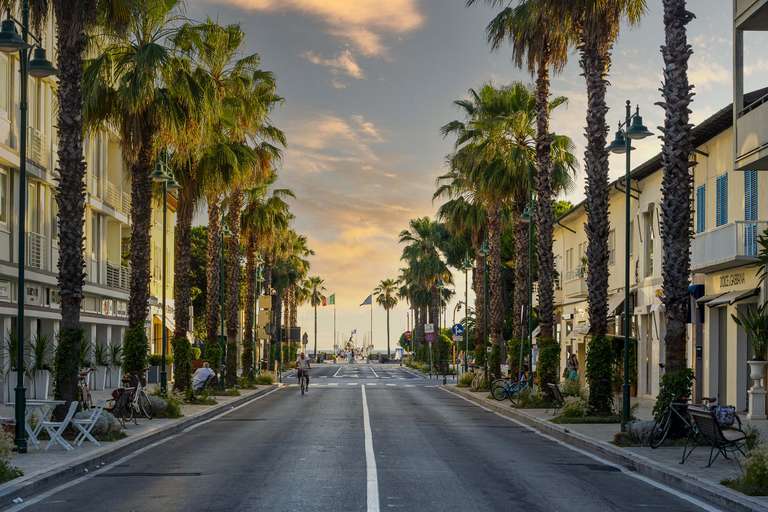
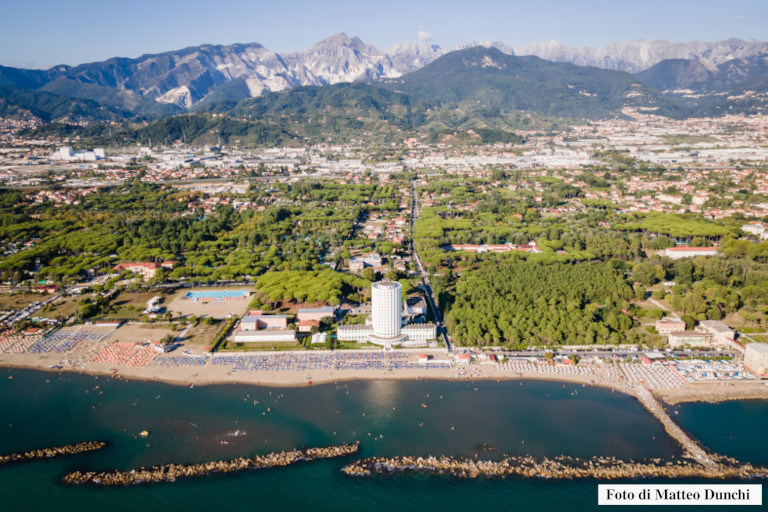
Forte dei Marmi stands as the sophisticated heart of Versilia, a masterclass in coastal elegance where the white peaks of the Apuan Alps meet the shimmering Tyrrhenian Sea. With a year-round population of approximately 7,000 residents, this charming town transforms each summer into an exclusive stage for the international jet set, while meticulously preserving its identity as an elite seaside haven.
Originally a strategic maritime hub for shipping Carrara marble, the town’s modern foundation dates back to 1788, when Grand Duke Leopold I commissioned the construction of the Fortino (the Fortress). Since 19th century, it had become a favored retreat for European aristocracy, evolving throughout the 20th century into a global icon of luxury tourism.
The local cuisine beautifully mirrors the dual spirit of the region: land and sea. The signature spaghetti alle arselle (wedge clams) is a must-try, alongside delicacies like the traditional focaccia and stuffed “muscoli” (local mussels). The town boasts an impressive concentration of Michelin-starred restaurants, where pristine raw ingredients meet culinary innovation.
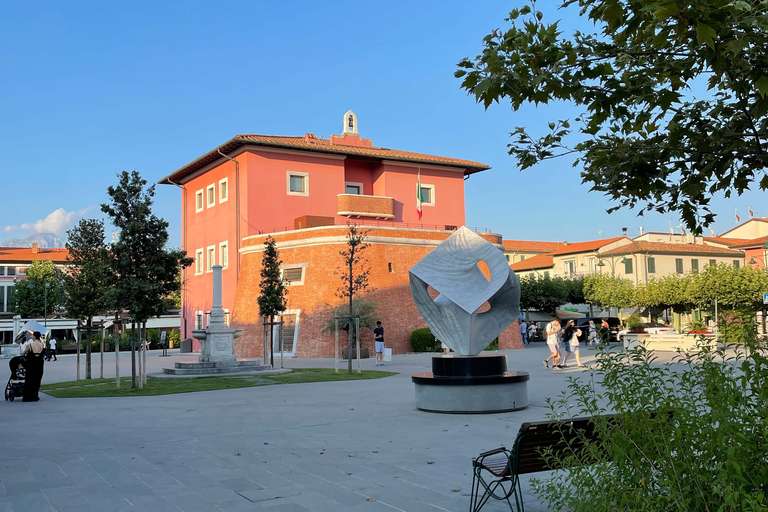
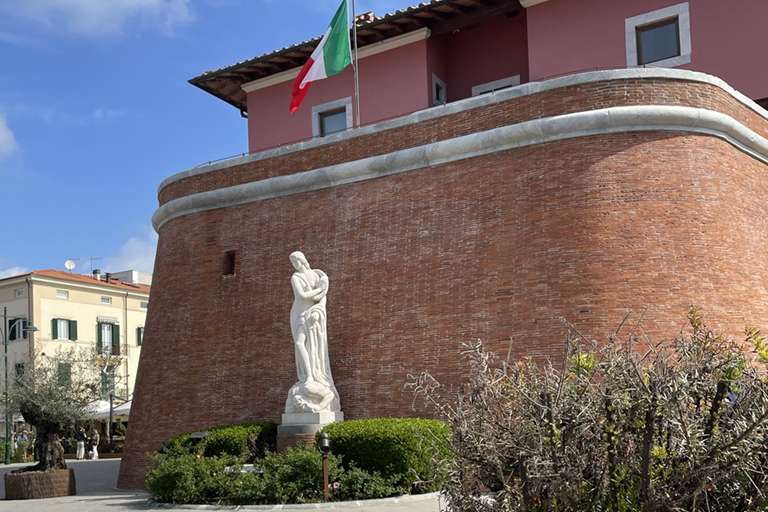
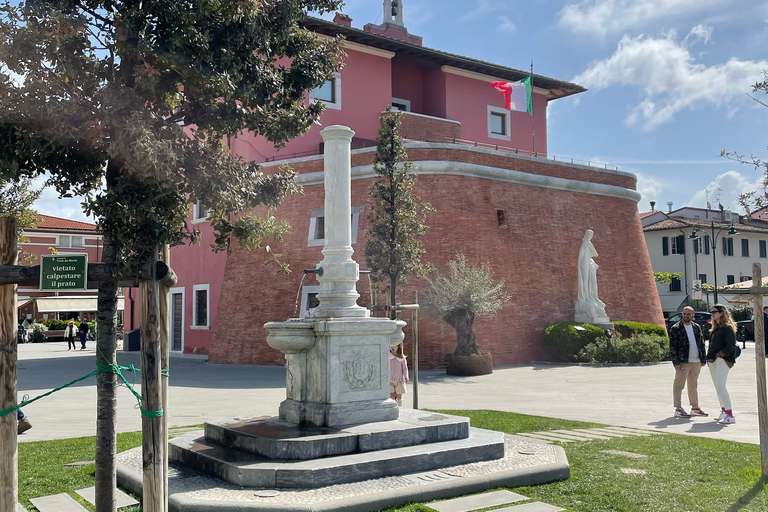
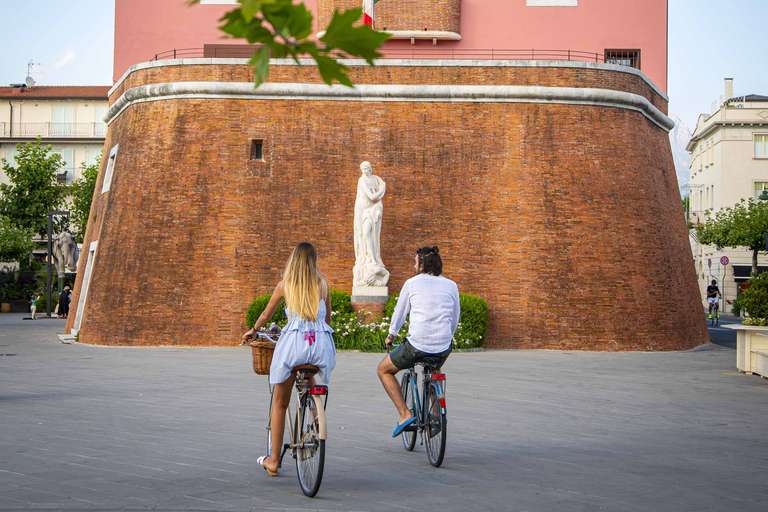
The Fortino (Leopold I Fortress): the beating heart of the town center, this historic structure now serves as a prestigious cultural venue, hosting international exhibitions of history, archaeology, and world-class sculpture.
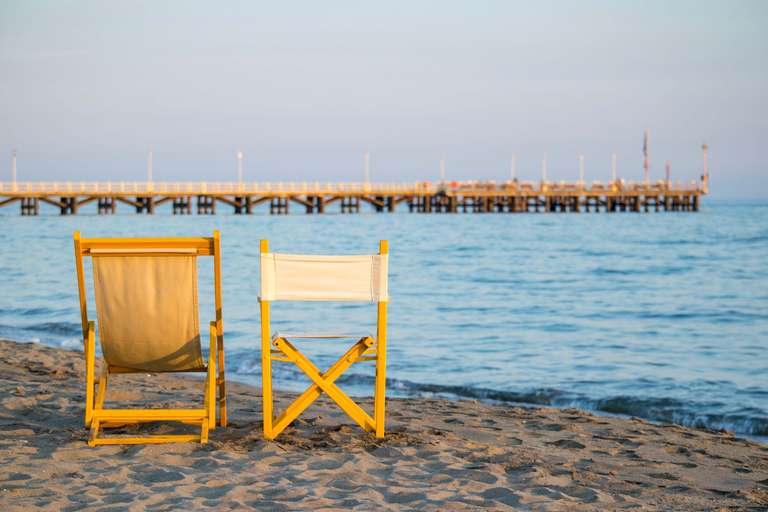
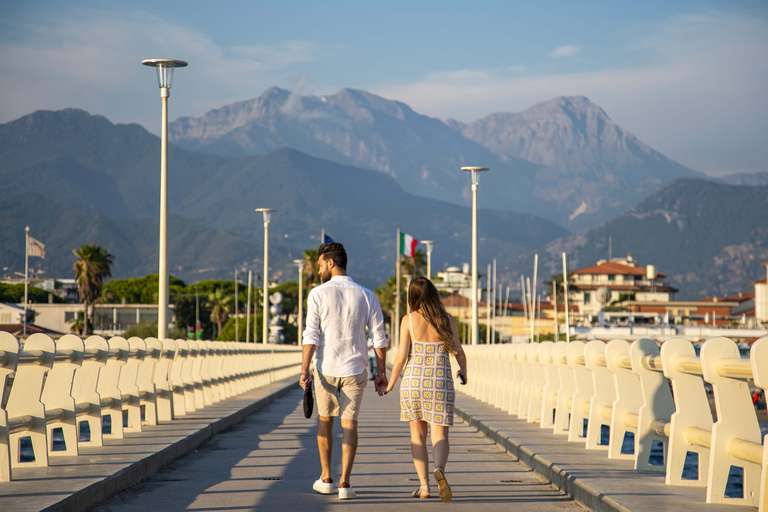
The Pontile (The Pier): once a loading dock for marble blocks, this iconic pier is now a panoramic boardwalk stretching into the sea, offering the coast’s most breathtaking sunset views.
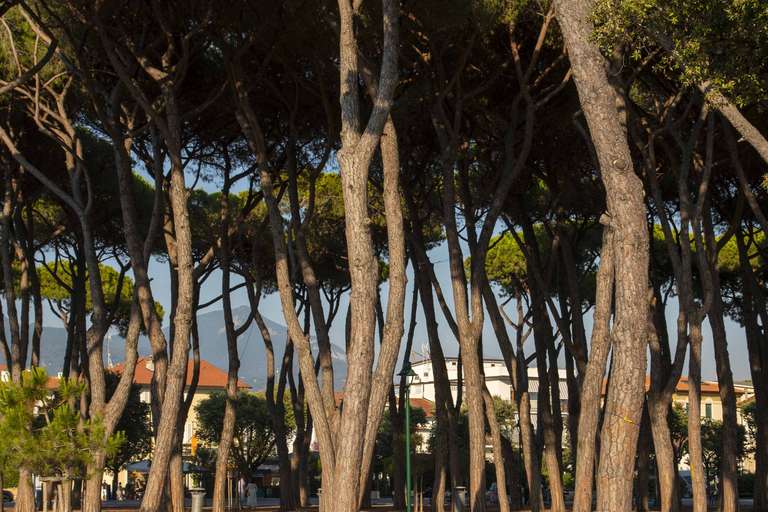
Roma Imperiale: a residential district renowned for its architectural masterpieces and historic villas, all discreetly hidden within lush, centuries-old pine groves.
The Wednesday Market: a legendary open-air “boutique” where visitors find the finest Italian craftsmanship, from artisanal leather to exquisite cashmere.
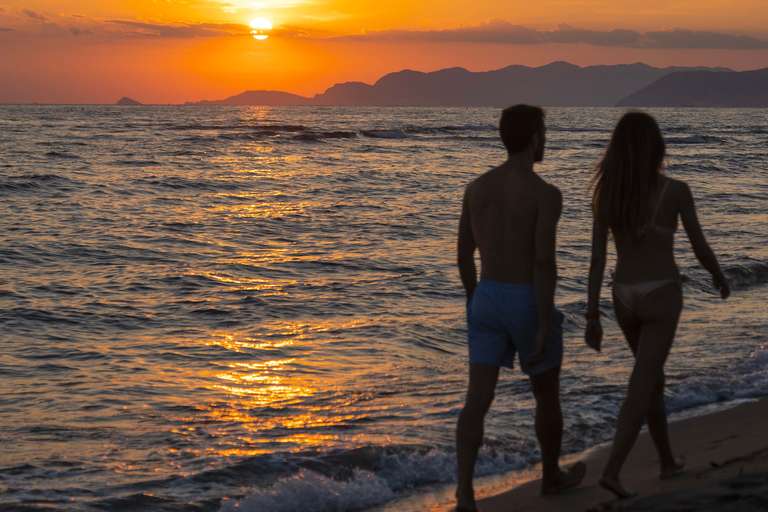
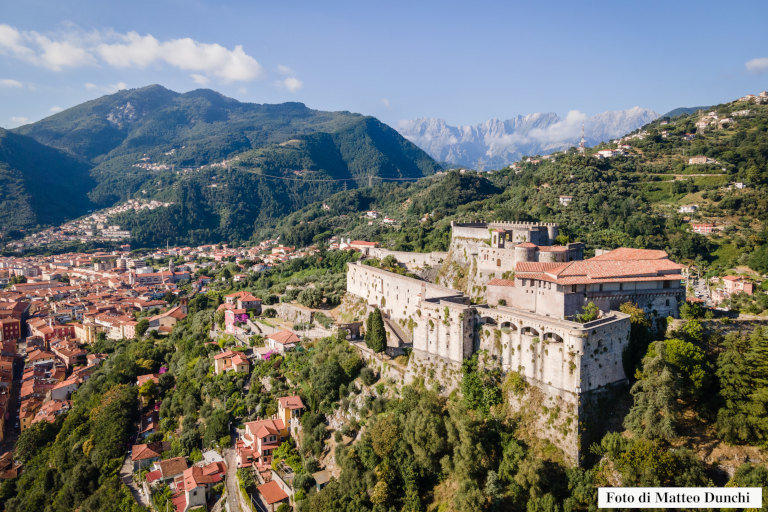
Located in north-western Tuscany at the foot of the Apuan Alps, Massa is the capital of the province of Massa-Carrara. The city stretches between the Tyrrhenian coastal plain and the mountainous hinterland, combining sea and highlands within a short distance. The historic centre retains a medieval layout dominated by the Malaspina Castle, which overlooks the town from above. During the 20th century, Massa underwent steady urban and industrial development, alongside the tourist vocation of the seaside resort of Marina di Massa.
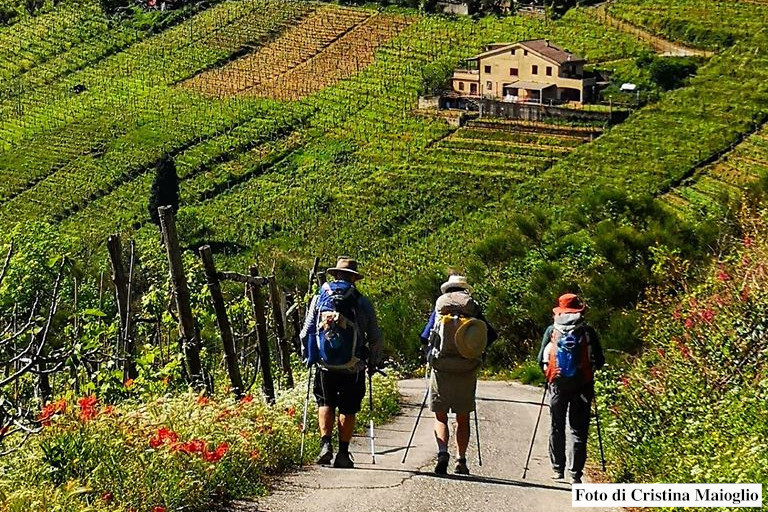
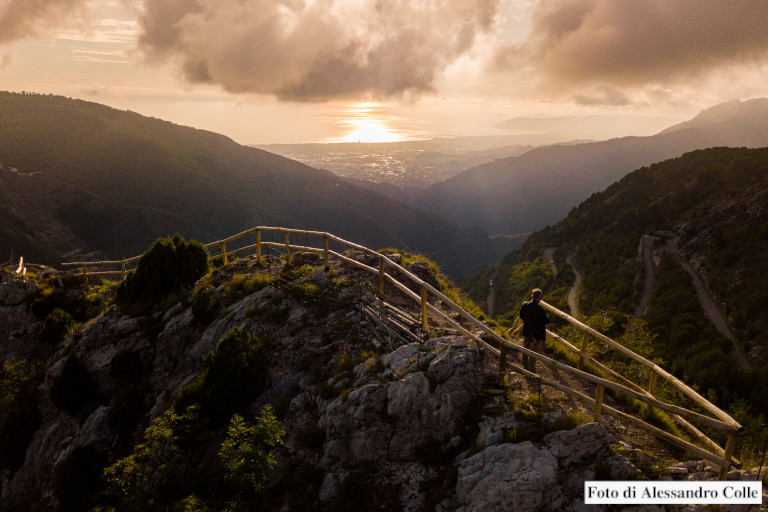
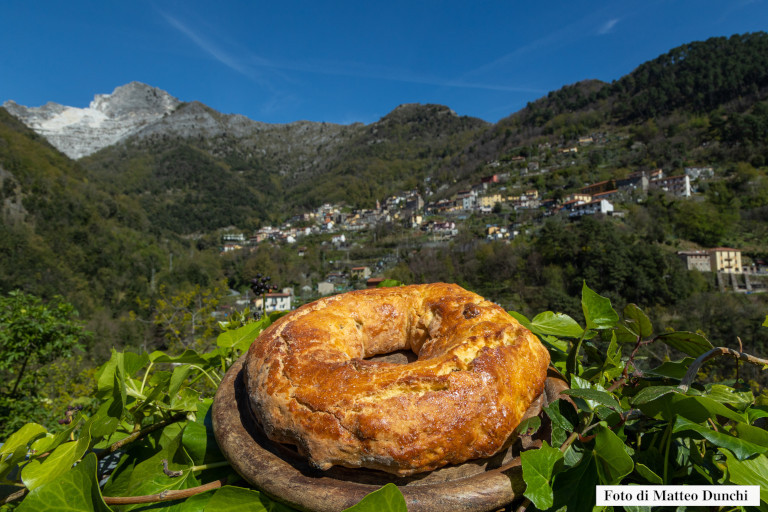
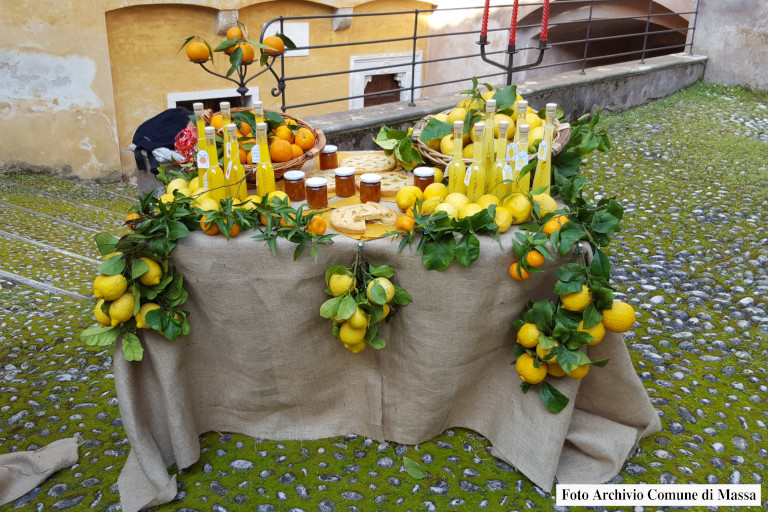
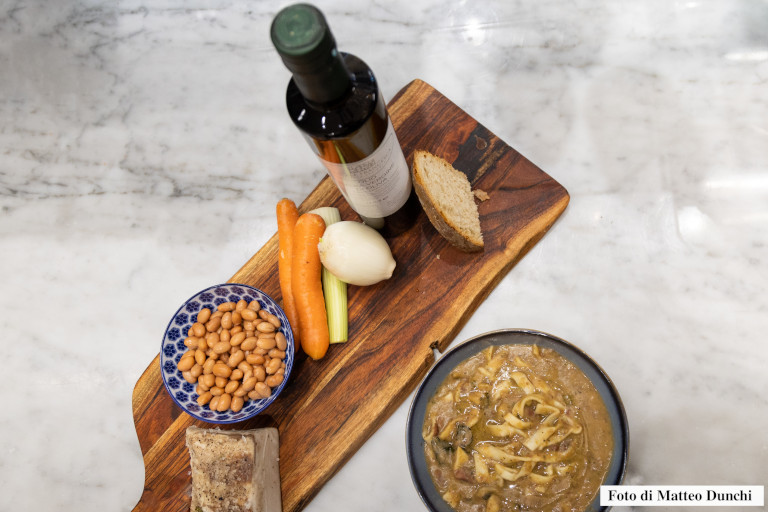
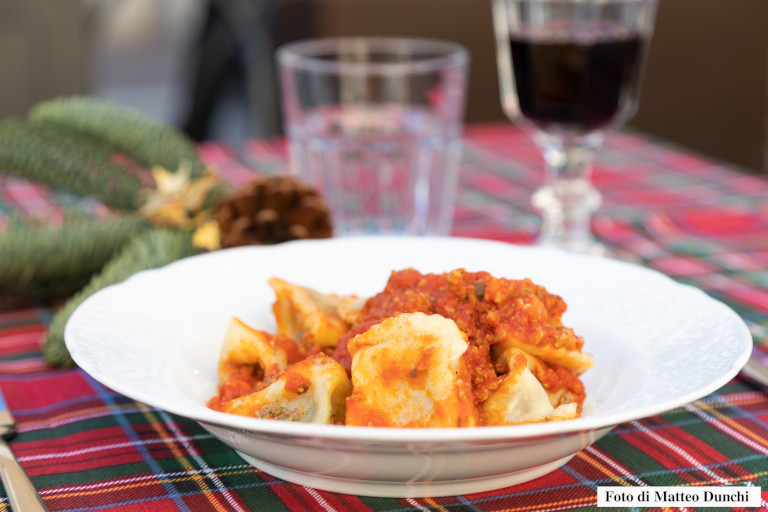
Massa’s culinary tradition reflects its unique position between sea, hills, and mountains, drawing on the rich produce of the Apuan territory. Among its standout specialties are tordelli, ravioli filled with mixed meats, cheeses, and aromatic herbs, typically served with ragù and closely associated with festive occasions. From the same preparation comes lasagna intordellata, a resourceful dish that makes use of leftover pasta and filling. Local products include the fragrant limone massese, cultivated since the 14th century, along with Riviera Apuan onions and honey—especially chestnut honey. Also typical is pattona, made from flour and cooked between metal plates, and pane di San Carlo, linked to the spring of the same name. On the sweet side, traditional desserts such as torta di riso and the classic ciorchiello round out Massa’s rich and varied food heritage.
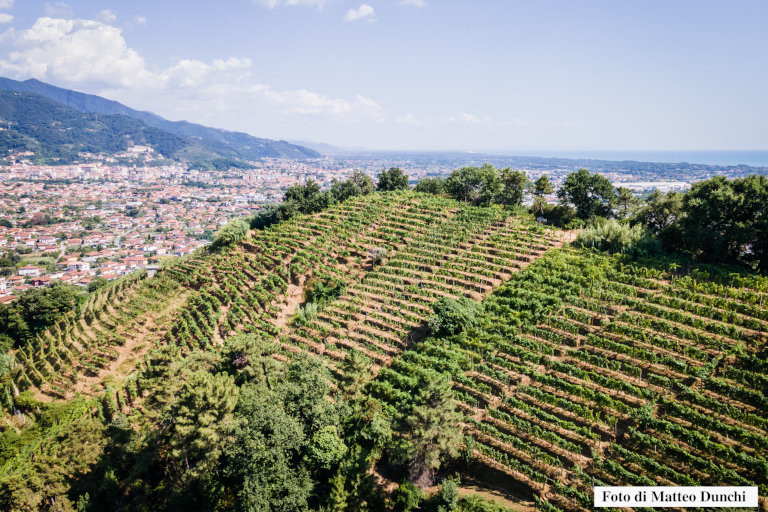
The Massa area is defined by exceptionally pure waters, sourced from the springs of the Apuan Alps and naturally filtered through limestone rock, giving them a balanced mineral composition. On the winemaking side, Candia dei Colli Apuani DOC stands out as the territory’s signature wine, produced in a unique microclimate shaped by proximity to the sea and the sun-exposed hillsides. These conditions allow the grapes to ripen perfectly, enhancing the quality of the final wine, which is traditionally paired with the local cuisinei.
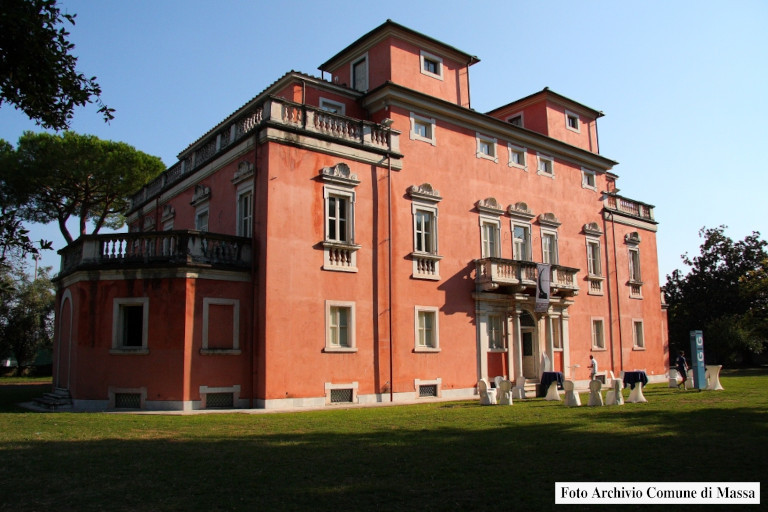
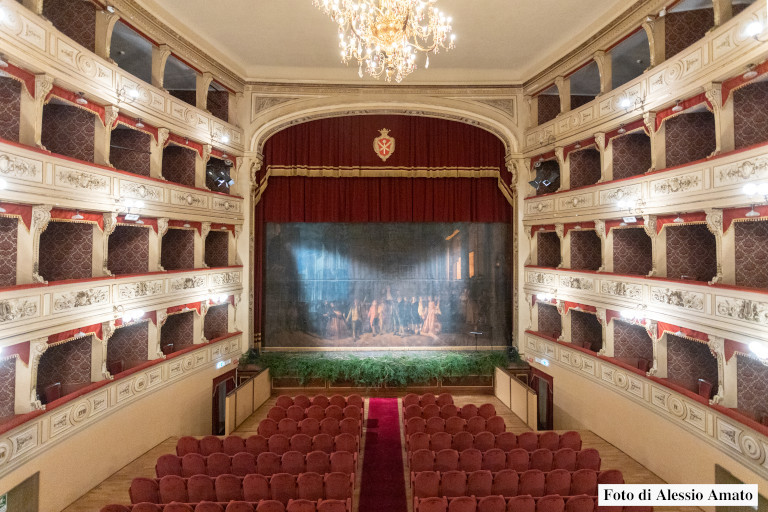
Massa’s heritage unfolds through a rich blend of historic landmarks, monumental architecture, and cultural spaces. Among its most iconic symbols is the Malaspina Castle, a medieval fortress perched on a rocky hill, preserving elements from the Romanesque to the Renaissance period, including its inner courtyard and imposing keep. At the heart of the city lies Piazza Aranci, dominated by the Ducal Palace, a 16th-century residence commissioned by the Cybo-Malaspina family, known for its elegant halls and representative spaces. The Cathedral, rebuilt in the modern era on earlier foundations, houses the Cybo-Malaspina Chapel and features a single nave with side chapels and notable artworks. Cultural life is enriched by the Guglielmi Theatre, active since the 19th century and a key venue for the city’s artistic scene, and Villa Cuturi, an important exhibition space overlooking the sea.
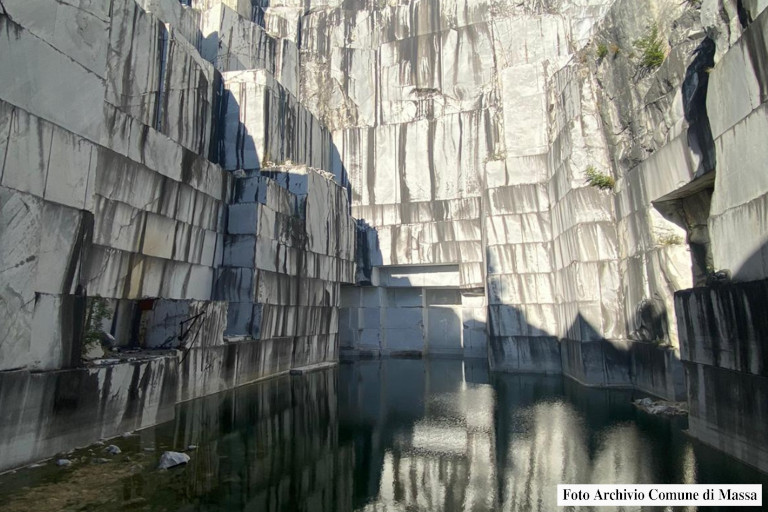
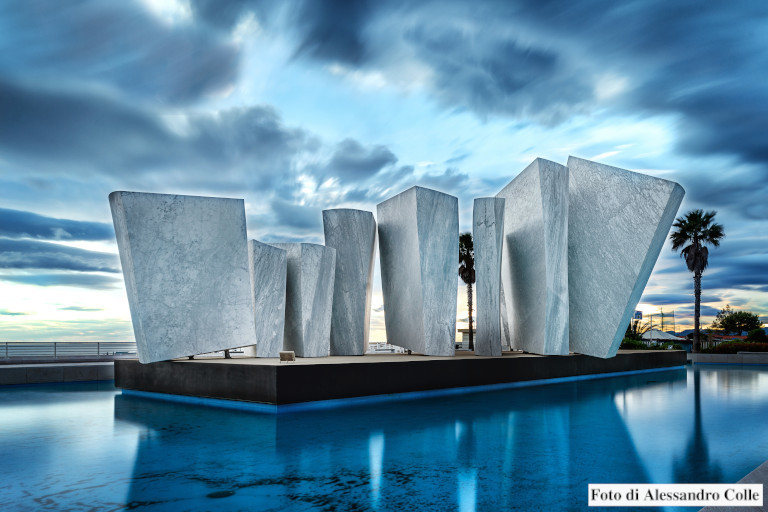
On the contemporary side, the Guadagnucci Museum, set within Villa Rinchiostra, is dedicated to sculpture and marble craftsmanship, reflecting the area’s deep connection to this material. This link to the territory continues along the seafront with Piazza Bad Kissingen and the marble installation “Le Vele.” Historic routes such as the Via Francigena and the Via Vandelli cross the area, offering cultural itineraries between the sea and the Apuan Alps. Completing the picture are landmarks like the Torre Fiat (now Torre Marina), a striking example of 20th-century architecture, and a wider landscape that reveals the city’s layered history and strong connection to its surroundings.
Amantea - Cosenza
Villa d'Agri di Marsicovetere - Potenza
Pompei - Napoli
Roccaraso - Blockhaus
Grottammare - Fermo
Sasso Marconi - Corno alle Scale
Forte dei Marmi - Massa
La Spezia - Chiavari
Savona - Novi Ligure
Angera - Verbania
Aymavilles - Pila
Assago - Milano
Biasca (CH) - Carì (CH)
Tione di Trento - Andalo
Valdobbiadene - Pieve di Soligo
Agordo - Alleghe (Piani di Pezzè)
San Daniele del Friuli - Piancavallo
Roma - Roma