
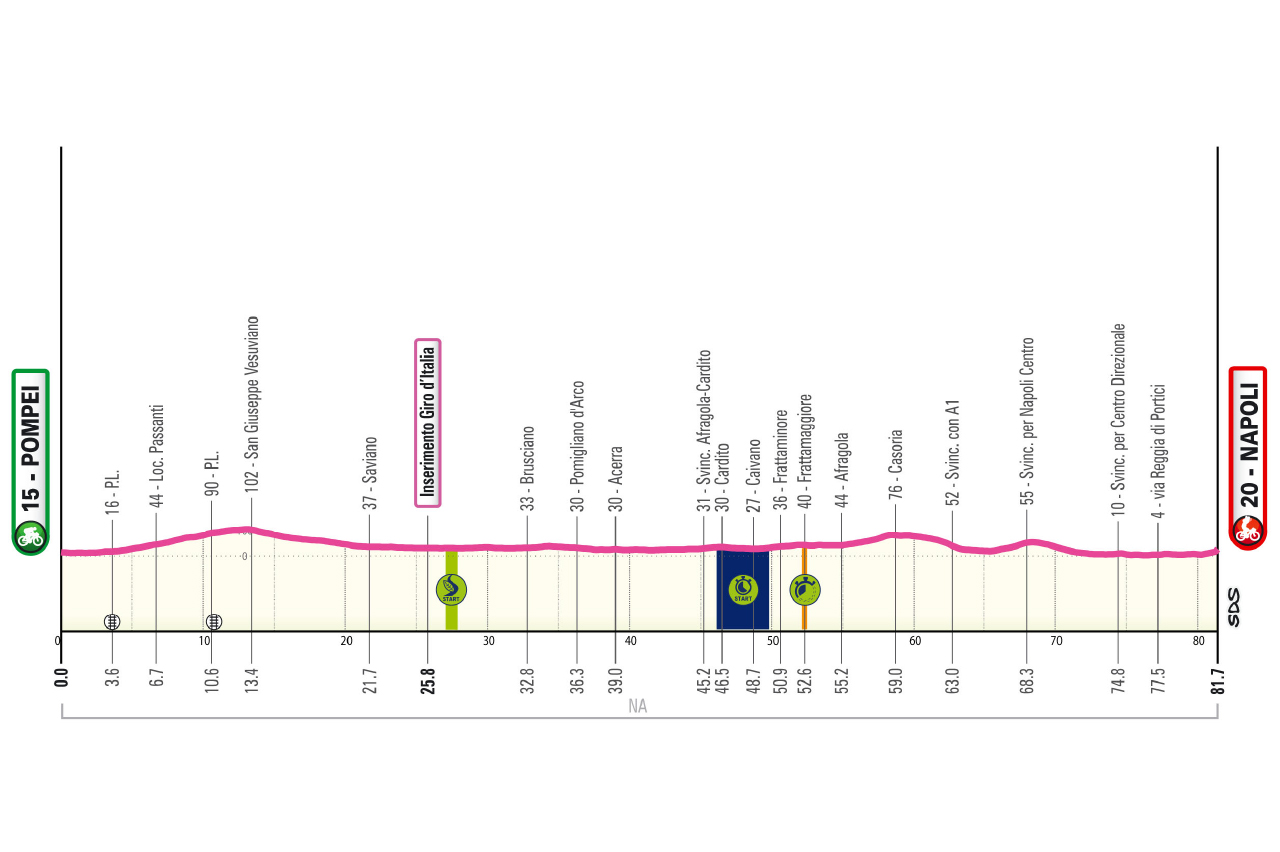
profile
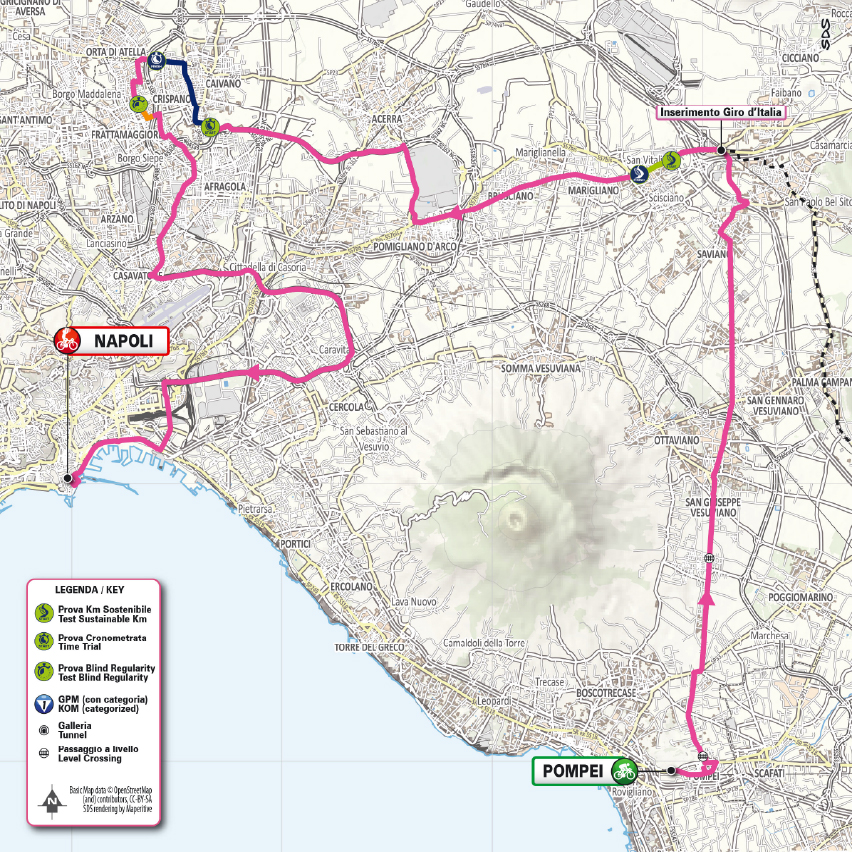
map
itinerary timetable
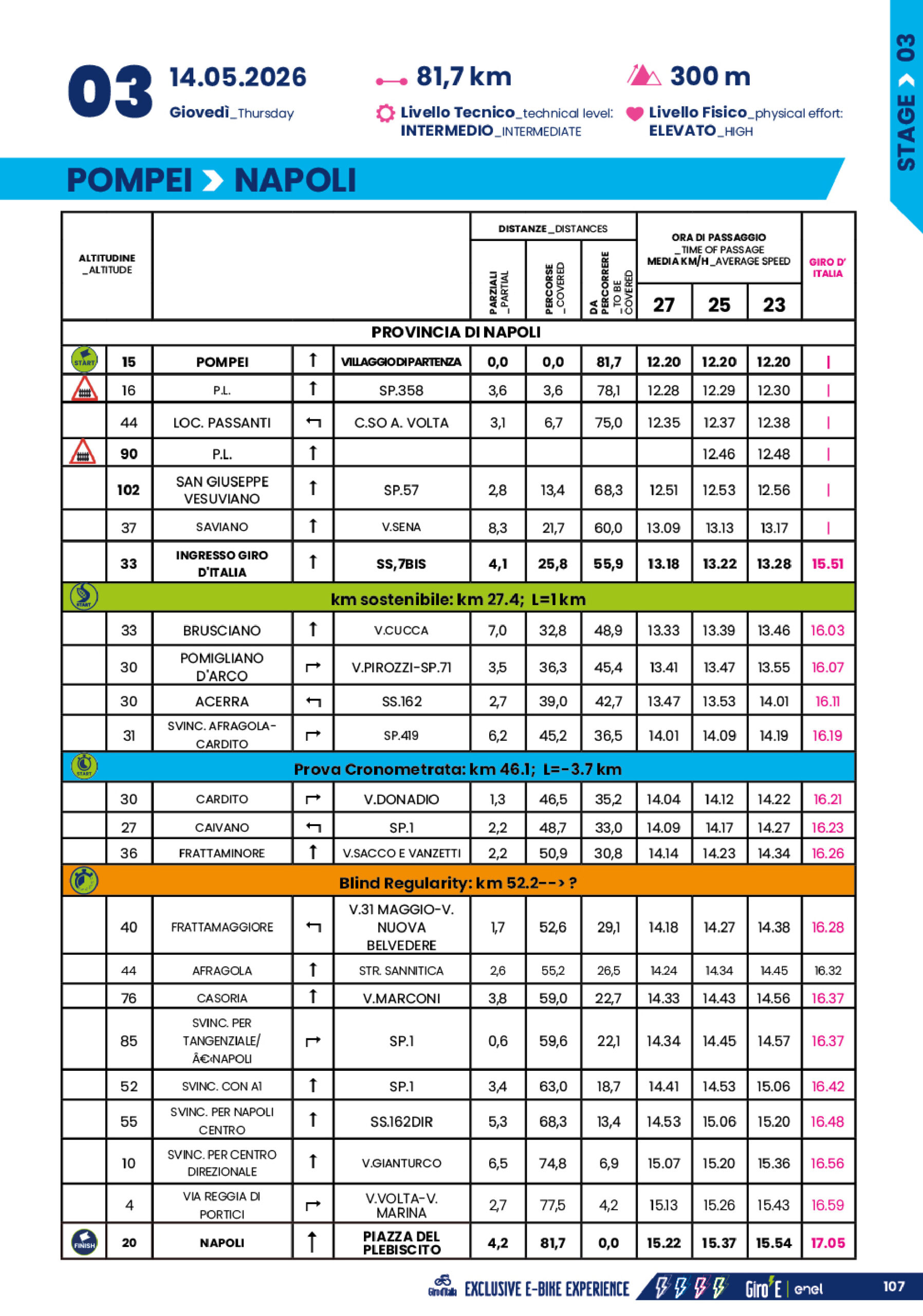

Thursday 14
May 2026
81,7 km
Altitude gain 300 mt
Technical Level: Intermediate
Physical Effort: High
 Starting in
Host city:
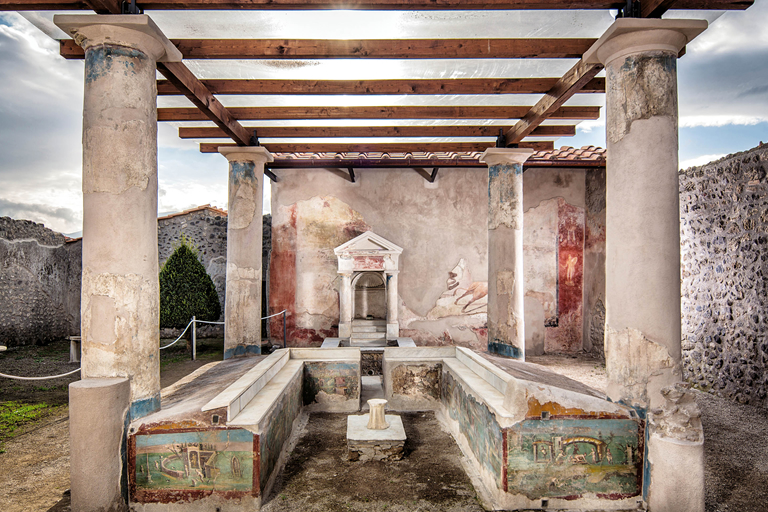
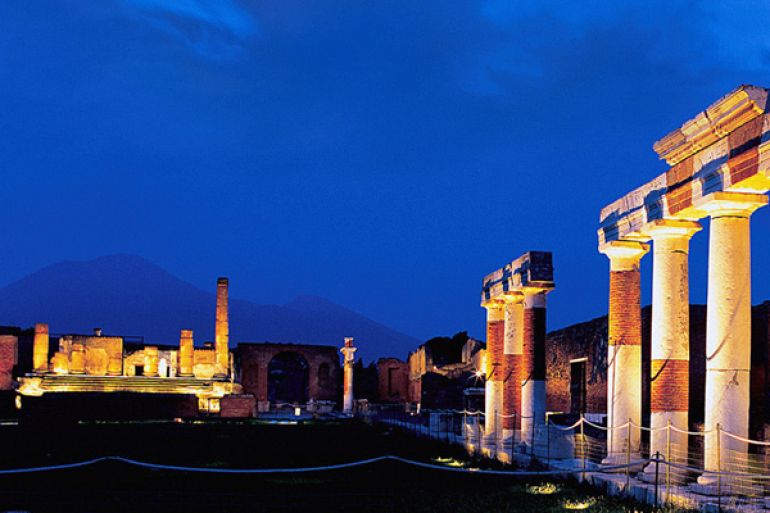
Pompeii Archaeological Park: Pompeii is the only archaeological site in the world that can show the appearance of an ancient Roman centre in its entirety. Rich in trade and bustling with life, the city was as if crystallised by the famous eruption of 79 b.C., during which a storm of ash and lapilli swallowed its inhabitants, houses, streets, public buildings and objects of everyday life. Everything was as if ‘frozen’ in a terrible snapshot. A World Heritage Site since 1997, the surface area of the ancient city covers about 66 hectares, while the excavated area is about 44. One thousand five hundred buildings (domus and monuments) have been brought to light. This is not simply an extensive archaeological area, but a complex urban organism, an entire ancient city, which recovered from the earthquake of 62 b.C. only to be hit shortly afterwards by the Vesuvian eruption of 79 b.C.
The “Piennolo del Vesuvio” PDO tomato: this is one of the oldest and most distinctive agricultural products in Campania, so much so that it is even depicted in the scene of the traditional Neapolitan nativity scene. For the purposes of safeguarding the product, it was found that the special feature common to Vesuvius cherry tomatoes is the ancient practice of preserving them ‘al piennolo’, i.e. a characteristic technique for tying a few bunches of ripe tomatoes together to form a large bunch that is then hung in ventilated rooms, thus ensuring optimal preservation until the end of the winter.
Sito Protostorico Longola – Poggiomarino: in November 2000, during excavations for the construction of one of the four water purifiers of the Sarno river, archaeological finds surfaced in Poggiomarino which prompted work supervisors to inform the Archaeological Superintendency of Pompeii, now the Archaeological Park of Pompeii. The archaeological site of Longola, defined by archaeologists as a “Venice of 3500 years ago”, represents a very useful piece of evidence for the reconstruction of a time span ranging from the advanced phase of the Middle Bronze Age (15th-13th century b.C.) to the recent Orientalizing period (early 6th century b.C.) for the history of the Sarno valley.
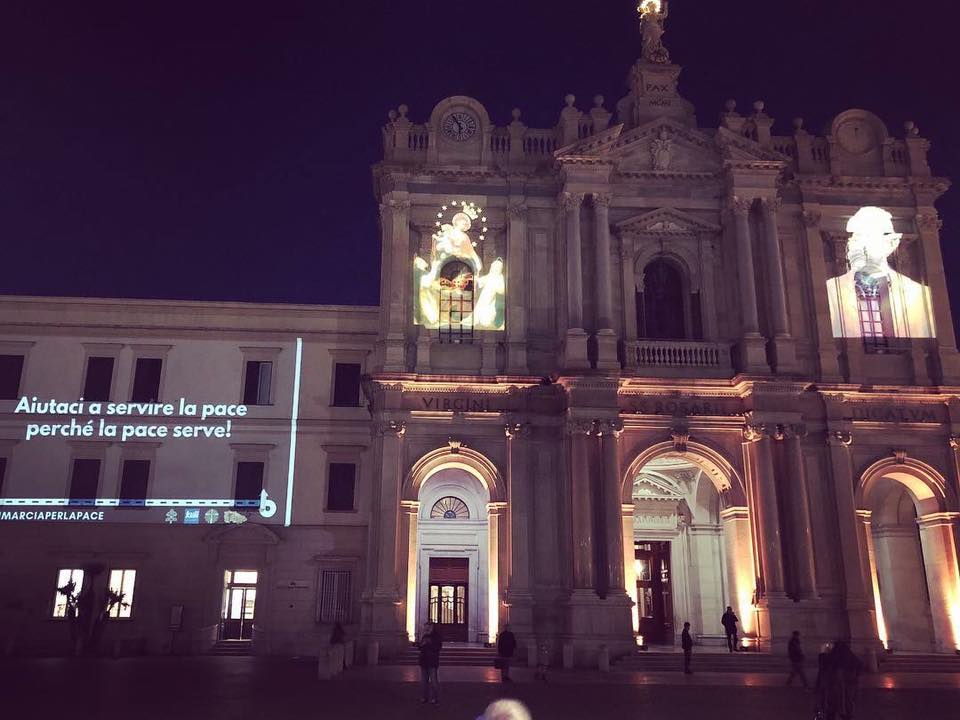
The sanctuary of Pompeii: an enchanting place of art, and not only because of the paintings on the domes’ ceilings. Its Baroque architecture, with its imposing white and gold façade, makes it, with its 3 million visitors a year, the most visited sanctuary in Italy, beating illustrious competitors such as St. Anthony of Padua and St. Francis of Assisi.
Early Christian Basilica of Cimitile: an exemplary monument of the transition from the Roman to the medieval age, from paganism to Christianity.
(the first buildings date back to the 4th century a.C.), the basilica complex of Cimitile represents a centre of culture and religiosity whose fame crosses regional borders. The history of the sanctuary is linked to the presence of the remains of the martyr Felix, on whose tomb stands one of the oldest churches in Campania.
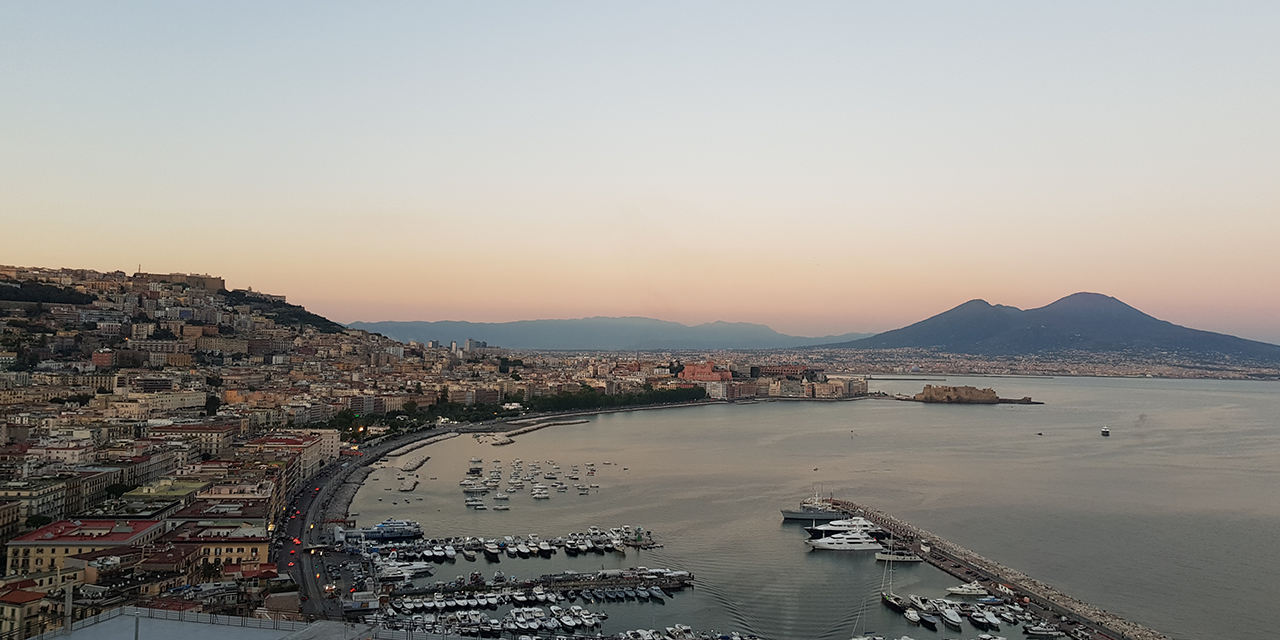
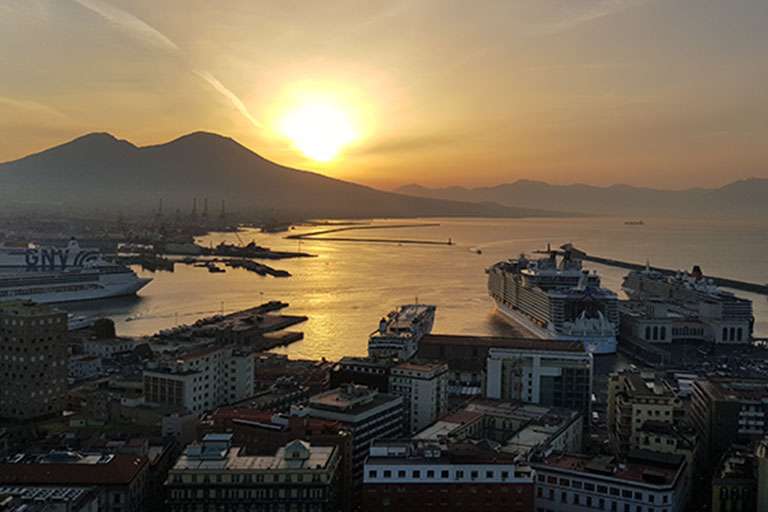
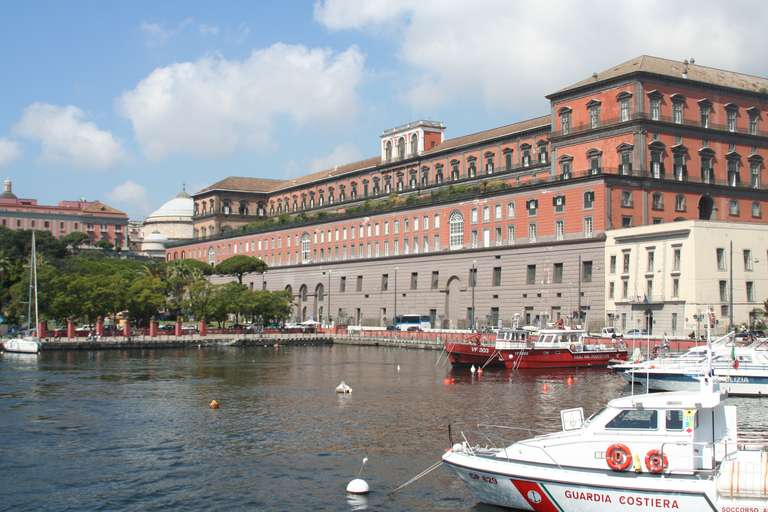
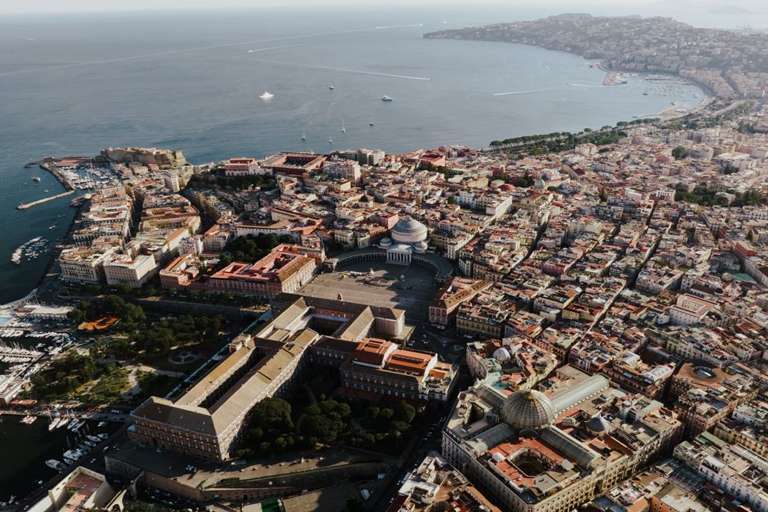
Overlooking the bay that bears its name, with Mount Vesuvius dominating the skyline, Naples is one of the oldest and most historically layered cities in Europe. Founded by the Greeks as Neapolis, it has experienced more than two thousand years of history while maintaining a unique urban continuity. Its historic centre, one of the largest in Europe, is recognised as a UNESCO World Heritage Site and preserves an artistic and architectural heritage of exceptional richness. A cultural capital of southern Italy, Naples has long been a crossroads of peoples, languages and traditions, deeply connected to the sea and its surrounding territory.
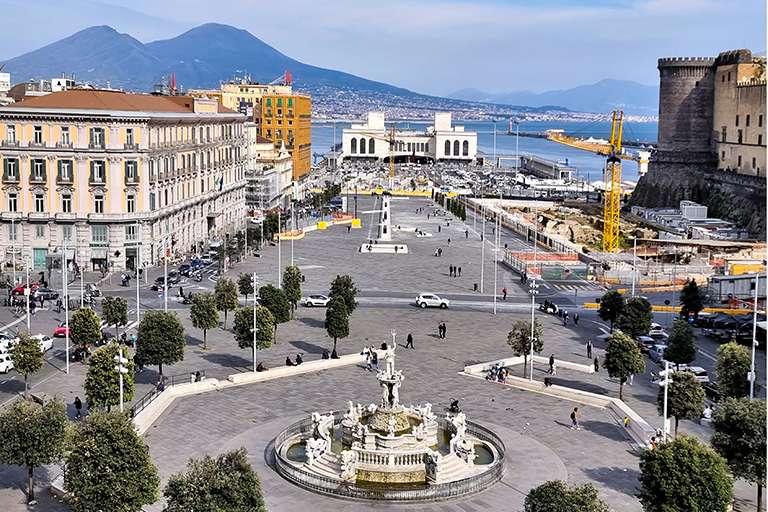
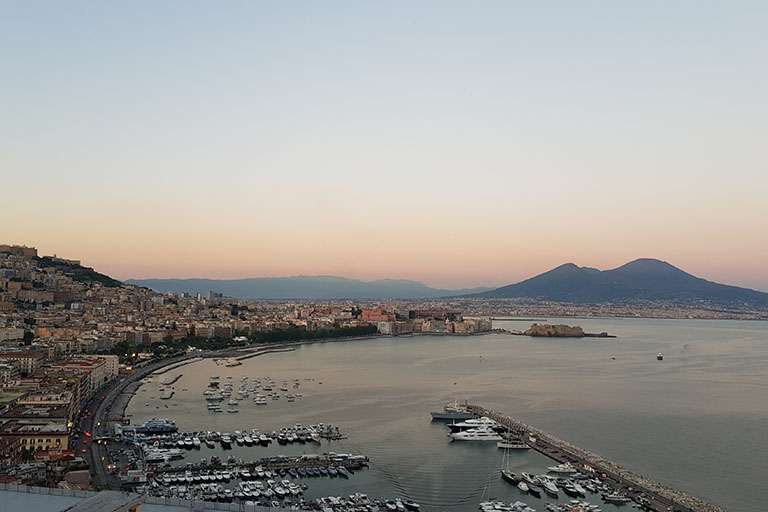
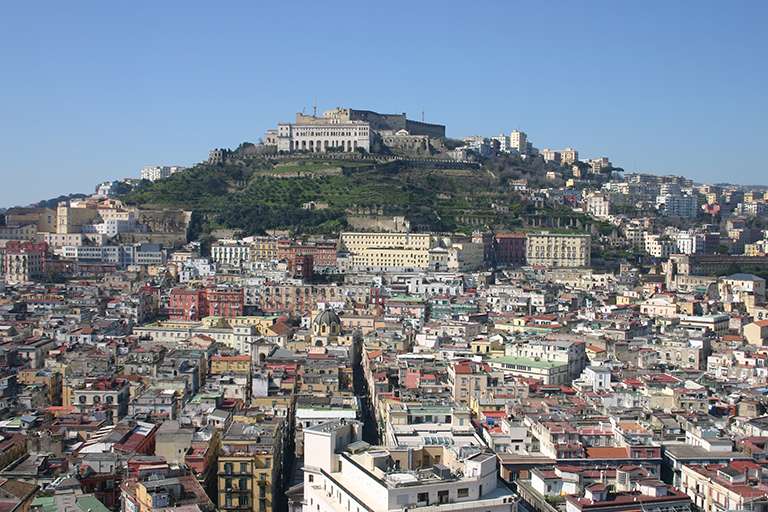
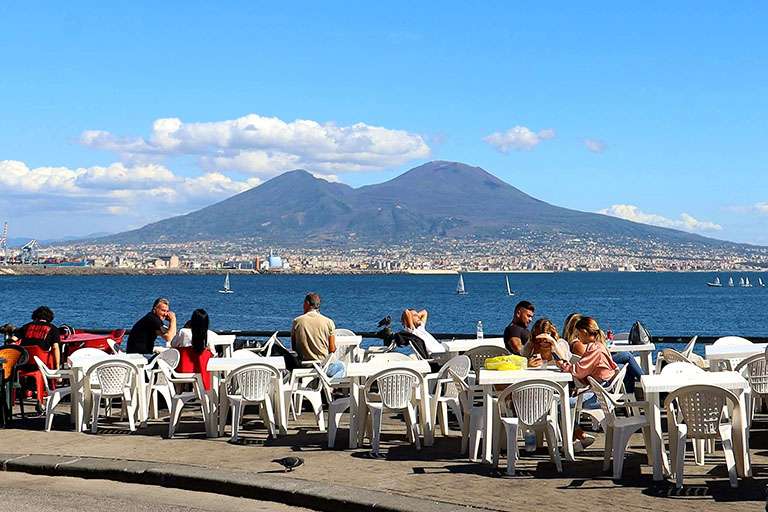
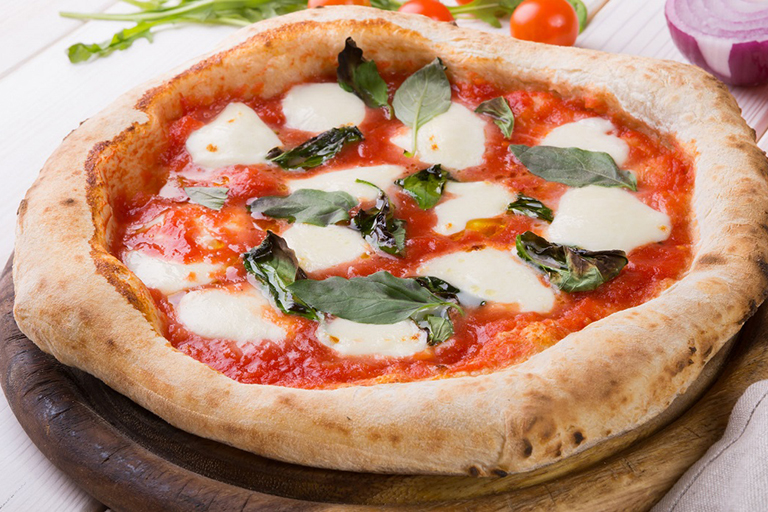
Naples’ gastronomy is one of the most recognisable and influential in the world, a true expression of a popular tradition that transforms simple ingredients into global icons. At its heart lies Neapolitan pizza, protected as a Traditional Speciality Guaranteed – whether Margherita or Marinara, it is built on a perfect balance of dough, tomato, mozzarella, and wood-fired cooking. Alongside it thrives a rich and varied cuisine, featuring dishes such as pasta and potatoes, often enriched with smoked provola, and spaghetti with clams, rooted in maritime tradition. The city is equally renowned for its desserts: sfogliatella, in both its crisp and shortcrust versions, pastiera napoletana, a symbol of Easter, and babà, a soft rum-soaked cake, all reflecting a refined and deeply rooted sweet tradition. Street food plays a central role in daily life, with favourites like pizza a portafoglio, cuoppo of fried delicacies, and fried pasta frittatine.


The Naples and Campania region is among the richest and oldest wine areas in Italy, shaped by volcanic soils and favourable climate conditions. Among the most representative white wines are Falanghina, fresh and aromatic, and Greco di Tufo, known for its structure and complexity. Fiano di Avellino also stands out for its elegance and ageing potential. On the red side, Aglianico is one of southern Italy’s most important grapes, forming the basis of powerful, long-lived wines such as Taurasi.
Alongside wine, local traditions include iconic liqueurs and drinks such as limoncello, made from lemon peels, and the Neapolitan coffee, an essential part of everyday culture, prepared through time-honoured rituals and deeply tied to the city’s identity.

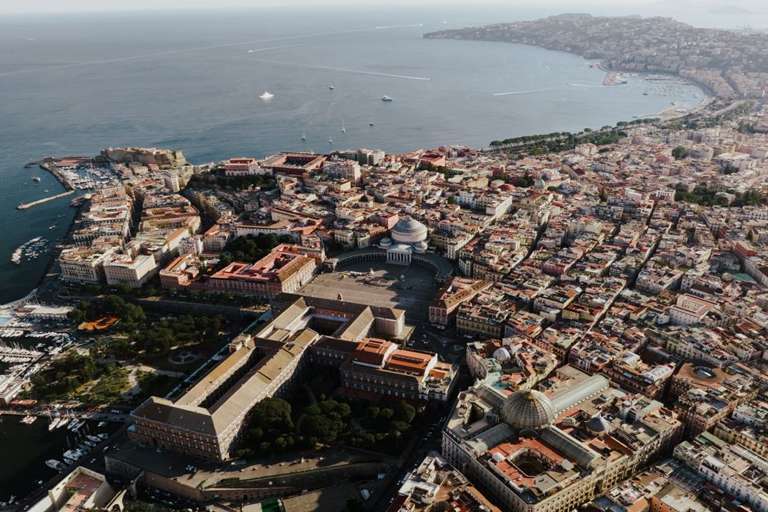
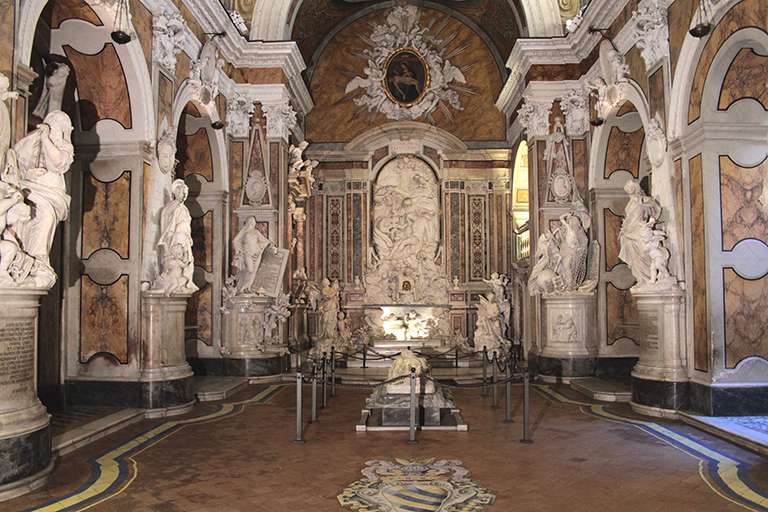
Naples is one of Europe’s oldest cities, holding an extraordinary historical, artistic, and cultural heritage. Its historic centre, one of the largest on the continent, is a UNESCO World Heritage Site, where the original Greek and Roman layout can still be traced in the grid of decumani and cardini.
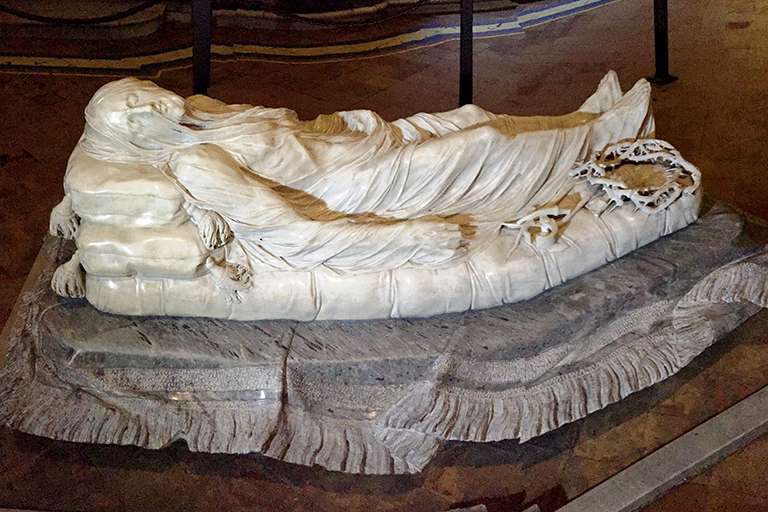
Among its defining landmarks is the Cathedral of Naples, dedicated to San Gennaro, famous for the miracle of the liquefaction of his blood. The San Gregorio Armeno complex is renowned for its artisan workshops devoted to the art of nativity scenes.
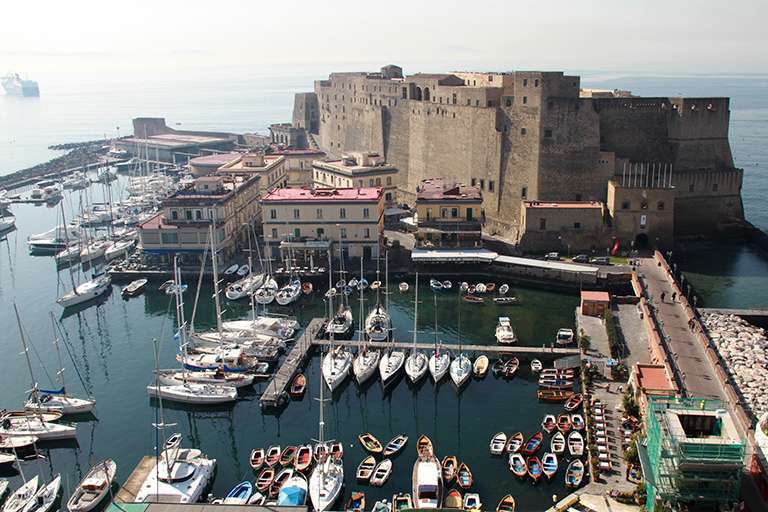
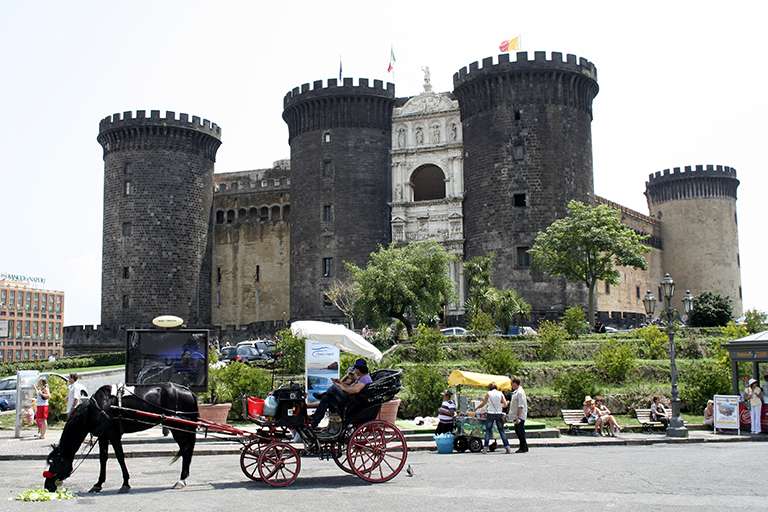
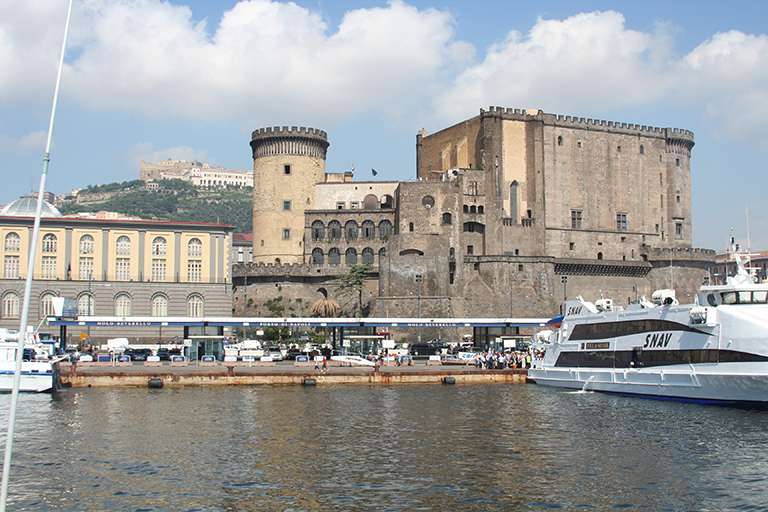
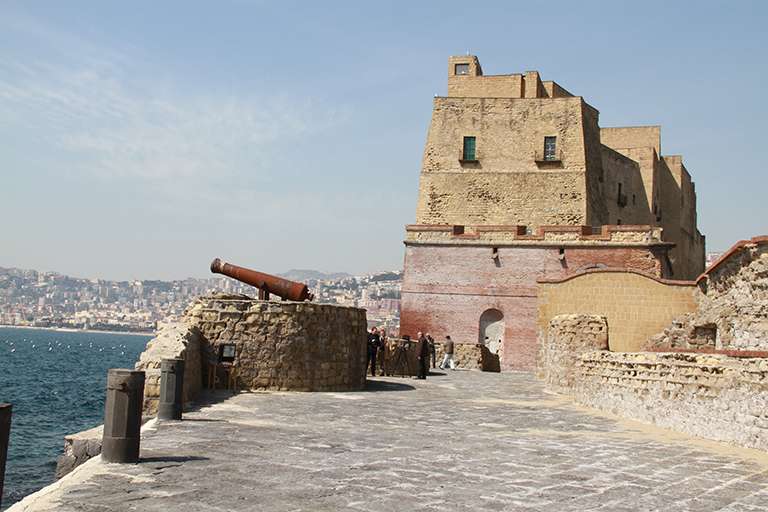
The city’s artistic wealth is further showcased in institutions such as the National Archaeological Museum, home to one of the world’s most important collections of Roman art, including finds from Pompeii and Herculaneum. Naples is also defined by its historic castles: Castel dell’Ovo, set on the seafront, Castel Nuovo (Maschio Angioino), and Castel Sant’Elmo, which offers sweeping views over the city and the bay.
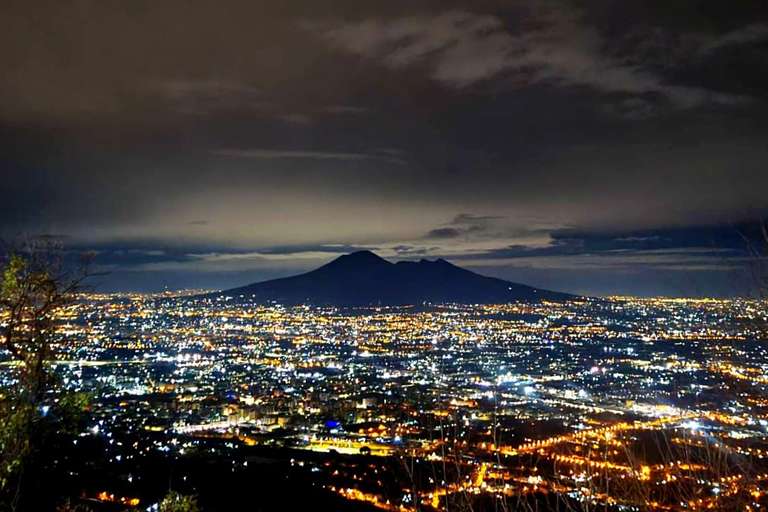
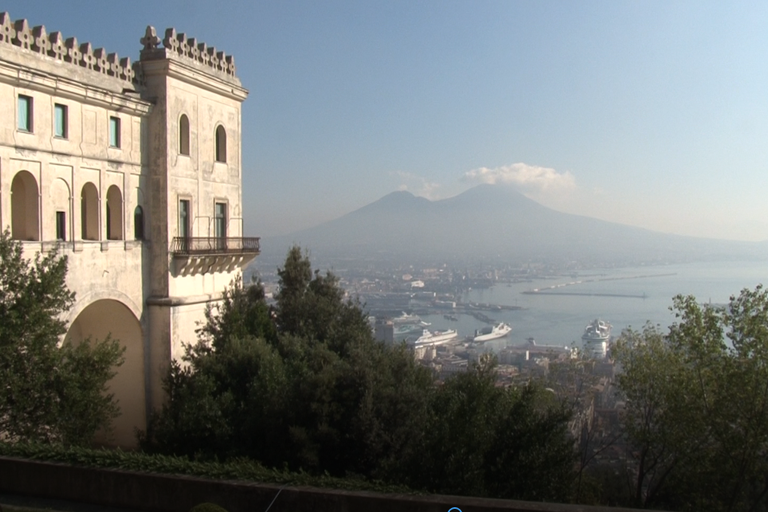
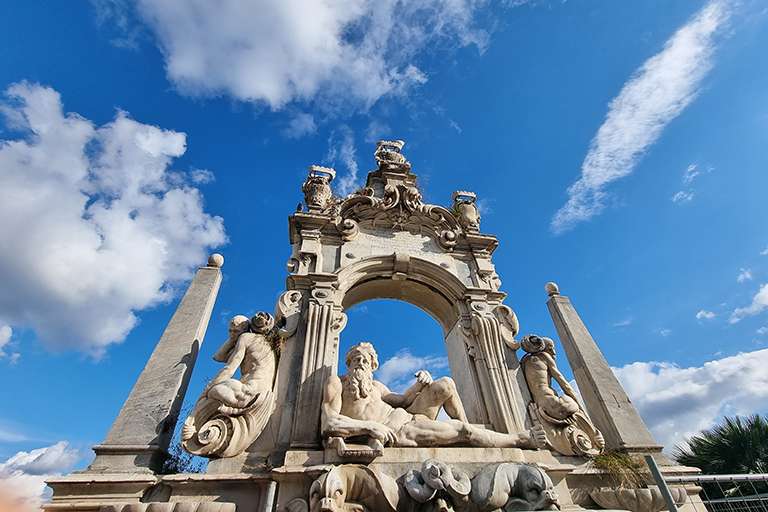
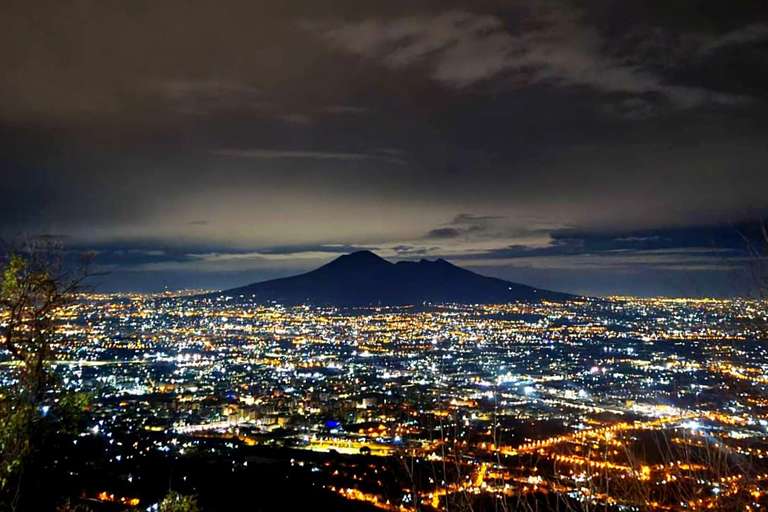
The seafront and the Gulf of Naples, with Mount Vesuvius rising in the background, create one of the Mediterranean’s most iconic landscapes. Beneath the city lies a fascinating underground world, with Naples Underground and the catacombs revealing layers of history beneath the streets. Just beyond the city are the world-famous archaeological sites of Pompeii and Herculaneum, linked to the eruption of Vesuvius in 79 AD.
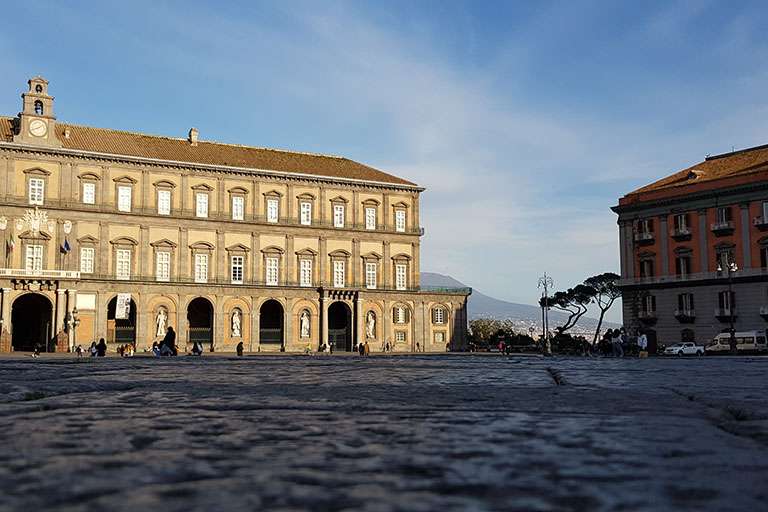
The urban landscape is completed by grand squares such as Piazza del Plebiscito and historic buildings including the Royal Palace and the San Carlo Theatre, one of the oldest active opera houses in the world.
Amantea - Cosenza
Villa d'Agri di Marsicovetere - Potenza
Pompei - Napoli
Roccaraso - Blockhaus
Grottammare - Fermo
Sasso Marconi - Corno alle Scale
Forte dei Marmi - Massa
La Spezia - Chiavari
Savona - Novi Ligure
Angera - Verbania
Aymavilles - Pila
Assago - Milano
Biasca (CH) - Carì (CH)
Tione di Trento - Andalo
Valdobbiadene - Pieve di Soligo
Agordo - Alleghe (Piani di Pezzè)
San Daniele del Friuli - Piancavallo
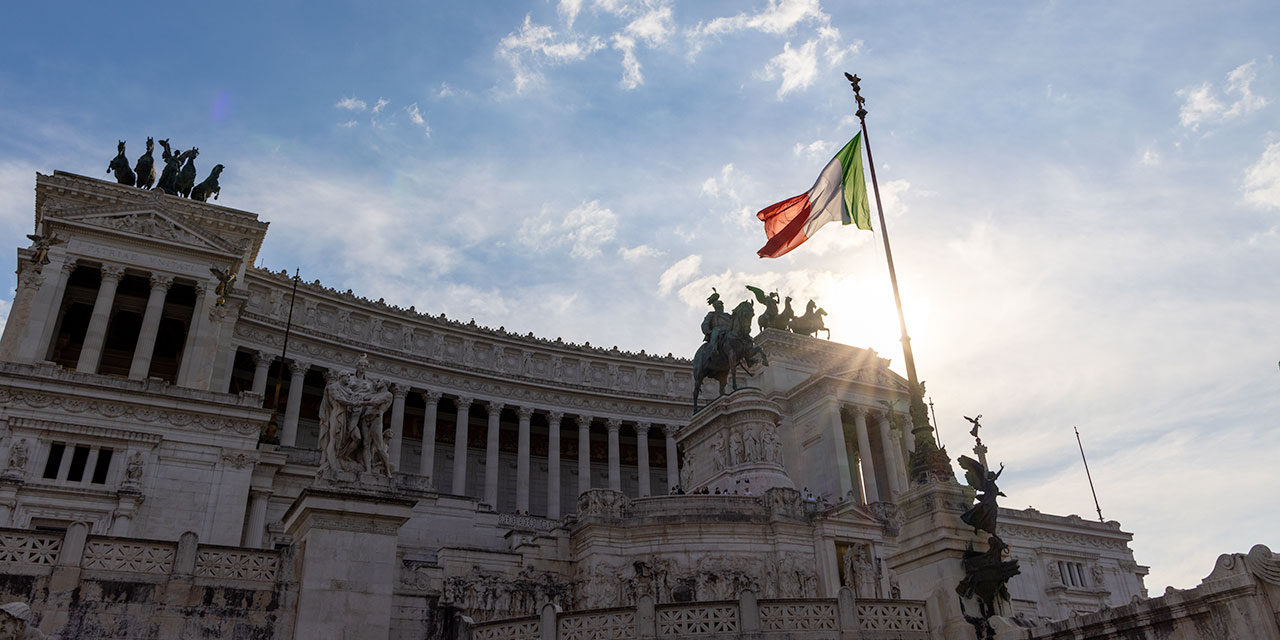
Roma - Roma