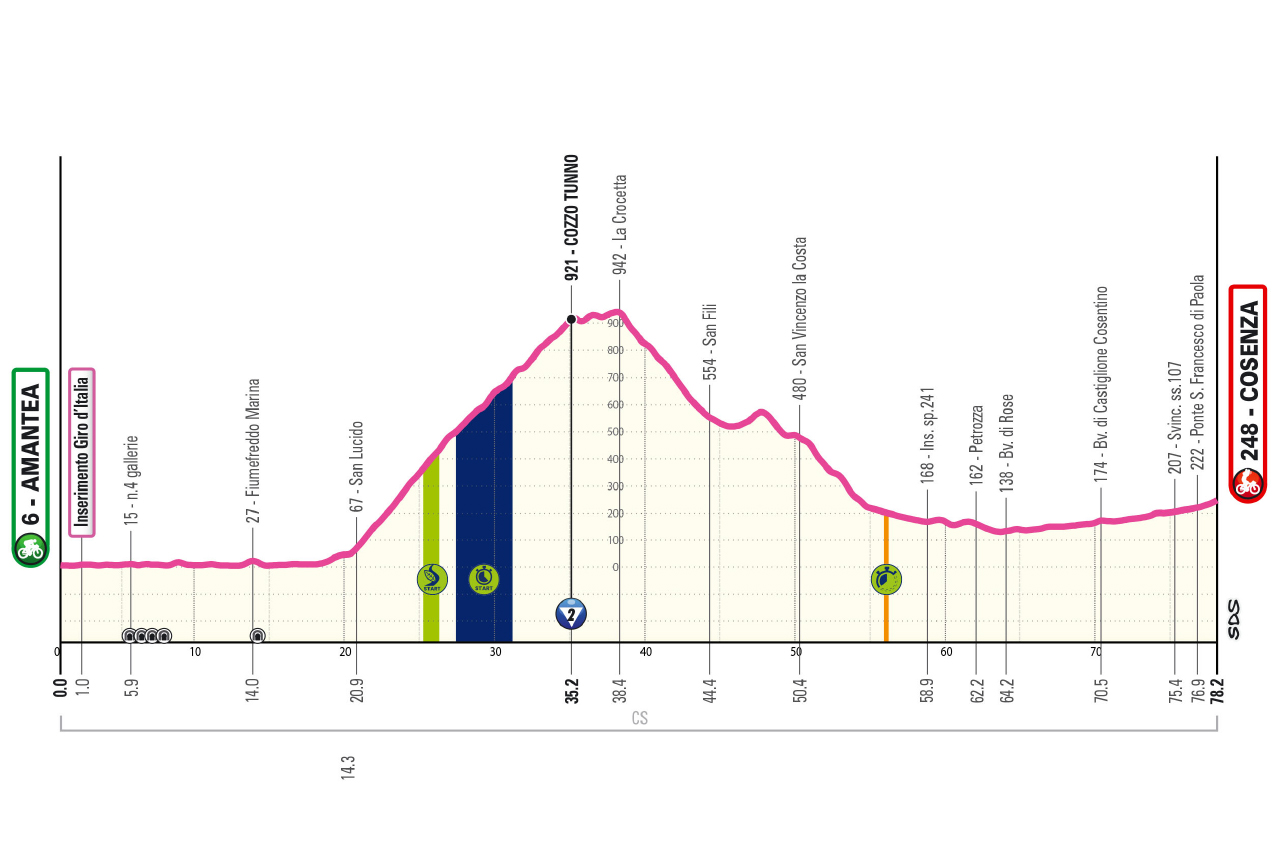
profile
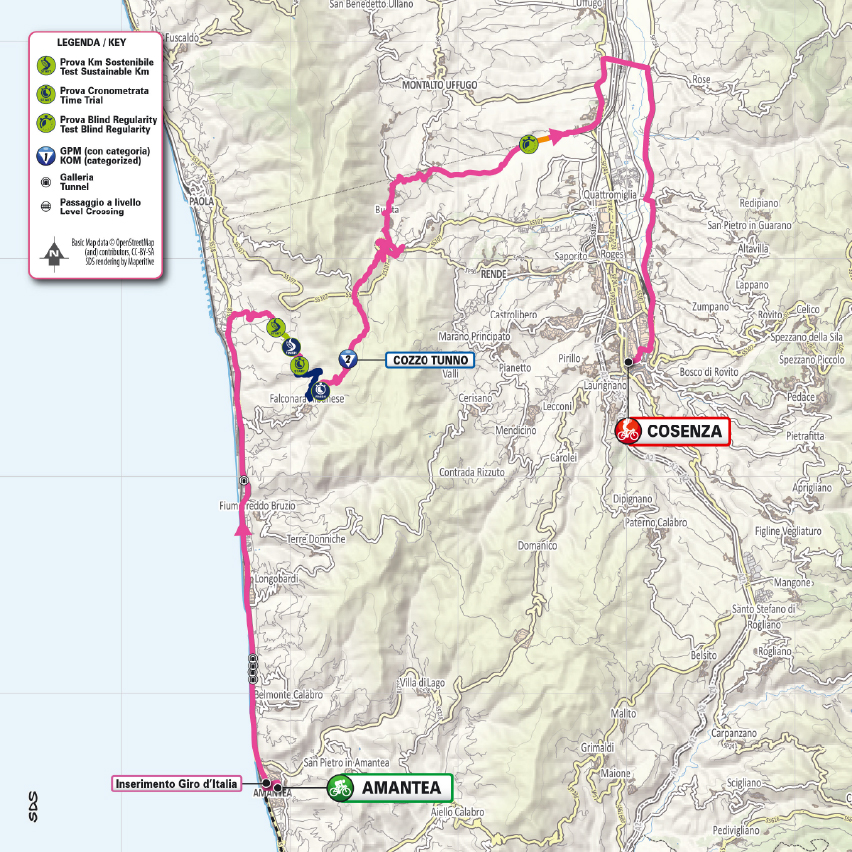
map
itinerary timetable
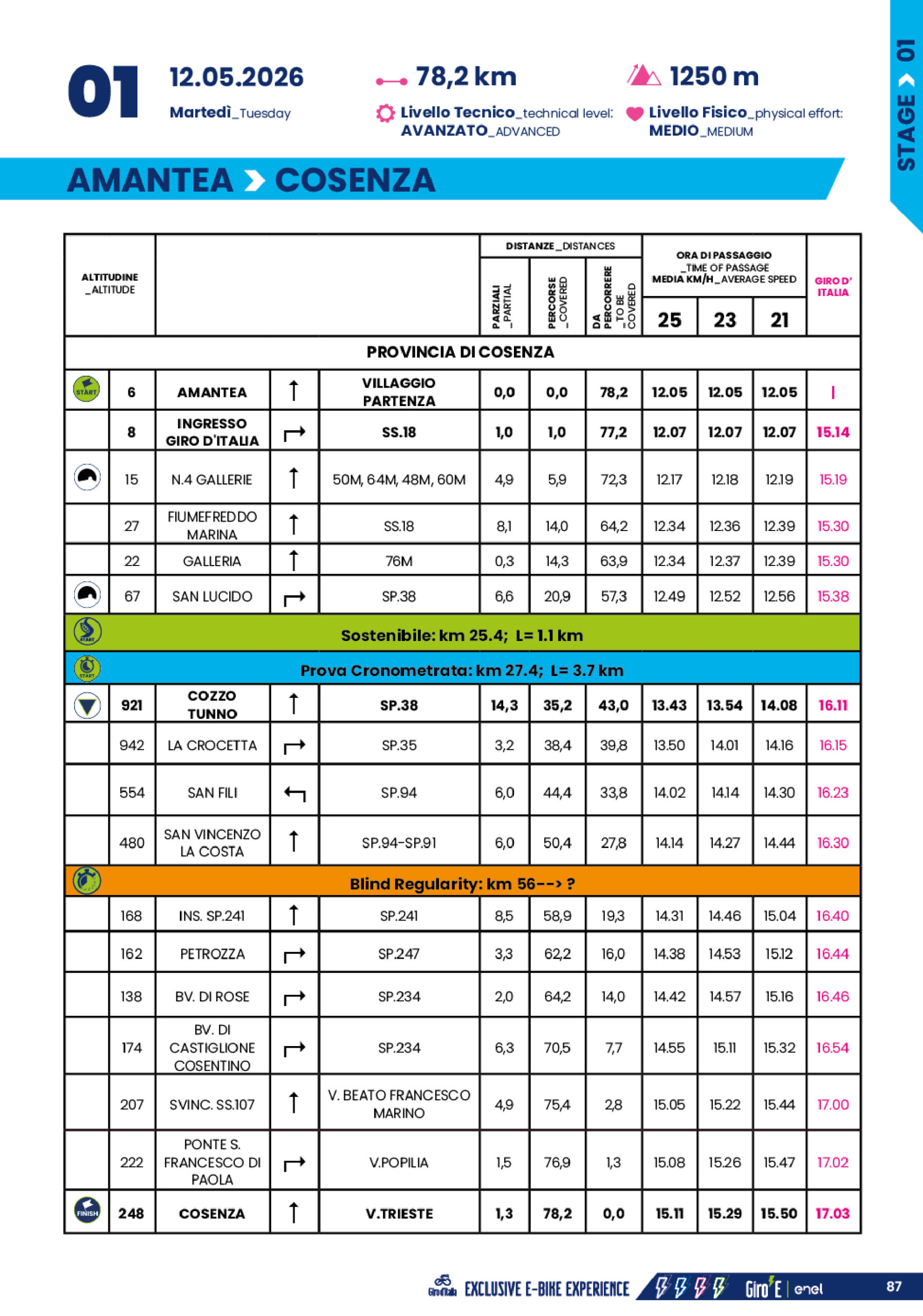

Tuesday 12
May 2026
78,2 km
Altitude gain 1250 mt
Technical Level: Advanced
Physical Effort: Medium
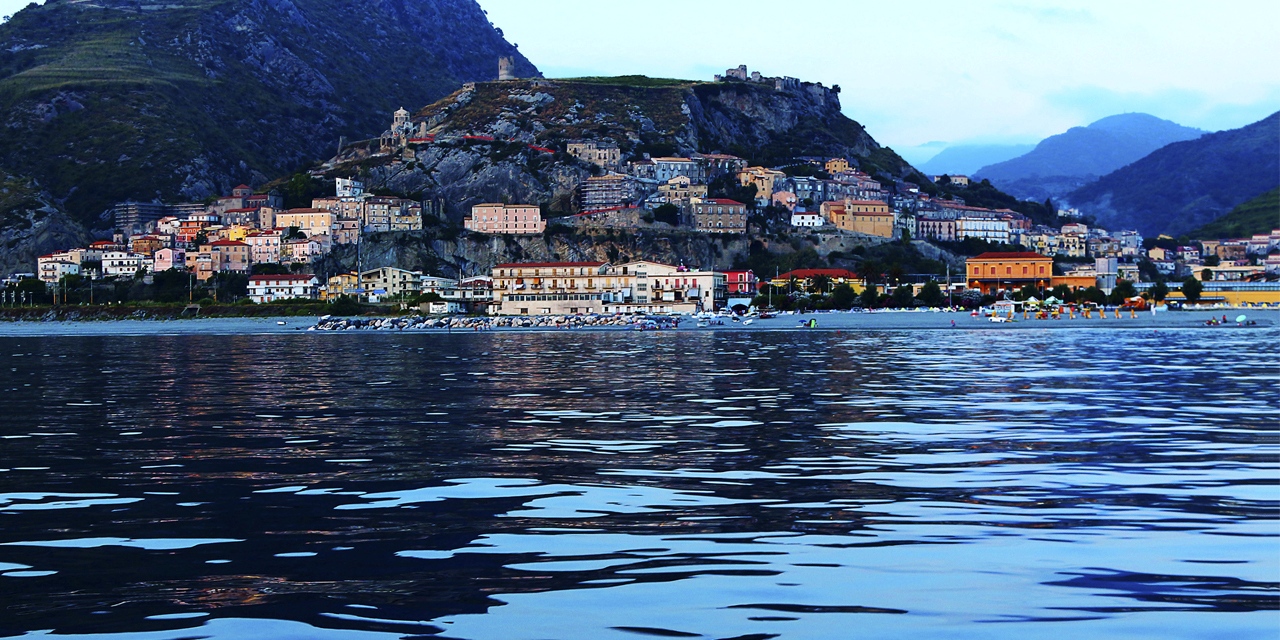
 Starting in
Host city:
Pasta cu la mullica – Spaghetti or homemade pasta seasoned with anchovies, toasted bread crumbs, and extra virgin olive oil.
Anchovies of Amantea – Prepared in various ways: breaded and fried, simply fried, baked in a pan, or “arriganate.” In this traditional preparation, fresh anchovies are cleaned and arranged in layers in a baking dish with abundant oregano, chopped garlic, breadcrumbs (or bread crumbs), extra virgin olive oil, and sometimes lemon zest. They are then baked in the oven until the surface becomes crispy.
Monacelle – Traditional fritters, often filled with anchovies or plain, soft and fragrant.
Eggplant and anchovy meatballs – Traditional and flavorful, representing the local homemade cuisine.
Patati, pipi e mulangiani – A side dish or main course made with fried potatoes, peppers, and eggplants.
Rosamarina – Spicy preparation made with small fish, typical of the maritime tradition of the Amantea coast.
Carnulevari frittata – Made with sausage, soppressata, cheese (“tuma”), eggs, lard, and “risimoglia”, symbolizing peasant tradition and Carnival celebrations.
Red onion of Amantea – A high-quality local agricultural product, mainly grown in the Campora San Giovanni area, and a key ingredient in many traditional dishes.
Buccunotti (or bocconotti) – Shortcrust pastry filled with toasted almonds, dark chocolate, cocoa, sugar, cinnamon, and cloves.
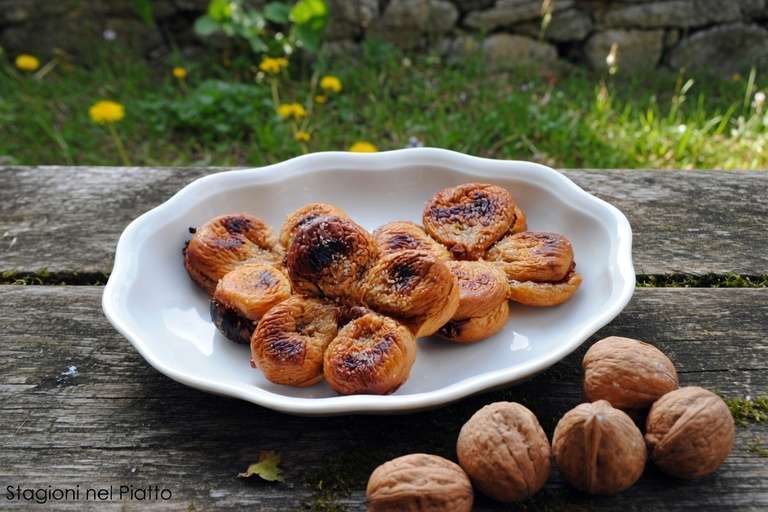
Nepitelle (or pizzi cu niabiti) and Crocette – Traditional Easter sweets with rich fillings made of grape must jam, almonds, chocolate, raisins, spices (cinnamon and cloves), and often liqueur, baked in the oven. Crocette are dried figs stuffed with almonds, walnuts, or citrus peel, often baked or coated with chocolate.
Savuto DOC Red Wine – Red wine from the Savuto valley made with native grapes such as Gaglioppo, Aglianico and Greco Nero.
Savuto DOC Rosé Wine – A fresh and aromatic rosé wine, ideal with seafood dishes.
Savuto DOC White Wine – Light and fragrant white wine made from Montonico, Greco Bianco and Malvasia grapes.
Local Red Wine – Traditional homemade wine produced by small local vineyards.
Local White Wine – Simple and aromatic white wine commonly served with seafood dishes.
Amaro da Mantia – Herbal bitter liqueur inspired by the historic name of the city, “Mantia”.
Calabrian Citron Liqueur – A fragrant liqueur made from citron grown along the Tyrrhenian coast.
Wild Fennel Liqueur – Traditional digestive liqueur made with wild fennel.
Calabrian Artisan Grappa – Distilled spirit produced from local wine pomace.
Citrus Rosolio Liqueur – Traditional sweet liqueur flavored with citrus fruits or aromatic herbs.
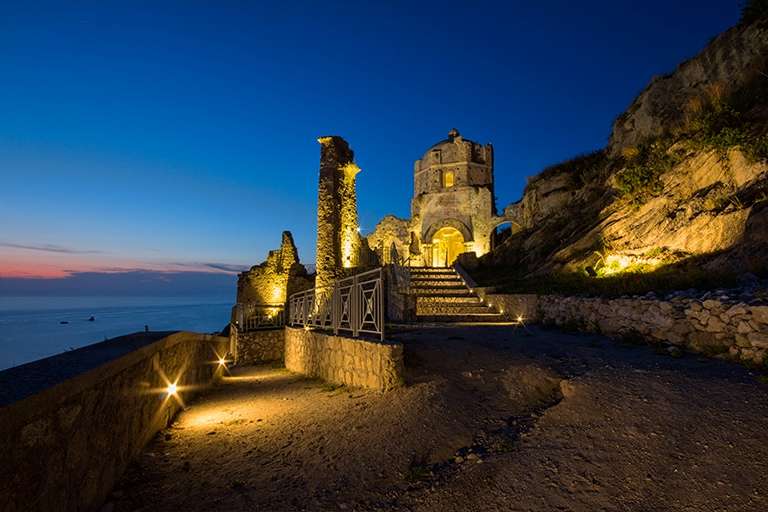
Castle of Amantea – Evocative ruins of a medieval fortress perched on the hill overlooking the town. A historic symbol of Amantea, it offers an extraordinary panoramic view of the Tyrrhenian Sea and the surrounding territory.
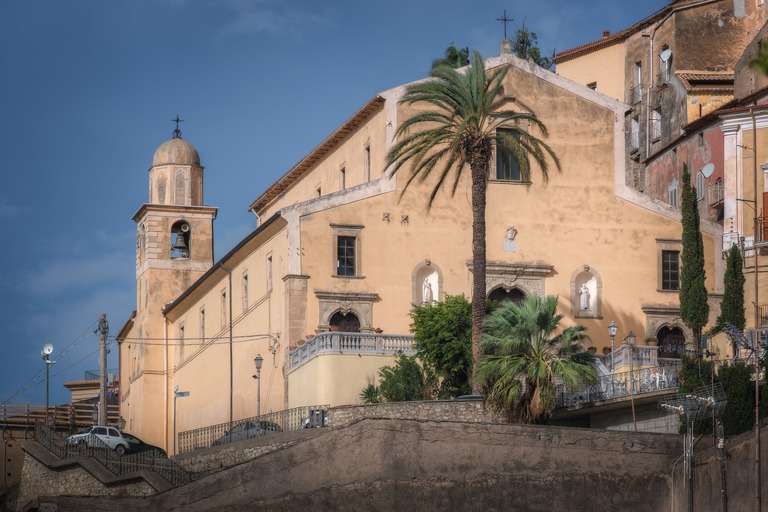
Historic Center of Amantea – A charming ancient village characterized by narrow streets, stone arches, historic buildings, and scenic views that tell the long history of the city. In the heart of the historic center stands the Church of the College, a small architectural jewel founded by the Jesuits in the 17th century; next to it is the former Jesuit College, which served as an important center for cultural dissemination and education in Calabria, an important testimony to the city’s cultural life.
Cathedral – Collegiate Church of San Biagio – The main religious building of the city, preserving important works of sacred art and representing one of the spiritual and historical landmarks of the community.
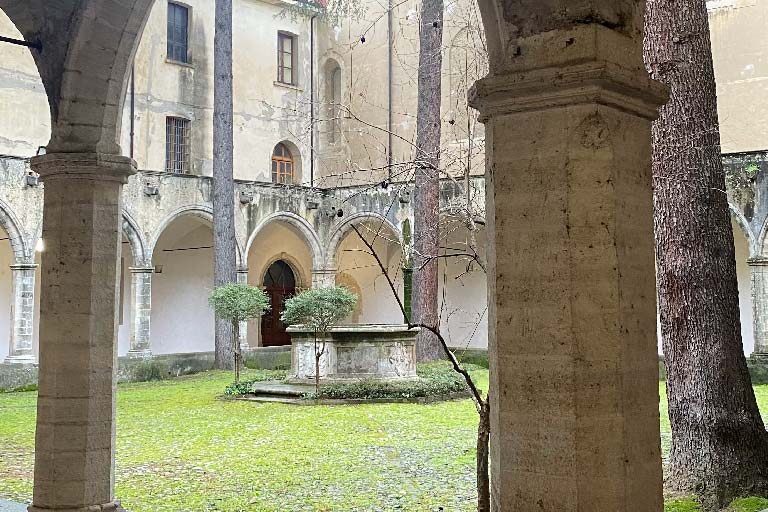
Church of San Bernardino da Siena, cloister and the Oratory of the Nobles – A 15th-century religious complex known for its historical and architectural value. Within the complex is also the Oratory of the Nobles, built in 1592 as the meeting place of the Archconfraternity of the Immaculate Conception and home to important works of art, including a marble altarpiece depicting the Nativity of Our Lord, attributed to Pietro Bernini or Rinaldo Bonanno.
Church of San Francesco d’Assisi – A religious building located in a panoramic position from which visitors can admire a beautiful view of the city and the sea.
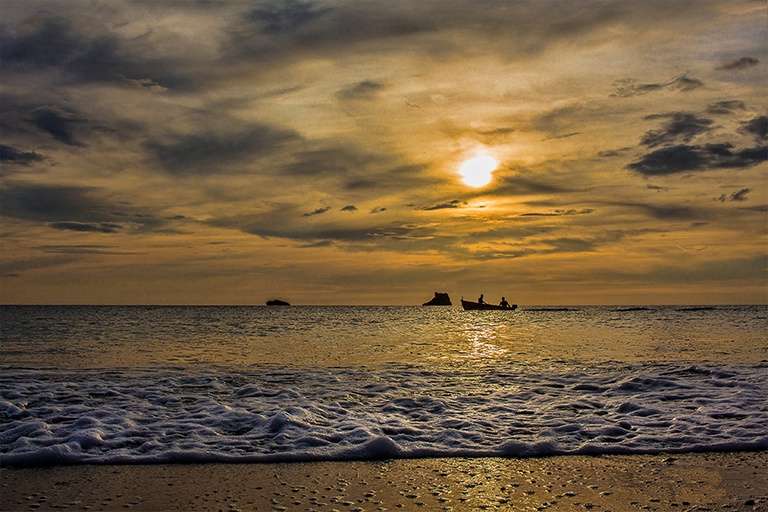
Seafront and open-air shopping center – A wide seaside promenade with beaches, beach resorts, restaurants, and cafés that enliven the city especially during the summer season. The open-air shopping center, developed along its main street, where numerous shops, boutiques, and local artisan businesses create a lively shopping experience blending tradition and modernity.
Coreca Cliff – A spectacular natural rock formation representing one of the most suggestive landscapes of the Calabrian Tyrrhenian coast.
Piazza San Francesco and Church of Saint Peter the Apostle (Campora San Giovanni) – The heart of the district of Campora San Giovanni. The square is an important meeting place and venue for local events; here stands the Church of Saint Peter the Apostle, a religious and social landmark for the community.
“Scogli d’Isca” Regional Marine Park – A protected natural area characterized by striking rocky formations overlooking the sea, an ideal habitat for several marine species and a destination for nature excursions.
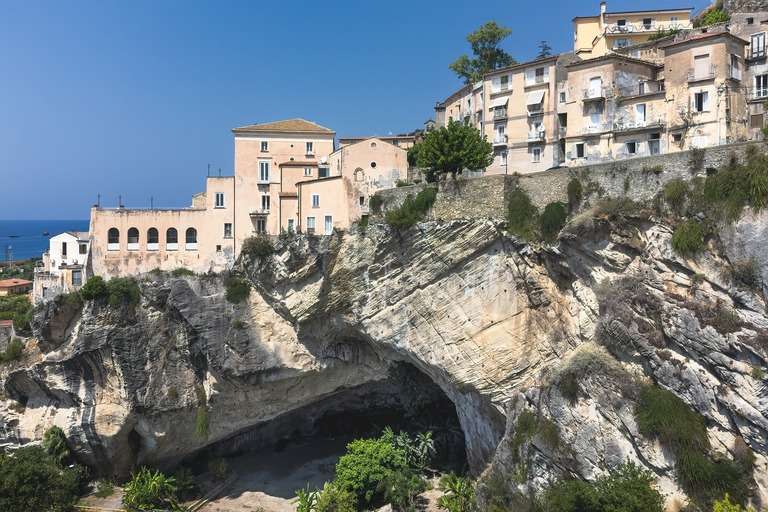
Amantea Cave Park – A natural and archaeological area of great historical interest, characterized by the presence of a large natural cave which, in the past, when it was closer to the sea, was used as a shelter for boats and merchant vessels along the ancient naval route between Naples and Reggio Calabria. Today the park represents a green space of cultural and scenic value.
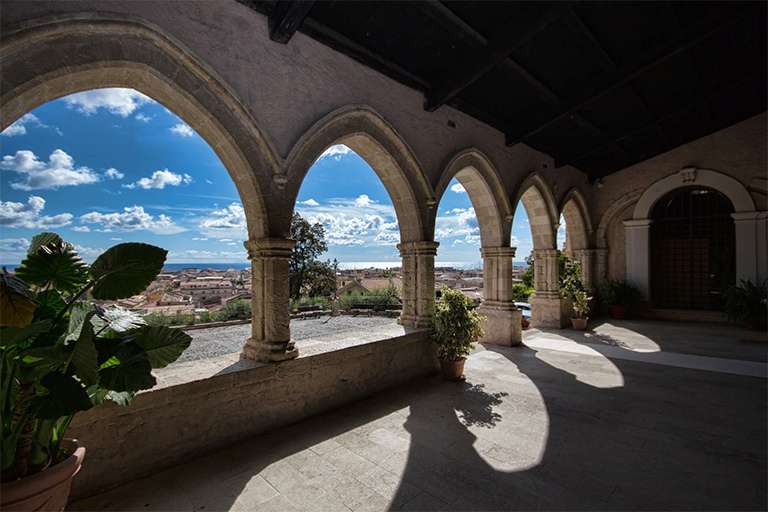
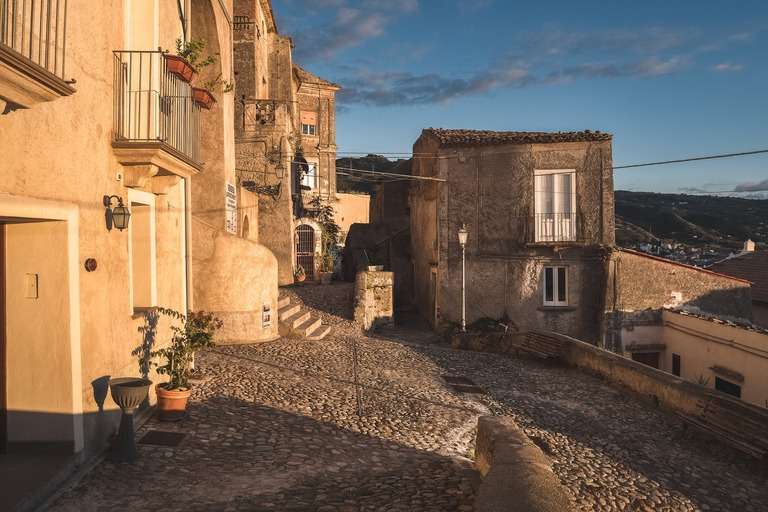
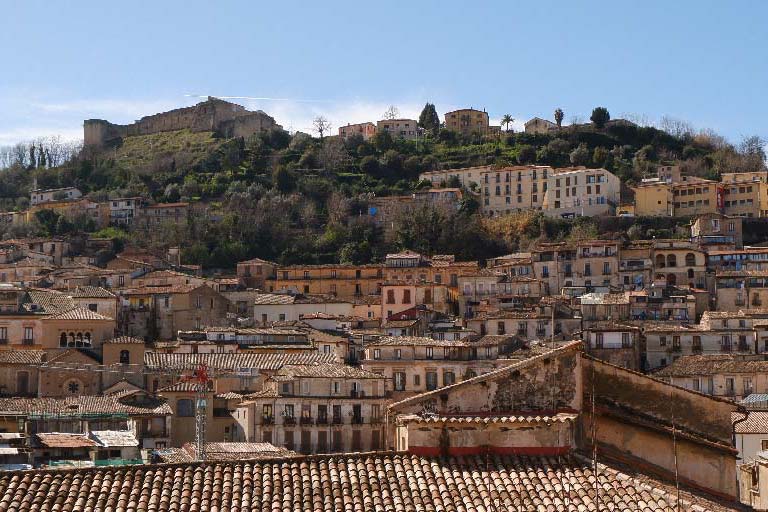
Located in northern Calabria, Cosenza lies at the confluence of the Crati and Busento rivers and is regarded as one of the region’s main historical and cultural centres. Its origins date back to the ancient Bruttian city of Consentia, later becoming a Roman municipium and subsequently an important medieval hub. The historic centre, one of the largest in Italy, features a richly layered urban layout with palaces, churches and the cathedral, which is recognised as a UNESCO World Heritage site.
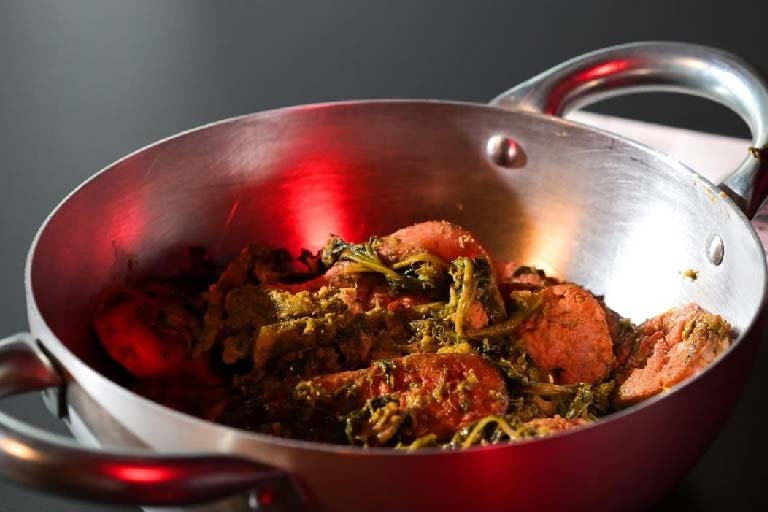
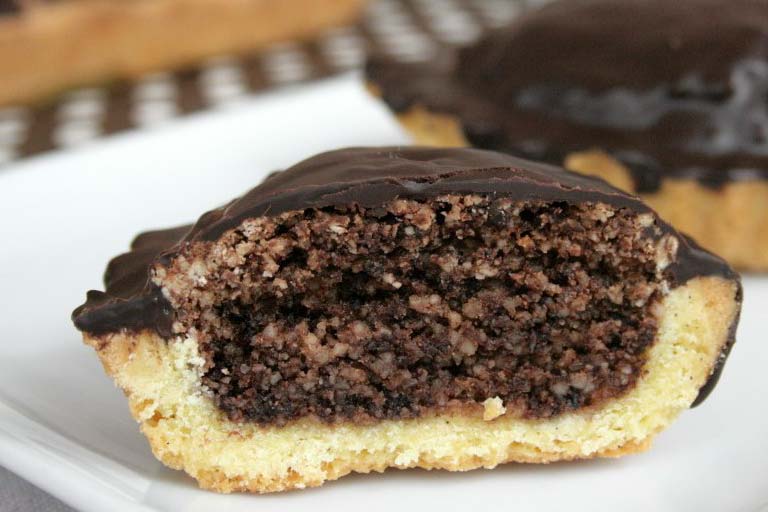
Cosenza’s culinary tradition is deeply rooted in Calabria’s rural heritage, built on simple ingredients and bold, unmistakable flavours. Among its most iconic dishes are lagane e ceci, one of the region’s oldest recipes, and fusilli al ferretto with rich ragù, a staple of traditional Sunday meals. Also typical are pasta e patate alla tijella, known for its creamy texture and hearty taste, and kid goat with potatoes, often prepared for festive occasions. Baccalà alla cosentina is a must during celebrations, while standout local products include salsiccia rossa, flavoured with sweet pepper. Everyday home cooking is reflected in dishes like aubergine meatballs and patate ’mpacchiuse, crisp and comforting. On the sweet side, Fichi di Cosenza DOP and varchiglia, made with almonds and chocolate, highlight the city’s rich dessert tradition.
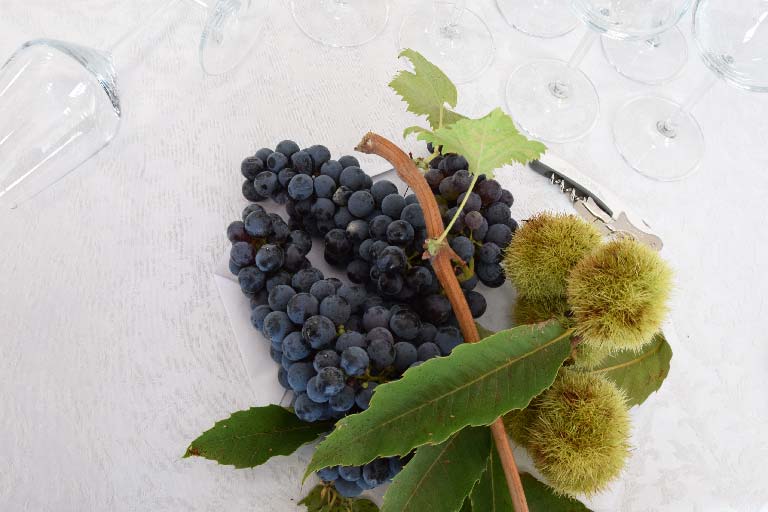
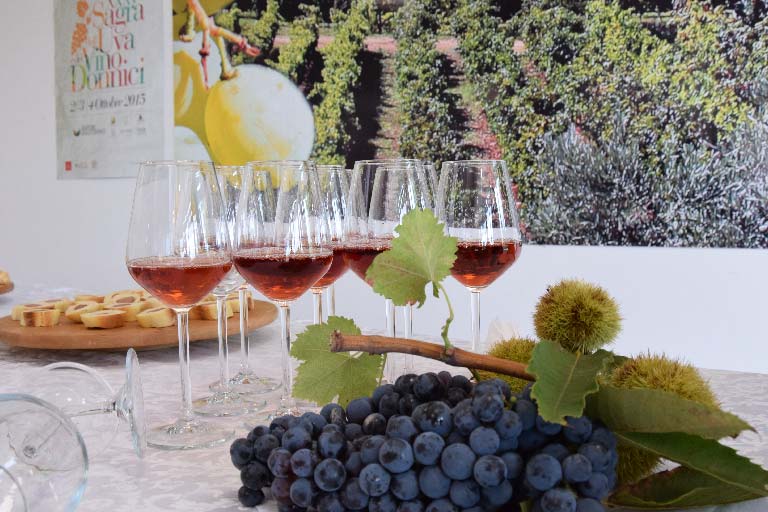
The Cosenza area is defined by the Terre di Cosenza DOC, the province’s leading expression of local winemaking. Its production includes red wines crafted from grape varieties such as Magliocco, Calabrese, and Greco Nero, alongside whites made from Greco Bianco, Pecorello, and Mantonico, as well as rosés and passito wines. Within this denomination, the Donnici subzone stands out for its long-standing winemaking tradition, producing intense, structured reds and fresh, aromatic rosés. Together, these wines reflect the diversity of the landscape and a deeply rooted viticultural heritage.
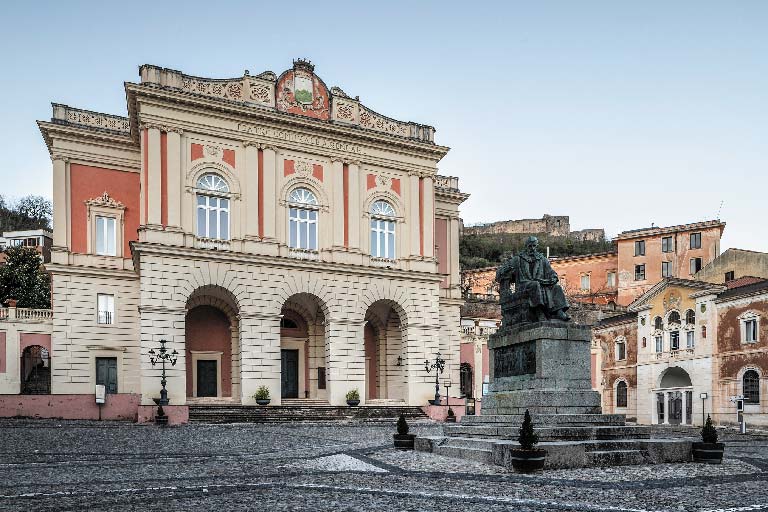
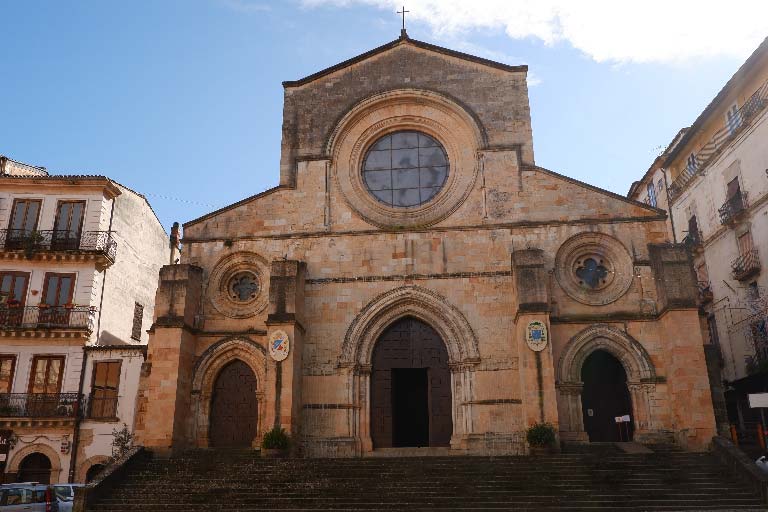
Cosenza’s heritage is defined by its remarkable historical and cultural richness, which has earned it the nickname “Athens of Calabria.” Among its most prominent landmarks is the Norman-Swabian Castle, built on an earlier fortress and expanded over the centuries, commanding the city from a strategic hilltop position. The Cathedral, of medieval origin and rebuilt in the 13th century, is now a UNESCO-listed site and houses important historical treasures, including the tomb of Isabella of Aragon. Within the urban fabric, notable cultural spaces include the Alfonso Rendano Theatre, reconstructed in neoclassical style and home to major performances, and the San Domenico Monumental Complex, once a Dominican centre and later a hub for cultural and academic life. The Brettii and Enotri Museum offers a journey through the region’s history from prehistory to the Roman era, while the National Gallery at Palazzo Arnone displays works by Italian artists from the 16th to the 20th century.
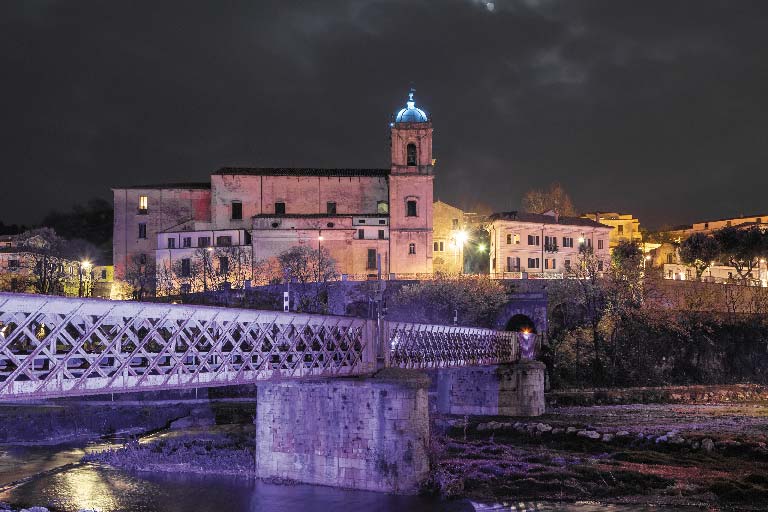
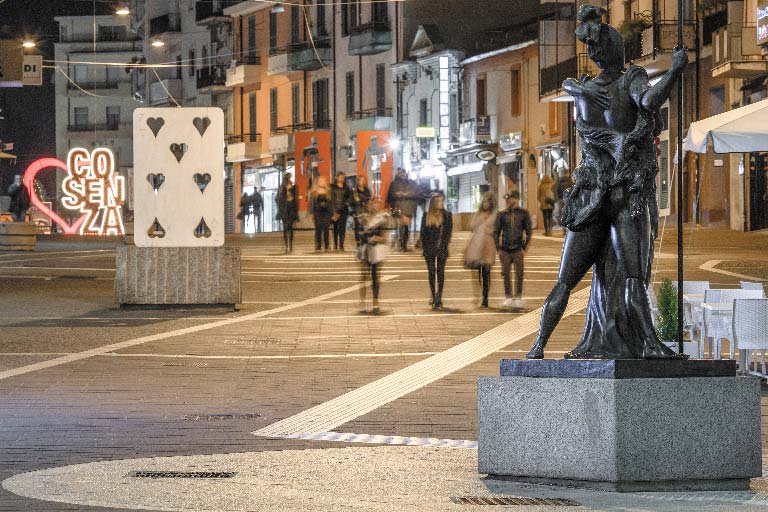
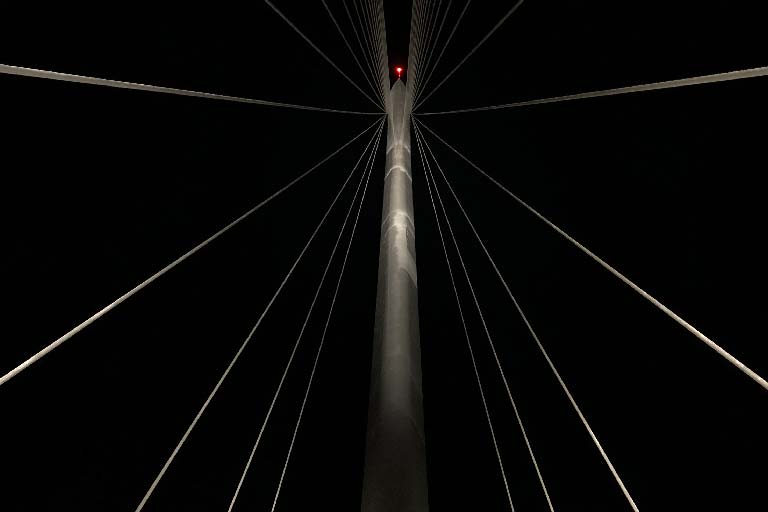
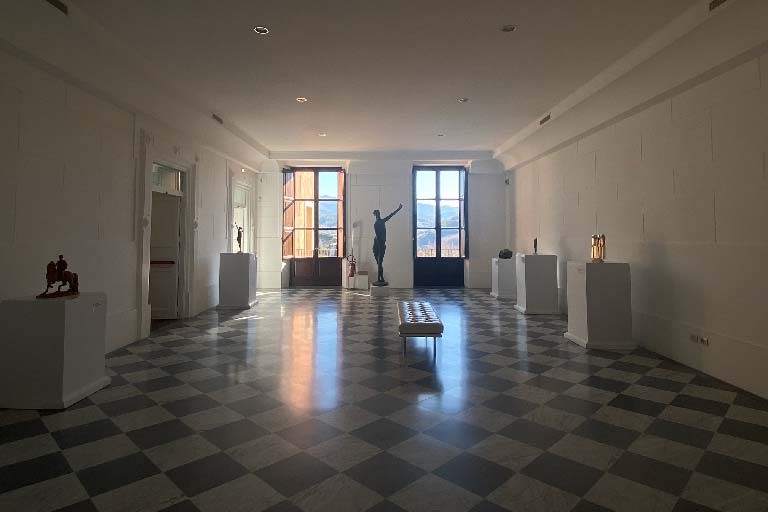
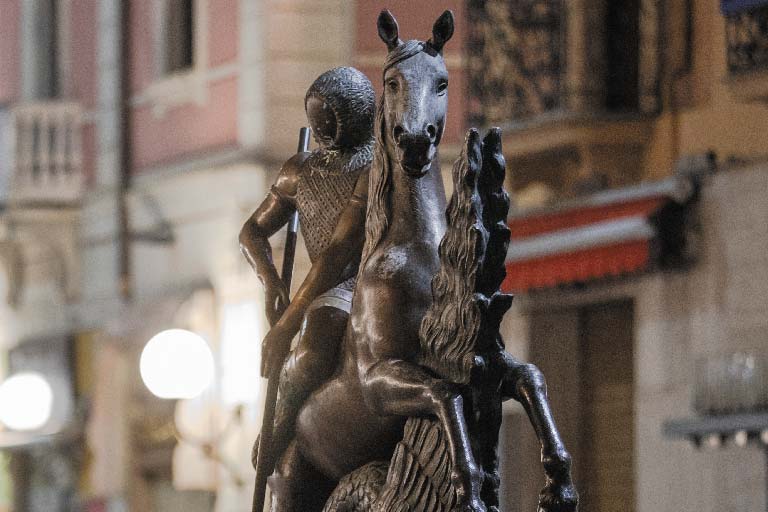
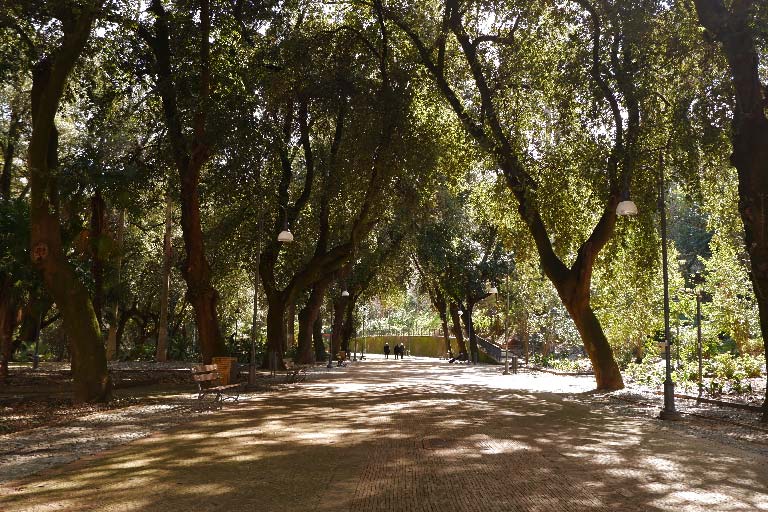
Alongside its historic dimension, Cosenza embraces contemporary culture with the MAB – Bilotti Open-Air Museum along Corso Mazzini, featuring sculptures by leading 20th-century artists, and the Calatrava Bridge, a striking modern structure spanning the Crati River. Green spaces such as Villa Vecchia, a 17th-century urban garden recently restored, add to the city’s charm, while the Accademia Cosentina and the Civic Library stand as enduring pillars of its intellectual tradition.
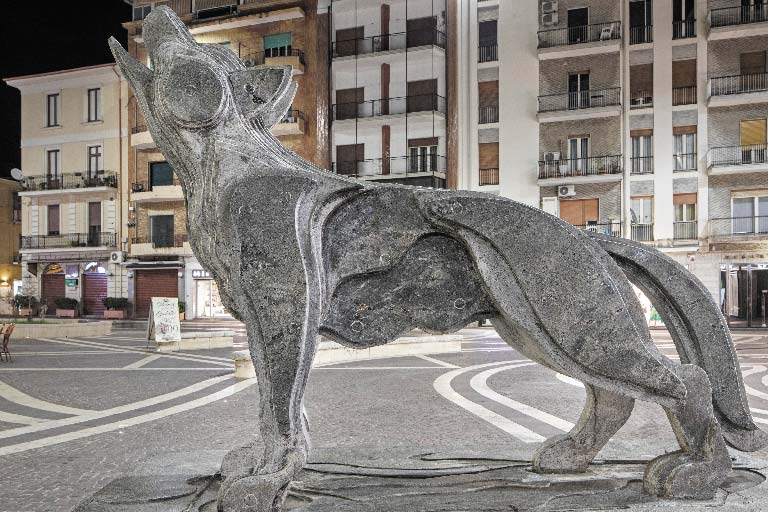
Amantea - Cosenza
Villa d'Agri di Marsicovetere - Potenza
Pompei - Napoli
Roccaraso - Blockhaus
Grottammare - Fermo
Sasso Marconi - Corno alle Scale
Forte dei Marmi - Massa
La Spezia - Chiavari
Savona - Novi Ligure
Angera - Verbania
Aymavilles - Pila
Assago - Milano
Biasca (CH) - Carì (CH)
Tione di Trento - Andalo
Valdobbiadene - Pieve di Soligo
Agordo - Alleghe (Piani di Pezzè)
San Daniele del Friuli - Piancavallo
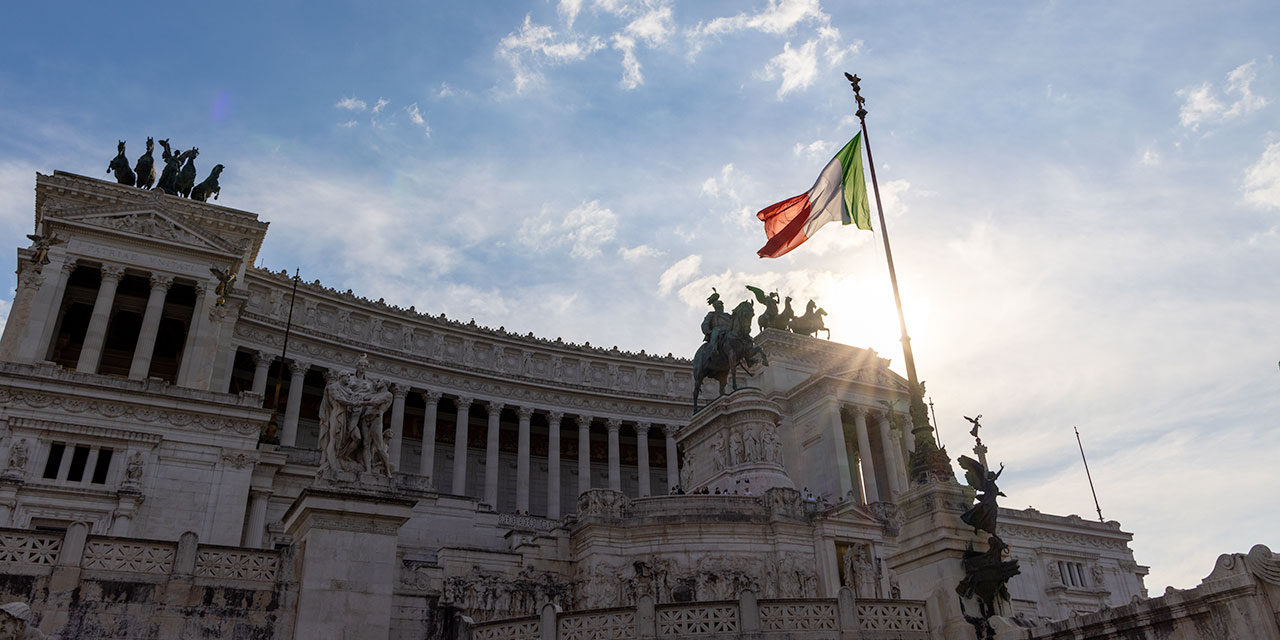
Roma - Roma