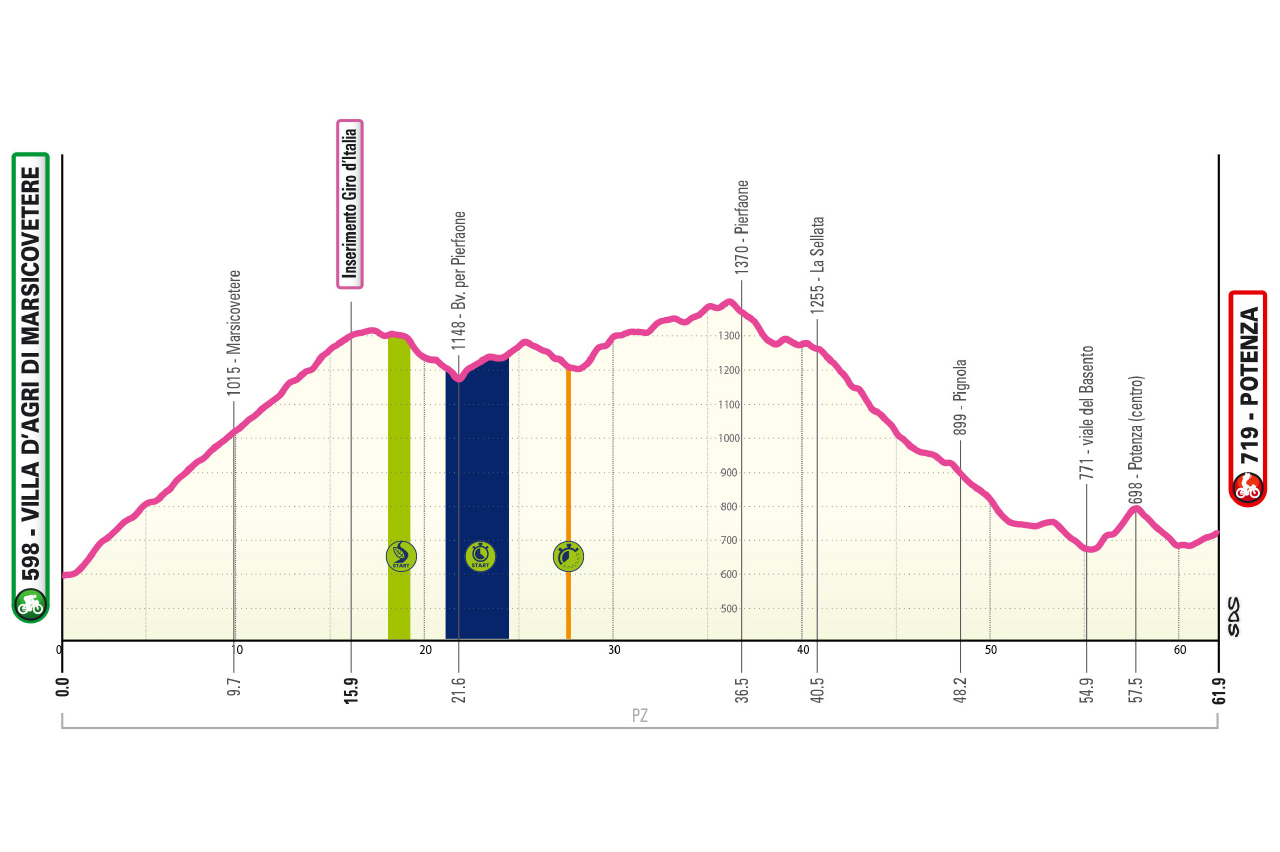
profile
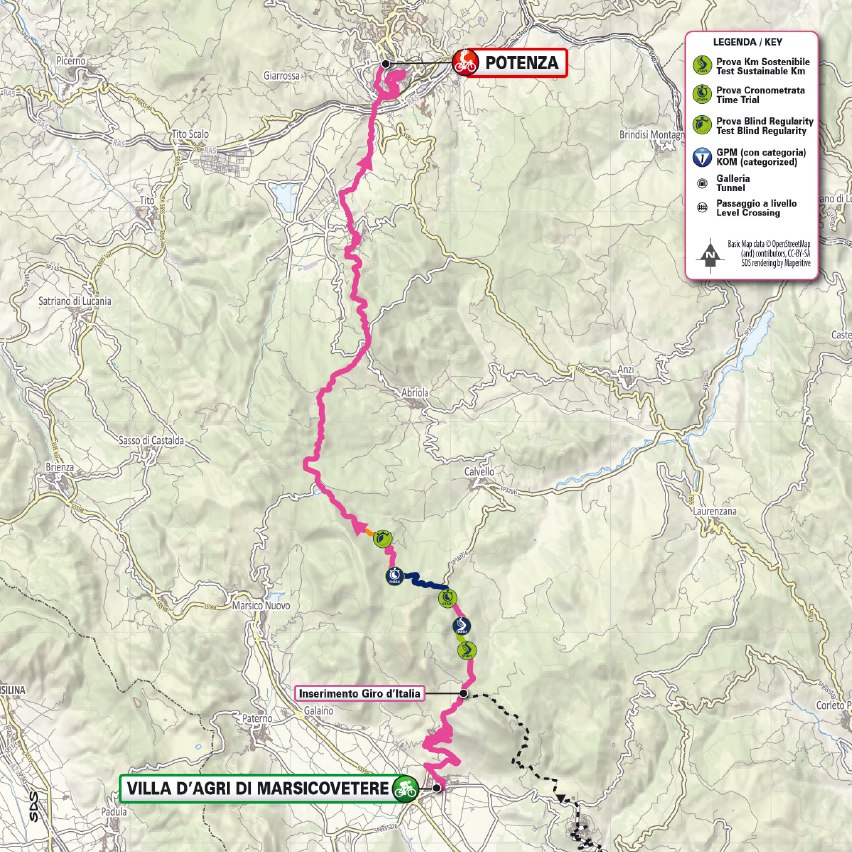
map
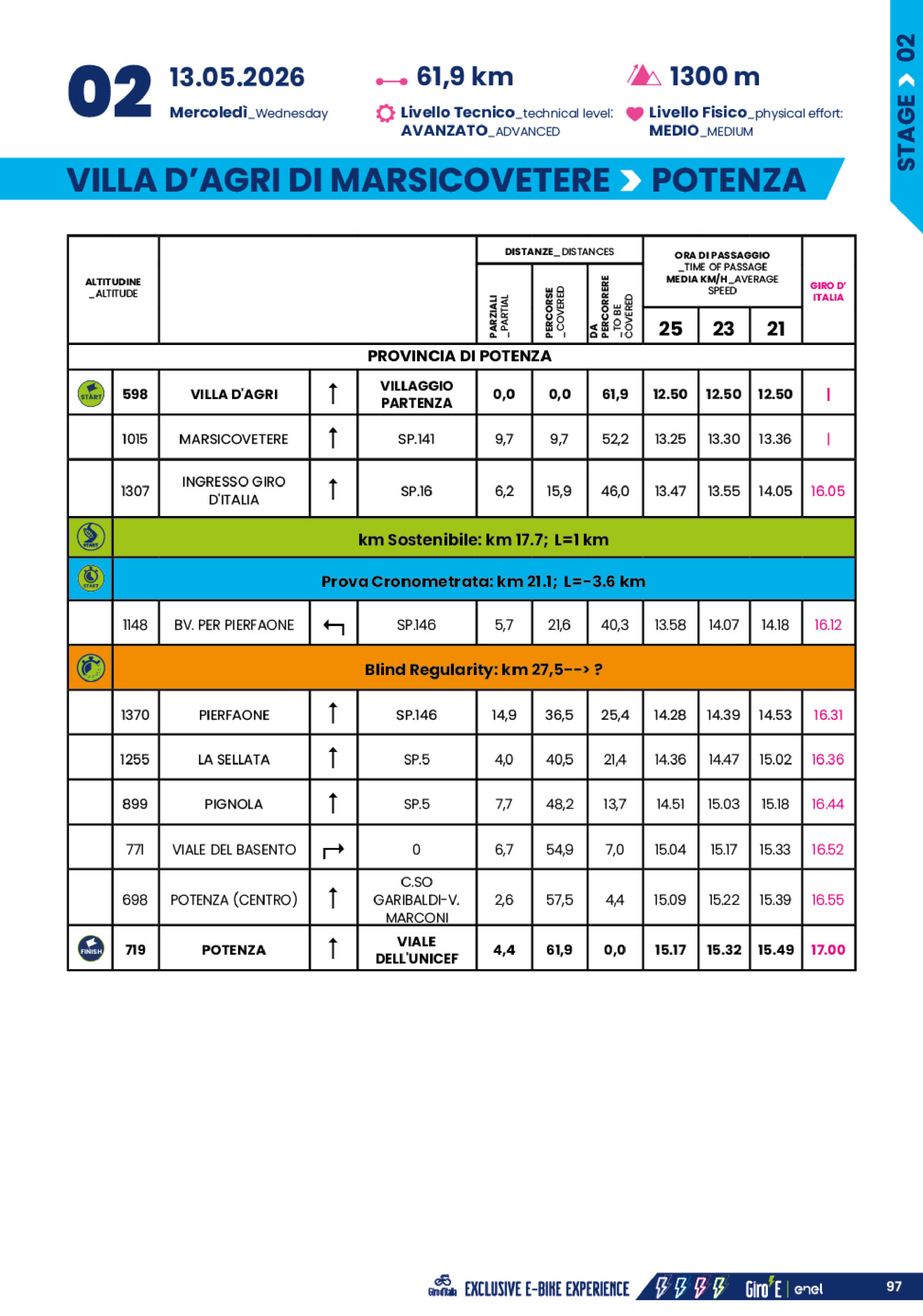
itinerary timetable

Wednesday 13
May 2026
61,9 km
Altitude gain 1300 mt
Technical Level: Advanced
Physical Effort: Medium
 Starting in
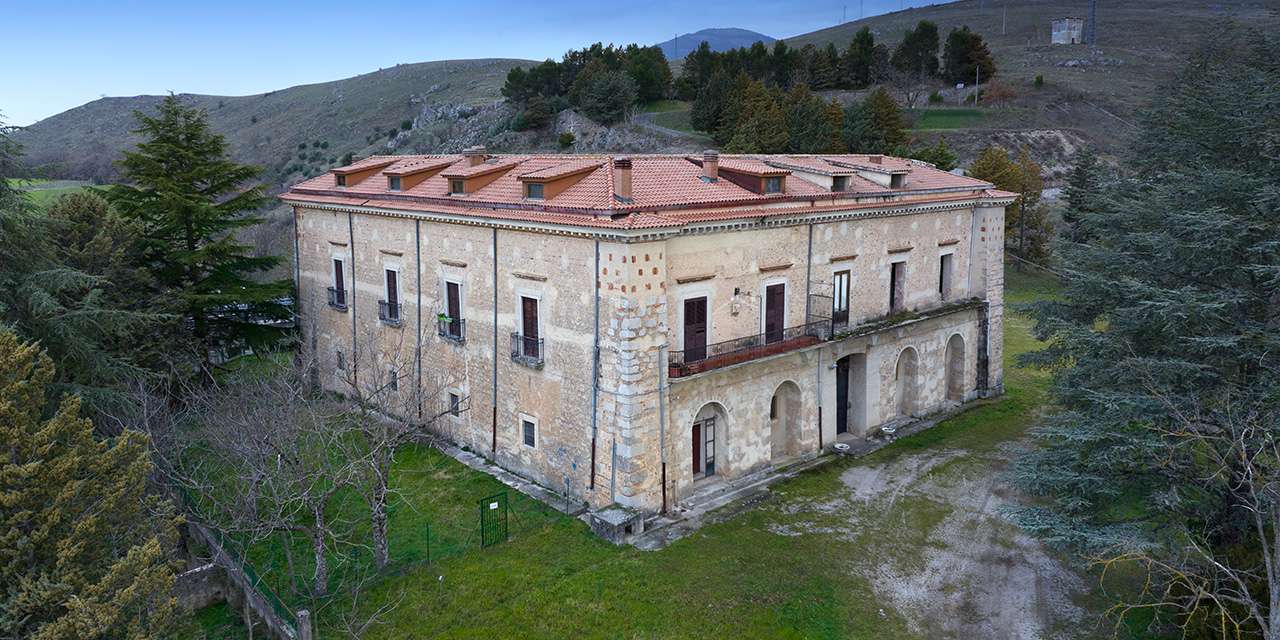
Host city:
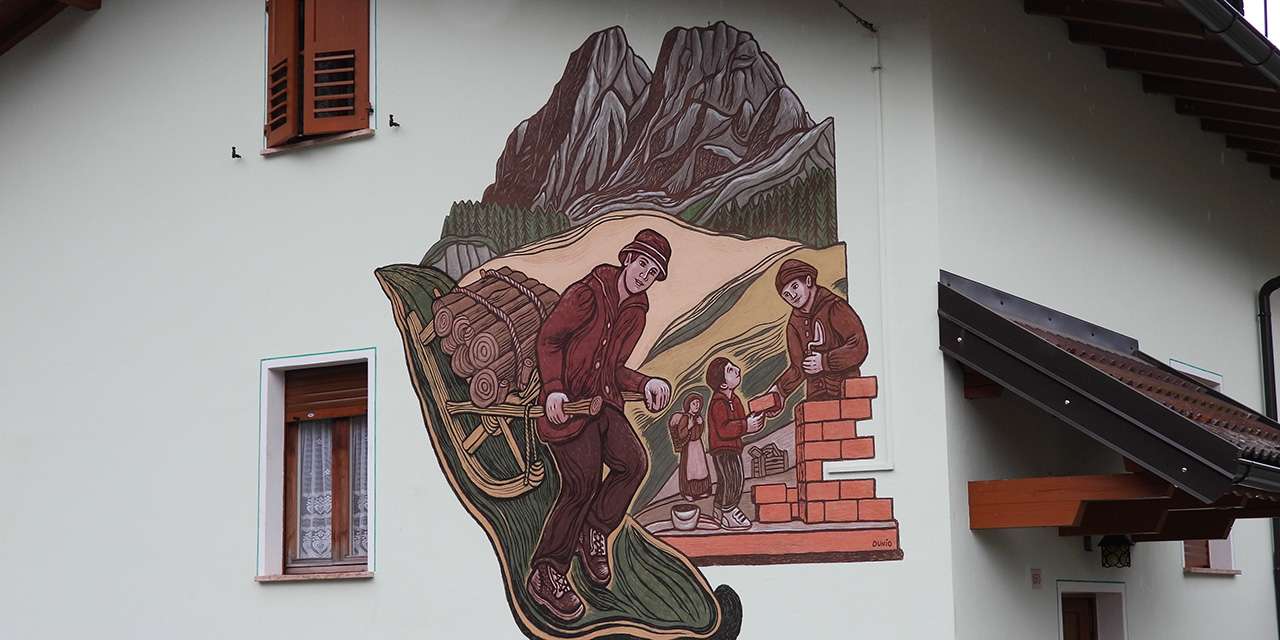
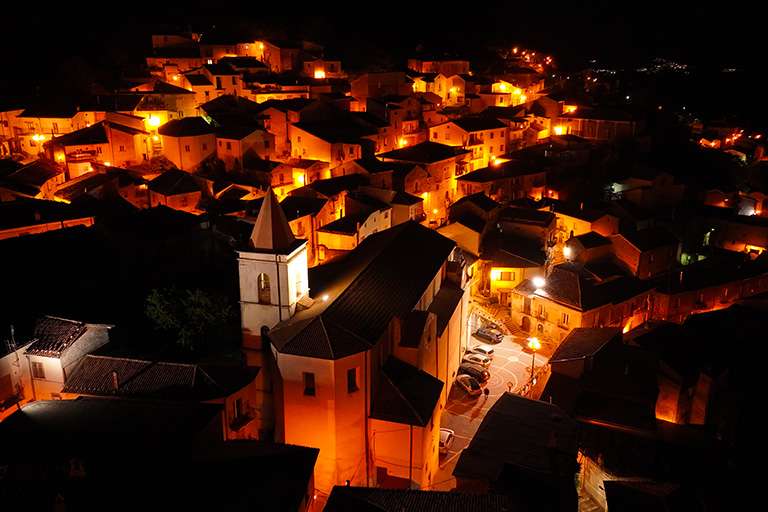
Marsicovetere, in the heart of Basilicata, is an authentic and multifaceted territory where history, nature, and traditions coexist in harmony. The historic center, perched at 1,037 meters within the Appennino Lucano Val d’Agri Lagonegrese National Park, connects with Villa d’Agri and Barricelle, its two most populous hamlets, while Mount Volturino and the Agri River define its identity, biodiversity, and environmental character. Through medieval streets, noble palaces, and historic churches, the village tells centuries of local memories and cultures, traditions, and illustrious Lucanians known around the world.
The area is ideal for slow and sustainable tourism. The Meridiana Cycle Route, marked in the west along the ancient Via Herculia, leads through forests, geosites, and evocative landscapes, fully immersed in the authentic atmosphere of Marsicovetere. The routes include a main 308 km loop (+6120 m/-6120 m), five connecting paths, a short flat loop in Valle dell’Agri, and the “Water Route” for MTB. Hiking trails and CAI paths traverse centuries-old beech forests and breathtaking panoramas, offering immersive experiences in nature.
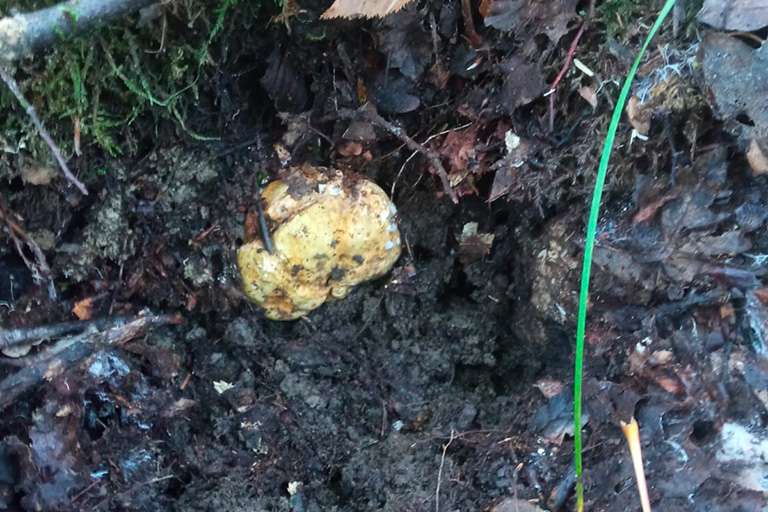
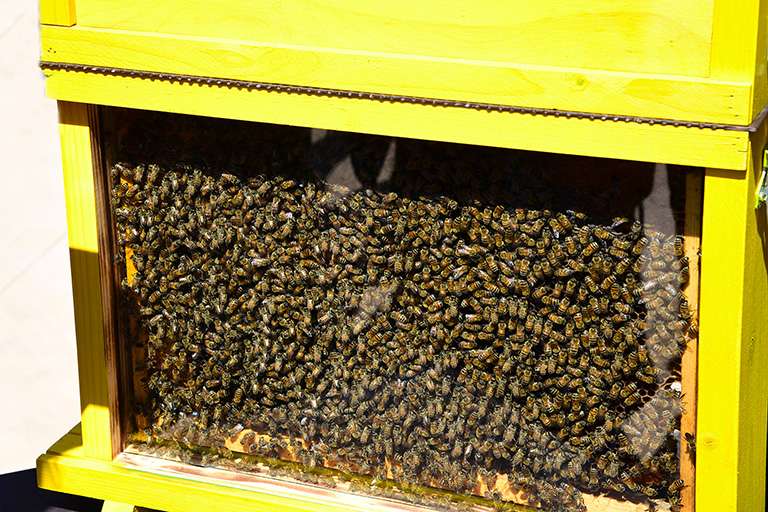
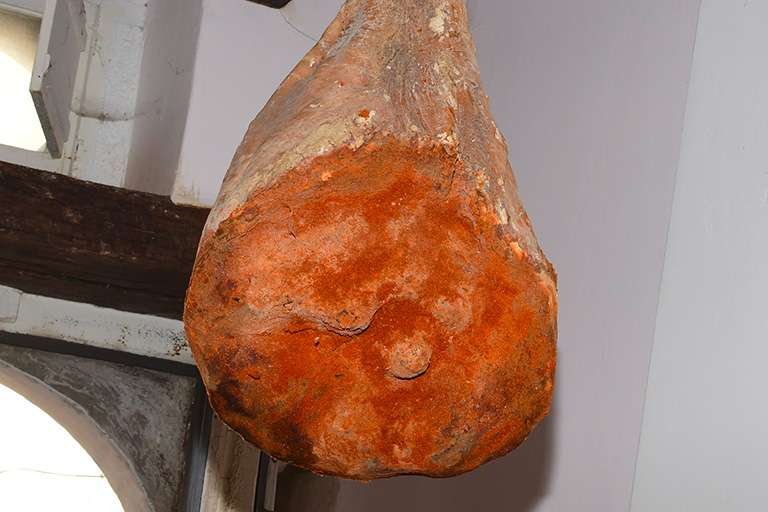
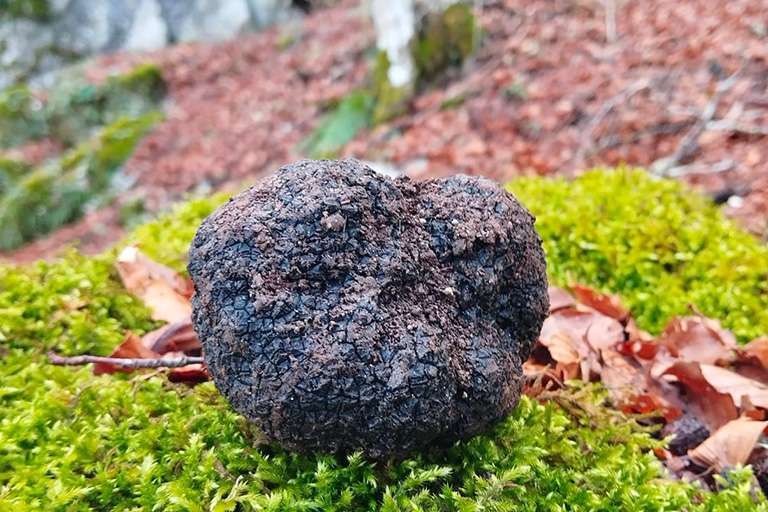
Cultural and traditional events animate the town year-round, from the Sagra del Prosciutto di Marsicovetere (Marsicovetere Ham Festival) – recently recognized as a Slow Food Presidium – , to truffles, honey and artisanal cheeses. Marsicovetere invites cyclists and travelers to explore trails blending history, nature and authentic flavors, for a slow, immersive and deeply connected experience with the territory.
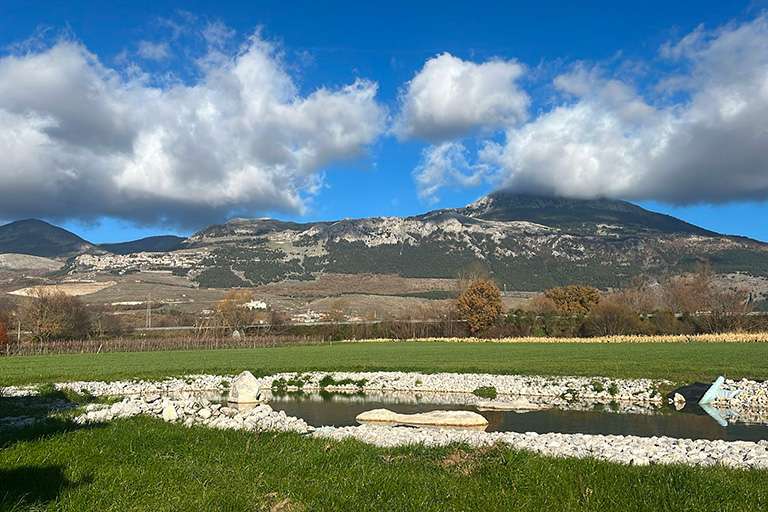
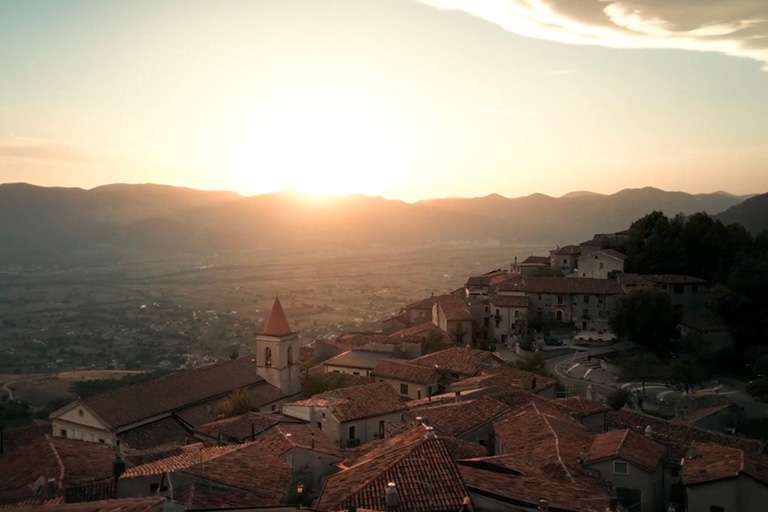
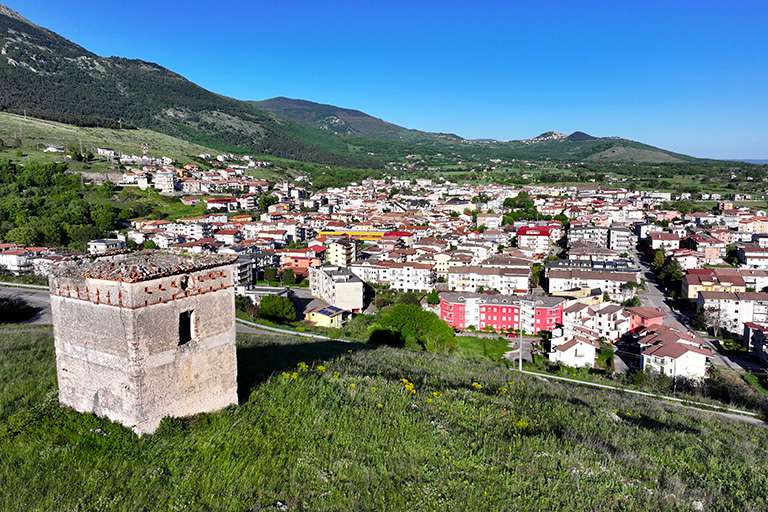
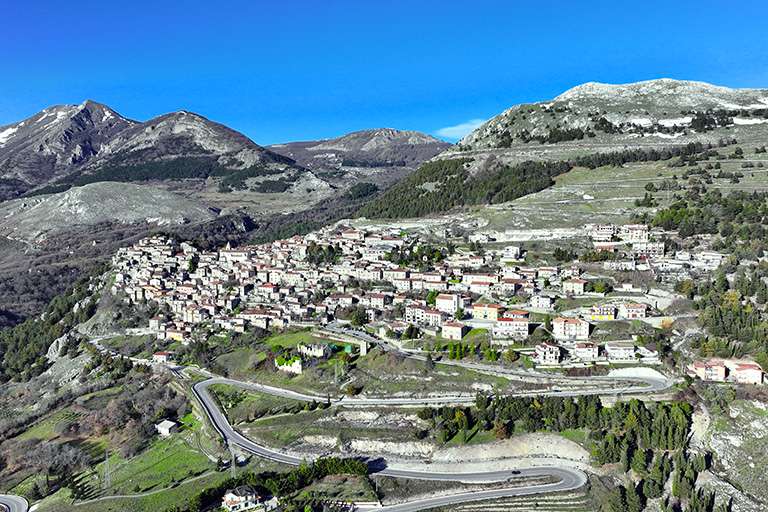
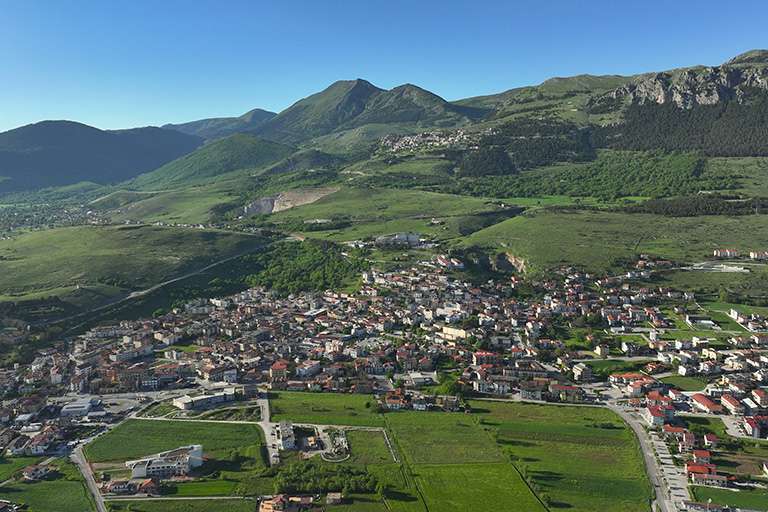


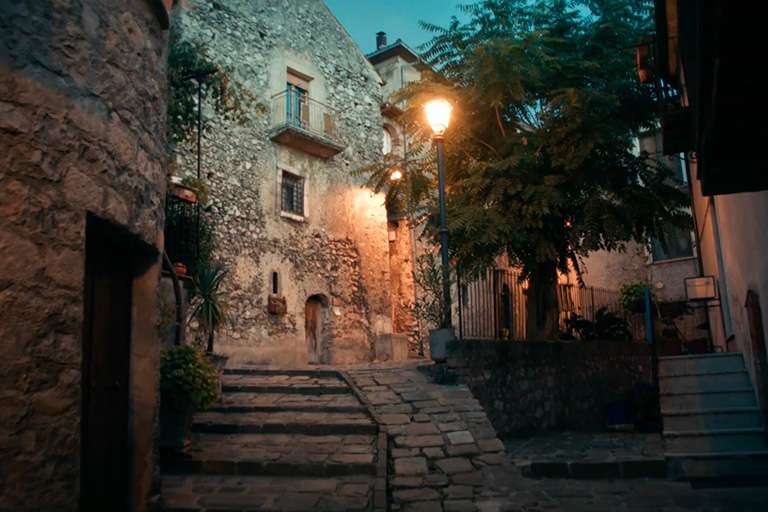
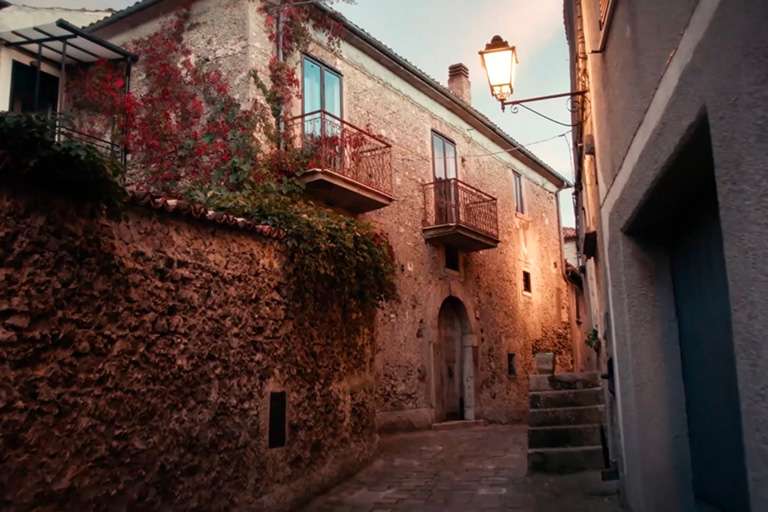
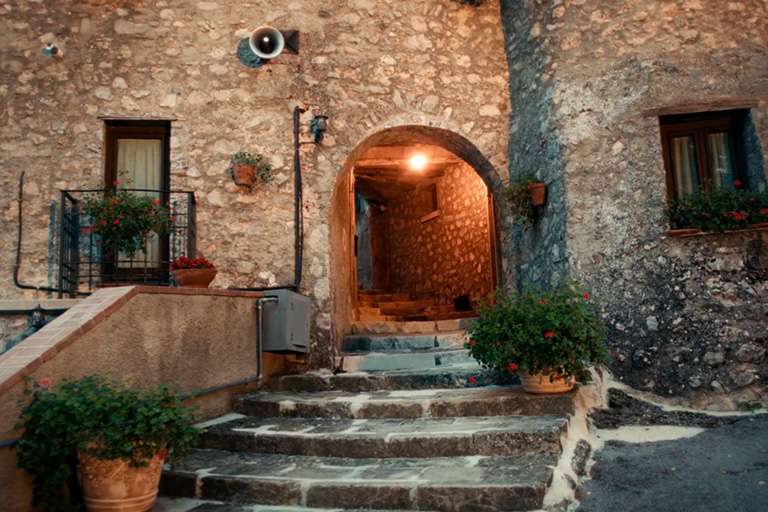
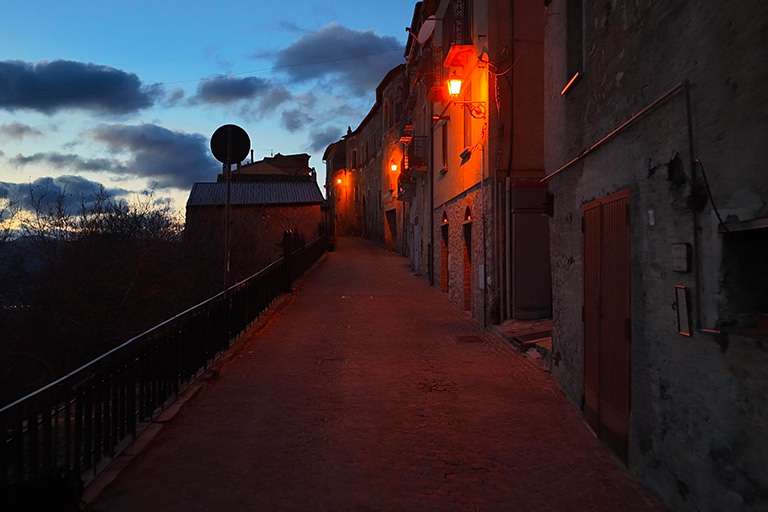
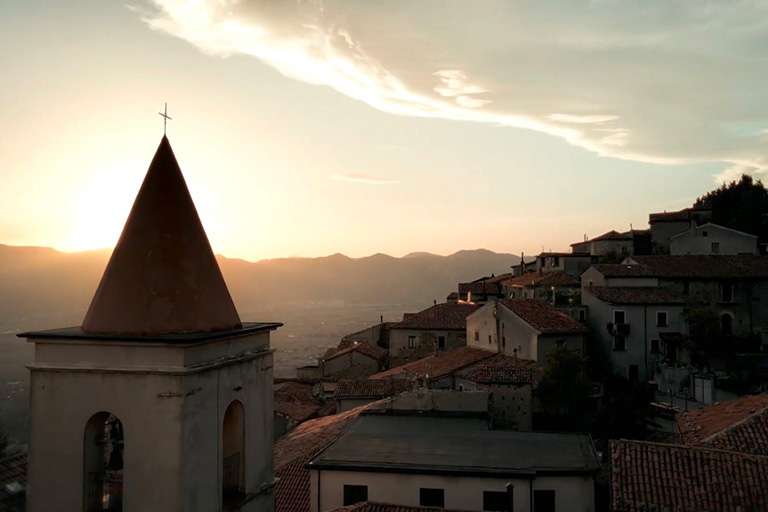
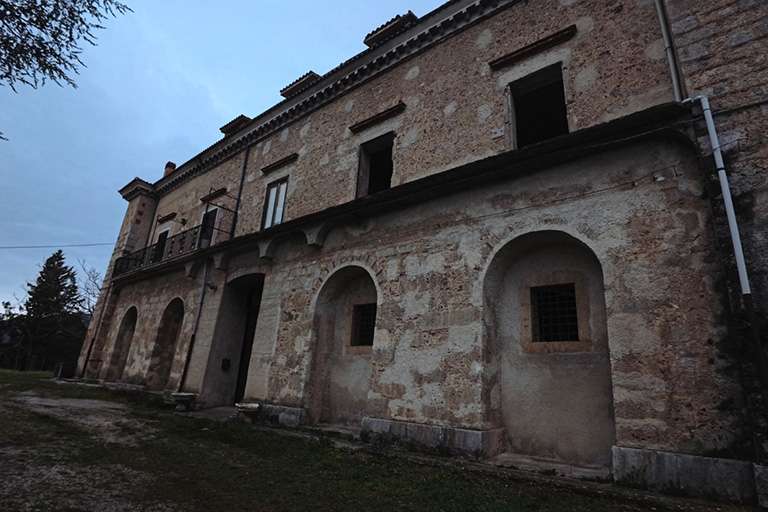
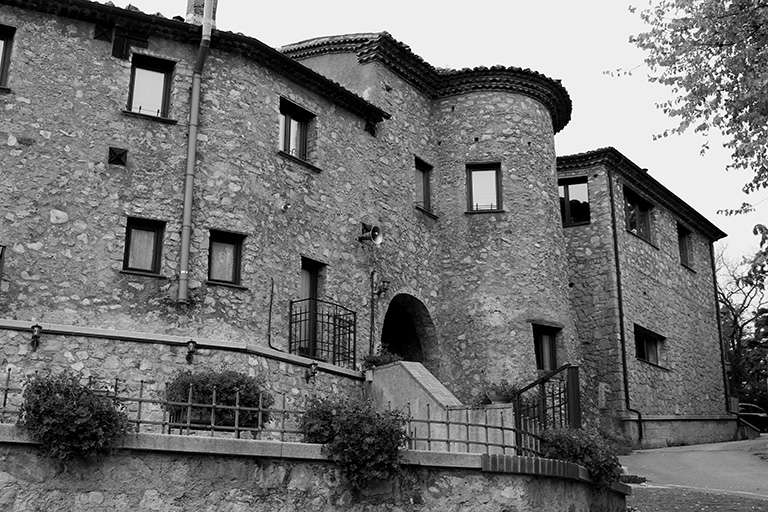
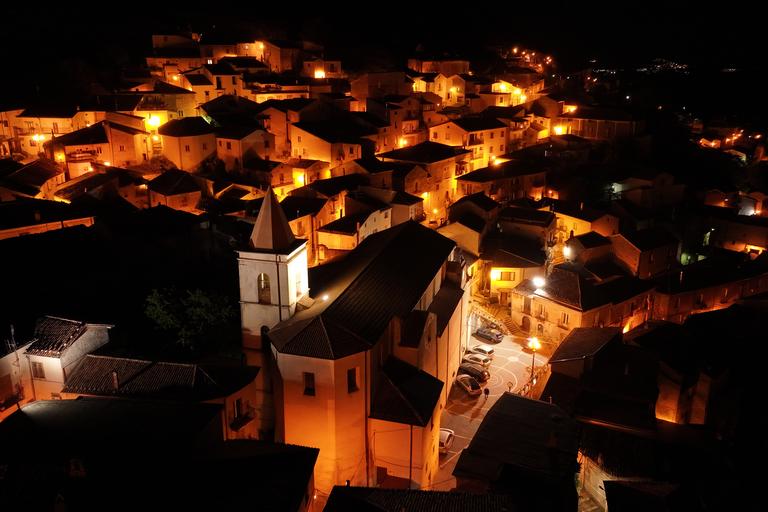
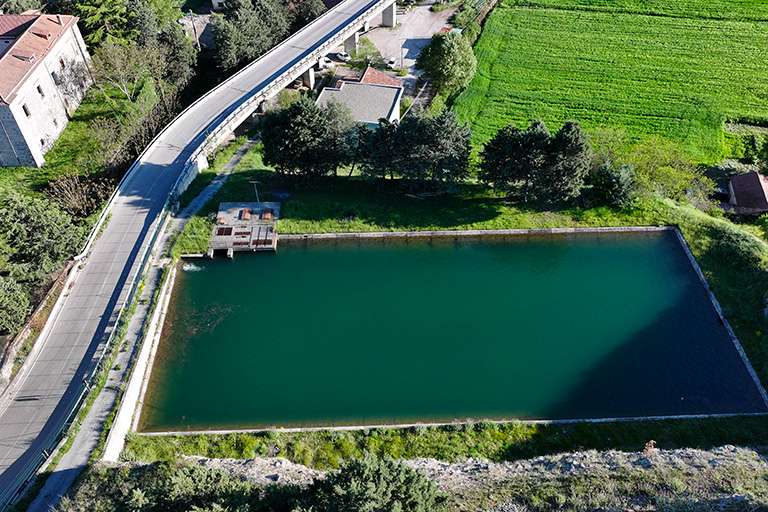
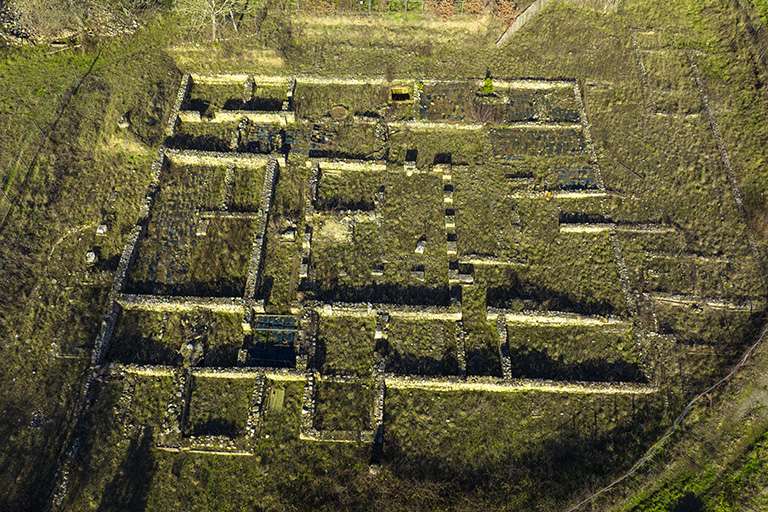
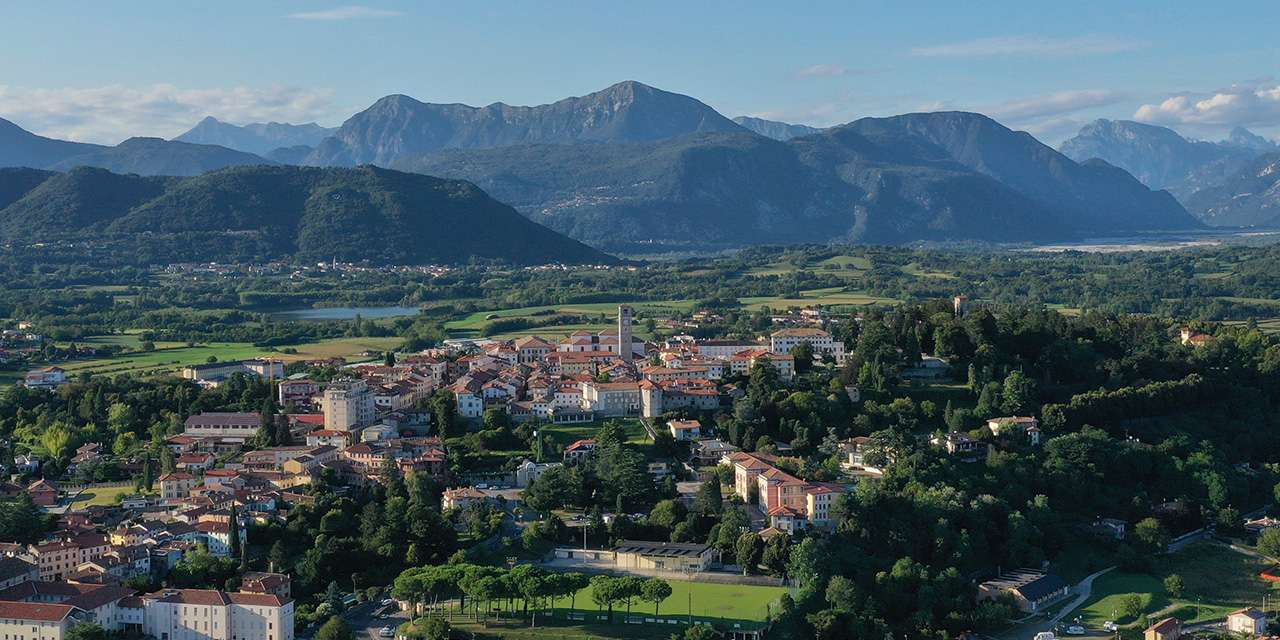
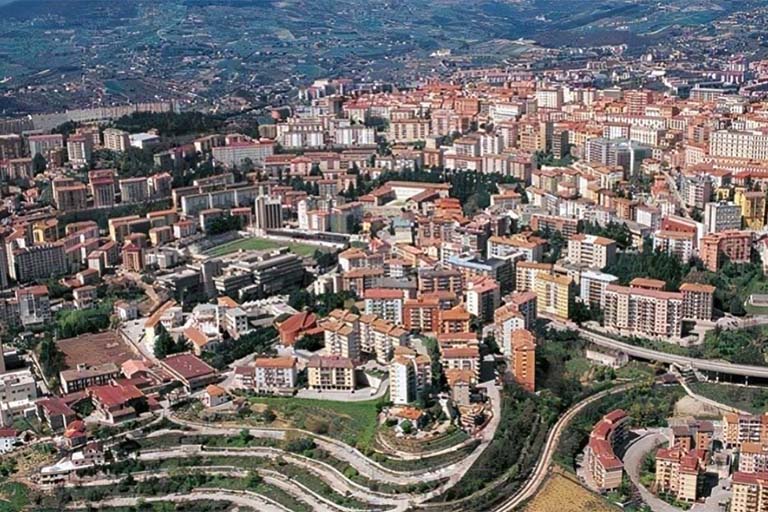
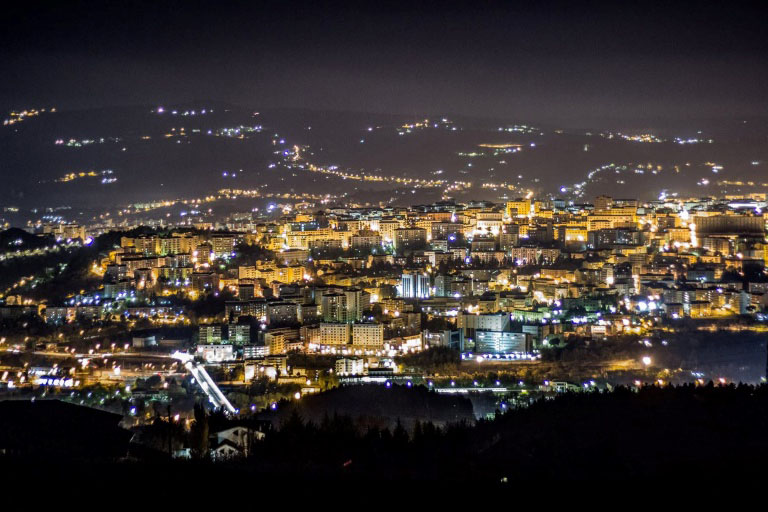
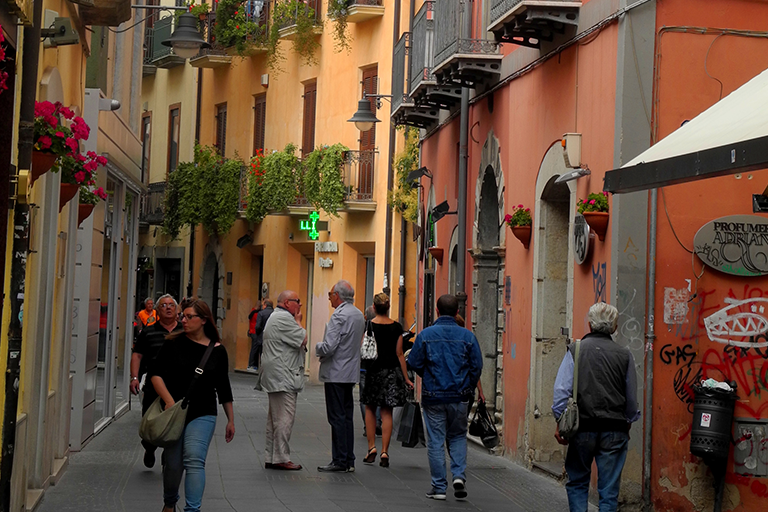
The capital of Basilicata, Potenza is located in the Lucanian Apennines and is the highest regional capital in Italy in terms of elevation. The city stretches along a mountain ridge, with an urban layout that is complex and strongly shaped by the surrounding terrain. Its origins are ancient, with Lucanian and Roman settlements, while during the Middle Ages it gained importance as an administrative centre. The historic centre preserves churches, palaces and sections of the original urban fabric, alongside modern infrastructure designed to connect the city’s different elevations.
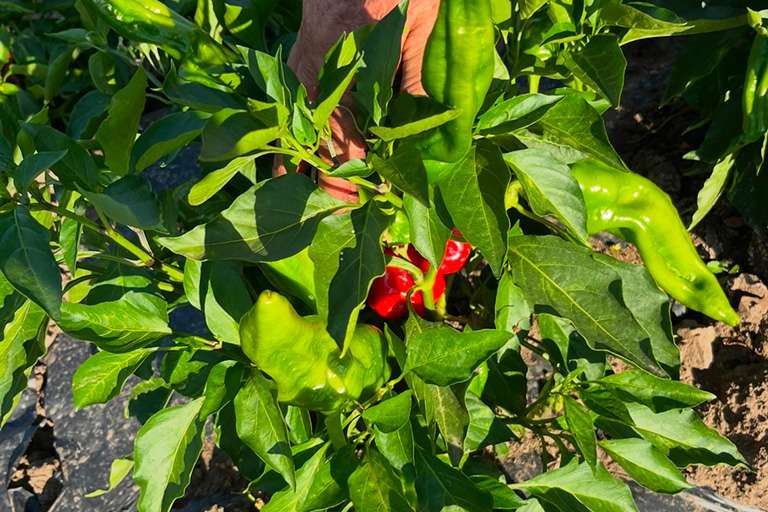
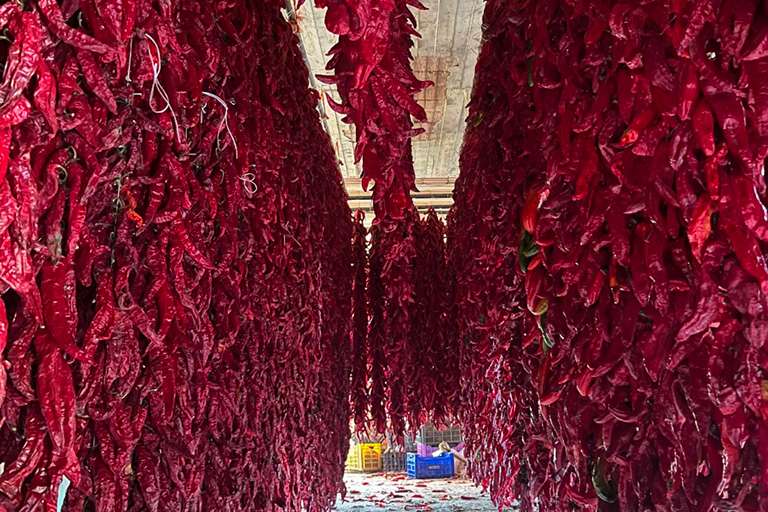
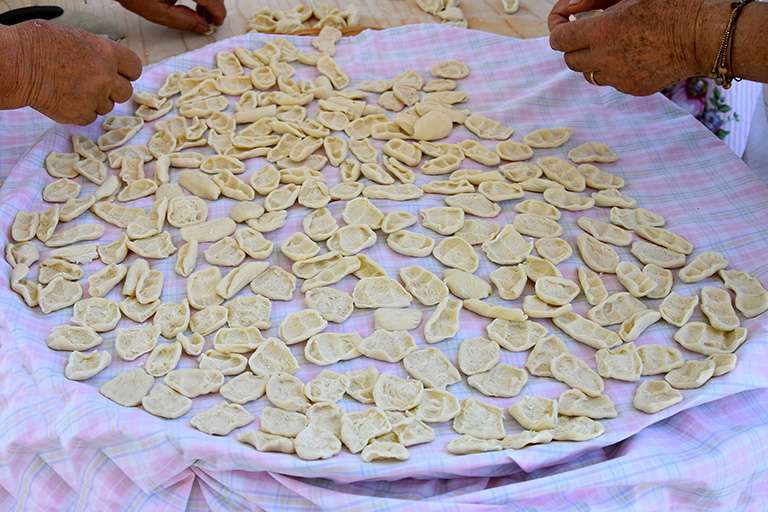
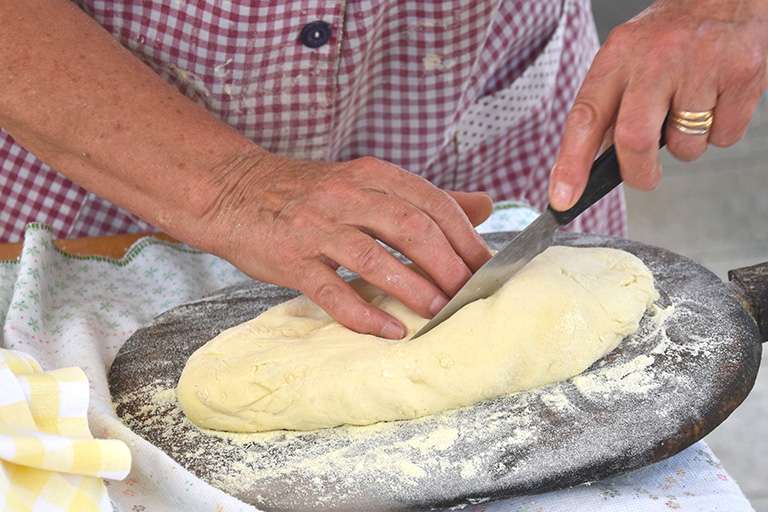
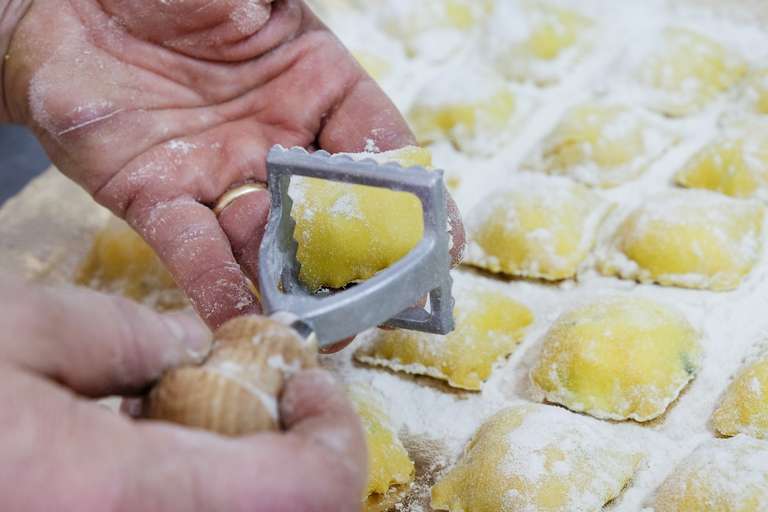
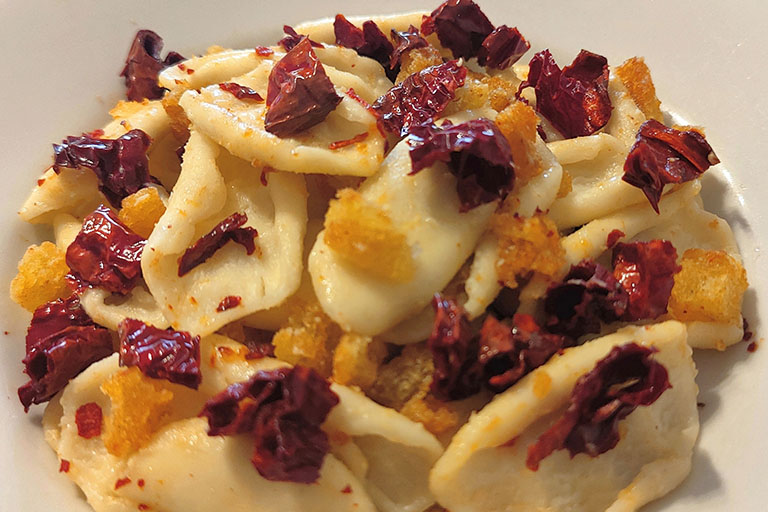
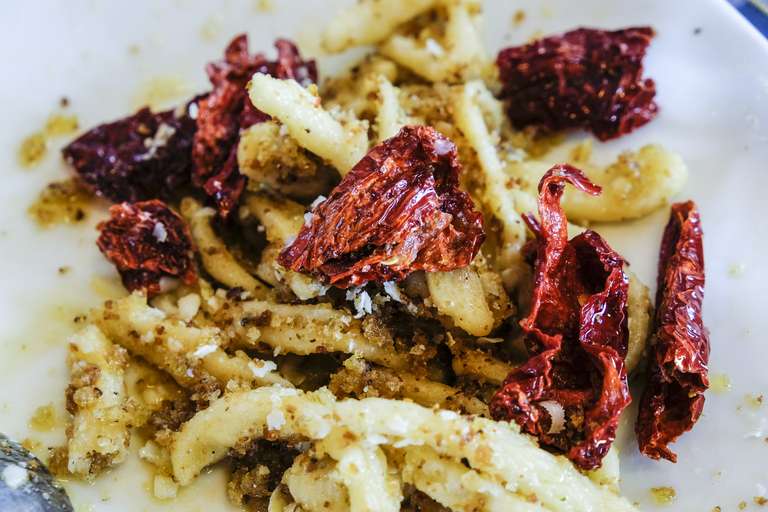
Potenza’s culinary tradition reflects the essence of Lucanian cuisine, rooted in simple ingredients and bold, authentic flavours. Among its most iconic products are peperoni cruschi, made from Senise IGP peppers that are dried and quickly fried, prized for their delicate crunch and naturally sweet taste. One of the city’s signature dishes is baccalà alla potentina, prepared with tomato, olives, and capers, and enriched with the unmistakable flavour of peperoni cruschi. Also widely enjoyed is ciambotta, a hearty summer vegetable stew that celebrates the freshness of local produce, while u’ muzz’c represents the traditional farmer’s snack—bread, peppers, eggs, and sausage—offering a true taste of the region’s rustic and nourishing food culture.

The Potenza area is closely tied to the production of Aglianico del Vulture, one of Basilicata’s most iconic wines. This grape expresses different characteristics depending on soil and altitude, ranging from the distinctive minerality of volcanic terrain to fresher notes found in higher-altitude vineyards. The result is a structured, characterful wine, widely regarded as one of the region’s finest expressions and a true symbol of Lucania’s winemaking tradition.
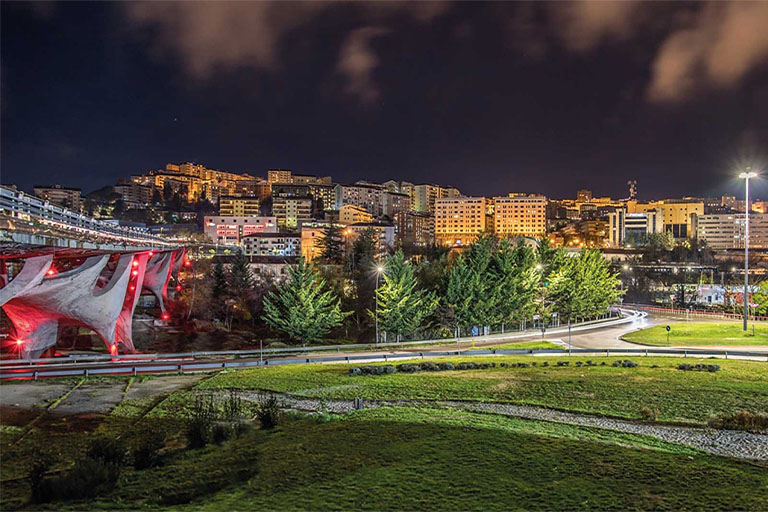
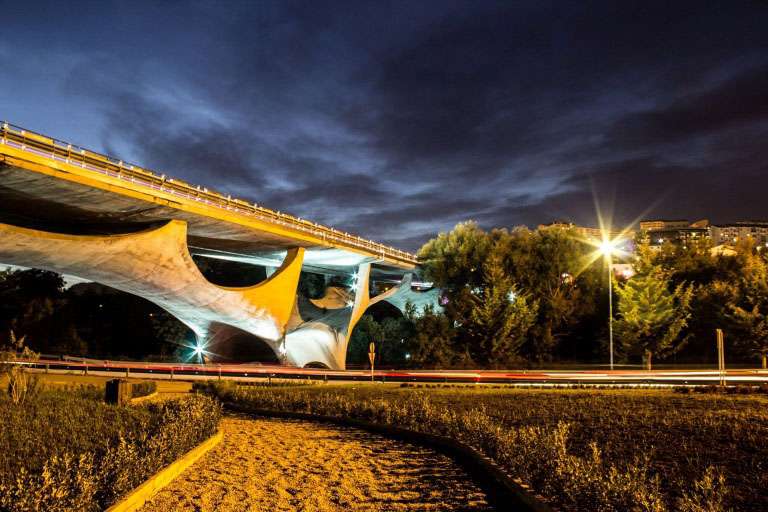
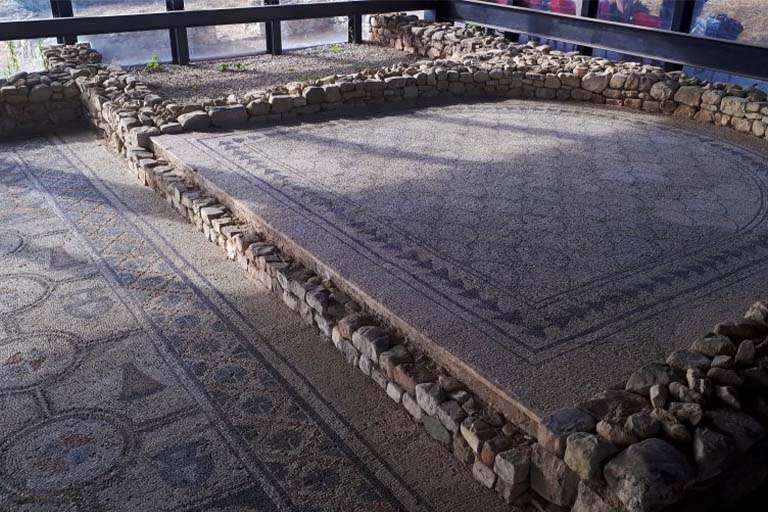
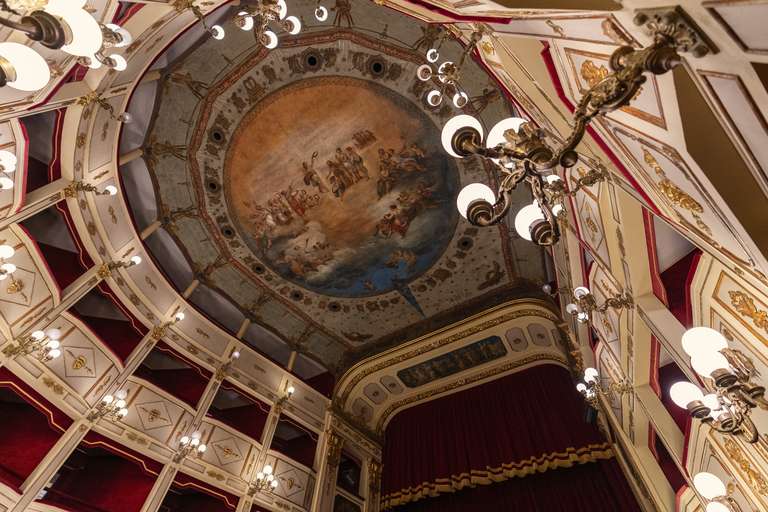
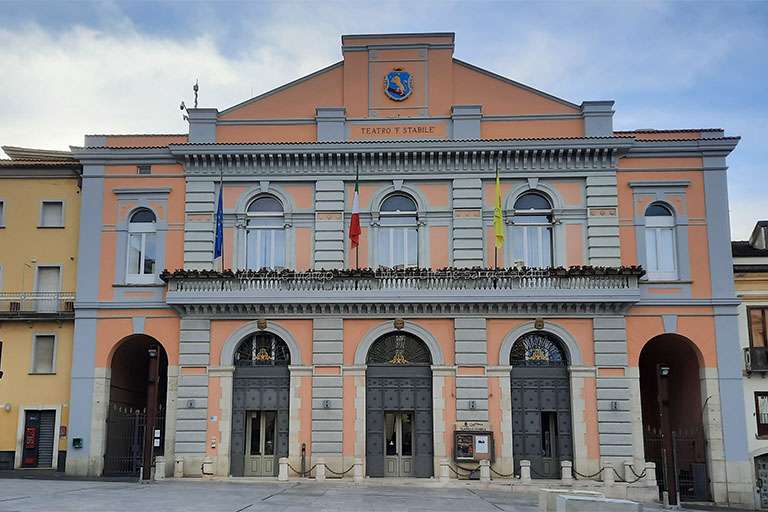
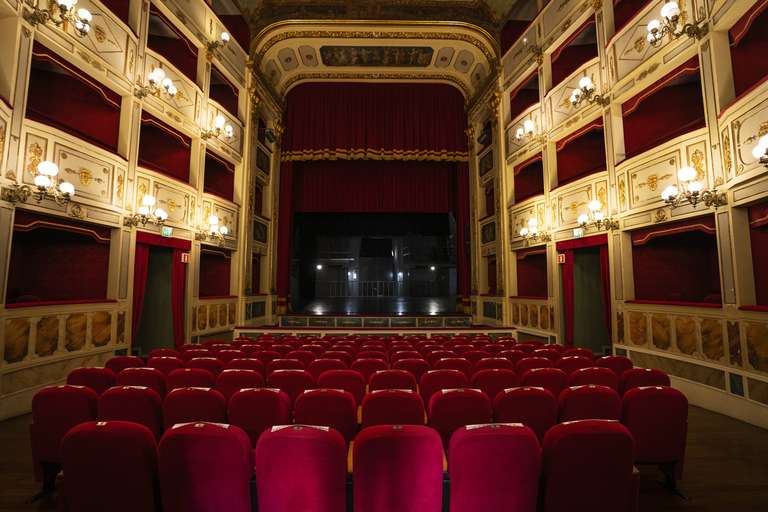
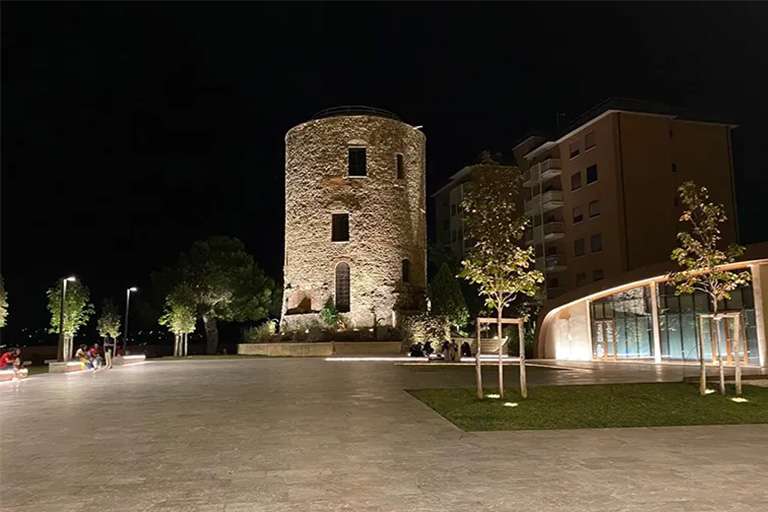
Potenza’s heritage unfolds through a blend of historic landmarks, religious architecture, and striking contemporary works. At the city’s highest point stands the Cathedral of San Gerardo, the main place of worship, combining Romanesque and neoclassical elements and housing notable works of art. In the historic centre lies the Church of San Francesco, one of the oldest buildings in the city, distinguished by its late Gothic portal and valuable interior artworks. Among the city’s defining symbols is the Guevara Tower, the only remaining part of the medieval castle, now serving as an exhibition space and panoramic viewpoint. Architectural highlights also include the Francesco Stabile Theatre, a 19th-century neoclassical opera house, and the Church of San Michele Arcangelo, an important example of local Romanesque style. The National Archaeological Museum “Dinu Adamesteanu,” housed in Palazzo Loffredo, traces the history of ancient Lucania from prehistory to the Roman era. Key elements of the historic urban fabric include Porta San Gerardo, once the gateway to the medieval city, and Via Pretoria, the city’s main thoroughfare and vibrant social hub. Alongside its historical heritage, Potenza features contemporary icons such as the Musmeci Bridge, a bold reinforced concrete structure celebrated as a masterpiece of organic architecture. Completing the picture is the Tempietto di San Gerardo, perched along the Muraglione, offering sweeping views and a strong symbolic presence.
Amantea - Cosenza
Villa d'Agri di Marsicovetere - Potenza
Pompei - Napoli
Roccaraso - Blockhaus
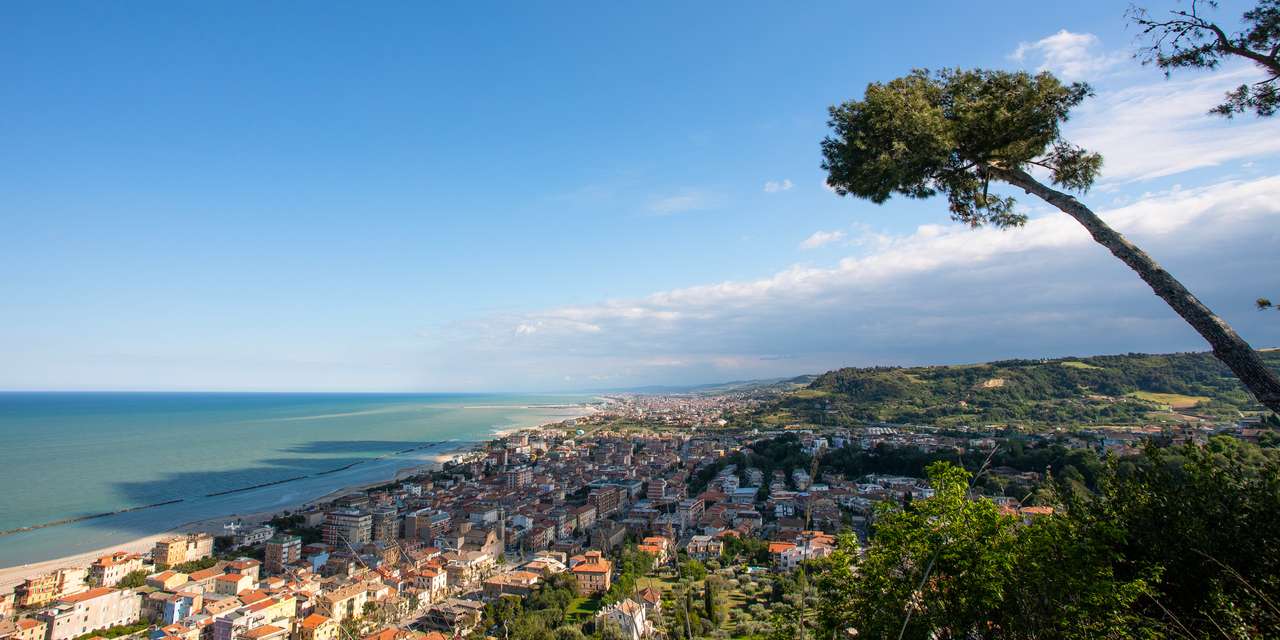
Grottammare - Fermo
Sasso Marconi - Corno alle Scale
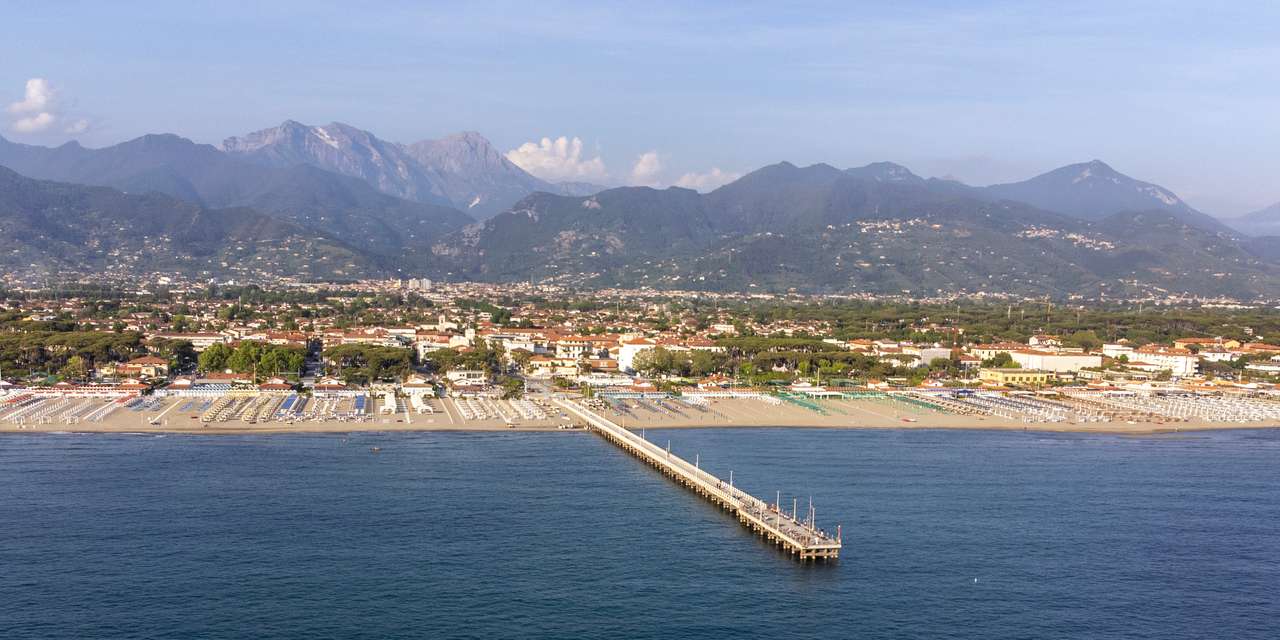
Forte dei Marmi - Massa
La Spezia - Chiavari
Savona - Novi Ligure
Angera - Verbania
Aymavilles - Pila
Assago - Milano
Biasca (CH) - Carì (CH)
Tione di Trento - Andalo
Valdobbiadene - Pieve di Soligo
Agordo - Alleghe (Piani di Pezzè)
San Daniele del Friuli - Piancavallo
Roma - Roma