profile
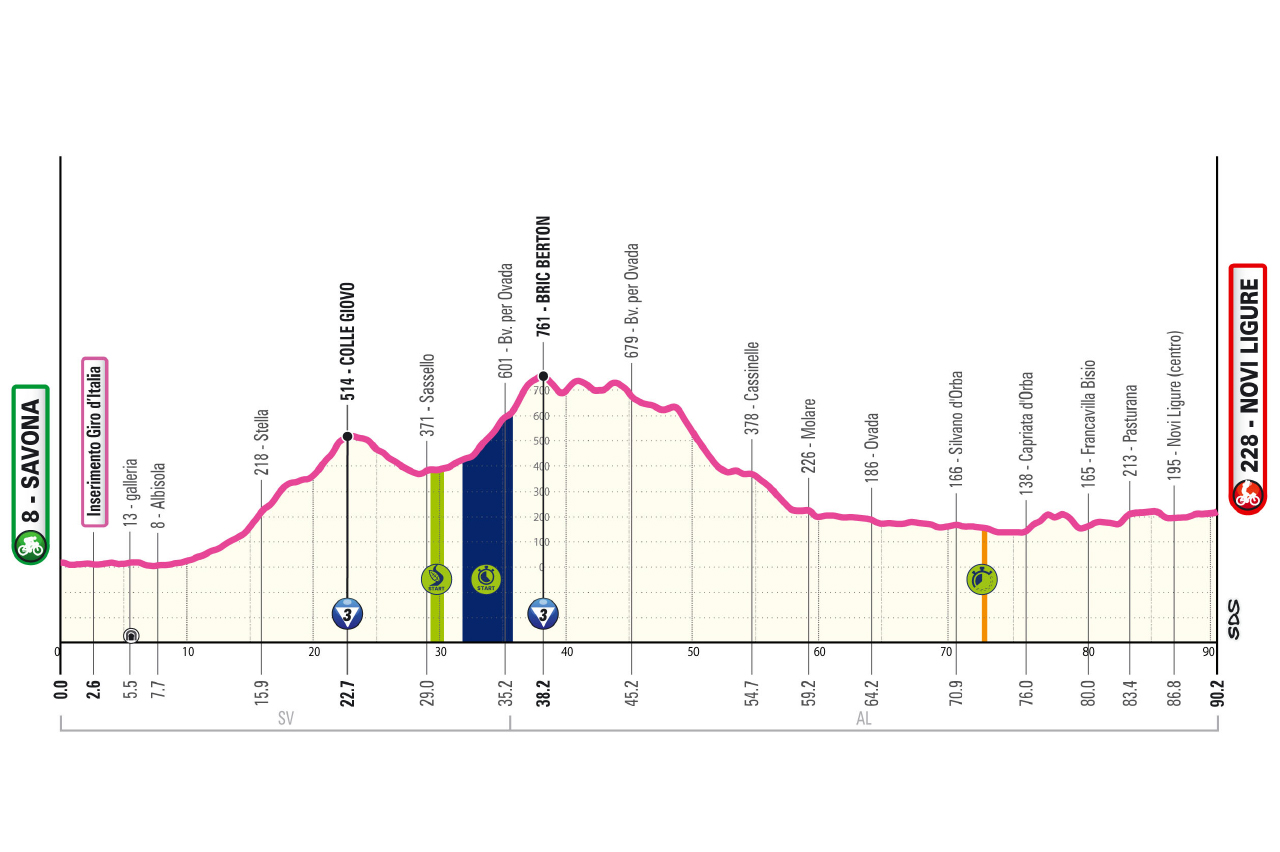
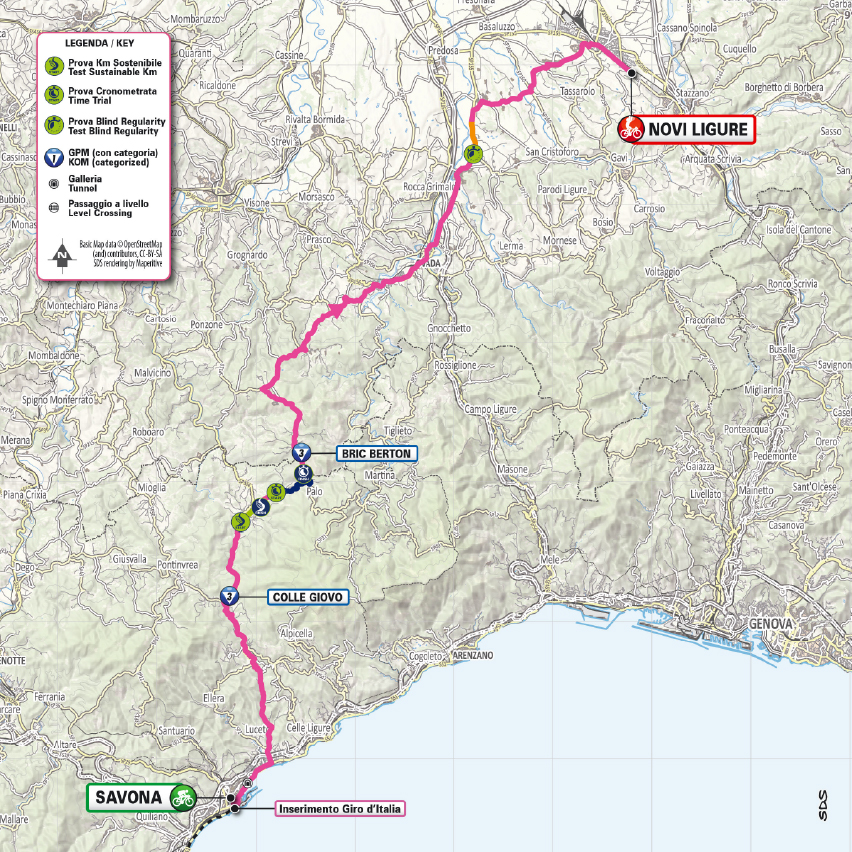
map
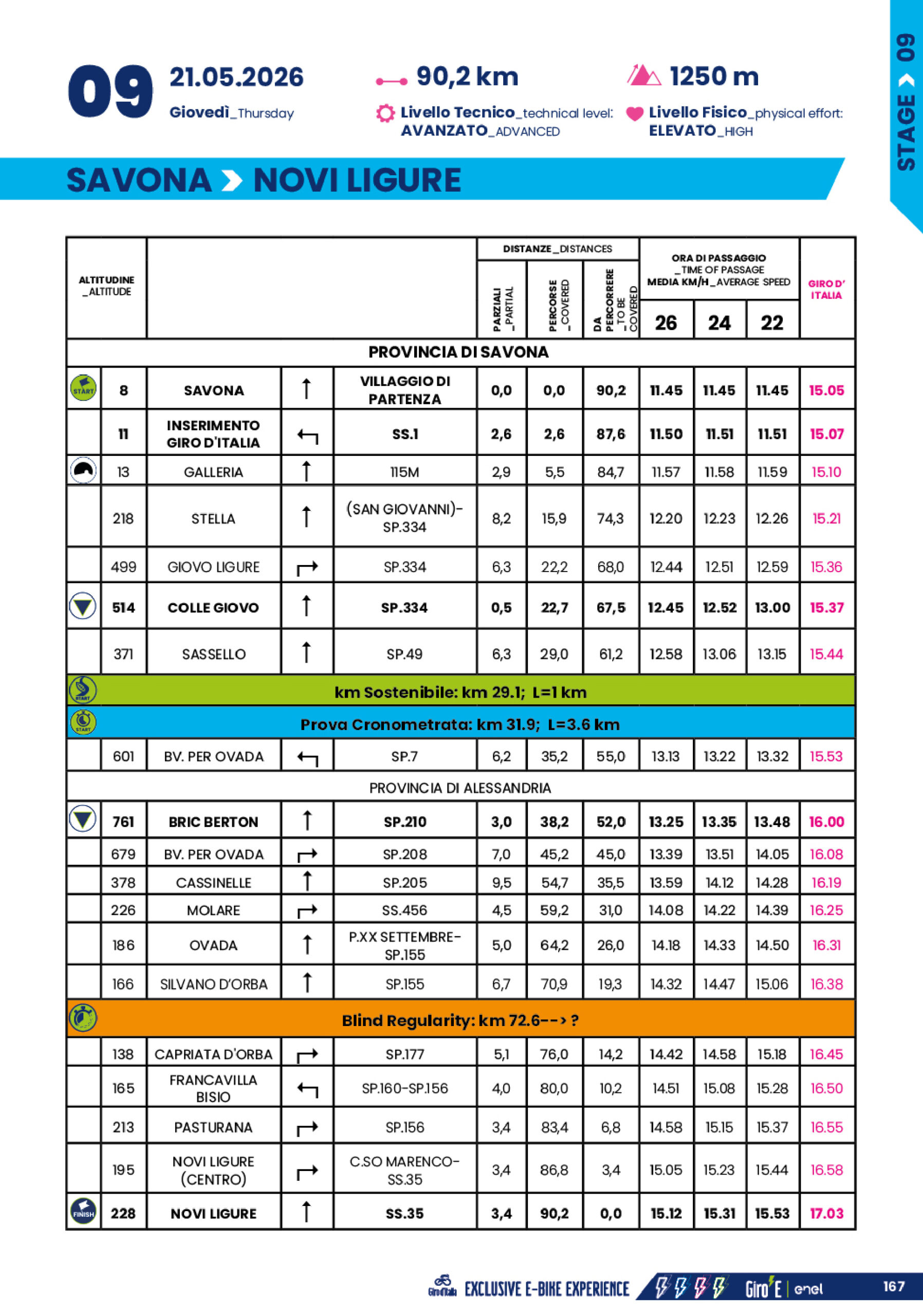
itinerary timetable

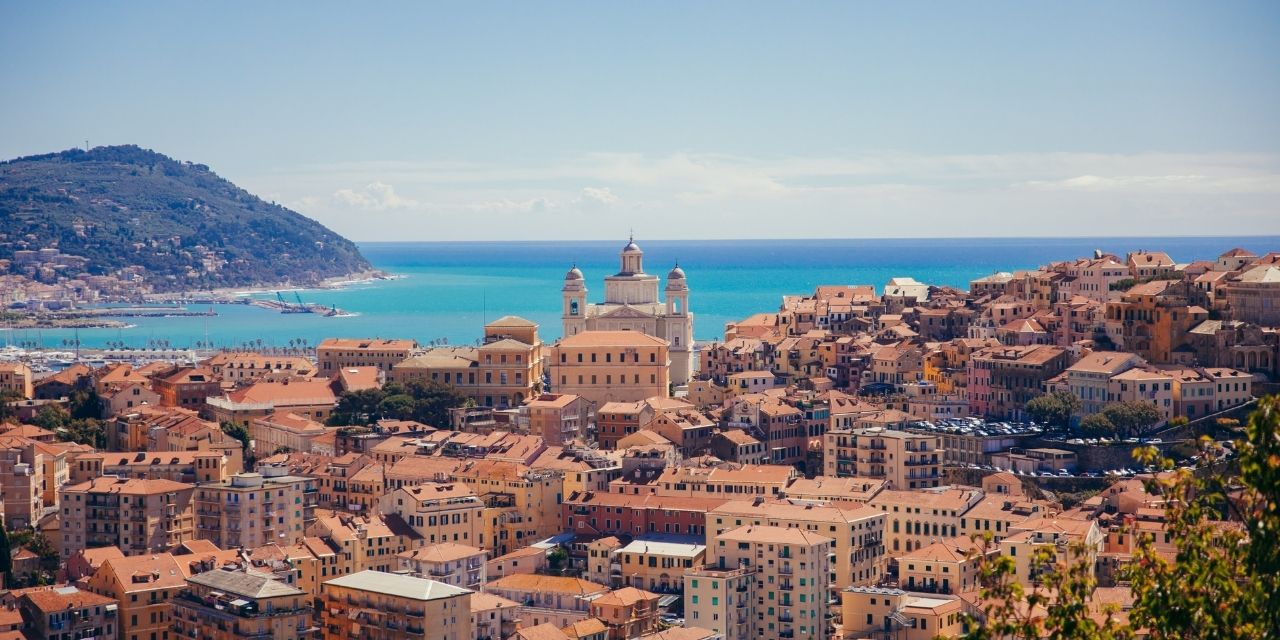
Thursday 21
May 2026
90,2 km
Altitude gain 1250 mt
Technical Level: Advanced
Physical Effort: High
 Starting in
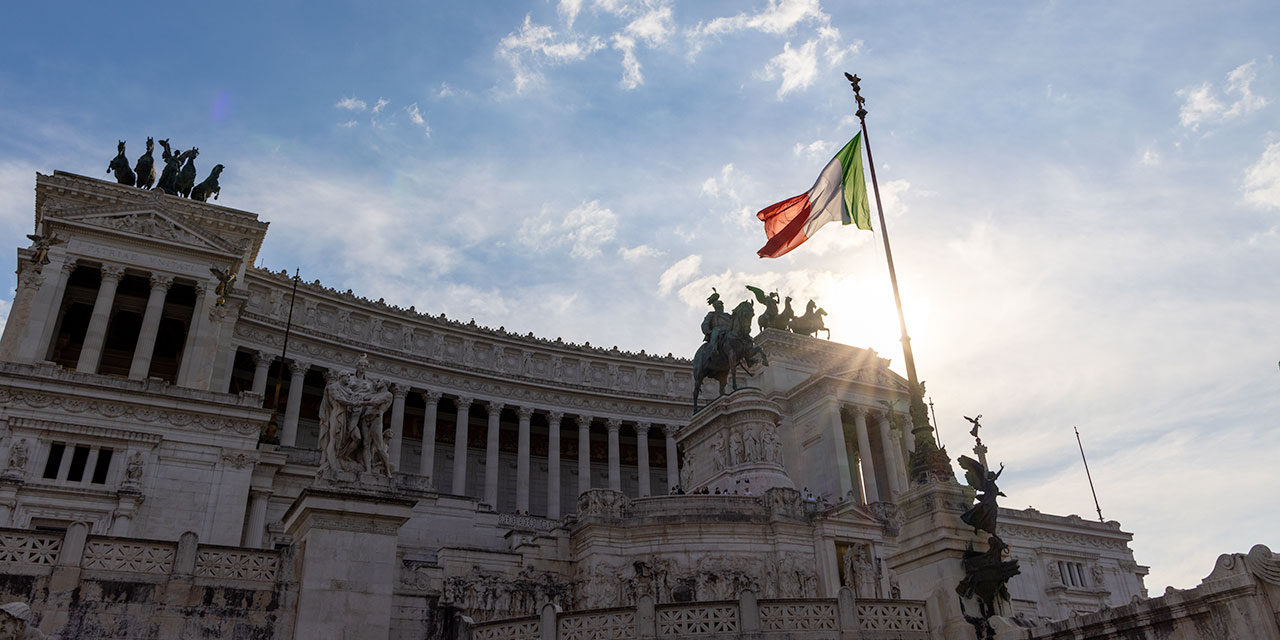
Host city:
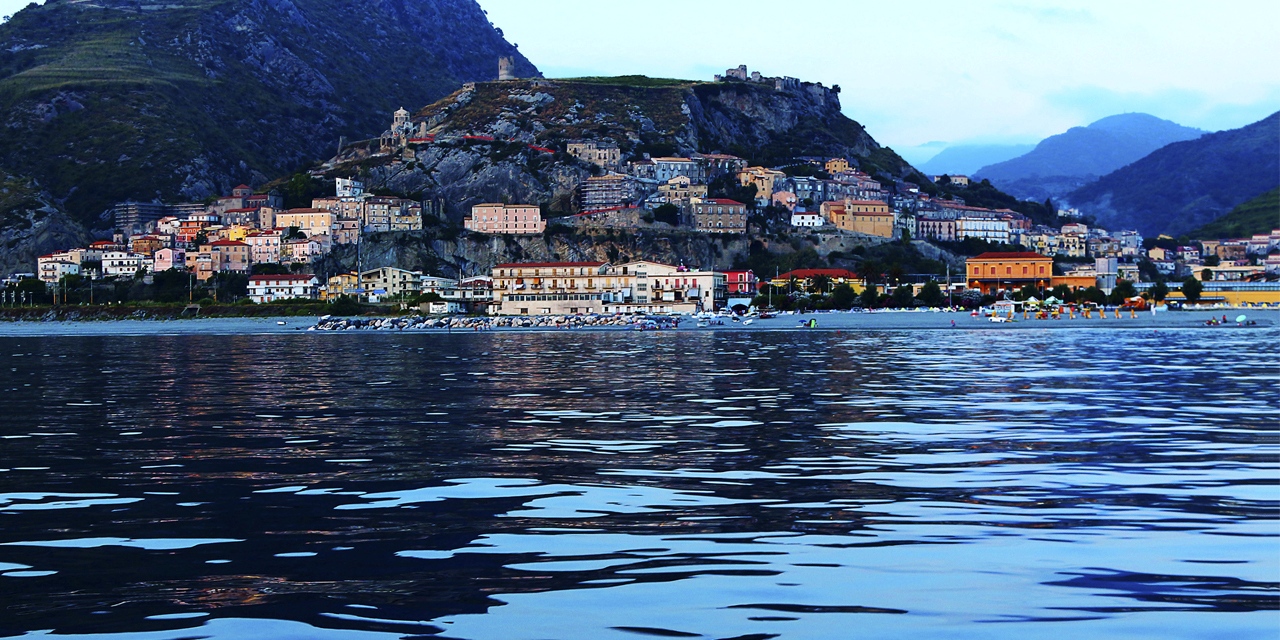
Savona is a seaport on the Ligurian Sea and is one of the four major cities in the Liguria region.
Geographically, Savona is very well positioned: it is the leading port of the Italian cruise line Costa Crociere, it is only half an hour away from Genoa Airport and less than two hours away from Turin and Milan airports.
Savona, also known as one of the “City of the Popes”, welcomes the visitor with its architectural monuments and beautiful churches. This seaside city can offer unforgettable experiences for lovers of sport and food and wine tourism, all under the banner of sustainability.
Savona is also called “City of the Popes” for the cultural and artistic heritage left by two great popes patrons of the Renaissance: Sixtus IV and Julius II, both from the influential Della Rovere family, that allowed the city to become so powerful economically and to be able to rival also militarily with Genoa and its allies.
Savona is linked to the story of another pope, Pius VII who, from 1809 to 1812 and again from February to March 1814, was taken prisoner by Napoleon, in the headquarters (the apartments of the Bishop’s Palace).
Another important character in the history of Savona is Giuseppe Mazzini, imprisoned in the prison of Priamar for the activity carried out in favor of the Carboneria, where he will formulate the idea of the Young Italy that he founded, then, in Marseille, in 1832.
The local cuisine features a lot of flavour-rich dishes, revealing centuries-old traditions: white farinata, panissa and stockfish buridda are only some of the most exquisite dishes you can taste, while enjoying a wonderful sea view.
Panissa is one of the best loved street food in Savona and one of the most famous local Ligurian specialties. It should not be confused with chickpea farinata, which is different in shape and cooking method.
A well-balanced mixture of the three main ingredients (chickpea flour, water and salt) is cooked into a mush to be served as a cold dish, cubed and dressed simply with olive oil, lemon and onion at your own choice, or as oil fried tasty thin slices, called ‘tavelette/fette’ in dialect. The ‘fugassette’ are another variation to the main recipe: they are round, decorated with some round-shaped holes, fried in olive oil and lightly salted on top.
Fried Panissa slices can also be tasted stuffed in white wheat and flat bread rolls (similar to Pita bread): that’s the favourite snack or light lunch of Savonesi, Savona’s inhabitants, who always offer it to their guests or recommend it to tourists on the lookout for local specialties. One more tip: panissa is a gluten free and vegan product!
The ‘caruggi’ – the narrow alleys of the historical centre – are filled with a distinctive scent, especially in the late afternoon. It is the smell of freshly baked, hot farinata (street food and age-old pride and joy of the local folk cuisine) coming out of pie shops and friggitorie, fried food shops.
Many small restaurants also serve it flavoured with sausage, rosemary, or onions. The so-called ‘farinata bianca’ (‘white farinata’) is another variety whose origin is claimed in Savona. Its recipe replaces chickpea flour normally used to make the yellow farinata with wheat flour.
Farinata, also called ‘turtellassu’, is made of chickpea or wheat flour mixed with water and salt. This liquid batter is left to stand for about four hours, it is then poured into a special low and round copper baking tray and blended together with a small cup of olive oil. It is baked in the oven until it turns into a thin and crispy farinata. Its perfect baking depends on the baker’s skill at handling the trays close to the embers, using a long iron stick.
Savona and its province boast 3 craft breweries, one of which is agricultural, the only one in Liguria, important wine cellars and the precious Chinotto.
Among the cellars we find Innocenzo Turco with his Granaccia and Sancio with another typical wine like Lumassina.
The breweries are: Birrificio di Savona, BEdreamER and Altavia (agribrewery)
All three boast of being able to use the water of Savona, which is among the best in Italy, for their production, so as to serve a high quality product.
They also use local products such as Chinotto and apricot of Valleggia.
It’s a small citrus fruit (Citrus myrtifolia), unique in quality and flavour, growing plentifully on an evergreen tree, about 1.5 meter high. Since 2004, it has been granted the Slow Food Presidium status. This tree is native to China: it was imported by a sailor from Savona in the 16th Century and planted on the Ligurian coast, where it fit perfectly in with the local environmental conditions.
The first candying shop in Liguria dates back to 1877, when the company Silvestre-Allemand moved from the town of Apt, in the South-East of France, where it had been operating since 1780, to Savona. Towards the end of the 19th Century the ‘Chinottos Cooperative Society’ was established in Savona, to grow, process and sell these fruits. Later on, most of the plantations around Savona were destroyed as a result of urbanisation and adverse and sudden climate changes.
However, thanks to a group of experts and lovers they were restored several years ago. Nowadays, chinotto is experiencing an amazing comeback: from the popular, traditional soft drink of the 1930s, to its use as ingredient in cosmetic products. Because of its remarkable organoleptic properties, the Chinotto from Savona has now become the local product par excellence. Actually, Savona is known as the ‘Town of Chinotto’, having registered its trademark ‘Chinotto from Savona’. In 2019, as part of the European project called ‘Un mare di agrumi’ (‘A sea of citrus fruits’), Savona officially opened the ‘Giardino degli agrumi’ (Citrus Grove) inside the historical Priamar Fortress compound.
Ecco il testo in inglese che mi hai fornito, formattato esattamente con i grassetti (``) e i corsivi (``) nelle stesse posizioni della versione italiana, mantenendo la struttura dei paragrafi che abbiamo concordato:
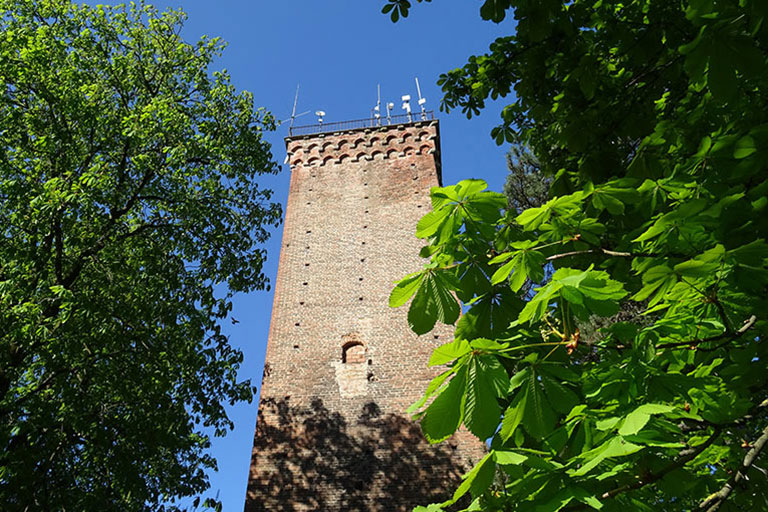
La Fortezza del Priamar, built by order of the Genoese in 1542, is the symbol of the town. Now a hub for cultural and social activity, the Fortress houses a variety of places of interest, including the prison cell where Giuseppe Mazzini was held, an open-air theatre, craft shops and workshops and a range of spaces to be used as conference and art exhibition venues. The two towers, Torre del Brandale and Torre Leon Pancaldo, are among the town’s most popular attractions, having survived the passing of centuries, welcoming tourists to this day.
Savona has many religious buildings: in addition to the Complesso Monumentale del Duomo, comprising the Cattedrale, the Cappella Sistina, the Museo del Tesoro and Pope Pius VII’s apartment, the main oratories are also a must during a visit to the city. Renowned across the Liguria region for their precious processional floats, Savona’s oratories are a notable example of fervid religious lay life to this day which is expressed every 2 years with the Processione del Venerdì Santo, parade of wooden crates representing the passion and death of Jesus. Sitting just outside the city, the Santuario di Nostra Signora della Misericordia is also an unmissable destination for tourists and worshippers alike.
Two are the theatres that liven up Savona nightlife with their extensive calendar of events: the Teatro Comunale Chiabrera and the Officine Solimano. The first one is the most beautiful historical theatre still working in Liguria; the second, as suggested by the name, is located in a former factory, restored and converted into a multi-purpose centre, where mostly young people meet to take part in theatre performances and concerts, see films, and attend events.
Savona is rich in buildings that tell the story; among the most important buildings there are those belonging to the families: Della Rovere, Lamba Doria, Del Carretto Pozzobonello and Gavotti. Also noteworthy is the Palazzo dei Pavoni, built in Liberty style. No matter how many colours Liguria may be painted with, the blue is constantly present; and the coastal strip of Savona is no exception to that. The coastline comprises four main beaches: Spiaggia Prolungamento a Mare (1 km long), Spiaggia delle Fornaci (1 km long), Spiaggia della Natarella (1,5 km long) and Spiaggia di Zinola (1,2 km long).
Since the 2000s, Savona has boasted the Blue Flag. It is guarantee of its tourist vocation and environmental quality, which over the years has further improved thanks to the awareness and efforts of environment-sensitive professionals. Savona is a fully-fledged seaside resort, with more than thirty beach clubs; this wide selection of activities meets the tastes and the needs of tourists of all ages. Every summer, at the Fornaci Beach, the “scaletto senza scalini” comes to life, a beach area granting easy access to people with motor disabilities.
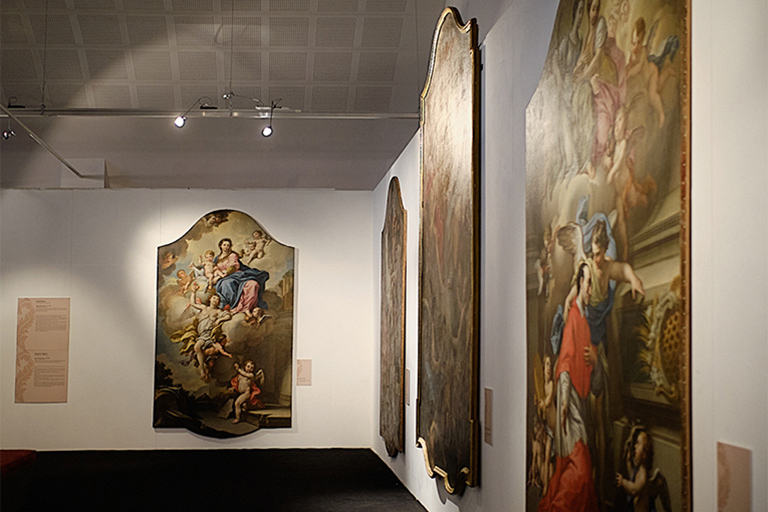
The Civic Museums of the Municipality of Savona – MUSA are organized into various sites where different collections are preserved and exhibited: the Museo d’Arte di Palazzo Gavotti (divided into: Pinacoteca Civica, Milena Milani Contemporary Art Collection in memory of Carlo Cardazzo, and Museo della Ceramica) and the Complesso Monumentale del Priamar (Palazzo della Loggia: Civico Museo Archeologico e della Città and Museo Sandro Pertini e Renata Cuneo). Alongside these important museum realities are religious museums: the Museo del Tesoro della Cattedrale, the Museo del Tesoro del Santuario and the Quadreria del Seminario Vescovile. Last in chronological order is the Museo All About Apple dedicated to apple enthusiasts: it is a large private collection that has become the best-stocked Apple museum in the world.
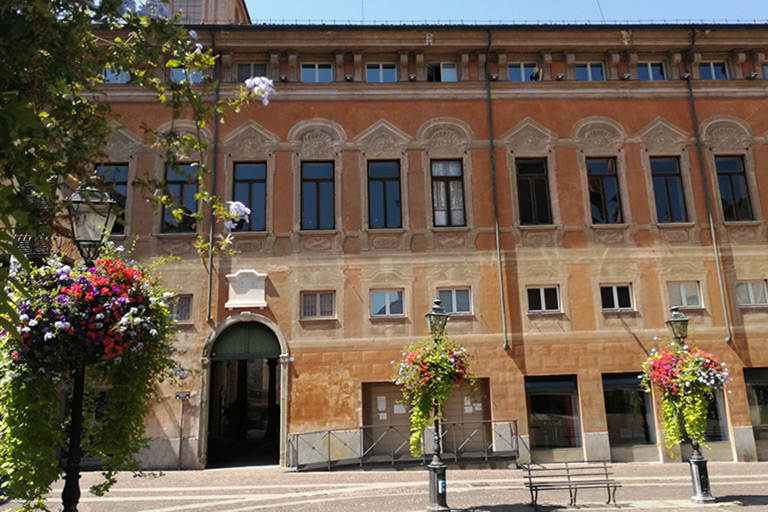
Located at the south-eastern edge of Piedmont, Novi Ligure has historically served as a link between the Po Valley and the Ligurian Apennines. The town developed as a commercial and manufacturing centre, thanks to its position along major routes connecting northern Italy with the coast. Its urban fabric retains a well-ordered 19th-century layout, with squares and main thoroughfares reflecting the city’s growth during the industrial era. Novi Ligure is also historically associated with confectionery and chocolate production.
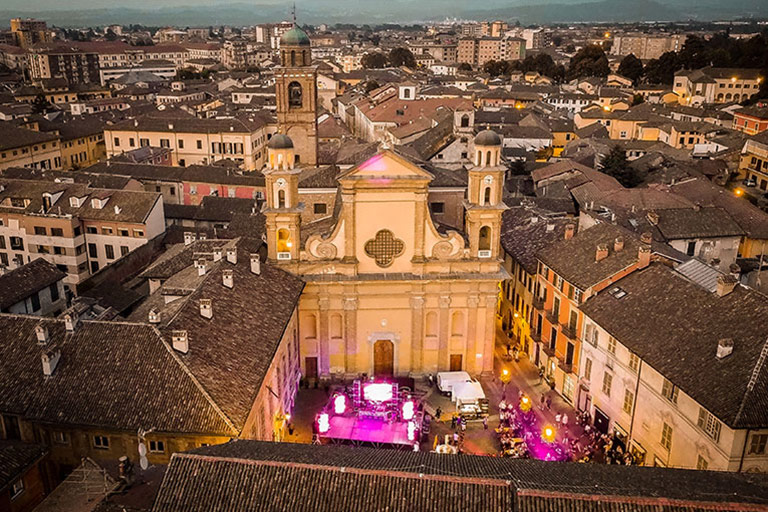
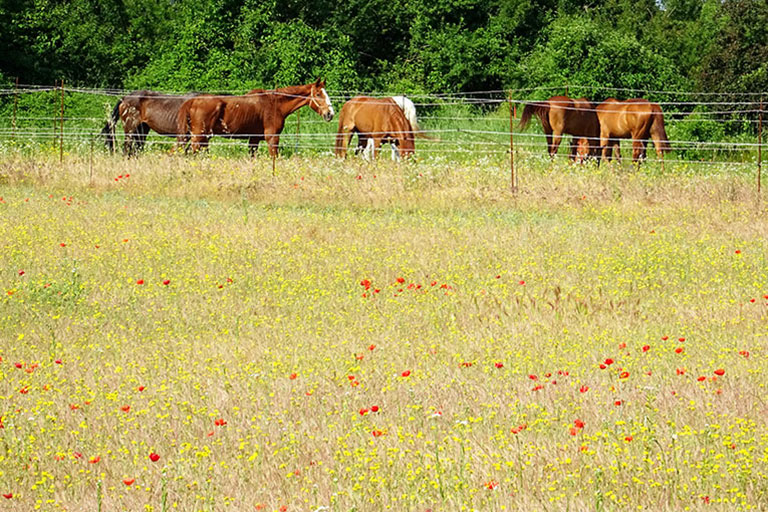
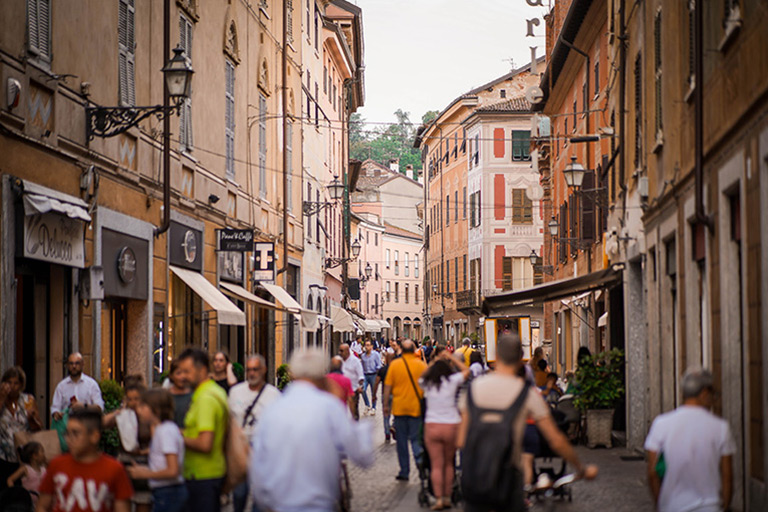
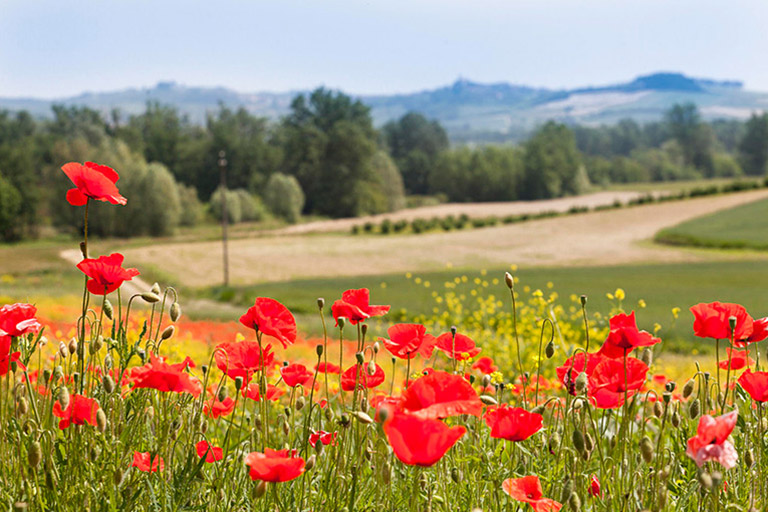
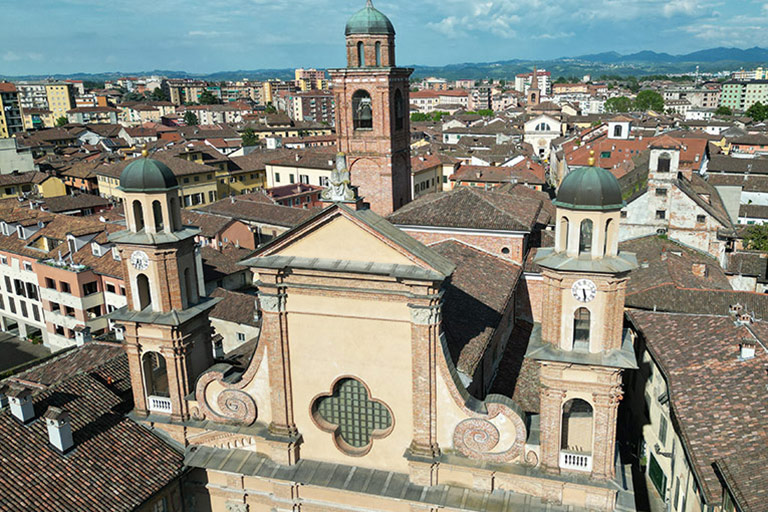
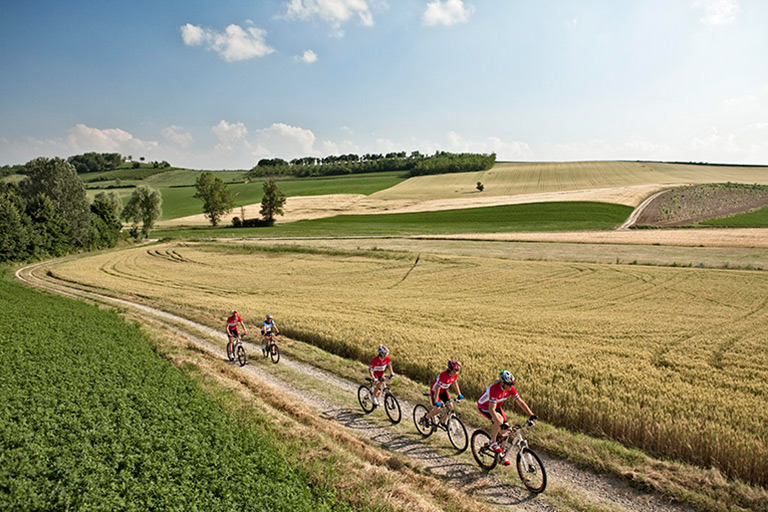
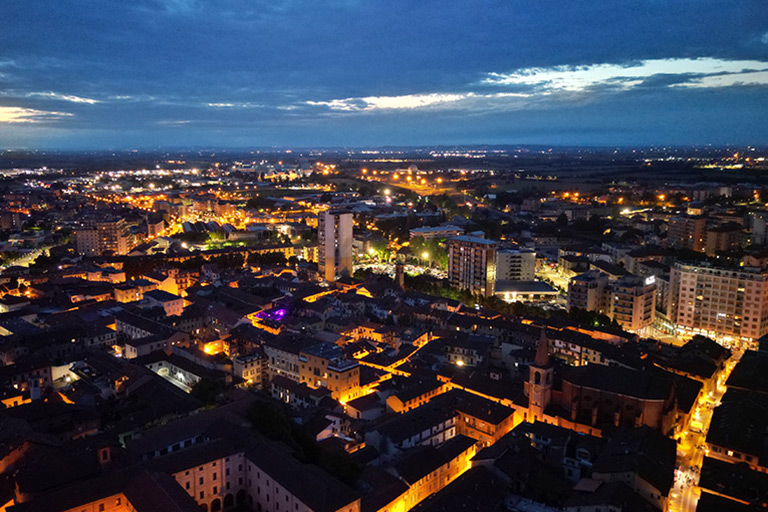
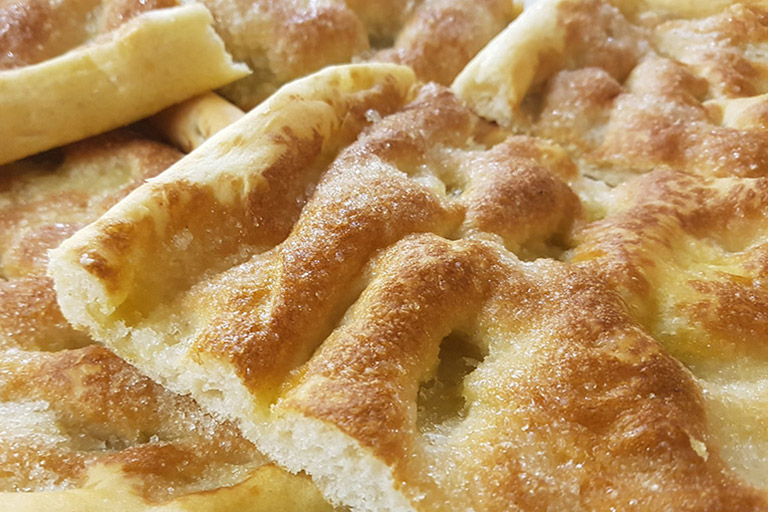
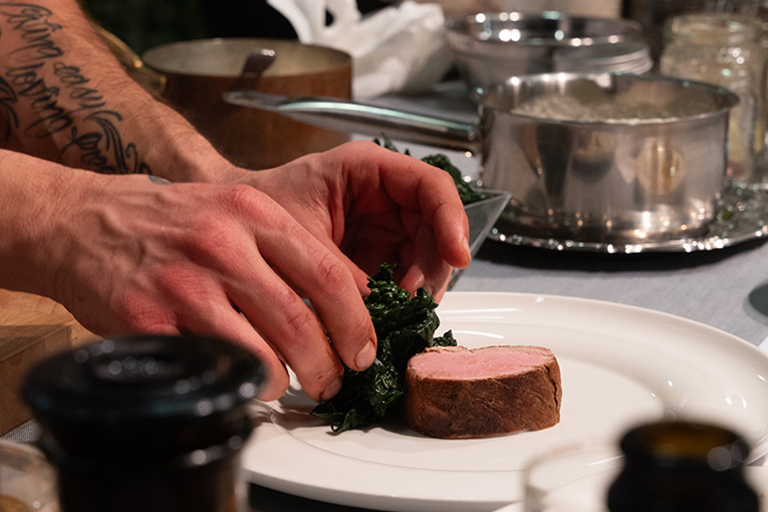
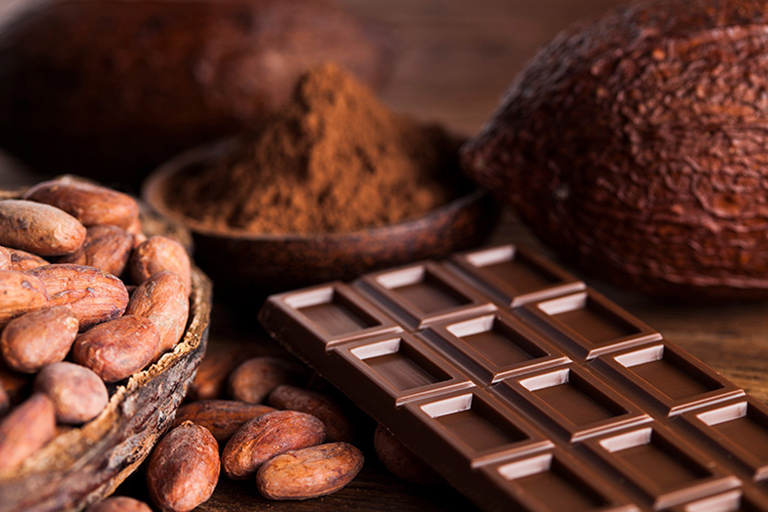
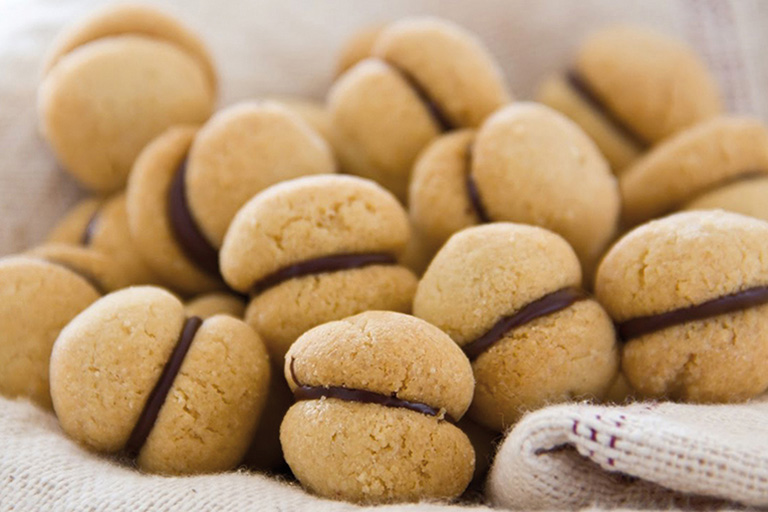
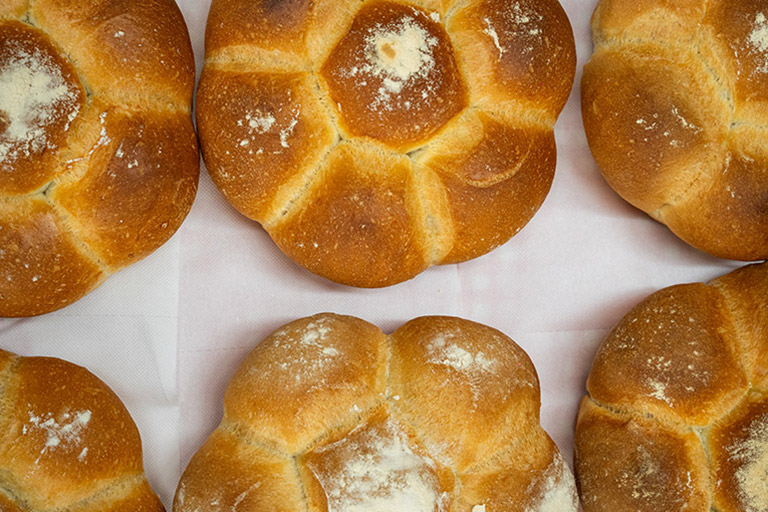
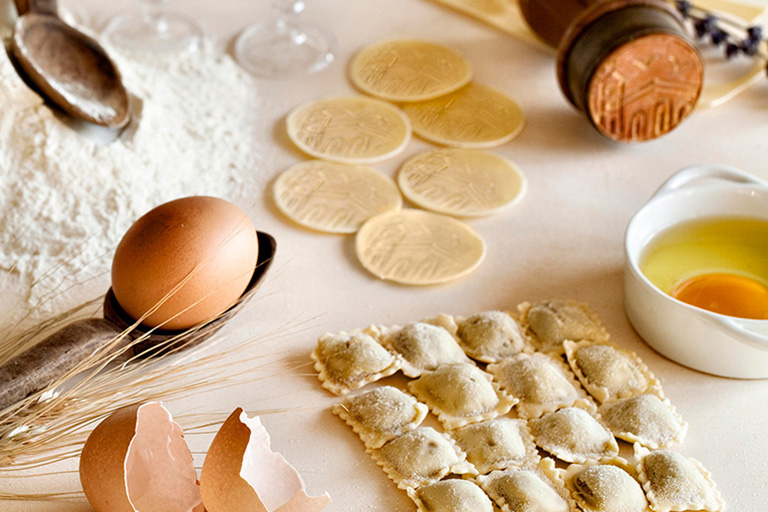
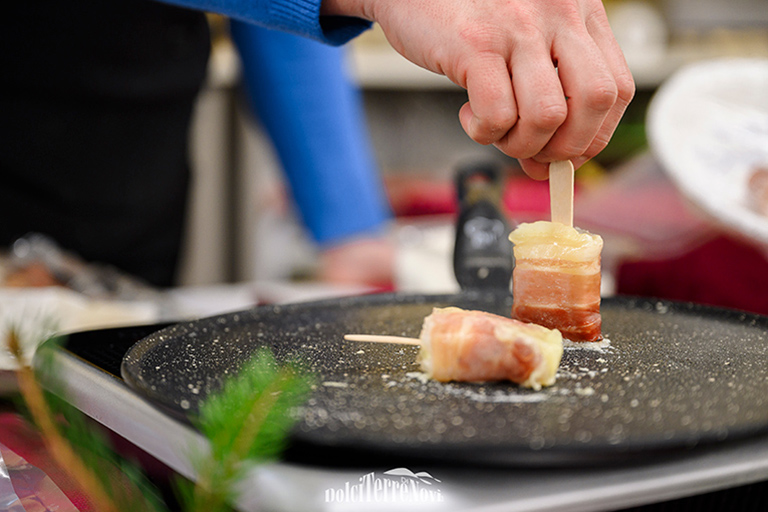
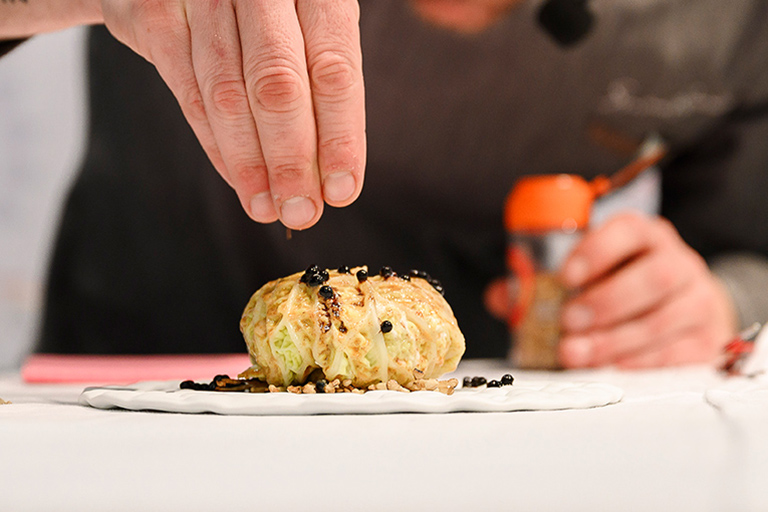
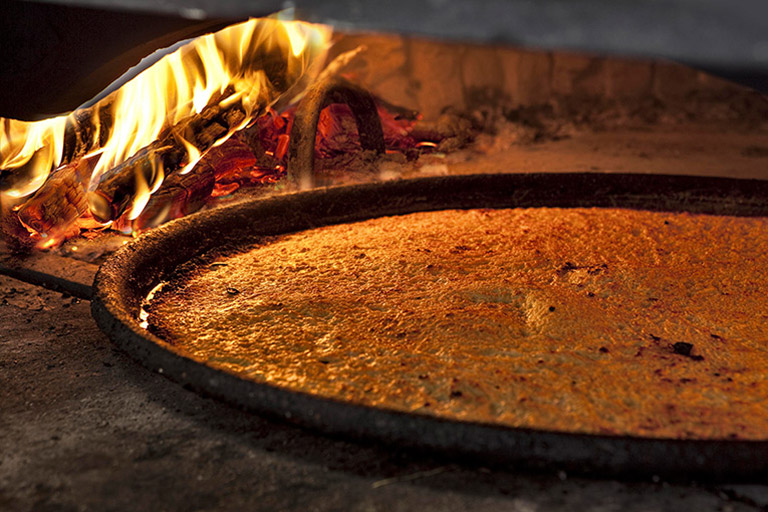
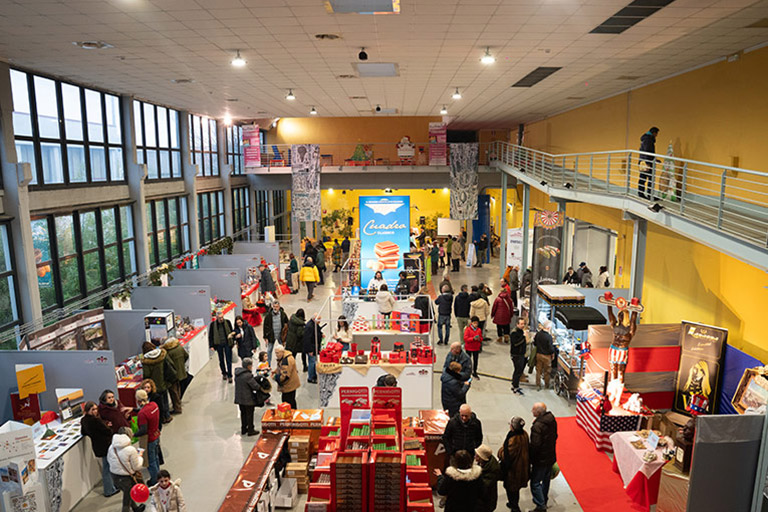
Novi Ligure’s culinary tradition reflects a meeting point between Piedmontese heritage and Ligurian influences. Among its signature dishes are agnolotti novesi, ravioli filled with meat and vegetables, typically served with roast sauce or wine-based dressings. Also characteristic are corzetti, patterned pasta stamped with traditional wooden molds, alongside staples such as focaccia and farinata. The city’s sweet tradition features baci di dama, recognised with De.Co. status, and delicate, crumbly canestrelli. Novi is also known as the “city of chocolate,” thanks to its historic confectionery industry, famous for producing chocolate bars and gianduiotti. Among local agricultural products, the Merella chickpea stands out, reflecting the area’s rural roots and traditions.
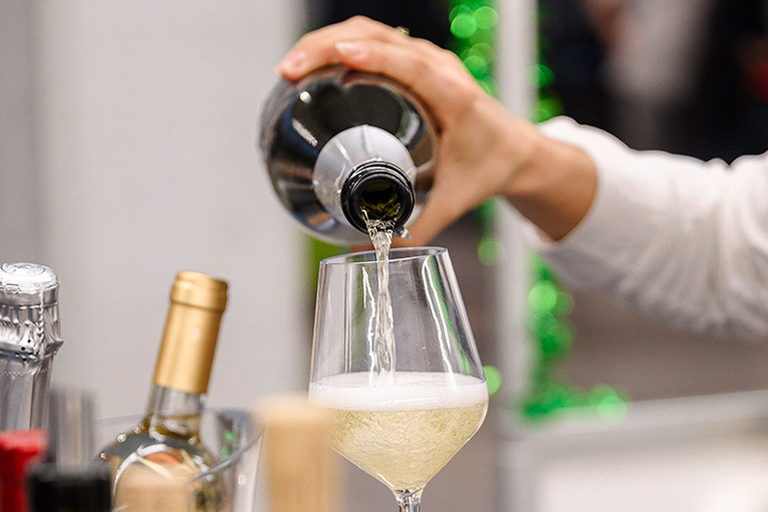
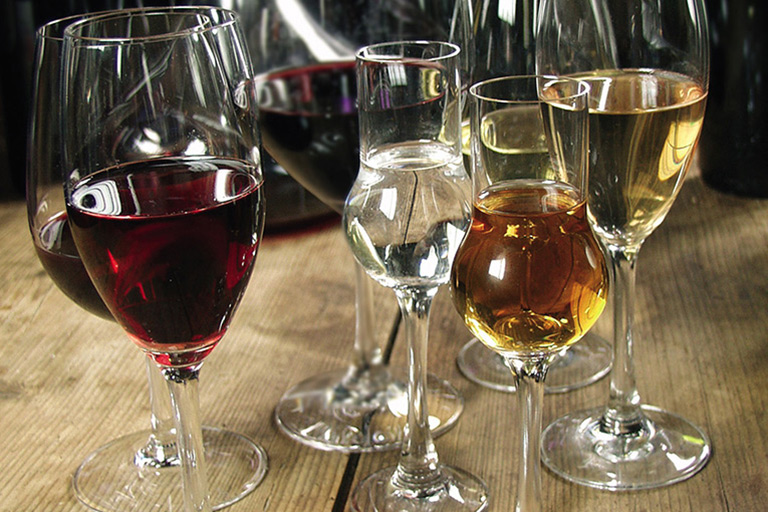
The Novi Ligure area is defined by a strong winemaking tradition. Among its most representative wines is Gavi DOCG, a white made from Cortese grapes, prized for its freshness and its floral and citrus notes. Red wines such as Dolcetto and Barbera also play a key role, offering structure and versatility. Alongside wine production, the area features traditional beverages like rose syrup and artisanal liqueurs, including Amaro Barzotto, crafted from locally sourced aromatic herbs and reflecting the character of the territory.
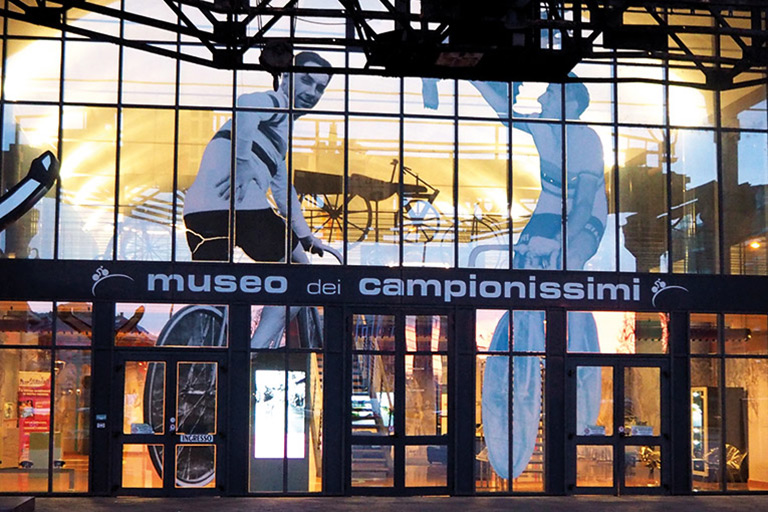
Novi Ligure’s heritage is deeply intertwined with its history and its cycling legacy, which has earned it the title “Land of Champions.” The Museo dei Campionissimi, housed in a former industrial building, traces the evolution of the bicycle and celebrates legends such as Costante Girardengo and Fausto Coppi, while also telling the story of the city itself.
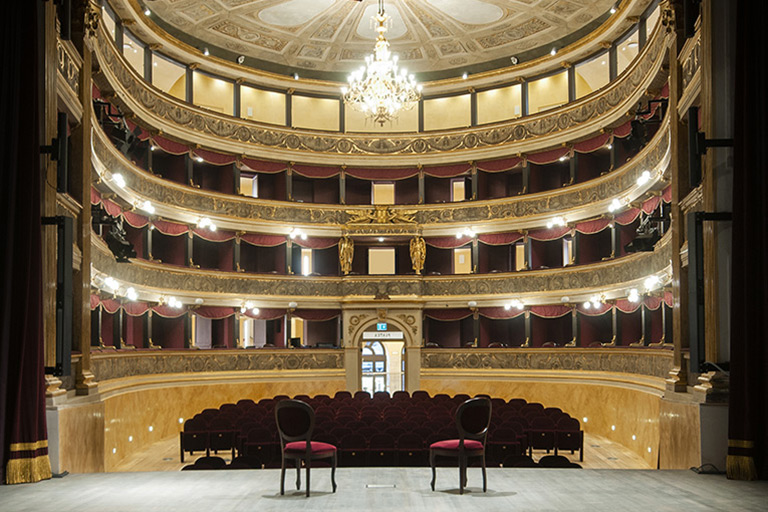
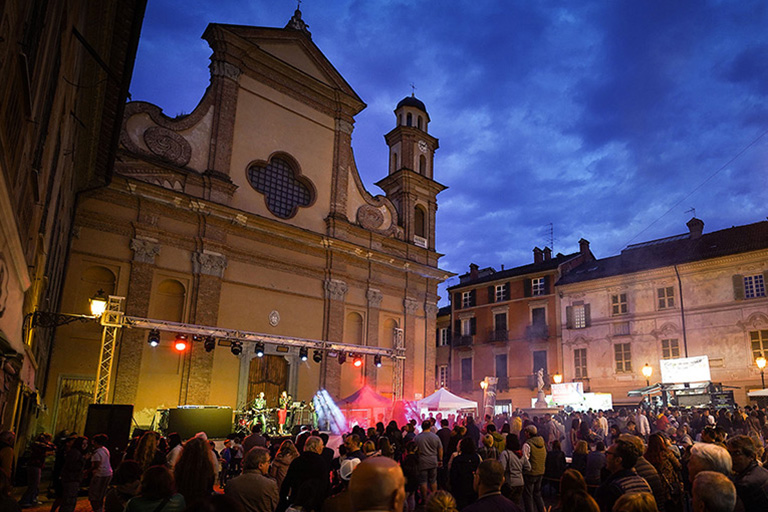
In the heart of Novi stands the Romualdo Marenco Theatre, inaugurated in the 19th century and recently restored, serving as a key cultural venue.
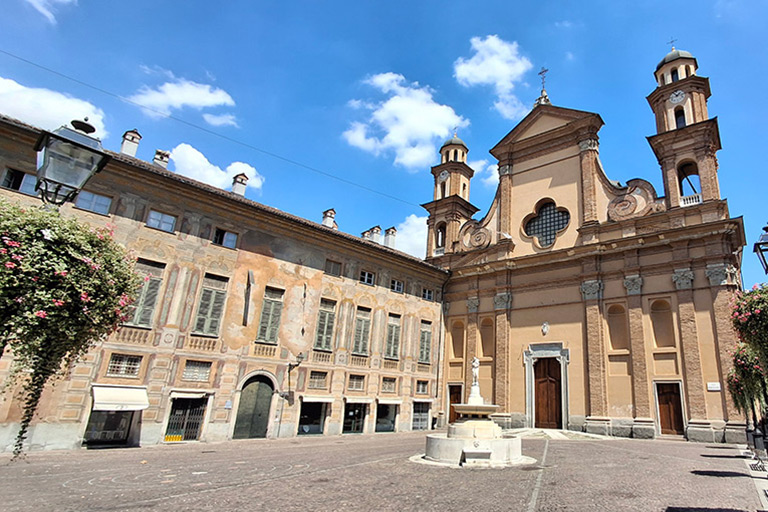
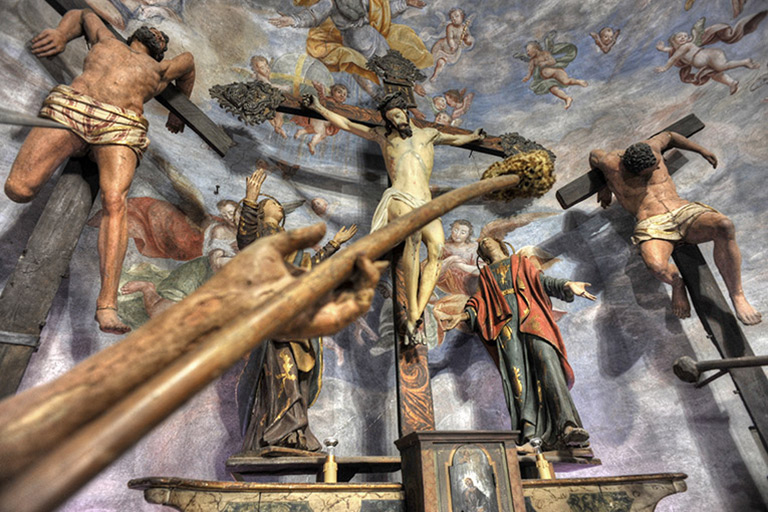
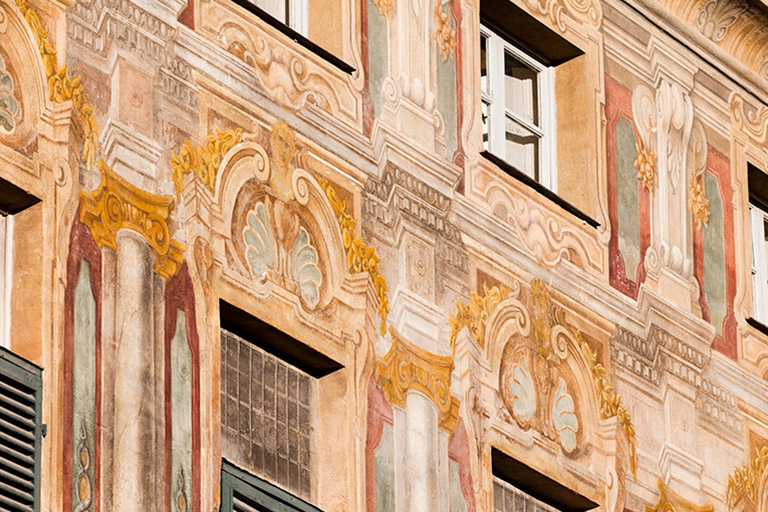
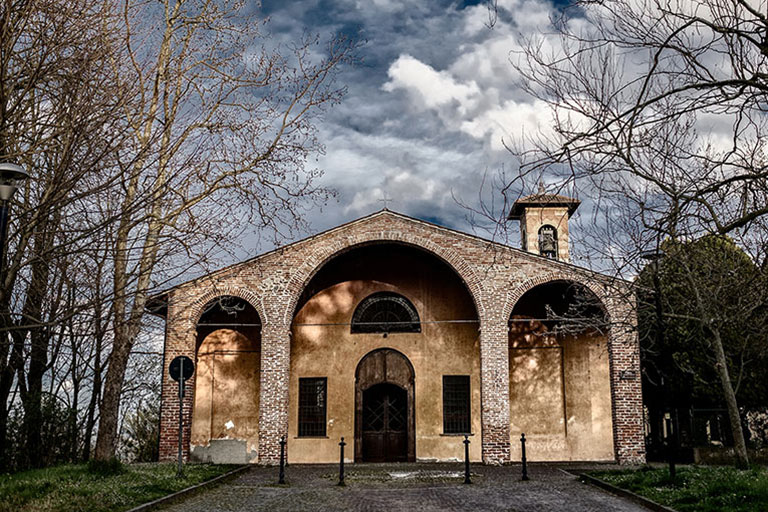
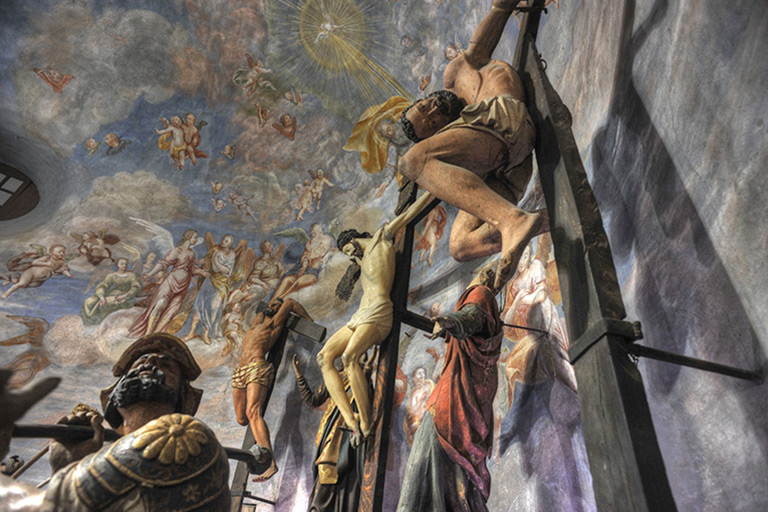
The historic centre is distinguished by its painted palaces, with façades decorated between the 16th and 18th centuries using trompe-l’œil techniques – an elegant testament to the city’s ties with Genoa and the wealth of its noble families. Among the religious landmarks are the Basilica of Santa Maria Maddalena, renowned for its sculptural Calvary complex, and the Collegiate Church of Santa Maria Assunta, blending medieval and Baroque elements.
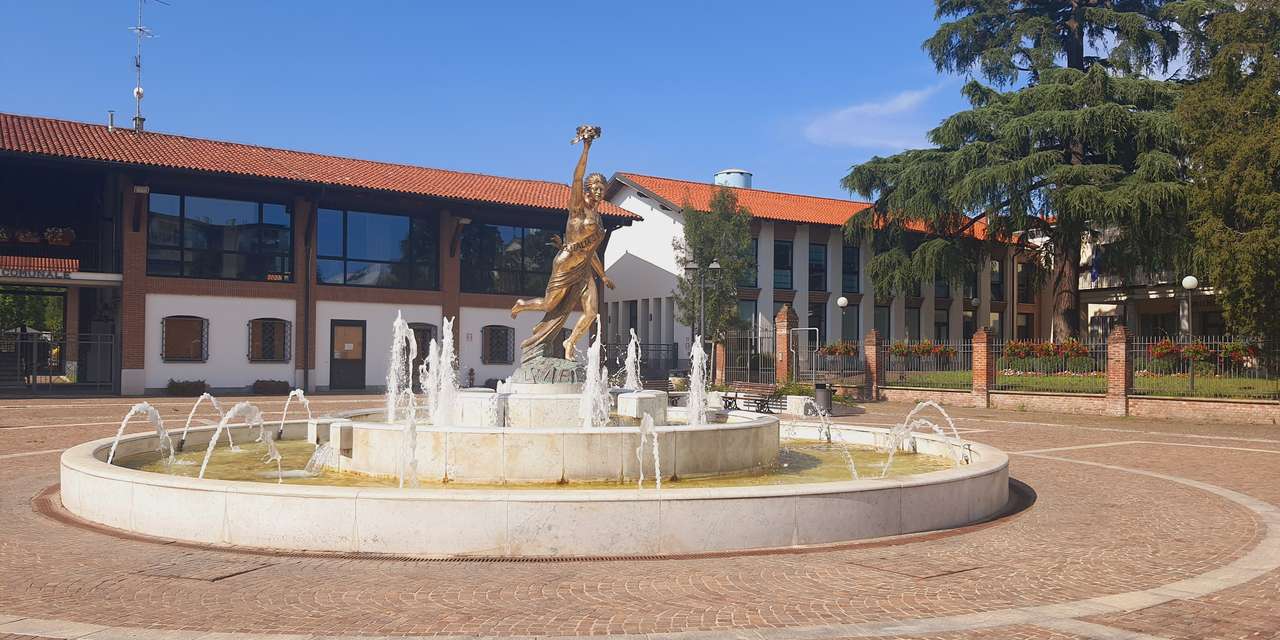
Of particular historical importance is the Pieve of Santa Maria, linked to the earliest phases of settlement. Within the urban landscape, the Fontana del Sale, a 19th-century marble monument celebrating the city’s aqueduct, stands as one of Novi’s defining symbols. Together, these sites reveal a city rich in history, culture, and tradition, deeply connected to its identity.
Amantea - Cosenza
Villa d'Agri di Marsicovetere - Potenza
Pompei - Napoli
Roccaraso - Blockhaus
Grottammare - Fermo
Sasso Marconi - Corno alle Scale
Forte dei Marmi - Massa
La Spezia - Chiavari
Savona - Novi Ligure
Angera - Verbania
Aymavilles - Pila
Assago - Milano
Biasca (CH) - Carì (CH)
Tione di Trento - Andalo
Valdobbiadene - Pieve di Soligo
Agordo - Alleghe (Piani di Pezzè)
San Daniele del Friuli - Piancavallo
Roma - Roma