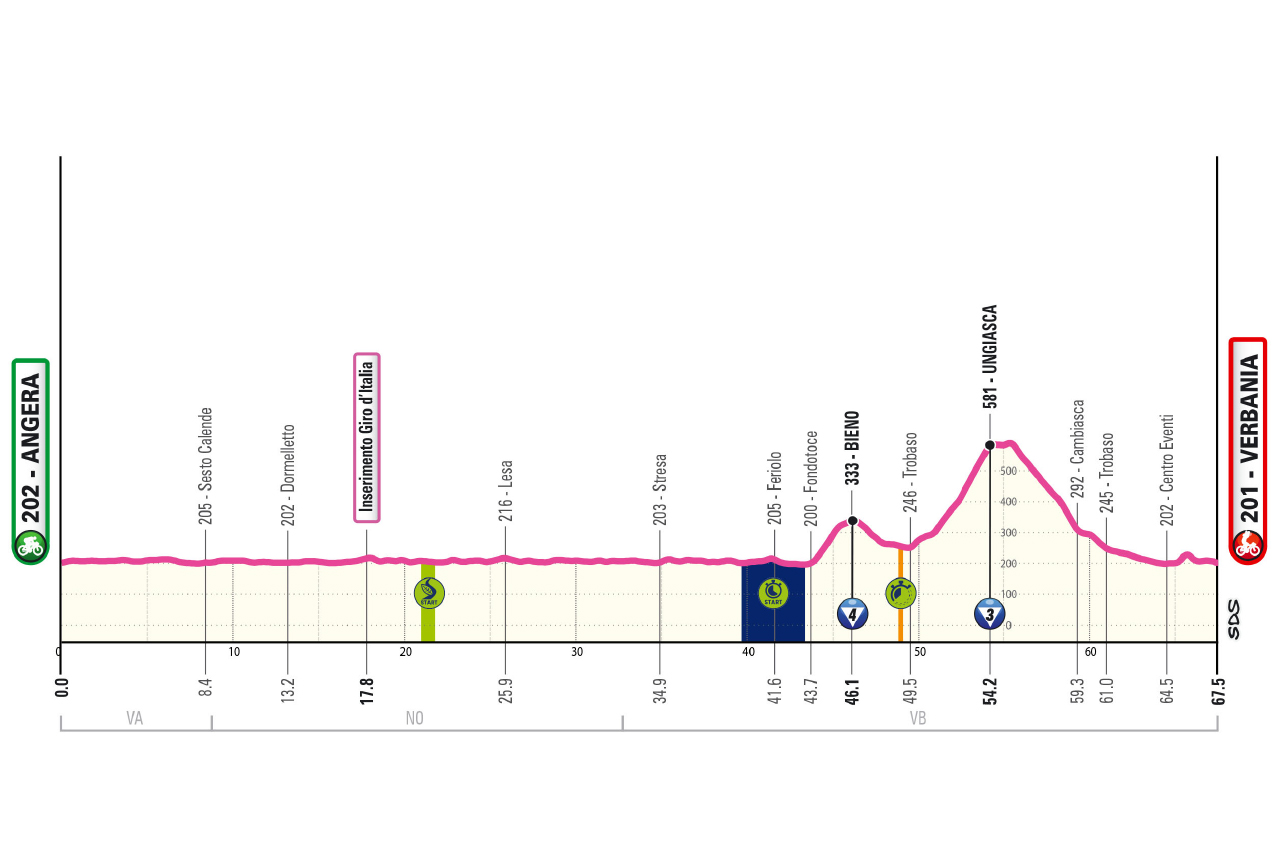
profile
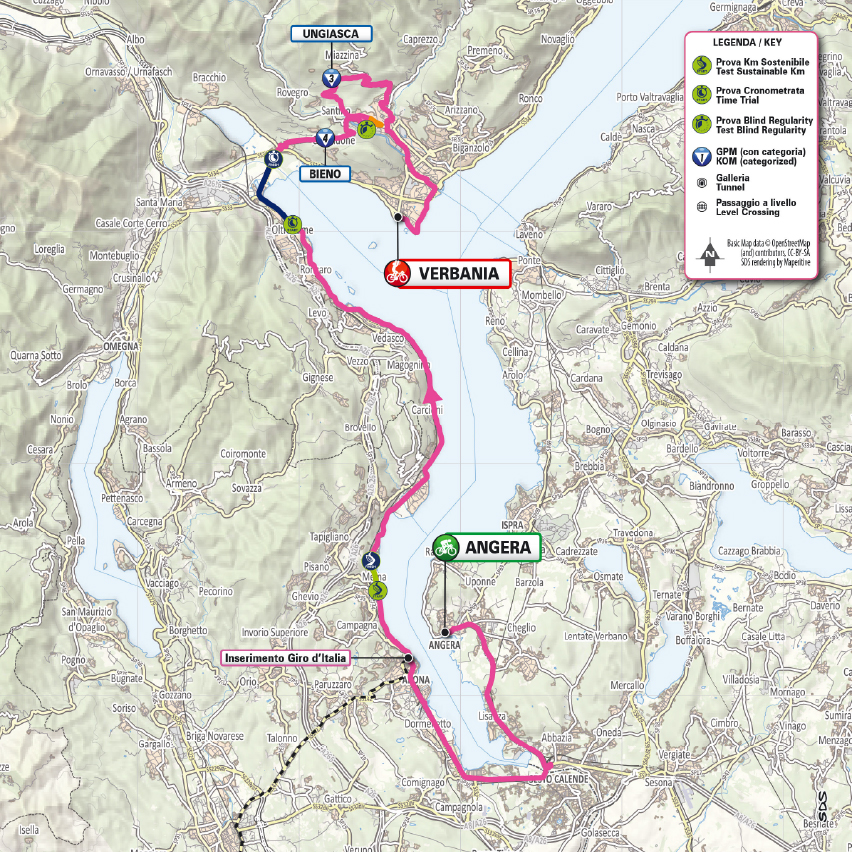
map
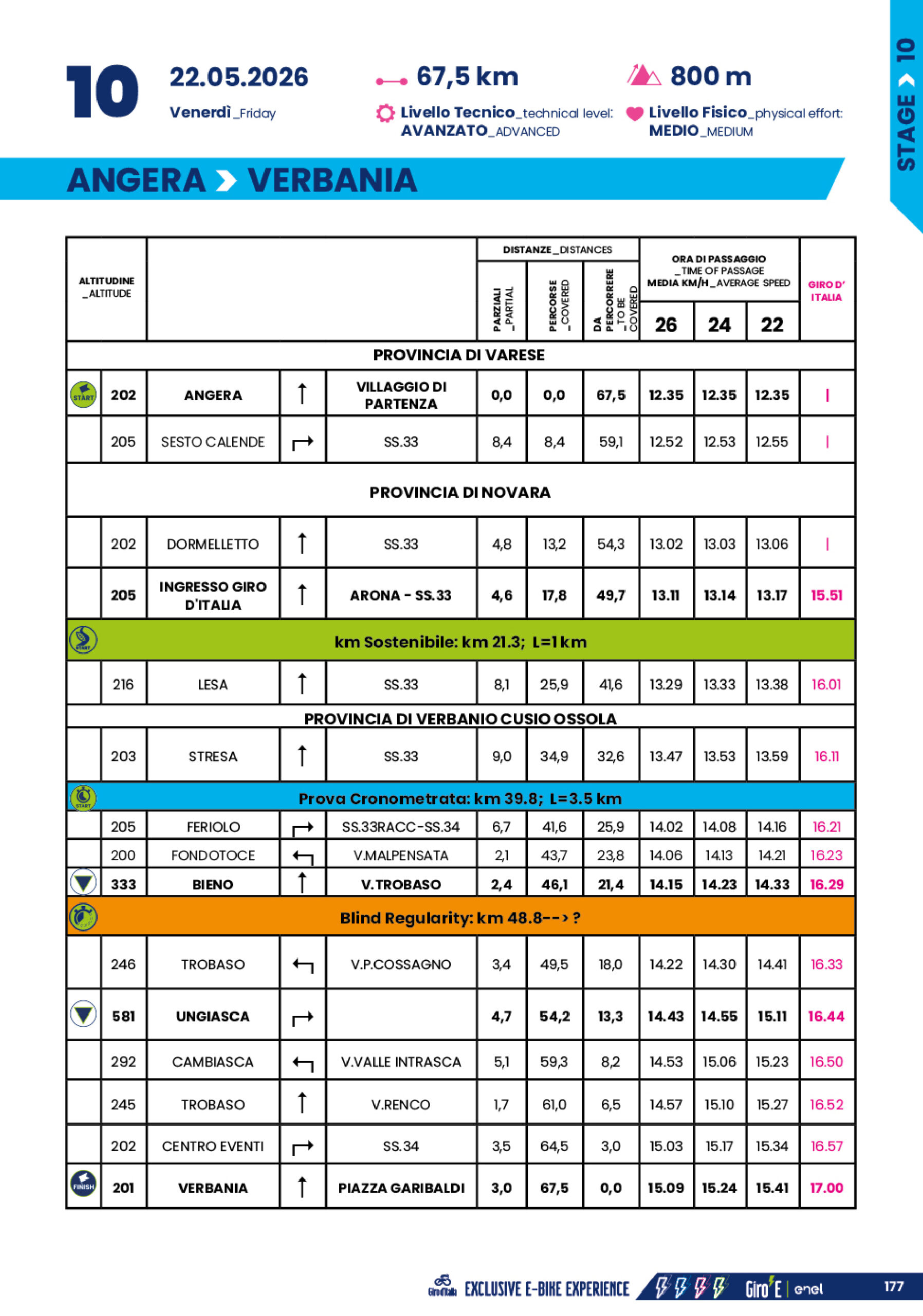
itinerary timetable

Friday 22
May 2026
67,5 km
Altitude gain 800 mt
Technical Level: Advanced
Physical Effort: Medium
 Starting in
Host city:
Angera, today a beautiful holiday town on the Lombard shore of Lake Maggiore, has yielded the earliest evidence of human presence in the Varese area. Inhabited since the Paleolithic era, it became an important commercial hub in Roman times and a key center for territorial control during the Middle Ages. Its natural layout favored the development of the port and connections along the “Mediolanum–Verbannus” route, which linked Mediolanum (Milan) to the Verbannus Lacus (Lake Maggiore) and onward to the Simplon Pass.
Angera is a human-scale destination suitable for everyone: children and adults, romantic for couples and perfect for families. It offers areas of historical, artistic, and scenic interest, a beautiful lakeside promenade ideal for walks along tree-lined avenues, wide green lawns for relaxation, swimmable beaches where sports can be practiced, as well as trails and green areas perfect for trekking and cycling, such as the Bruschera Marsh, the hill of San Quirico, and the “Herbs and Trees Trail” (CAI E614).
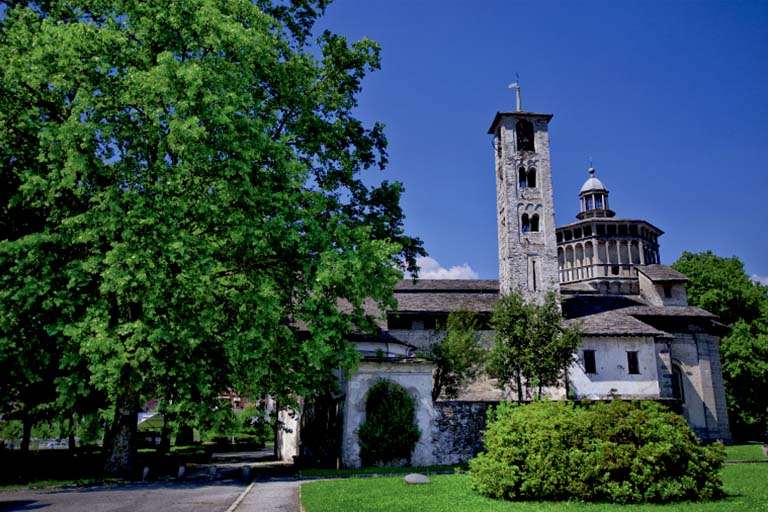
In the last week of June, in memory of the miracle of the Madonna della Riva and the martyrdom of Saint Arialdo, religious ceremonies and a procession of illuminated boats take place from the Sanctuary to the small island of Partegora. This tradition recalls two very distant moments in local history: Saint Arialdo brings us back to the Middle Ages, to the reform movement of the “Pataria” and to his martyrdom—captured by Archbishop Guido da Velate, imprisoned in the Rocca, tortured, and killed. Half a millennium later, on June 27, 1657, the image of the painting of the “Madonna nursing the Child Jesus,” placed inside a 15th-century votive shrine, began to bleed. To celebrate this miraculous event—also associated with later healings—the community decided to build the sanctuary.
For over 500 years, September has been a special month for Angera, linked to agricultural traditions, the grape harvest, and wine production. It was in 1497 that Ludovico il Moro, Duke of Milan, granted Angera several privileges, including the title of City, a weekly market, and two annual fairs, one of which was dedicated to the grape harvest and wine. The “Un Lago Di…Vino” festival celebrates the city’s winemaking tradition, essential both in the past and today, and since 2023 has represented the highlight of “Settembre Angerese,” an entire month of festivities featuring events such as allegorical harvest parades, experiential itineraries, themed conferences, concerts, performances, and many other cultural and recreational activities for all ages.
Every September 15, the Pastoral Community commemorates the Patron Saint’s Feast with solemn celebrations and a procession carrying the statue of Our Lady of Sorrows from the Parish Church of Santa Maria Assunta in the town center. The patronal feast reflects the community’s strong desire to foster spirituality and social life through joyful celebrations, gatherings, and moments of dialogue.
Angera’s tourist vocation and human-scale character make it an ideal destination for multi-day visits or even a place to adopt a different lifestyle. Close to major hubs in the region (Varese, Malpensa, Milan, Domodossola, Novara), it serves as a gateway to other places of cultural, commercial, and natural interest. The city’s social fabric includes, in addition to the Proloco Angera APS, numerous associations and local organizations that keep it vibrant throughout the year, offering a wide variety of activities.
In 2015, thanks to a project promoted by the Municipality’s Department of Culture together with the Civic Archaeological Museum of Angera, in collaboration with the Archaeological Superintendency of Lombardy, it was possible to rediscover and enhance the “millennia-old breads,” ancient and biodiverse loaves unearthed during excavations in Angera and preserved intact for nearly 2,000 years. Archaeobotanical analyses carried out by the Archaeobiology Laboratory of the Civic Museums of Como revealed that they were made with spelt and wheat flours, coarsely ground using stone mills, and leavened with sourdough or brewer’s yeast. Chef Claudio Mei Tomasi and baker Claudio Giombelli recreated the recipe starting from these ancient ingredients, using only organic stone-ground flours and natural leavening.
In 2021, “Zafferano di Angera” (Angera saffron) was awarded the De.Co. (Denominazione Comunale) designation, bringing back to life—after nearly 200 years—the historical cultivation techniques described in the 1829 scientific text *Monografia dello Zafferano* by the Angera-born physician Ajcardo Castiglioni (1774–1849).
In 2025, Angera’s Extra Virgin Olive Oil – Terre del Verbano was added to the De.Co. products. In compliance with production guidelines, it is made exclusively from olives harvested in the territory of Angera, including varieties such as Leccino, Frantoio, Pendolino, Grignano, Moraiolo, Taggiasca, and other local cultivars. The oil is cold-extracted mechanically, preferably on the same day as the harvest or within 48 hours. Angera’s EVO oil is produced by the Monteggia Roberto family.
In 2016, the botrytized wine “Mott Caré” also obtained the De.Co. (Denominazione Comunale) designation. It is a white wine that requires careful technique and great winemaking expertise; its organoleptic properties range from floral notes to candied fruit, expressing the complex and vegetal contribution of noble rot. The “Mott Caré” botrytized wine is produced by Cascina Piano in Angera, a local excellence in the production of Ronchi Varesini IGT wines.
The Civic Archaeological Museum, located in the town center, is housed in a 15th-century building accessed from Via Marconi through a pointed stone arch portal made of Angera stone. The northern side of the small courtyard, adorned with a portico supported by Angera stone columns with shield-shaped and foliated capitals, houses the lapidarium. In the 19th century, the building became the seat of the Magistrate’s Court, and in the early 20th century it served as the Town Hall. Since 1982, the building has hosted the Civic Archaeological Museum, where valuable evidence of the origins and history of Angera, from Prehistory to the Roman era, is preserved.
Outdoors as well, Angera tells its story thanks to the Open-Air Museum (Museo Diffuso), created in 2016 as a project by the Municipality of Angera to promote local heritage and showcase the city’s many beauties. Today it includes 57 historical, artistic, and scenic sites, including the open-air art gallery created by internationally renowned artist Andrea Ravo Mattoni. The Open-Air Museum can be visited at any time on foot or by bicycle; its “rooms” are open-air spaces spread across the historic center, outskirts, and surrounding districts, along ancient roads, by the tranquil gulf, underground, behind gateways, and among shady woods and fertile hills. Informational panels in Italian and English, placed near each monument, describe the sites and works of art created by nature and human ingenuity over the centuries. Further details can be explored on the dedicated section of the tourism website angera.it.
In Angera, history and culture intertwine with nature and landscape, enhanced by a Natura 2000 site: the Bruschera Marsh, an important wetland of the Verbano area featuring flooded forests, ponds, and wet meadows interspersed with oak woods. Open to the public for immersive nature experiences, the marsh hosts valuable species such as the Lataste frog and migratory and nesting birds protected by European directives. The trail that crosses the entire natural area runs alongside the Isolino Partegora and a small gulf, or “gora,” from which the marsh takes its name.
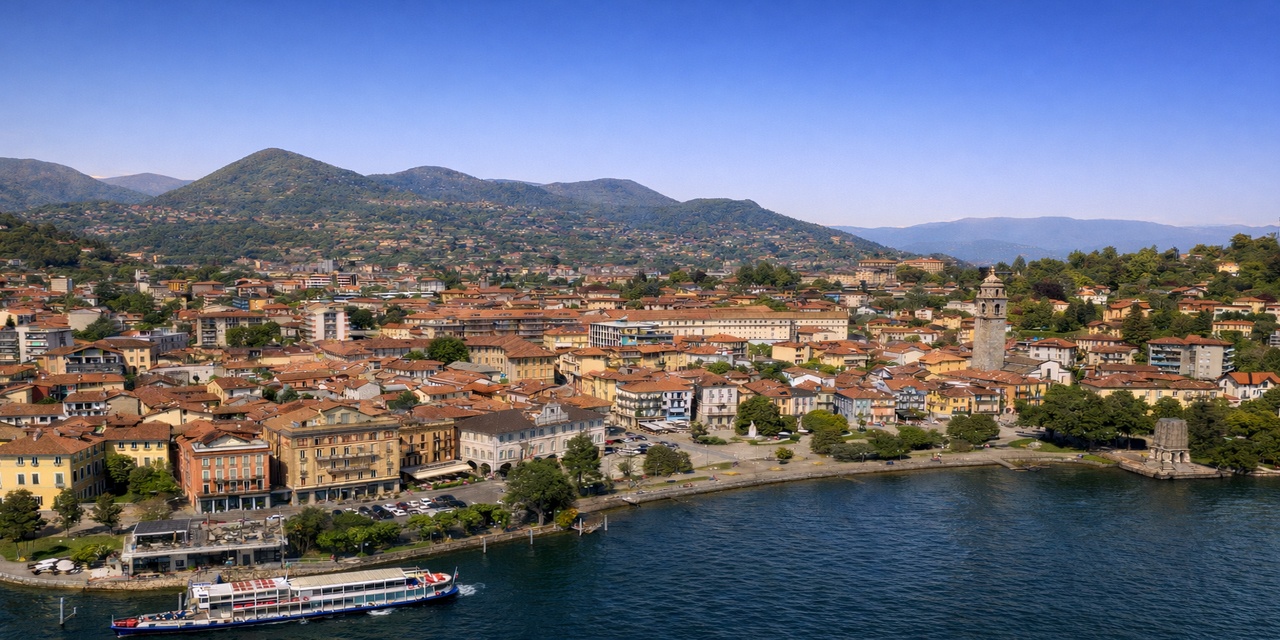
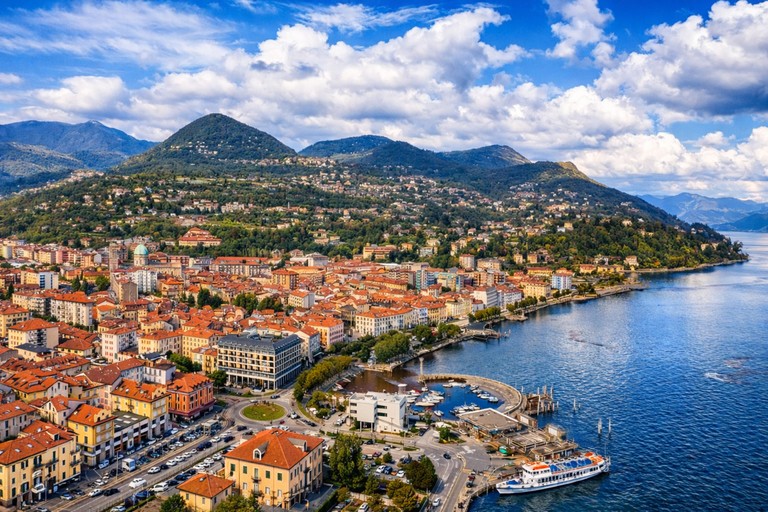
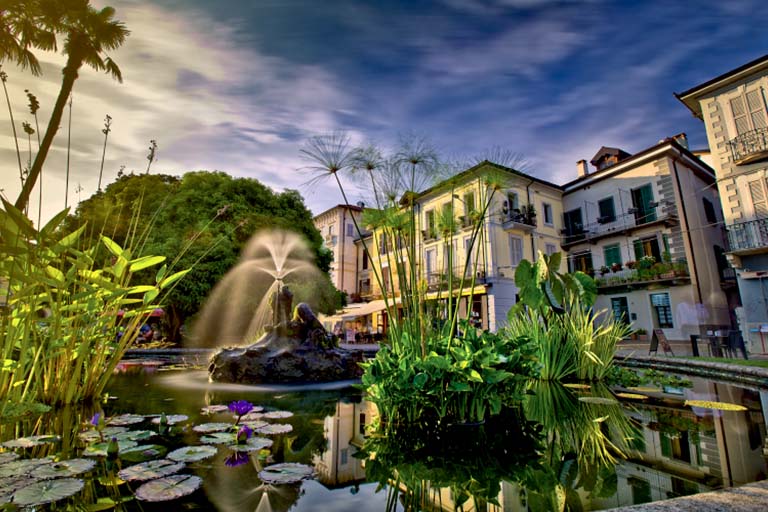
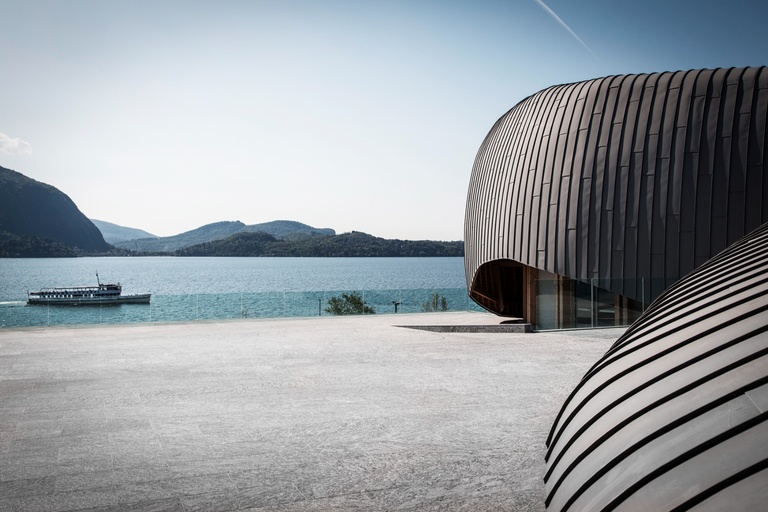
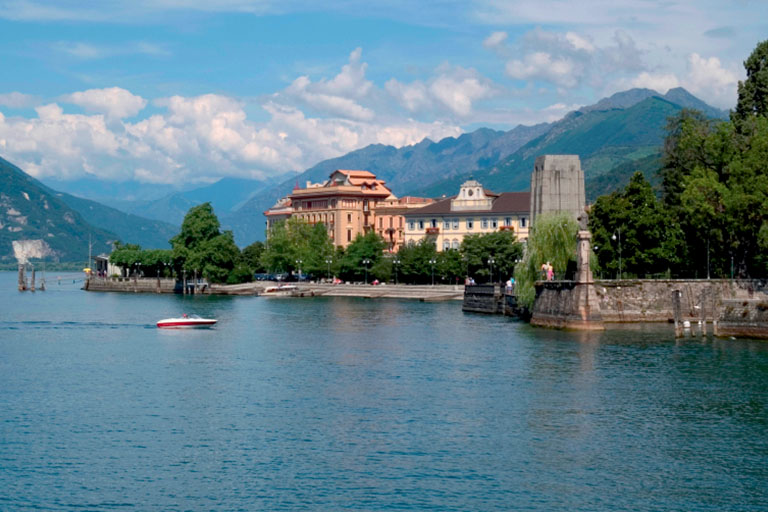
Overlooking the Piedmontese shore of Lake Maggiore, Verbania was formed in 1939 from the merger of the towns of Intra, Pallanza and Suna. The city stretches along the lakeshore and up the first mountain slopes behind it, set within a landscape of outstanding natural beauty. Historically linked to industrial and manufacturing activities, Verbania has gradually developed a strong tourist vocation, encouraged by its lakeside location and mild climate. Its urban fabric reflects the diversity of its origins, with districts that differ in history and function, and a close relationship with the surrounding Verbano landscape.
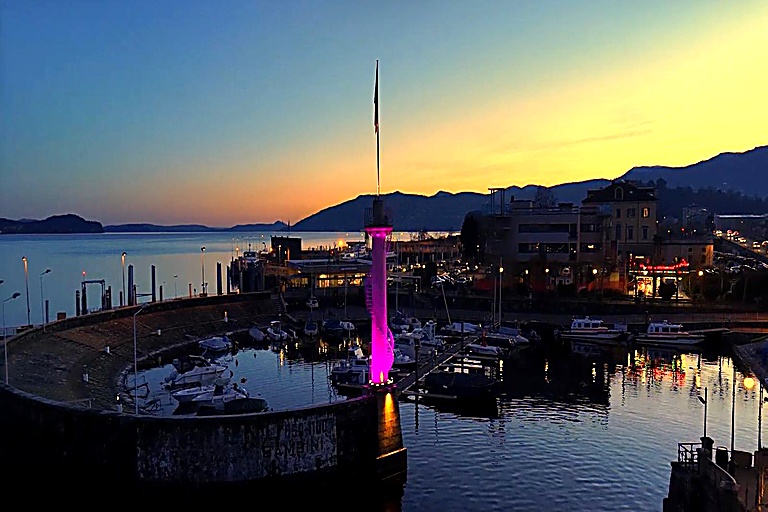
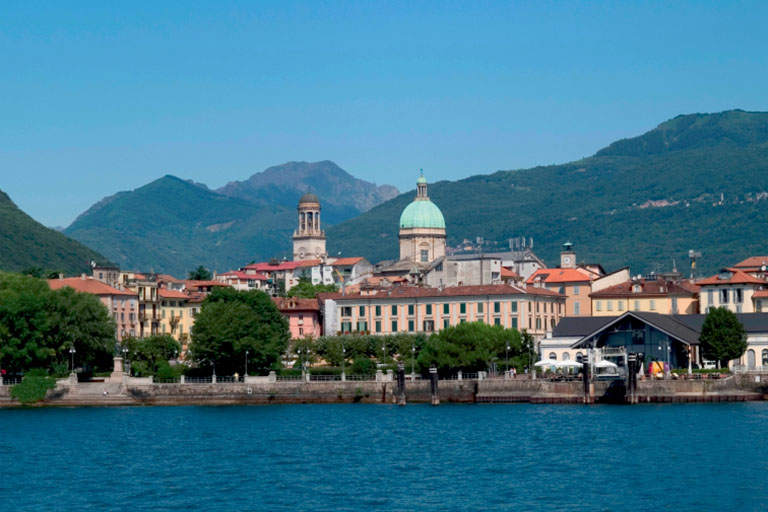
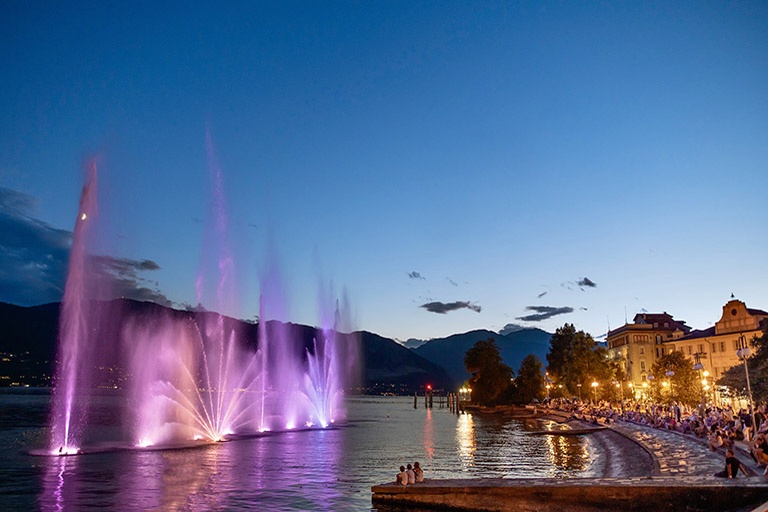
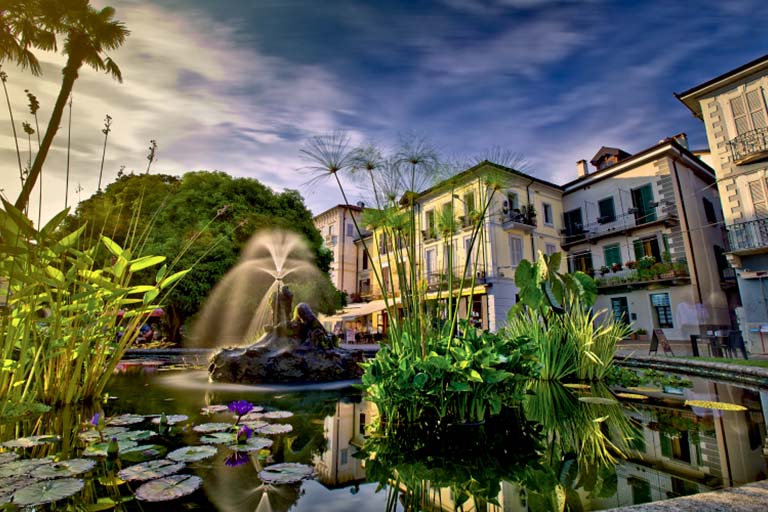
Verbania’s gastronomy is deeply connected to Lake Maggiore and the surrounding Alpine valleys, blending lakeside flavours with mountain traditions. Among its signature dishes are golden fillets of perch, sautéed in butter and sage and often served with rice or polenta, and fritto di alborelle, light and delicately crisp. Grilled coregone and risotto with perch and saffron reflect the meeting of lake cuisine and the rice-growing heritage of Piedmont. From the inland valleys come distinctive specialties such as mortadella ossolana, the violino di capra from Valle Vigezzo, and Bettelmatt, a rare and prized alpine cheese. Local products also include the traditional black bread of Coimo. On the sweet side, the area is known for amaretti di Pallanza and the delicate margheritine di Stresa, completing a cuisine that captures the essence of both water and mountains.
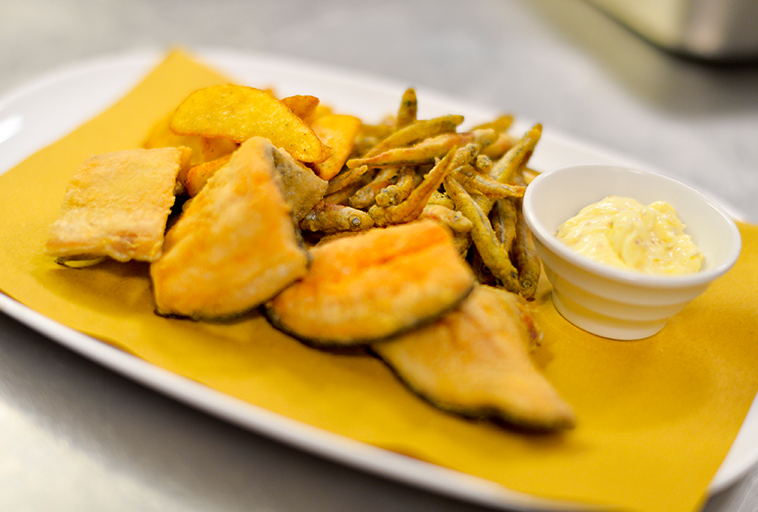
The Verbano-Cusio-Ossola area offers a niche yet highly distinctive winemaking tradition. Among its standout varieties is Prünent, an ancient native grape documented as far back as the 14th century and now revived within the Valli Ossolane DOC. Alongside these local productions, the region also draws on renowned Piedmontese wines, while a lively craft beer scene adds a modern dimension to its beverage culture. Typical drinks include pure Alpine waters such as Acqua di Bognanco, as well as iconic products like Crodino, born in Crodo – both integral expressions of the area’s unique identity.
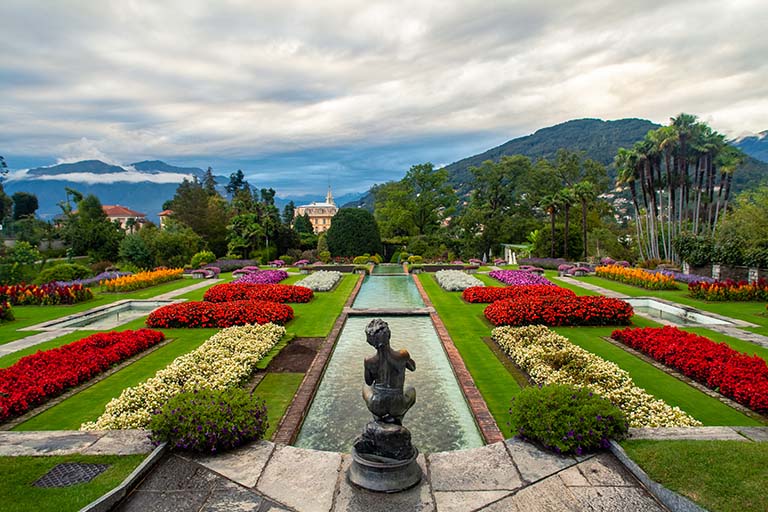
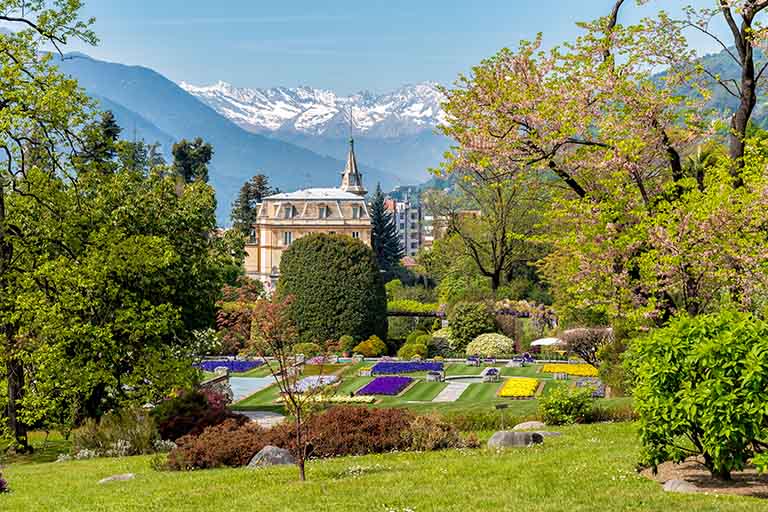
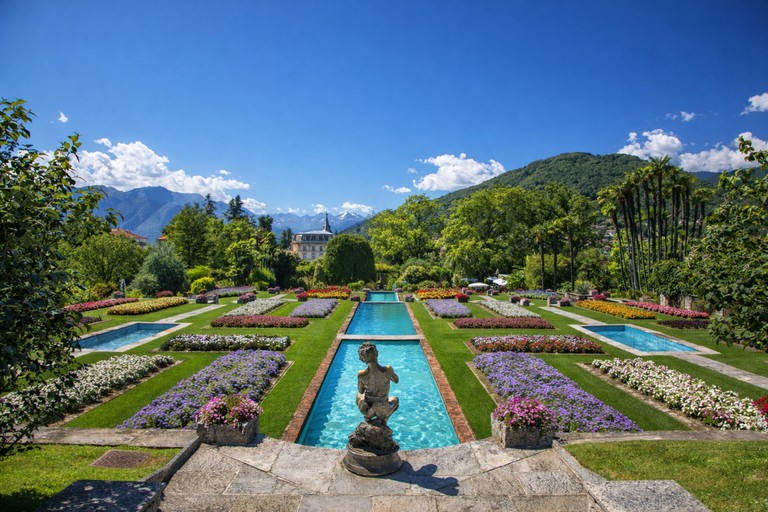
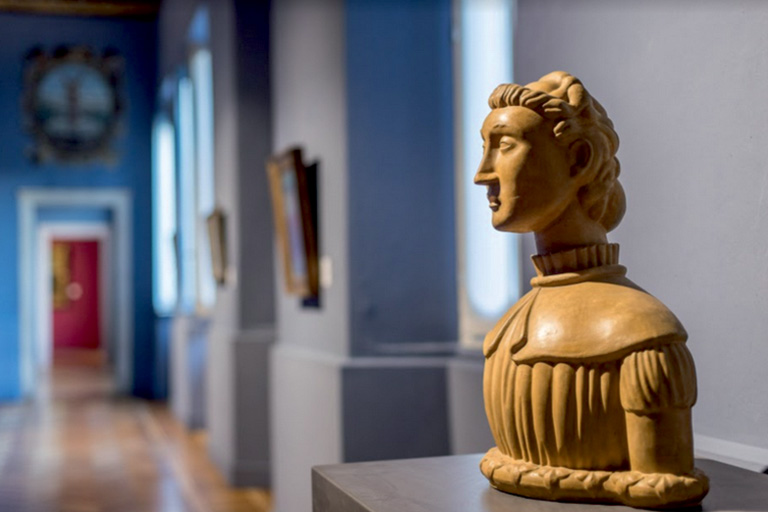
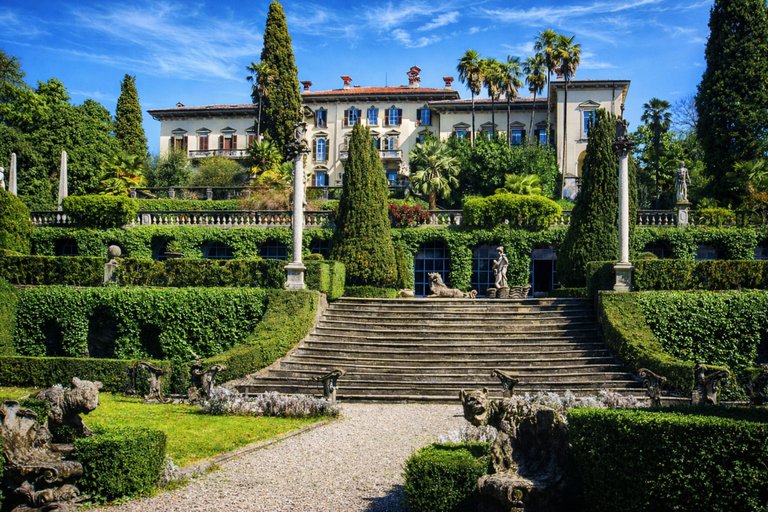
Verbania’s heritage unfolds in a unique balance between lakeside landscapes, culture, and nature. Among its most iconic sites are the Villa Taranto Botanical Gardens, one of Europe’s most important botanical complexes, home to thousands of plant species and spectacular seasonal blooms overlooking Lake Maggiore. In the heart of the city, the Landscape Museum, housed in Palazzo Viani Dugnani, preserves works connected to the region from the 19th and 20th centuries, with international recognition.
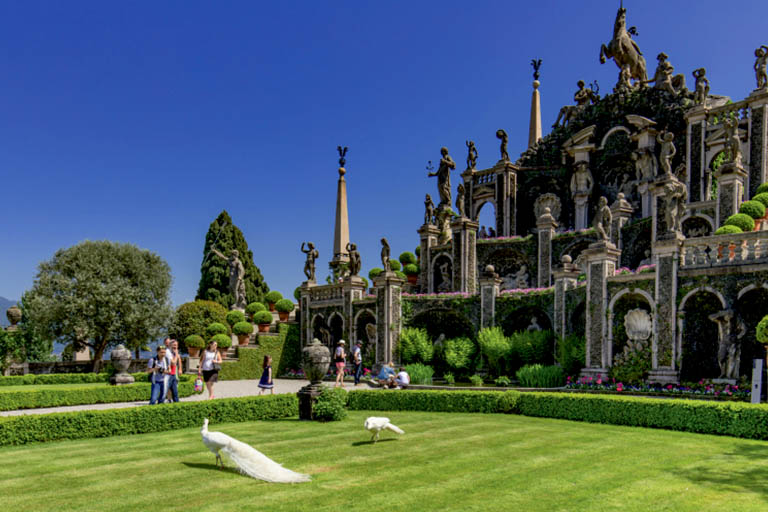
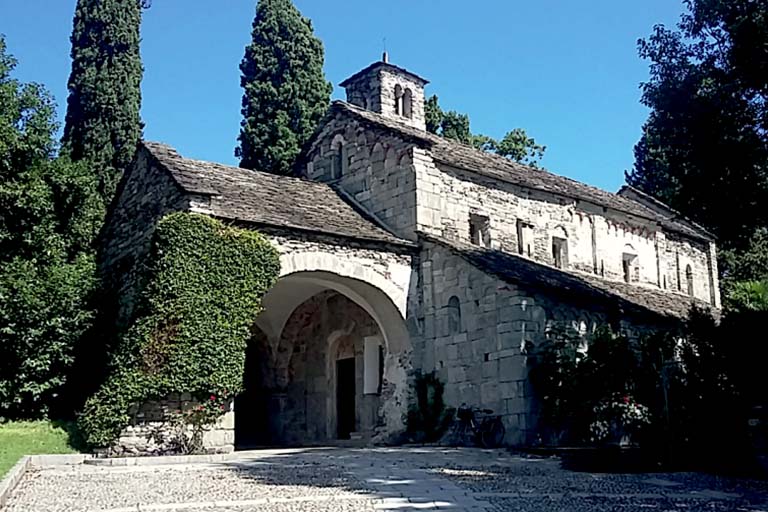
Among the religious landmarks, the Basilica of San Vittore stands as a key spiritual and historical reference point. Nearby, the Sacri Monti of Piedmont and Lombardy, a UNESCO World Heritage Site, offer immersive routes through art, faith, and landscape. Equally captivating are the Borromean Islands, a lake archipelago renowned for its baroque palaces and terraced gardens.
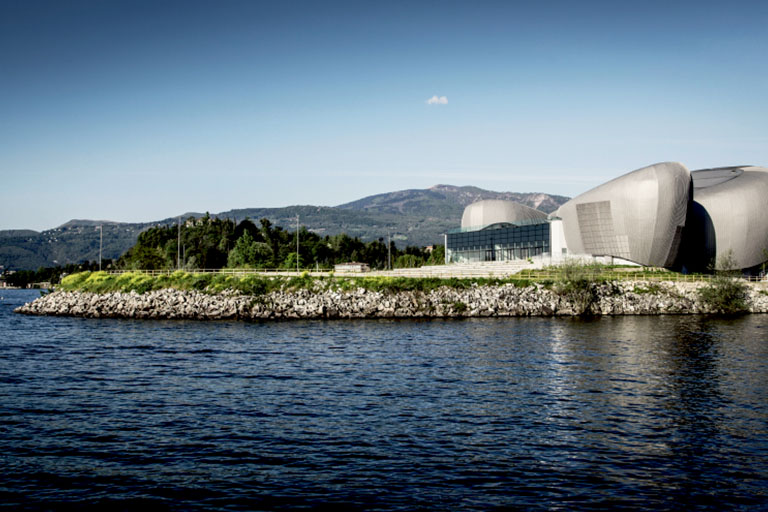
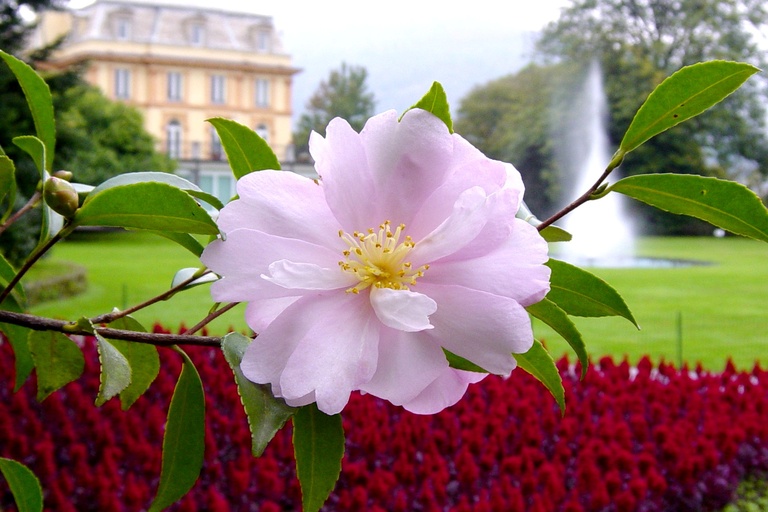
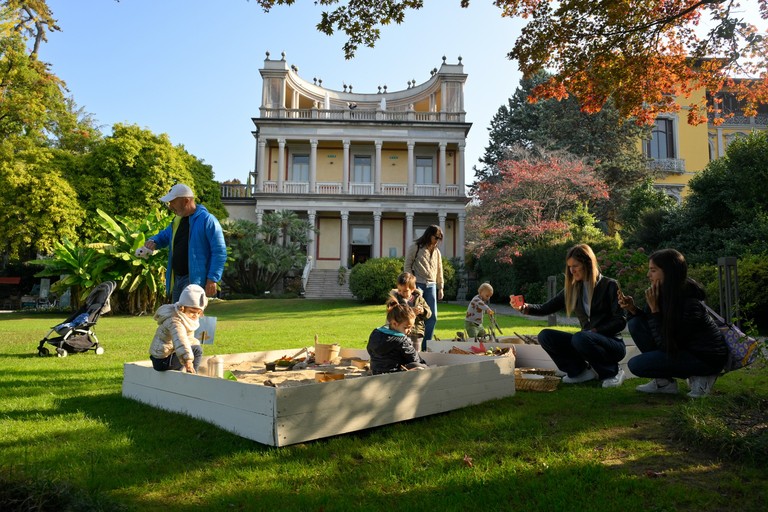
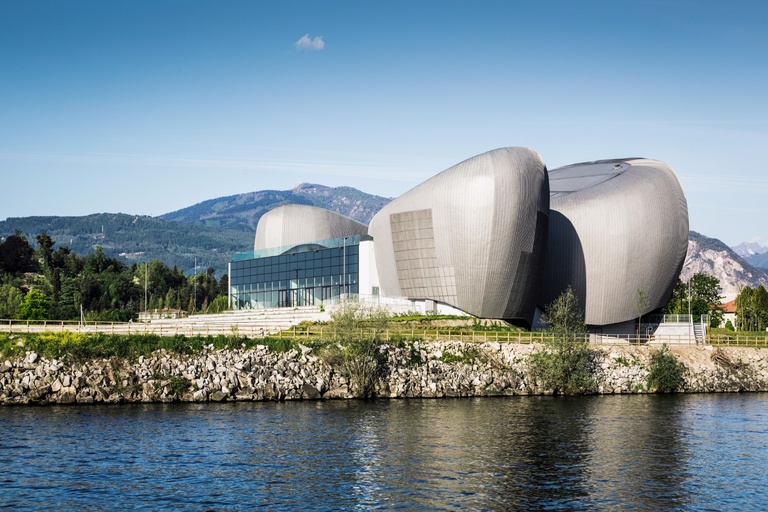
The city’s cultural scene is further enriched by Villa Giulia, now a venue for major exhibitions and artistic events, and the Il Maggiore Events Centre, a contemporary hub for theatre, music, and performance. At Villa Maioni, visitors can explore the so-called “Camellia Library,” a botanical park featuring hundreds of varieties.
From a natural perspective, highlights include the Fondo Toce Nature Reserve, a protected wetland of exceptional biodiversity, and the Val Grande National Park, Italy’s largest wilderness area, offering untouched landscapes and extensive hiking trails.
Amantea - Cosenza
Villa d'Agri di Marsicovetere - Potenza
Pompei - Napoli
Roccaraso - Blockhaus
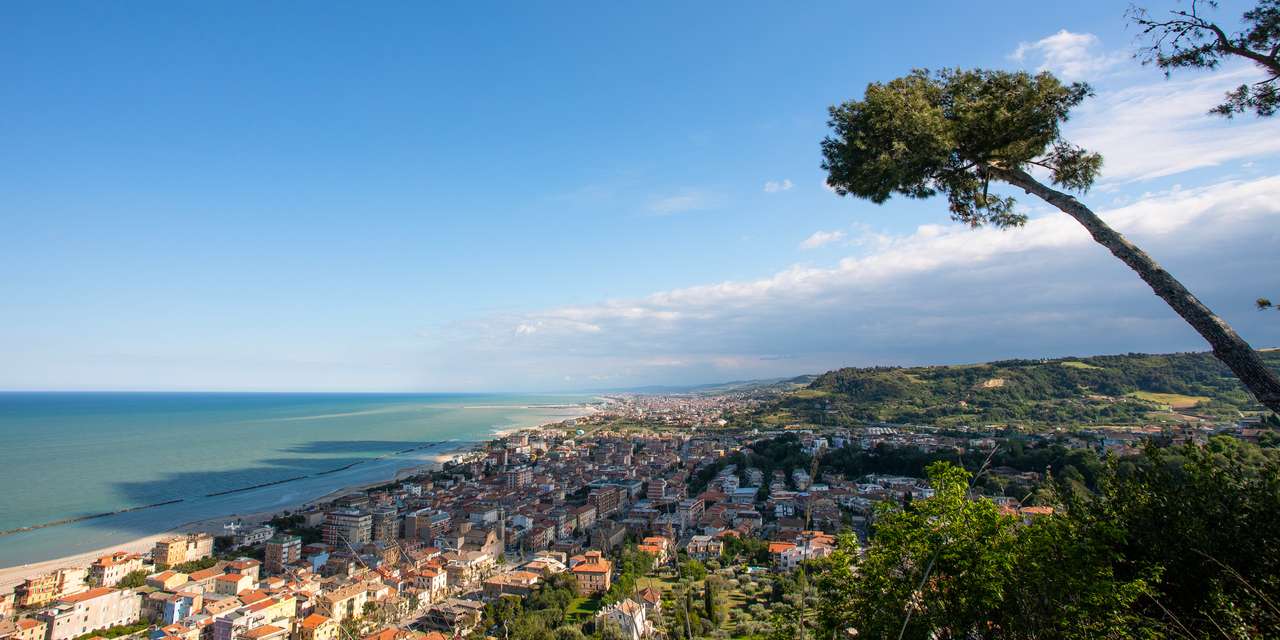
Grottammare - Fermo
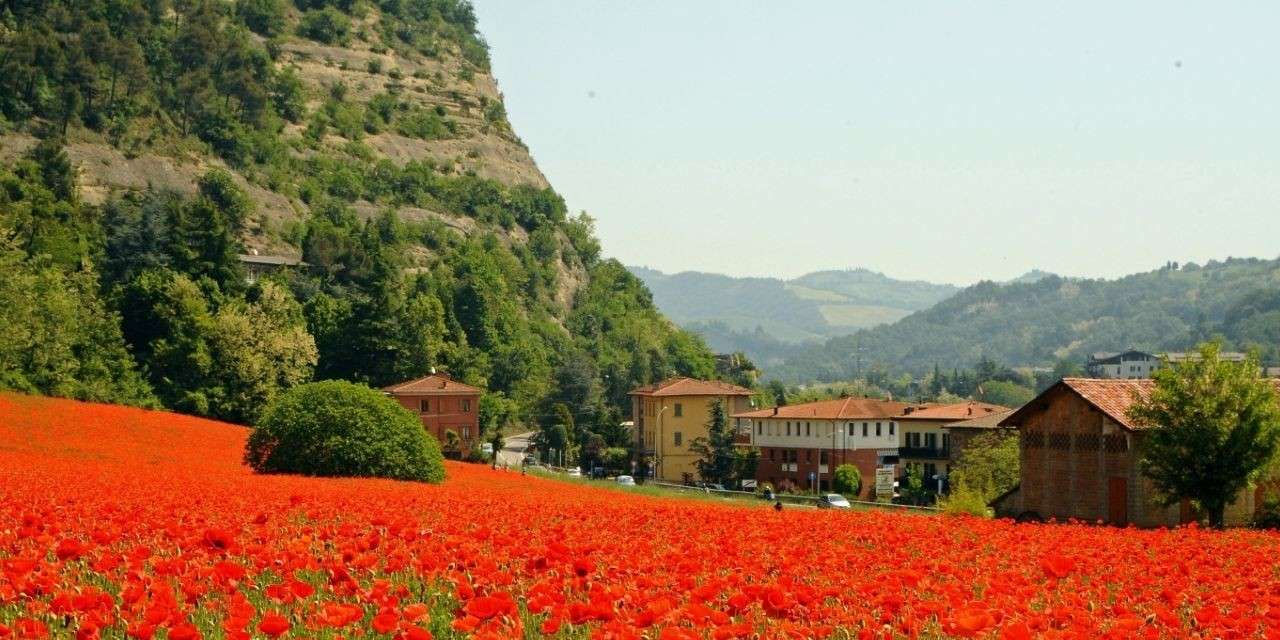
Sasso Marconi - Corno alle Scale
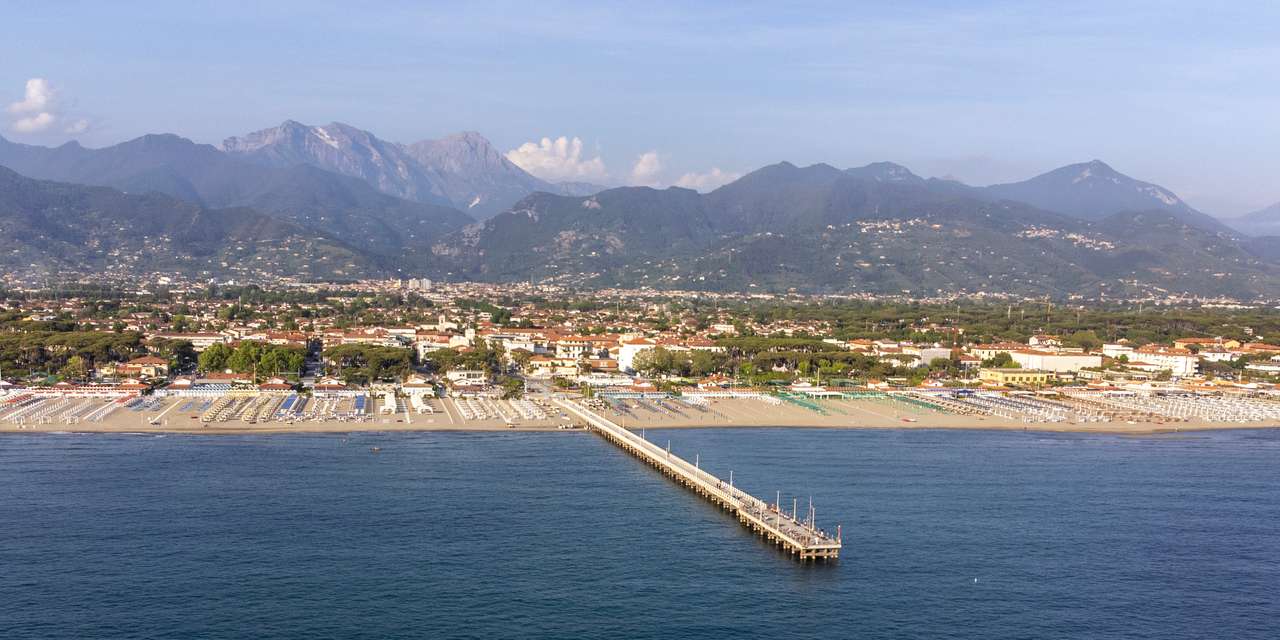
Forte dei Marmi - Massa
La Spezia - Chiavari
Savona - Novi Ligure
Angera - Verbania
Aymavilles - Pila
Assago - Milano
Biasca (CH) - Carì (CH)
Tione di Trento - Andalo
Valdobbiadene - Pieve di Soligo
Agordo - Alleghe (Piani di Pezzè)
San Daniele del Friuli - Piancavallo
Roma - Roma